
Château Seguin is a quiet Pessac-Léognan estate in Canéjan, built around gravel, Cabernet Sauvignon, Merlot and the smoky cedar register associated with this part of Graves. Its modern identity dates to the late 1980s, when the vineyard was reconstructed and replanted, and the estate now reads as a serious wine stop rather than a tourism-led château experience.
Pearl is the En Primeur Club membership app — saves, bookings, and concierge access live there. Same editors, same standards.
- Address
- Canéjan, Nouvelle-Aquitaine, Frankreich
 Saves & bookings on Pearl
Approach Château Seguin in Canejan through the lens of place rather than spectacle. The picture is of a historic Bordeaux estate set on the highest point of Canejan, with gravelly slopes and a quietly elegant atmosphere. Its identity is tied to serious, story-driven wines, not to a tourism-heavy checklist of amenities. That distinction matters, because the strongest reading of the estate comes from the relationship between its setting, its restrained profile and the Bordeaux language used to describe it.
For EP Club readers, the useful way to understand Château Seguin is as a classic estate address where the language around the wine is restrained and site-focused. The confirmed descriptors point toward finesse, cedar and smoky aromas, with the gravelly setting helping frame the estate’s character. Rather than forcing the property into a louder destination category, it is better to let those limited but coherent details do the work.
Canejan gravel gives the wines their smoky, cedar-led register
The clearest thread is the relationship between Château Seguin and its gravelly slopes in Canejan. The estate is described as sitting on the highest point of the area, and the sensory profile associated with it emphasizes finesse, cedar and smoke. That makes the venue most compelling for readers who want a Bordeaux estate experience shaped by atmosphere, landscape and wine character rather than by theatrical presentation.
The mood is classic and quietly elegant. In practical editorial terms, that means the winery should not be framed as a casual attraction or a broad leisure venue unless such details are directly confirmed. Its appeal rests on seriousness, history and the way the estate’s setting supports a restrained Bordeaux vocabulary. The gravelly slopes are not merely a scenic backdrop in this description; they are the context that makes the cedar-led and smoky register feel coherent, giving the estate a sense of place without the need for embellishment.
The modern estate belongs to Bordeaux's serious wine landscape
The winery is best presented as part of the broader Bordeaux estate tradition rather than as a venue defined by invented hooks. The information supports a picture of a historic property in Canejan with a composed, wine-focused atmosphere. It is not necessary to add unconfirmed ownership history, consultant names, founding dates or rankings to make that case. The estate already reads as serious because the available details are internally consistent: historic setting, gravelly elevation, quiet elegance and a sensory vocabulary built around finesse rather than excess.
That restraint is important for a premium guide. A thin but accurate profile is more useful than a long one built on unsupported specifics. What can be said with confidence is that winery’s identity is grounded in its Canejan setting, its refined gravelly position and an aromatic register associated with finesse, cedar and smoke. Those are the details to keep in mind when deciding whether it belongs in a Bordeaux-focused itinerary.
The price level is listed as $$$. In the absence of fuller practical information, particularly reliable editorial emphasis remains the estate’s wine-led character and the calm, site-aware way it fits into the surrounding Bordeaux landscape.
How to place it in a Canejan wine itinerary
Canejan is the essential location reference for the winery. The estate’s character suggests a stop for people interested in Bordeaux wine, estate history and the expression of gravelly slopes. It is better understood as a focused wine address than as a general entertainment venue. That framing helps keep expectations aligned: the reason to include it is not an expansive list of add-ons, but the chance to engage with a serious estate identity rooted in its particular setting.
Because the available information is concise, planning should stay simple. Use the winery as the anchor if you want a Canejan-based Bordeaux estate with a serious, quietly elegant tone. Compare other dining or wine-related options in Canejan generically, and confirm any practical details directly before making plans. This is especially important when a venue’s appeal is tied more to atmosphere and wine character than to a published checklist of visitor facilities.
The editorial case for the winery is clear but specific: it offers a historic Bordeaux estate setting in Canejan, positioned on gravelly slopes at the area’s highest point, with a profile associated with finesse, cedar and smoky aromas. Go for that sense of place and restraint, not for extras. Read it as a polished, site-driven Bordeaux address whose value lies in coherence, quietness and the confidence of a limited but distinctive identity.
Recognition history
Dated appearances from independent guides and award organizations, with the underlying list record or original source where available.
Falstaff Winery - Listed
Falstaff
Continue exploring
More in Canejan
Wineries in Canejan
Browse all →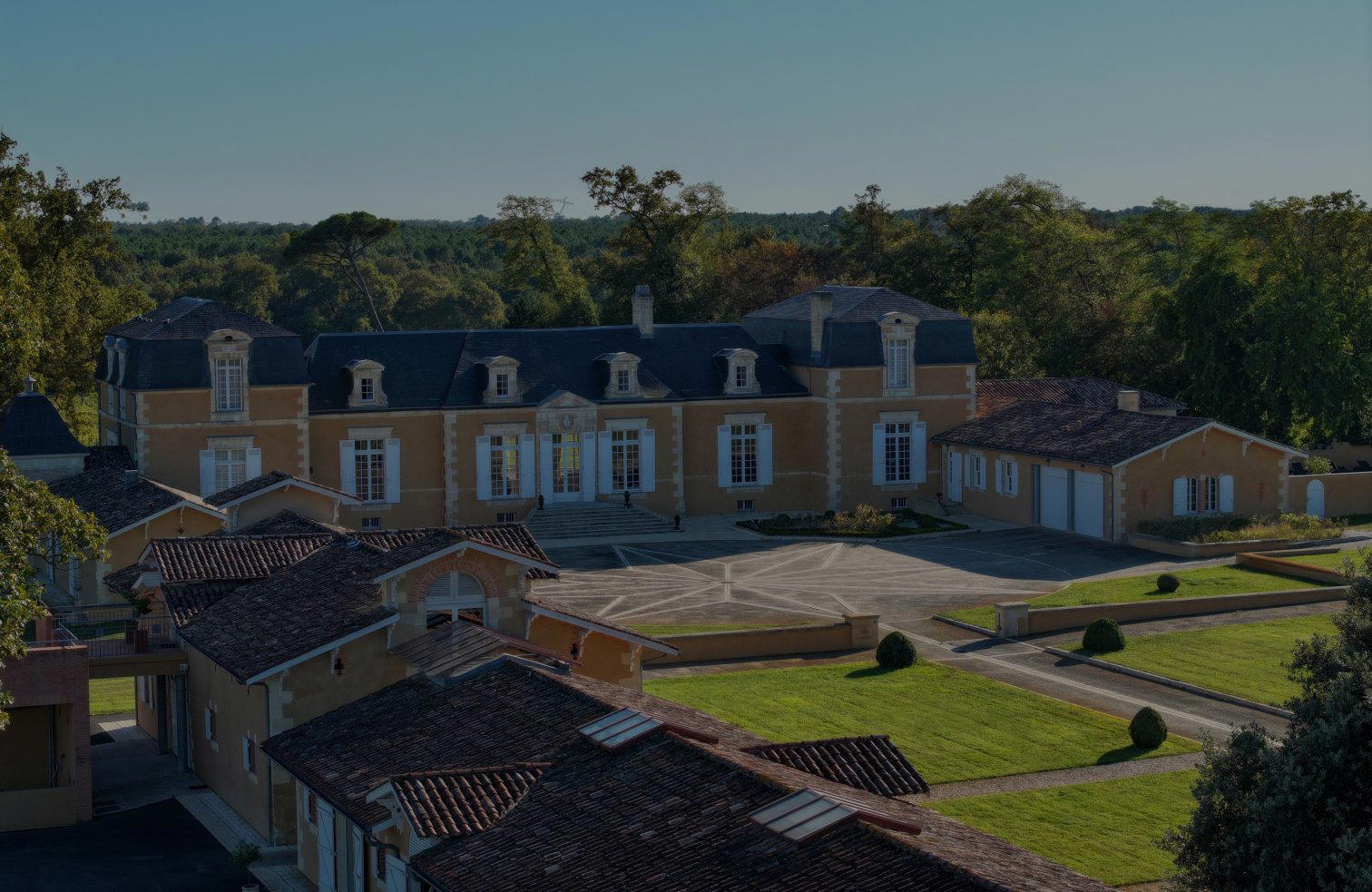
At a Glance
- Classic
- Quiet
- Scenic
- Elegant
- Solo Exploration
- Wine Education
- Vineyard
- Pessac Léognan AOC
- Cabernet Sauvignon
- Merlot
- Still Red
Historic Bordeaux estate on the highest point of Canejan with gravelly slopes, emphasizing finesse, cedar and smoky aromas; atmosphere is classic and quietly elegant, focused on serious, story-driven wines rather than tourism amenities.