Château Kressmann

Falstaff Winery - Listed
Château Kressmann is a Bordeaux négociant house in Blanquefort Cedex with roots dating to 1871 and a professional, trading-house character rather than a pastoral château-visit format. Its interest lies in the old Bordeaux bridge between merchant blending, branded regional wines, and estate stewardship tied to Graves traditions.

Pearl is the En Primeur Club membership app — saves, bookings, and concierge access live there. Same editors, same standards.
- Address
- Blanquefort CEDEX, Nouvelle-Aquitaine, Frankreich

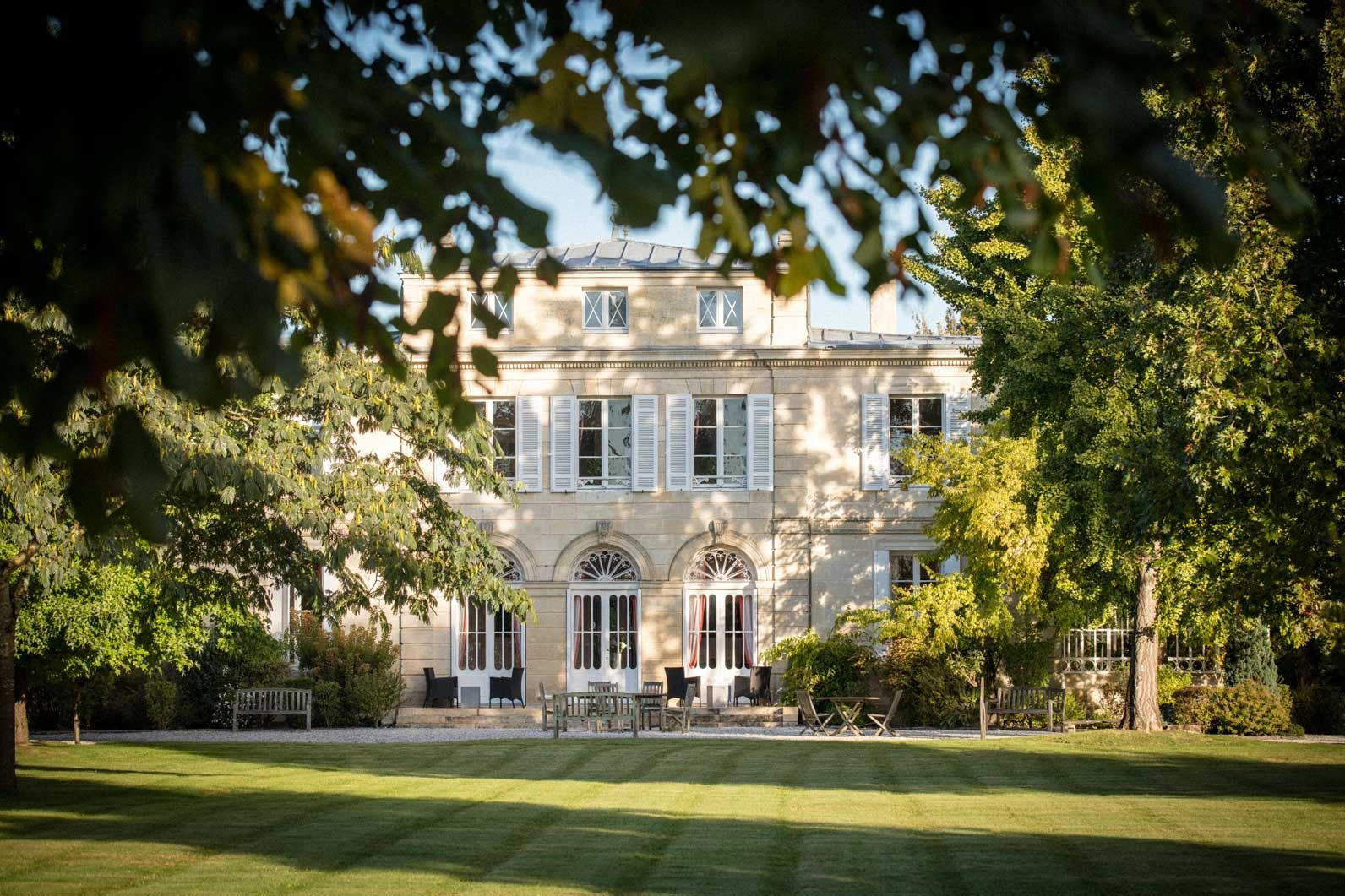
Approach Château Kressmann as a professional Bordeaux trading-house setting rather than a rural-estate experience. The read is quiet and commercial: a classic atmosphere focused on wine presentation, with less emphasis on visitor-centric scenery or countryside theatre. That makes the venue feel more connected to the language of Bordeaux wine commerce than to the postcard idea of a château visit built around lawns, views, and a leisurely estate narrative.
That distinction matters for expectations. In Blanquefort Cedex, the useful frame is not a detailed public visitor narrative, but a more restrained setting associated with Bordeaux wine commerce and presentation. Travelers should avoid assuming that the format will mirror a countryside tasting stop, because the available description points instead toward a more professional, presentation-led environment. Specific claims about production, ownership, history, visiting format, wines, or awards should be checked directly with the venue before planning around them.
A Bordeaux merchant-house atmosphere
The strongest detail is the tone of the place. Château Kressmann is best understood as a Bordeaux trading-house environment: professional, classic, and commercially oriented. In practical terms, that means the appeal rests less on spectacle and more on the atmosphere of a wine house where presentation, structure, and a sense of Bordeaux tradition carry the experience.
The price indicator is listed as $$, which gives a broad planning cue without confirming any specific tasting fee, bottle price, menu, or package. Travelers should treat the pricing label as general only and confirm current options directly with the venue. It is useful as a loose signal when comparing stops, but it should not be read as a promise of a particular format, inclusion, or cost.
That absence is important. It means the safest editorial approach is to describe the setting by its confirmed tone and category, while leaving practical and historical specifics to direct verification.
Why the format feels different from a château tasting
Visitors expecting lawns, cellar romance, and a self-contained estate ritual should adjust the frame. The description points to a professional Bordeaux commercial setting rather than a rural estate designed primarily around scenic visitor experience. The difference is subtle but significant: a traditional château tasting often trades on place, landscape, and a sense of agricultural continuity, while this profile reads more like a composed wine-business environment.
That can still be useful for travelers who are interested in the businesslike side of Bordeaux wine culture. The appeal is the classic trading-house atmosphere: focused, presentation-led, and more formal than decorative. For some visitors, that restraint may be exactly the point, especially if the goal is to understand how Bordeaux can feel beyond vineyard panoramas and tasting-room romance.
For a broader Blanquefort Cedex plan, treat Château Kressmann as one stop to verify directly rather than a fully documented public experience. Other dining, hotel, bar, winery, and activity options in Blanquefort Cedex should be researched separately and confirmed through current official sources.
How it fits into a wider European wine itinerary
Château Kressmann fits best as a Bordeaux-facing stop for travelers who want a professional, commercial wine-house context rather than only countryside scenery. The comparison should be made at the level of atmosphere and format, not through claims about specific wines, awards, production methods, or visitor programming. In a wider itinerary, it works as a reminder that European wine travel is not only about vineyards and estates; it can also include the quieter, more formal environments associated with presentation and trade.
The editorial read is simple: this is a classic, professional setting in Blanquefort Cedex with a $$ price indicator. Build the visit around that profile, and confirm any practical details directly before making plans. That confirmation step is not just administrative; it is the ideal way to align expectations with the venue’s current reality while preserving the clearer, more restrained character suggested by the available information.
Recognition history
Dated appearances from independent guides and award organizations, with the underlying list record or original source where available.
Falstaff Winery - Listed
Falstaff
Continue exploring
More in Blanquefort Cedex
Details
- Classic
- Still Red
- Still White
- Still Rosé
Professional Bordeaux trading-house setting rather than a rural estate, with a classic commercial atmosphere focused on wine presentation rather than a visitor-centric scenic experience.