
Château Hosanna belongs to the compact, high-intensity world of Pomerol, where small parcels and clay-gravel soils define the conversation more than grand architecture. Its 4.5 hectares produce a Merlot-Cabernet Franc grand vin shaped by blue clay, red gravel and iron-rich subsoil, with modern identity tied to the Moueix family since 1999.
Pearl is the En Primeur Club membership app — saves, bookings, and concierge access live there. Same editors, same standards.
- Address
- Libourne, Nouvelle-Aquitaine, Frankreich
 Saves & bookings on Pearl
Approaching Pomerol from Libourne, the scale of Bordeaux changes. The grand avenues and ceremonial château language of the Médoc give way to a quieter Right Bank grammar: low buildings, vineyard parcels pressed close together, and soils that matter more than façades. This is where Château Hosanna belongs, on the Pomerol plateau, a small estate whose importance is measured in hectares, vine age and the particular grip of clay and gravel underfoot.
Pomerol has no formal 1855-style classification to lean on, which makes land reputation unusually direct. The appellation is red-wine territory, led by Merlot with Cabernet Franc as a structural and aromatic counterweight. In that setting, Château Hosanna’s 4.5-hectare vineyard is not a broad estate proposition; it is a concentrated reading of a small plot, producing about 18,000 bottles of grand vin per year. The scale matters because scarcity here is not stagecraft. It is a consequence of parcel size.
Blue clay, red gravel and the Pomerol question of texture
The estate’s argument begins in the soil. Blue clay brings water-holding capacity, red gravel adds drainage and warmth, and iron-rich subsoil gives the kind of mineral density often associated with the central plateau. Those elements are especially suited to Merlot, the dominant grape in Pomerol, but the Cabernet Franc component is important: it can sharpen perfume, add line and keep the wine from becoming solely about breadth.
Château Hosanna is planted principally to Merlot and Cabernet Franc, with the blend typically sitting around 70–79 percent Merlot and 21–30 percent Cabernet Franc depending on vintage. That balance places the wine firmly inside the Pomerol idiom while giving it a more lifted register than heavier, Merlot-saturated examples. Average vine age of roughly 35–40 years adds another layer of concentration without requiring a large vineyard footprint.
In the cellar, the format is classical rather than experimental. Vinification takes place in temperature-controlled concrete vats, followed by malolactic fermentation and 16–22 months in French oak, with about half the barrels new. That regime supports structure and polish, but the more interesting point is restraint: in a region where power can easily dominate, Hosanna’s reputation rests on the tension between density and silk.
A modern name with an older Certan lineage
The estate’s contemporary identity dates to 1999, when Christian Moueix acquired the property formerly known as Château Certan-Giraud. The older lineage reaches back to the Certan Giraud name and to the wider Certan history of Pomerol, which gives the site a deeper regional memory than the modern label suggests. The Moueix connection also matters in Libourne, where the family firm, founded in 1937, became closely associated with Right Bank Bordeaux, particularly Pomerol and Saint-Émilion.
That history should not be read as nostalgia. Pomerol’s appeal lies partly in how little ornament it needs. A small vineyard, a clear varietal frame and a narrow production model can carry more authority here than a large visitor infrastructure. The winery’s single-grand-vin approach reinforces that discipline: no second label is presented as a softer entry point, and the production is directed toward one expression of the site.
Critical reception has helped fix the estate’s place in the collectible tier of Pomerol. The 2020 vintage received a 100-point Tastingbook score, while the 2017 vintage drew 97+/100 from Lisa Perrotti-Brown, 94–97/100 from Jeb Dunnuck and 94–96/100 from Neal Martin. Those numbers are useful not as decoration, but as evidence that the estate’s small scale has translated into sustained attention beyond the commune.
How to read it within a Libourne wine itinerary
For a traveller using Libourne as a Right Bank base, the winery is less about casual tasting-room culture than about understanding how Pomerol compresses value into land. The estate’s quiet atmosphere, small capacity and appointment-only visit type put it in the educational end of wine travel, especially for drinkers interested in soil, blend architecture and vintage variation rather than broad hospitality programming.
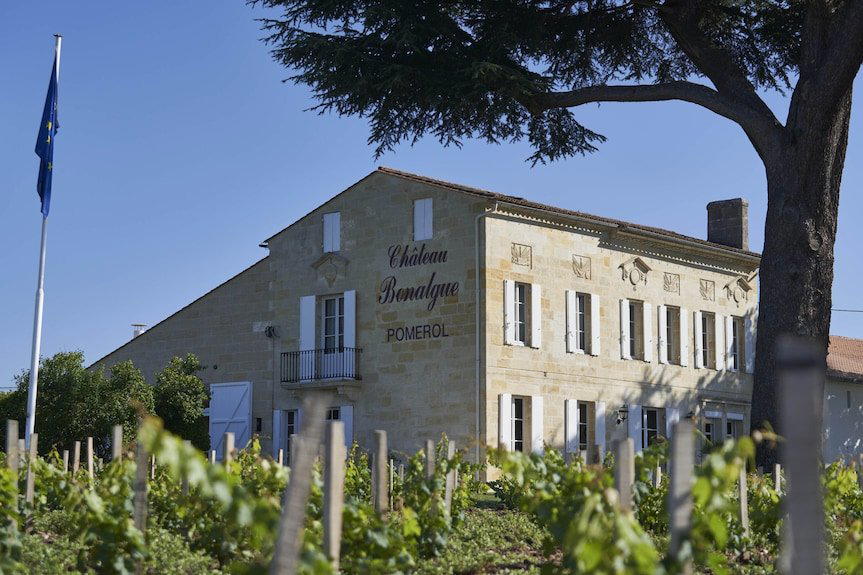
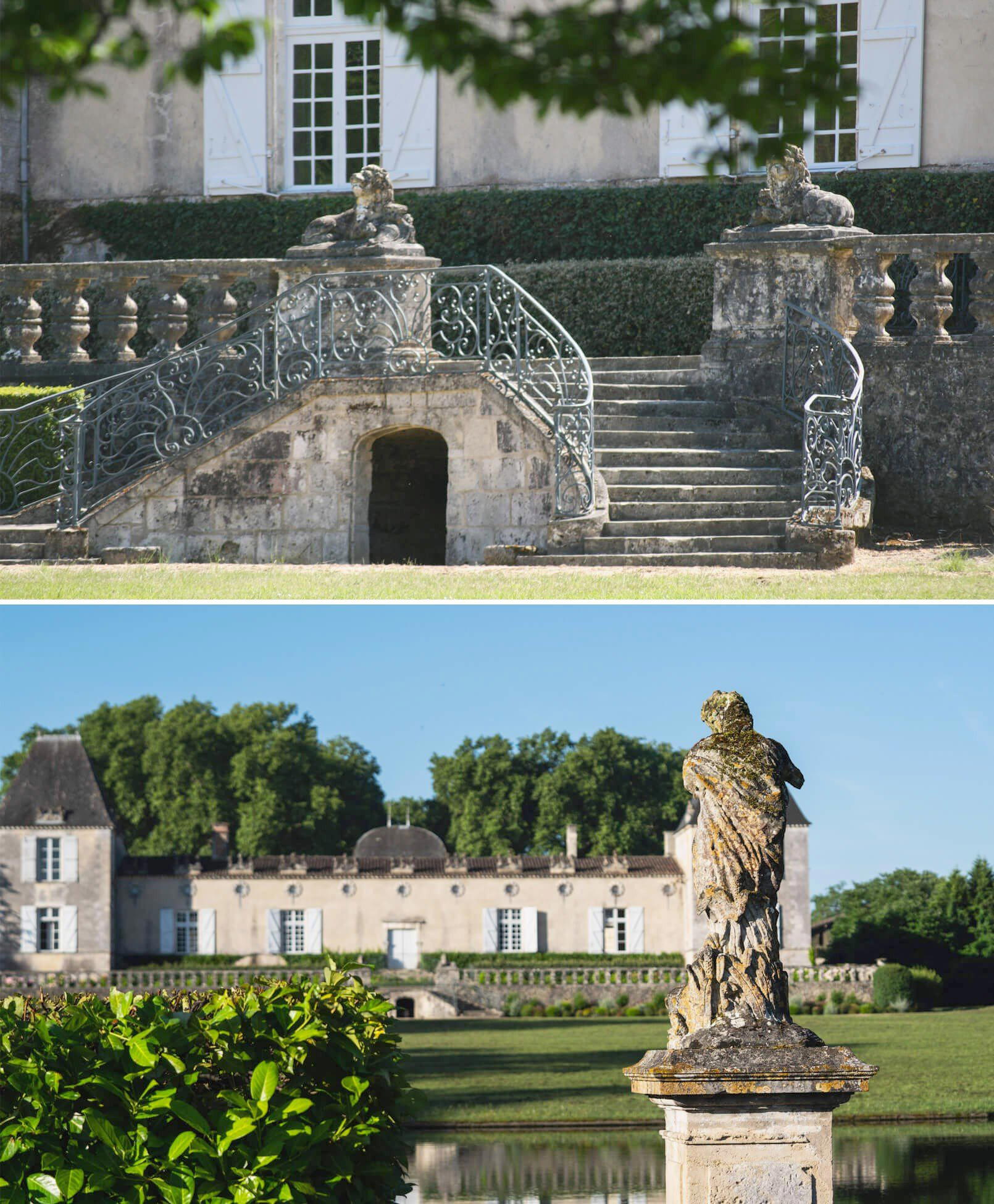
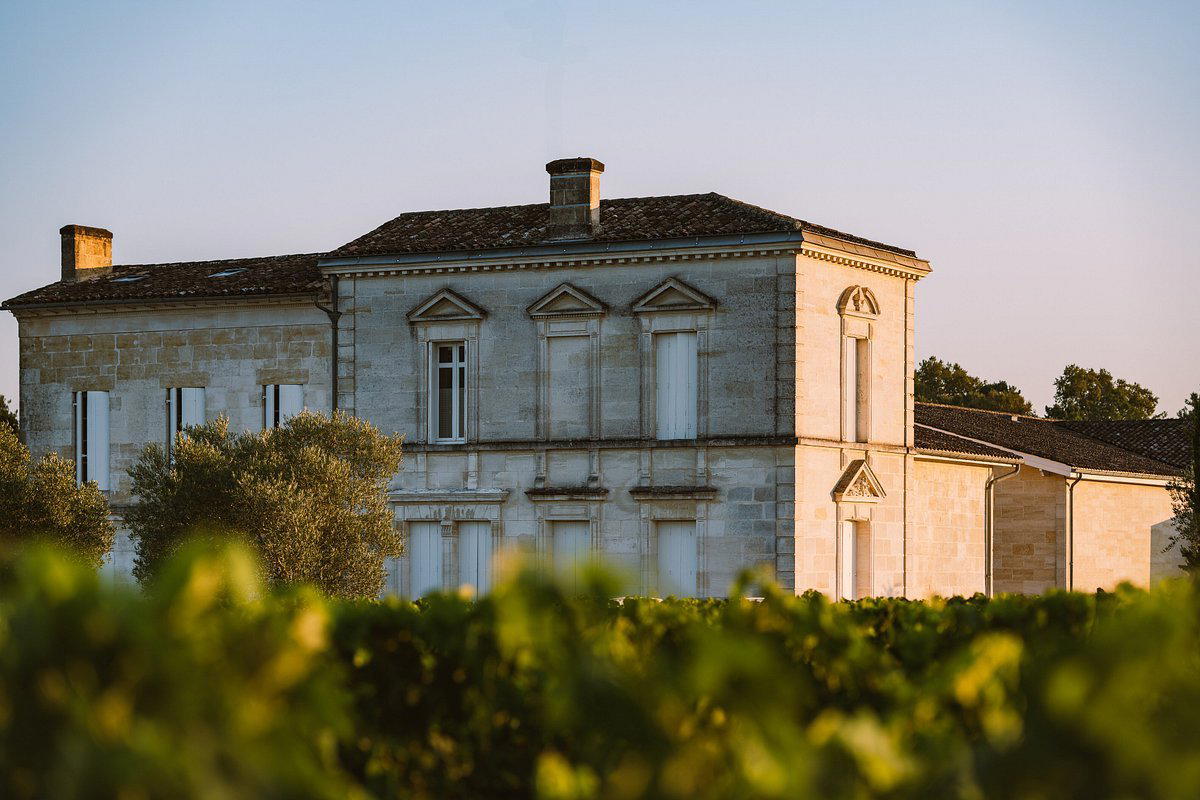
The surrounding Libourne wine map rewards that same focus. Readers building a wider route can cross-reference nearby estate pages such as Chateau Fleur de Jean Gue, Château Bonalgue, Château Certan-Giraud, Château de Sales and Château Fayat. For broader planning in the city, EP Club also keeps separate Libourne guides for wineries, restaurants, hotels, bars and experiences.
Beyond Bordeaux, the contrast with other French and European wine regions is instructive. Champagne’s grower precision at A. Margaine in Villers-Marmery, Languedoc’s monastic scale at Abbaye de Fontfroide in Narbonne, southern French blending at Abbotts & Delaunay in Marseillette, Austrian lakeside viticulture at »der Steiner« Hans Steiner in Podersdorf am See and urban wine culture at & Handwein in Mannheim all underline how specific Pomerol is: compact, red-focused and unusually dependent on minute differences in soil.
The editorial case for the winery is therefore precise. It is not a broad Bordeaux spectacle, nor a casual cellar-door stop. It is a concentrated Pomerol study: Merlot and Cabernet Franc from 4.5 hectares, shaped by clay, gravel and iron, with a modern Moueix chapter layered over an older Certan past. For travellers who care how land becomes texture, that is the point.
Recognition history
Dated appearances from independent guides and award organizations, with the underlying list record or original source where available.
Falstaff Winery - 3 Stars
Falstaff
Continue exploring
More in Libourne
Wineries in Libourne
Browse all →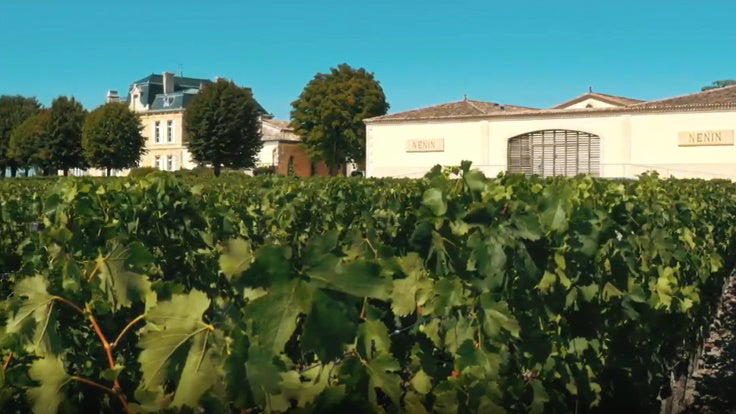
Restaurants in Libourne
Browse all →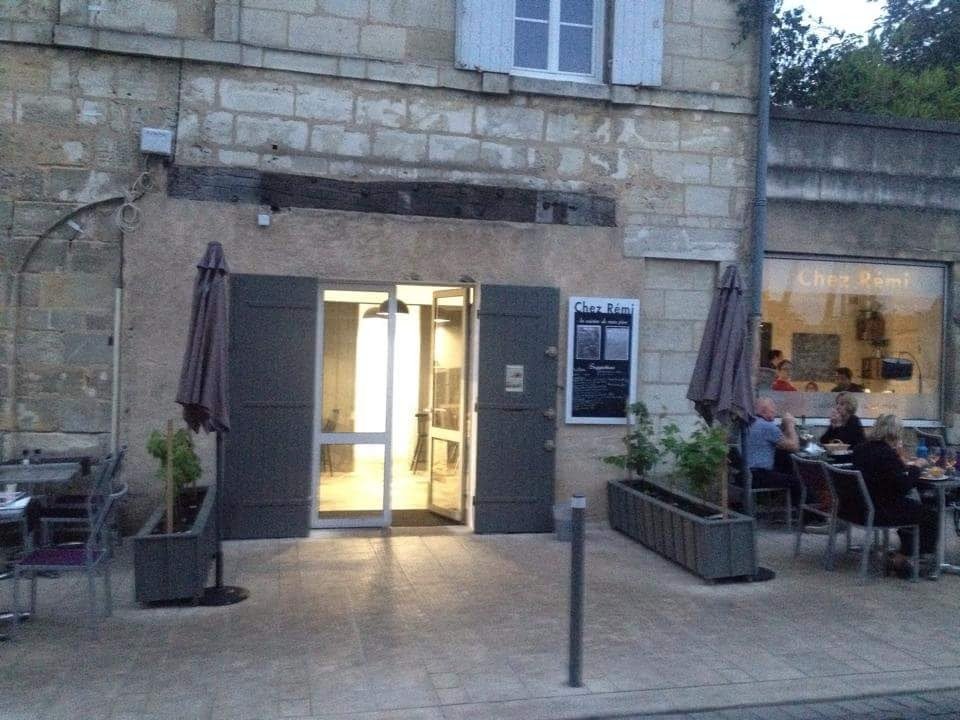
At a Glance
- Romantic
- Classic
- Well Known
- Elegant
- Intimate
- Sophisticated
- Romantic Getaway
- Special Occasion
- Wine Education
- Solo Exploration
- Estate Grounds
- Vineyard Tour
- Historic Building
- Sustainable
- Vineyard
- Pomerol AOC
- Merlot
- Cabernet Franc
- Still Red
- Bottle Samples
- Vertical Tastings
A small, jewel-like Pomerol estate known for producing elegant yet powerful Merlot‑Cabernet Franc blends with silky texture, floral aromatics, and refined tannins, often described as a feminine, charming counterpart to more muscular neighboring wines.