Château Canon Pécresse

Château Canon Pécresse belongs to the quieter, limestone-driven side of Right Bank Bordeaux: a small Canon-Fronsac estate in Saint-Michel-de-Fronsac, planted to Merlot and Cabernet Franc and farmed organically since the 2020 vintage. Its scale is part of the point, with about 4 hectares and roughly 19,000 bottles a year shaping a focused, mineral red-wine identity rather than a broad hospitality operation.
Pearl is the En Primeur Club membership app — saves, bookings, and concierge access live there. Same editors, same standards.
- Address
- Saint-Michel-de-Fronsac, Nouvelle-Aquitaine, Frankreich
 Saves & bookings on Pearl
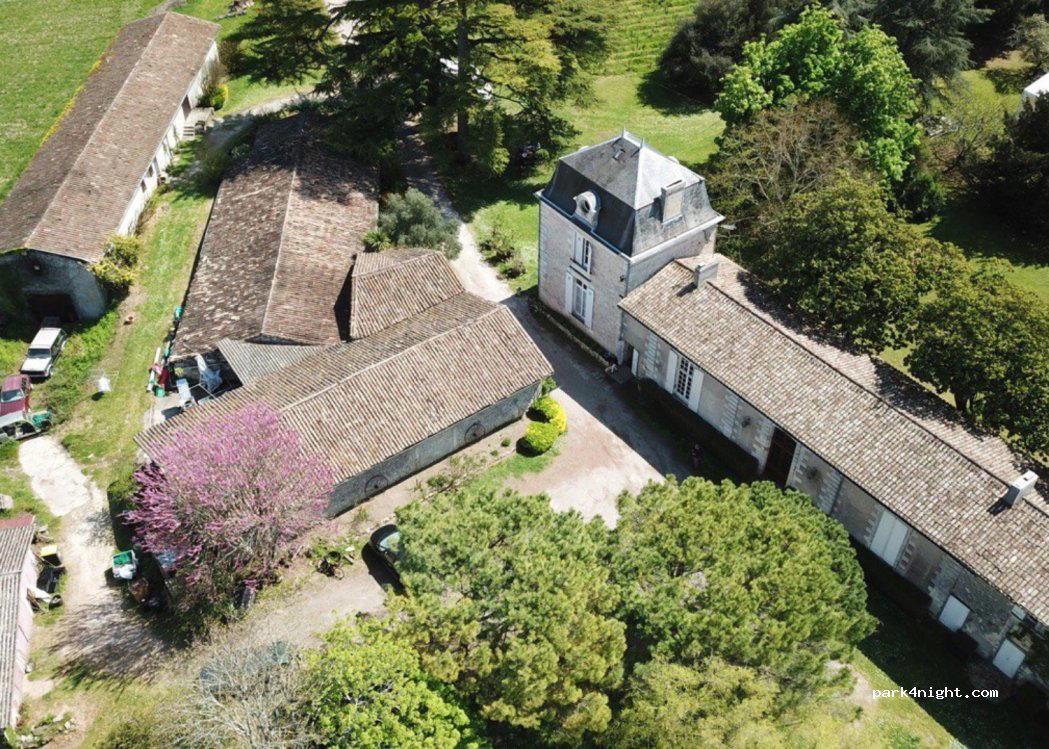
Château Canon Pécresse is a small, family-run Right Bank Bordeaux estate in Saint Michel De Fronsac. Its appeal is quiet and rural rather than showy: a scenic, classic and rustic setting, with an atmosphere that feels close to the land rather than arranged for spectacle. The estate is described as being worked “like a garden,” a phrase that suits the compact, attentive impression surrounding it. Its Canon-Fronsac reds are noted for elegance, minerality, charm, purity and freshness from limestone plateau terroir, placing the emphasis squarely on balance, restraint and a clear sense of place.
Limestone plateau character and the Canon-Fronsac register
Château Canon Pécresse is best understood through its setting in Saint Michel De Fronsac and its limestone plateau terroir. The picture is focused rather than expansive: a small Right Bank Bordeaux estate, family-run in character, producing Canon-Fronsac red wines with a mineral, elegant profile. That combination gives the estate its most useful frame. It is not presented as a broad Bordeaux showcase, but as a precise expression of a particular corner of the Right Bank.
The limestone plateau matters because it is the central descriptive anchor already associated with the wines. In this context, minerality, freshness and elegance are not decorative tasting words so much as the main vocabulary for understanding the estate. The red wines are described with charm and purity, suggesting a style that is measured, composed and more quietly persuasive than forceful. For visitors trying to understand Canon-Fronsac, that kind of register can be especially valuable: it points toward structure and clarity without losing the rural character of the place.
For travelers, the draw is not a large, highly staged Bordeaux experience. It is the intimacy of a smaller estate and the chance to consider Canon-Fronsac through a quieter, more restrained lens. The wines are described in terms of charm, purity and freshness, making the estate especially relevant for visitors interested in classic Right Bank Bordeaux character without grand-château spectacle. The appeal lies in paying attention to scale, landscape and the way a modest setting can still carry a strong identity.
Because only limited public detail is available, specifics such as grape varieties, production volume, certification status, ownership history, visit format and tasting arrangements should be confirmed directly with the estate before planning around them. That caution is part of reading the property accurately: the available profile is evocative, but not exhaustive. It supports a clear impression of style and setting, while leaving practical details to be checked at the source.
A compact estate impression, not a Bordeaux theme park
The mood around Château Canon Pécresse is intimate, scenic and rustic. It reads as a small estate in Saint Michel De Fronsac: modest in scale, family-run in spirit and closely tied to its limestone plateau setting. The language surrounding it is not about grand entrances, luxury staging or a long list of visitor amenities. Instead, the estate’s character comes through in quieter terms: garden-like care, rural atmosphere and wines shaped by freshness and minerality.
This is the kind of address that makes most sense for travelers who value atmosphere, terroir and a focused sense of place. Rather than relying on claims about menus, visitor services or formal programming, the clearest reason to pay attention is the estate’s identity as a Canon-Fronsac red-wine producer with an elegant, mineral style. Its scale is part of the attraction. A smaller, family-run estate can make the relationship between site, work and wine feel more immediate, especially for visitors who are more interested in nuance than in a heavily produced experience.
That also means expectations should be set carefully. The winery is best approached as a compact wine-country reference point rather than a complete Bordeaux itinerary in itself. The available description supports a sense of intimacy and classic rural character, but it does not support assumptions about elaborate hospitality infrastructure. In practical terms, the estate belongs on an itinerary for its terroir-driven identity and its Canon-Fronsac profile, not because it promises a broad visitor program.
Saint Michel De Fronsac can also be approached more broadly through other local dining options, but the winery itself should be read primarily as a small Right Bank Bordeaux estate with a quiet, classic character. Its role is more specific than general: it offers a lens onto limestone plateau Canon-Fronsac reds and the kind of understated estate presence that can be easy to overlook in a region often associated with grander images.
How to read it in a French wine itinerary
The winery is strongest as a study in specificity: one small family-run estate in Saint Michel De Fronsac, shaped by limestone plateau terroir and associated with elegant, fresh Canon-Fronsac reds. It is a good fit for travelers who prefer understated wine-country stops and places with a rustic, intimate feel. Within a broader French wine itinerary, its value is not breadth but focus. It gives travelers a way to think about the Right Bank through a quieter, more local register.
The editorial case is simple: the winery does not need awards, detailed production claims or elaborate visitor promises to justify attention. Its grounded appeal is its small scale, family-run identity, Right Bank Bordeaux setting and mineral Canon-Fronsac red wines marked by charm, purity and freshness. For the right traveler, those are not minor details; they are the point. The estate’s interest comes from the coherence between place, style and atmosphere, and from the way its rural restraint offers a different kind of Bordeaux experience.
Recognition history
Dated appearances from independent guides and award organizations, with the underlying list record or original source where available.
Falstaff Winery - Listed
Falstaff
Continue exploring
More in Saint Michel De Fronsac

At a Glance
- Scenic
- Classic
- Rustic
- Intimate
- Wine Education
- Solo Exploration
- Group Outing
- Special Occasion
- Romantic Getaway
- Estate Grounds
- Vineyard Tour
- Private Tasting
- Organic
- Vineyard
- Waterfront
- Canon Fronsac AOC
- Merlot
- Cabernet Franc
- Still Red
- Appointment Only Tasting
- Private Visit
Small, family-run right bank Bordeaux estate worked "like a garden," producing elegant, mineral Canon-Fronsac reds with charm, purity and freshness from its limestone plateau terroir.