Château Burgozone

Château Burgozone gives Bulgaria’s Danube Plain a clear, contemporary voice: estate-grown fruit, loess soils, river influence, and a hospitality format built around quiet tastings rather than spectacle. The draw is the combination of a 100-hectare single vineyard, PGI Danube Plain wines, guided tastings, and a river-facing estate setting near Oryahovo.
Pearl is the En Primeur Club membership app — saves, bookings, and concierge access live there. Same editors, same standards.
- Address
- Leskovets/Oryahovo, Vratsa, Bulgaria
- Directions
- Get directions
 Saves & bookings on Pearl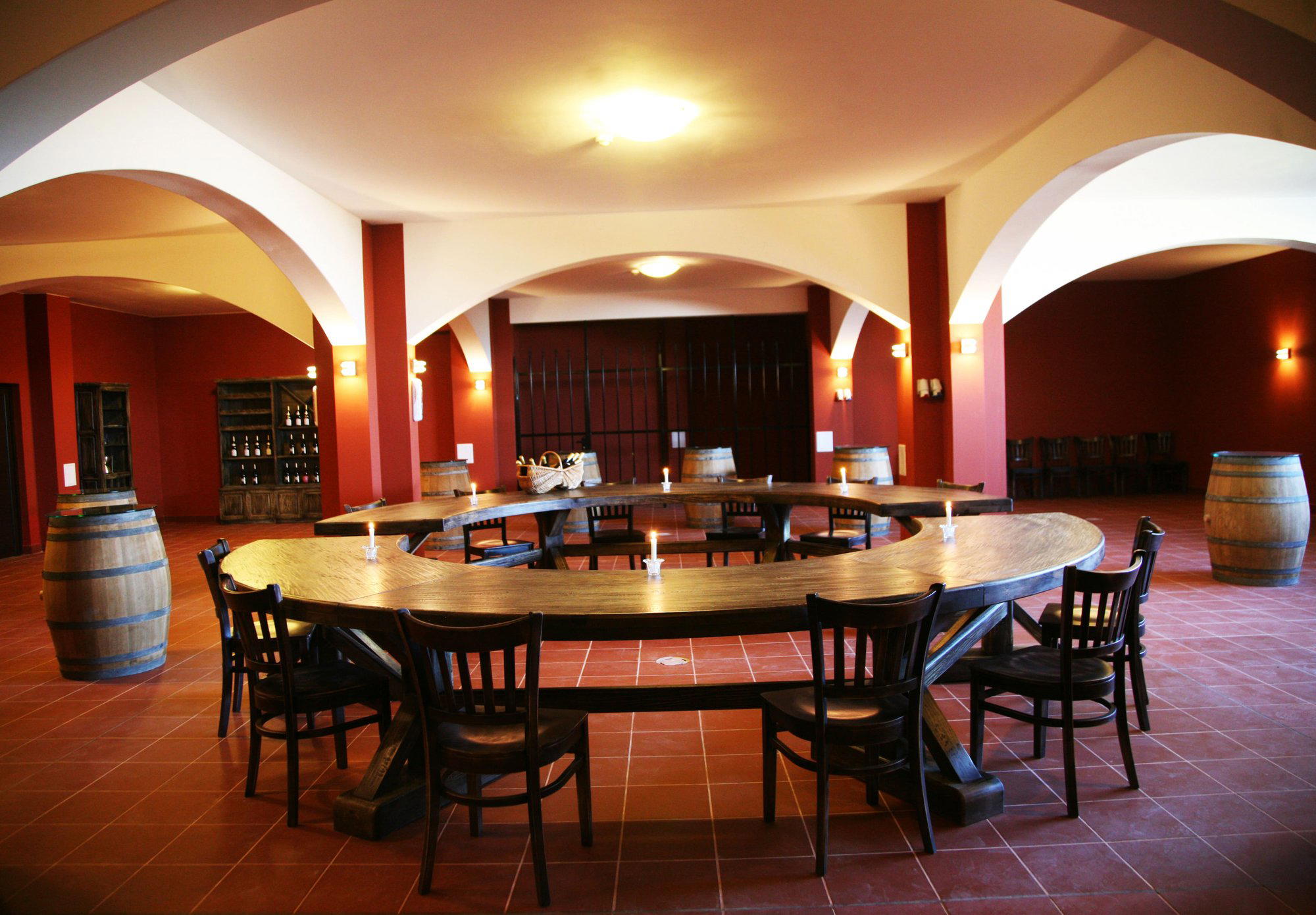
Approaching the Danube in northern Bulgaria, the wine country feels less manicured than the familiar European circuits. The river widens the horizon, vineyards take the place of theatrical cellar doors, and the mood is quiet enough for the land to do the talking. Château Burgozone belongs to this lower-volume, terroir-led side of Bulgarian wine tourism: a boutique family estate near Oryahovo, set among its own vines with views toward the Danube and the island of Esperanto.
That setting matters because the Danube Plain has a different argument to make from Bulgaria’s more familiar Thracian wine narrative. Here, loess soils, river air, and a continental climate support a portfolio that moves between international grapes and Bulgarian varieties without treating either as novelty. The estate works with Cabernet Sauvignon, Merlot, Pinot Noir, Syrah, and Chardonnay, while its broader identity is tied to Danube Plain PGI and the idea that modern Bulgarian wine can be fresh, structured, and site-specific rather than heavy or oak-led.
Loess soils, Danube air, and a single-estate argument
Bulgarian wine has spent the past two decades rebuilding its export reputation, and the more convincing producers have done it by tightening origin rather than chasing anonymous international style. Château Burgozone fits that pattern through scale with control: 100 hectares of estate-owned vineyard, hand-collected grapes, estate bottling, and a cellar capacity of 650,000 kg of grapes per year. Those numbers place it beyond a hobbyist operation, but the production logic remains tied to limited-yield ranges and single-estate fruit.
The site’s loess soils are the key technical detail. Loess can retain moisture while draining well enough for viticulture, a useful combination in continental conditions where summer heat and seasonal variation can push wines toward weight. The estate’s stated house language of freshness, fruitiness, and finesse is not just branding shorthand; it points to a style decision that makes sense for the place. Stainless steel fermentation appears in the red-wine program, while larger vessels and oak barrels are used across the cellar, giving the portfolio room for both fruit clarity and structure.
The Roman reference in the name is more than decorative. Burgozone takes its name from an ancient fortress near the vineyard complex, linked to the historic Via Istrum. In a region where wine tourism often needs a reason to slow travellers down, that historical layer gives the estate a local frame without turning the visit into a museum exercise. The stronger story is still agricultural: vines near the Danube, worked as a single source, then translated into wines that carry the PGI Danube Plain designation.
What the tasting format says about Bulgarian wine now
Hospitality model is small-format and educational: guided tastings, vineyard walks, and estate tours, with English and Bulgarian offered. Indoor tasting rooms and a summer lodge in the vines make the visit feel closer to a regional wine estate than a high-volume tourism stop. The estate’s capacity tier is small, the noise level is quiet, and the experience suits travellers who want context around soil, grape choice, and production decisions rather than a party setting.
Wine range is structured in a way that helps decode the estate quickly. Collection wines sit at the limited-yield end of the portfolio, Premium wines include terroir and varietal expressions, and Selection wines are positioned for easier drinking. That architecture is common in export-minded estates, but here it has a useful function: it lets visitors see how the Danube Plain behaves across still reds, still whites, and rosé. The presence of a wine club and shipping availability also signals that the estate is not relying only on passing tourism.
Recognition gives the project external weight. Château Burgozone has been named Golden Winery of Bulgaria by the Ministry of Economy and Trade in 2016, 2018, and 2021, and has accumulated more than 100 medals from international wine competitions. Its wines have also appeared in Michelin-starred restaurant settings, which matters for a Bulgarian producer working to be read beyond the domestic market. The more persuasive point is consistency across formats: estate control, export reach, and awards attached to wines from a region that remains under-discussed in mainstream European wine travel.
How to place it in a Leskovets Oryahovo itinerary
The winery is better read as a destination for wine education and Danube-country atmosphere than as a quick tasting-room stop. The estate is in Leskovets / Oryahovo, with on-site parking, outdoor seating, food pairing availability, and a visit format built around reservations. Tour duration is listed at 60 to 90 minutes, which is enough time for a vineyard-led conversation without turning the day into a formal seminar.
For broader planning in the city, use Our full Leskovets Oryahovo wineries guide alongside Our full Leskovets Oryahovo restaurants guide, Our full Leskovets Oryahovo hotels guide, Our full Leskovets Oryahovo bars guide, and Our full Leskovets Oryahovo experiences guide. For wider regional context, compare Bulgaria’s estate-driven wine scene through Angel's Estate in Stara Zagora, Bendida Winery in Brestovista, Bessa Valley in Sofia, Damianitza in Damjanica, Domaine Bessa Valley in Ognyanovo, Edoardo Miroglio in Nova Zagora, Logodaj in Village Of Logodaj, and Maryan Winery in Maryan. Further afield, »der Steiner« Hans Steiner in Podersdorf am See and & Handwein in Mannheim offer useful contrast for how smaller European producers frame place, hospitality, and bottle identity.
Recognition history
Dated appearances from independent guides and award organizations, with the underlying list record or original source where available.
Falstaff Winery - Listed
Falstaff
At a Glance
- Scenic
- Elegant
- Romantic
- Quiet
- Group Outing
- Romantic Getaway
- Wine Education
- Special Occasion
- Solo Exploration
- Vineyard Tour
- Estate Grounds
- Waterfront
- Terrace
- Panoramic View
- Sustainable
- Waterfront
- Vineyard
- Danube Plain PGI
- Cabernet Sauvignon
- Merlot
- Pinot Noir
- Syrah
- Chardonnay
- Still Red
- Still White
- Still Rosé
- Guided Tasting
- Vineyard Walk
- Estate Tour
Boutique family winery with a calm, scenic atmosphere overlooking the Danube River and vineyards, offering intimate indoor tasting rooms and a summer lodge in the vines for a relaxed, nature-focused experience.