Château Bellisle Mondotte

Château Bellisle Mondotte is a small Saint-Émilion Grand Cru estate in Saint-Laurent-des-Combes, working 4–4.5 hectares of clay-limestone slope with Merlot and Cabernet Franc. The appeal is terroir over theatre: organic certification from 2012, biodynamic practice from the 2015 vintage, manual harvest, French oak élevage, and a quiet vineyard setting built for focused wine education rather than spectacle.
Pearl is the En Primeur Club membership app — saves, bookings, and concierge access live there. Same editors, same standards.
- Address
- Saint-Laurent-des-Combes, Libournais, Nouvelle-Aquitaine, Frankreich
 Saves & bookings on Pearl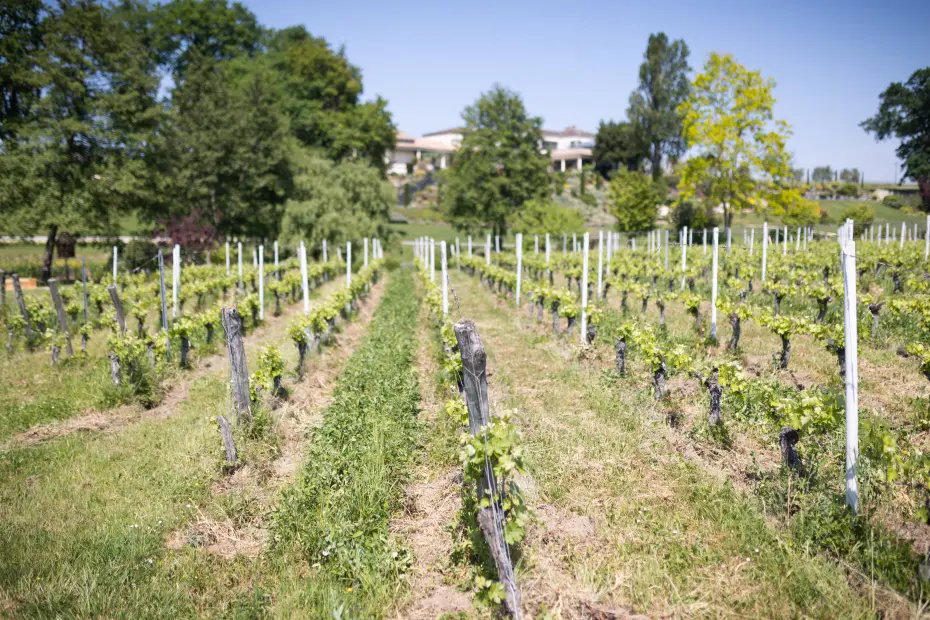
Approach Saint-Laurent-des-Combes and the drama is in the slope. Château Bellisle Mondotte is presented as a small organic Grand Cru estate on the steep Saint-Émilion slopes, with a calm, rural vineyard atmosphere and a focus on terroir-driven red wine. The setting is part of the point: this is not described through spectacle or a crowded list of visitor features, but through the land, the incline and the quiet seriousness of a vineyard whose identity is tied to where it sits.
The picture is intentionally concise: this is a small Grand Cru property in Saint-Laurent-des-Combes, working in an organic vineyard setting and using a traditional cellar with French oak barrels for élevage. The style to expect is ornate yet refined rather than showy or heavily programmatic. In EP Club terms, that makes Château Bellisle Mondotte a venue to read carefully: the available details are few, but they point consistently toward scale, slope, cellar discipline and a red-wine profile shaped by terroir rather than hospitality theatre.
Steep Saint-Émilion slopes and a terroir-led red-wine focus
Château Bellisle Mondotte is best understood through place. The draw is not a broad hospitality complex or a long list of amenities, but the estate’s position on the steep slopes around Saint-Laurent-des-Combes and its emphasis on terroir-driven Grand Cru red wine. The word “steep” does real work here, because it frames the estate as part of the more dramatic side of the Saint-Émilion landscape, where vineyard character is read through exposure, gradient and the physical presence of the slope.
The cellar profile is traditional, with French oak barrels used for élevage. That detail matters because the estate’s identity is built around the relationship between vineyard character, barrel maturation and a red-wine style described as ornate yet refined. French oak is not presented here as an isolated technical flourish, but as part of a conventional cellar language: the wine’s development is linked to time in barrel, while the broader promise remains one of balance, polish and expression rather than excess.
Beyond those essentials, specific claims about grape varieties, production volumes, vintage notes, winemaking timings, tour languages, visit formats or service details are not part of the public record here. EP Club therefore treats the winery as a focused, thin-data listing: a small organic Grand Cru estate in Saint-Laurent-des-Combes with a scenic, rural setting and a serious cellar emphasis. That restraint is useful. It prevents the estate from being over-described and keeps attention on the elements that are actually supported: organic vineyard context, Grand Cru status, steep Saint-Émilion slopes, traditional élevage and a red-wine identity that aims for richness without losing refinement.
A quiet estate profile rather than a broad hospitality program
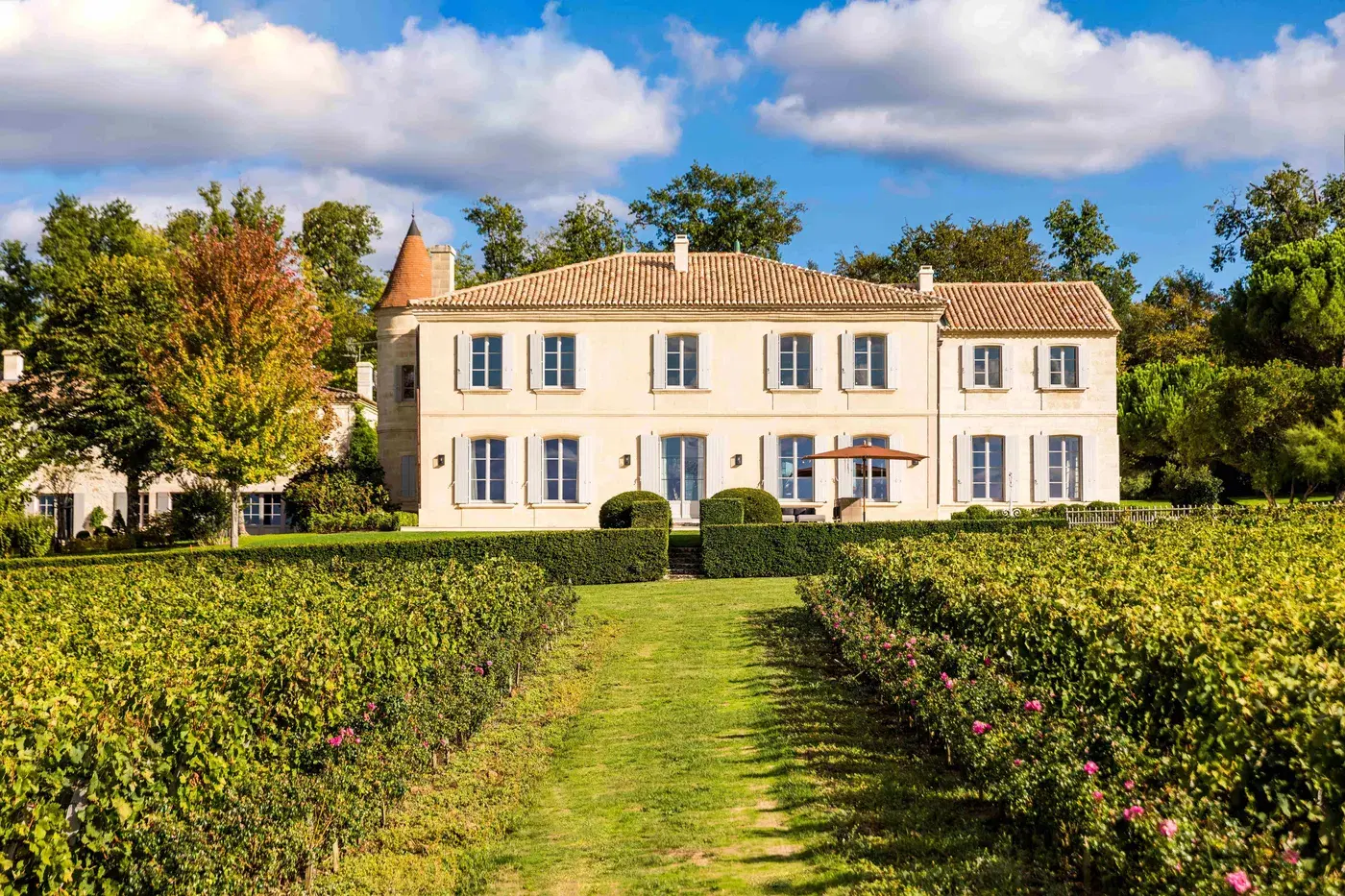
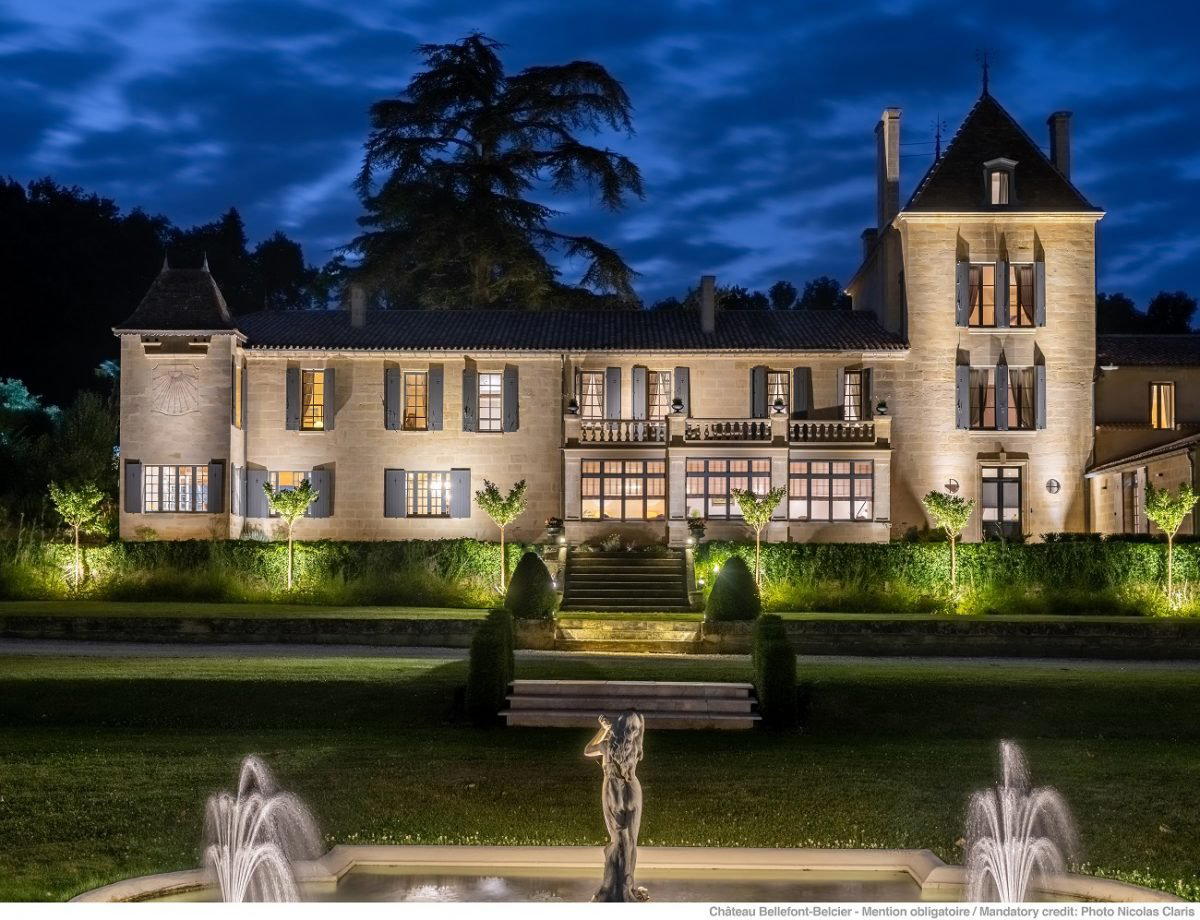
Reliable expectation is atmosphere: classic, scenic and rural. The winery suits readers looking for a calm vineyard setting in Saint-Laurent-des-Combes, especially those interested in how a small organic Grand Cru estate expresses its slope and cellar work. The appeal is therefore more contemplative than performative. It is the kind of listing that belongs in an itinerary for people who want the feel of the vineyard landscape and the logic of the cellar to matter as much as any formal visitor experience.
Those points should be checked directly before planning a visit. This is especially important for a small estate profile, where the absence of confirmed information should not be interpreted as a promise of availability. The responsible approach is to treat the winery as a serious wine address first and to verify any practical arrangements before building firm plans around it.
Readers building a broader Saint-Laurent-des-Combes route can compare the winery with other local dining options generically, while keeping this estate’s identity clear: small scale, organic Grand Cru vineyard setting, French oak élevage and a quiet rural atmosphere. In that context, it works well as a counterpoint to more elaborate stops. Its value is not in a declared list of services, but in the clarity of its core profile and the way that profile reflects a precise corner of the Saint-Émilion landscape.
Why it matters in a Saint-Émilion itinerary
The case for the winery is strongest for travellers who care about place rather than spectacle. Its appeal rests on steep Saint-Émilion slopes, an organic Grand Cru estate profile, a traditional cellar and French oak barrel aging. Those elements give the listing a compact but coherent identity: vineyard, slope, barrel and red-wine style all point in the same direction, toward a terroir-led reading of Saint-Laurent-des-Combes.
In a region where château names and reputations can easily become the main story, this listing is more useful as a focused reference point: the winery represents a calm, scenic, terroir-led expression of Saint-Laurent-des-Combes, with ornate yet refined reds at the center of its identity. For EP Club readers, the practical takeaway is measured but meaningful. This is not a page built on expansive claims; it is a concise portrait of a small organic Grand Cru estate whose significance lies in the combination of rural quiet, steep Saint-Émilion terrain and traditional cellar work.
Recognition history
Dated appearances from independent guides and award organizations, with the underlying list record or original source where available.
Falstaff Winery - Listed
Falstaff
Continue exploring
More in Saint-Laurent-des-Combes

At a Glance
- Classic
- Scenic
- Rustic
- Intimate
- Romantic Getaway
- Group Outing
- Wine Education
- Special Occasion
- Solo Exploration
- Estate Grounds
- Vineyard Tour
- Barrel Room
- Organic
- Biodynamic
- Sustainable
- Vineyard
- Saint Emilion Grand Cru AOC
- Merlot
- Cabernet Franc
- Still Red
- Standard Tasting
- Vineyard Tour And Tasting
Small organic Grand Cru estate on the steep Saint-Emilion slopes, focused on terroir-driven, ornate yet refined reds, with a traditional cellar using French oak barrels for élevage and a calm, rural vineyard atmosphere.