
Falstaff Winery - Listed
Cave Monge Granon is a family-run sparkling wine cellar in Vercheny, focused on Clairette de Die and Crémant de Die from the Diois Valley. The appeal is not polished château theatre but a working-cellar reading of mountain-influenced sparkling wine: Muscat, Clairette, Aligoté and Chardonnay shaped by clay-limestone soils, steep vineyards and a biodynamic production philosophy.

Pearl is the En Primeur Club membership app — saves, bookings, and concierge access live there. Same editors, same standards.
- Address
- Vercheny, Clairette de Die, Auvergne-Rhône-Alpes, Frankreich
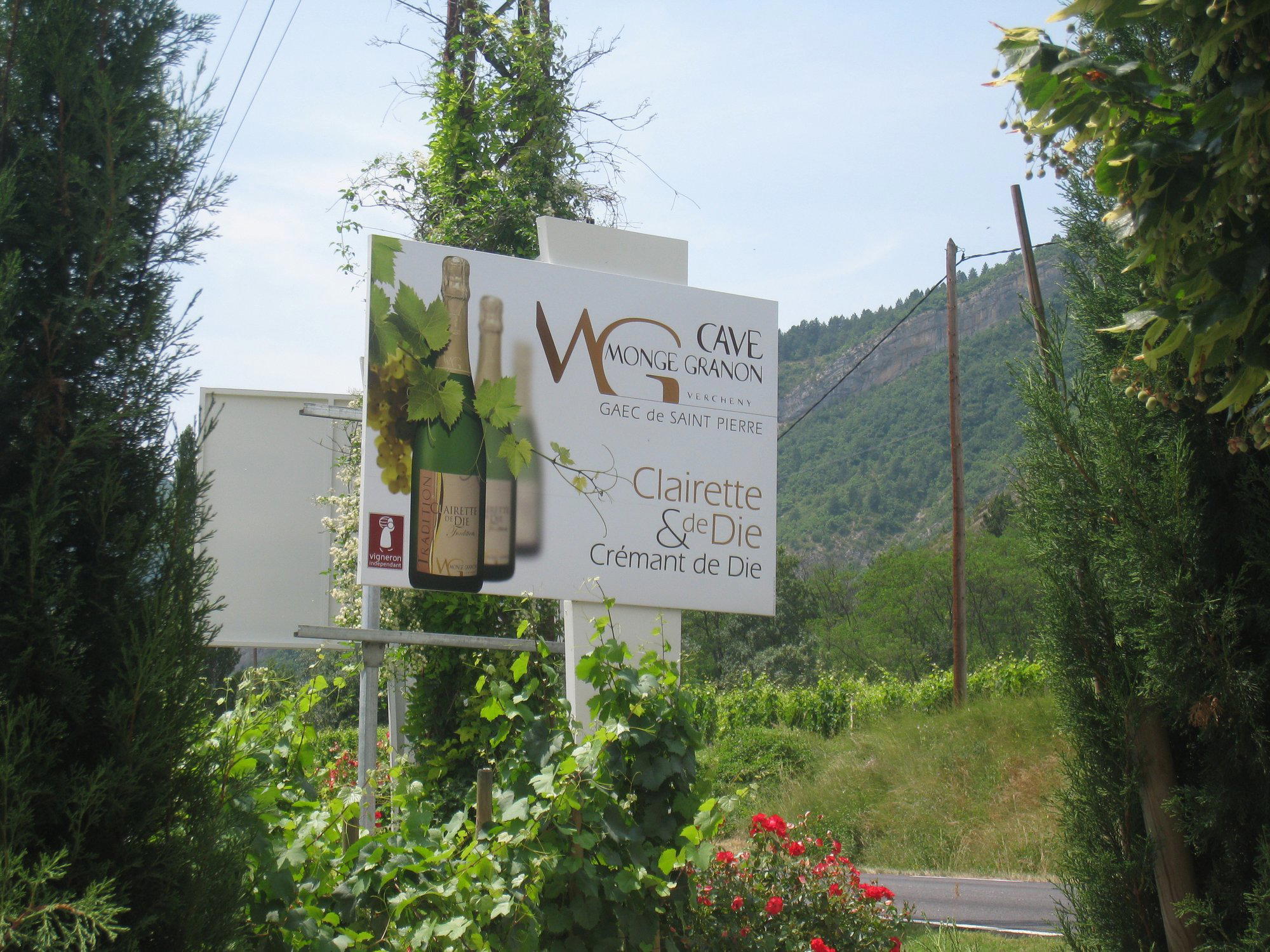
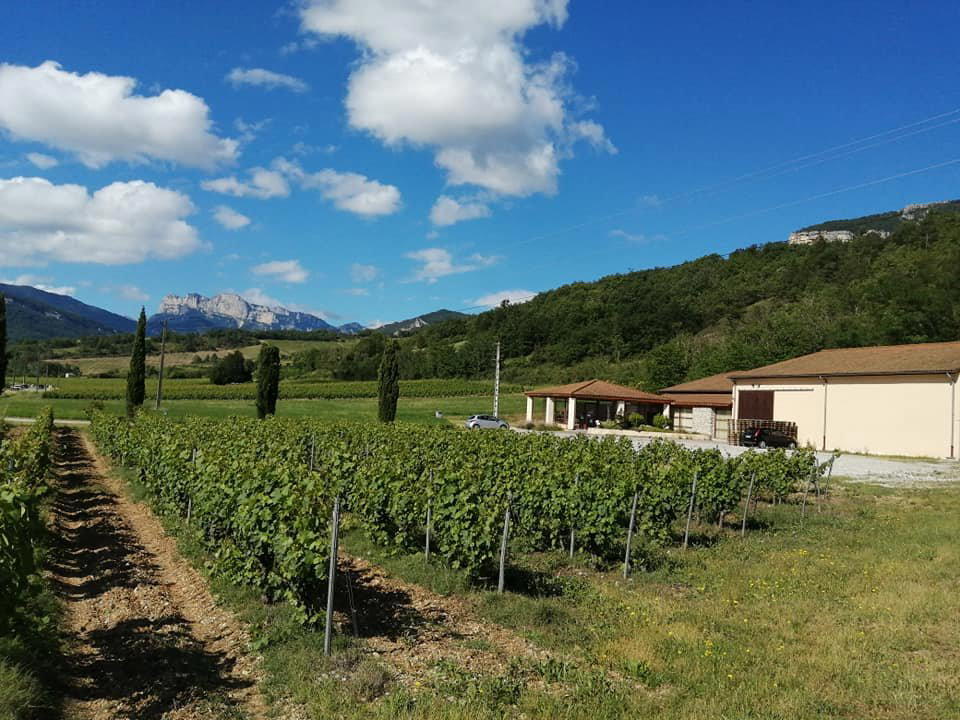
Cave Monge Granon is a family-run sparkling wine cellar in Vercheny, in the Diois Valley. Its appeal is direct and unpolished: an older industrial building, a simple functional feel, and a relaxed atmosphere focused on the local sparkling wines that define this part of the region. The point is not to dress the visit in grandeur, but to let the setting and the wines speak in a more direct register.
The cellar’s core focus is Clairette de Die and Crémant de Die. Rather than presenting itself as a luxury wine-tourism destination, Cave Monge Granon reads as an authentic local stop for visitors who want to understand the Diois through its sparkling wine culture. It is the kind of place where the value lies in proximity to the region’s everyday wine identity, not in theatrical hospitality or a highly polished sense of occasion.
Mountain sparkling wine without the château performance
The useful lens here is not grandeur, but place. Cave Monge Granon is grounded in Vercheny and the Diois Valley, with an emphasis on Clairette de Die and Crémant de Die rather than a broad hospitality concept or a staged destination-winery experience. That gives the cellar a narrower but clearer purpose: it is about the sparkling wines associated with this area, presented in a way that feels close to their local context.
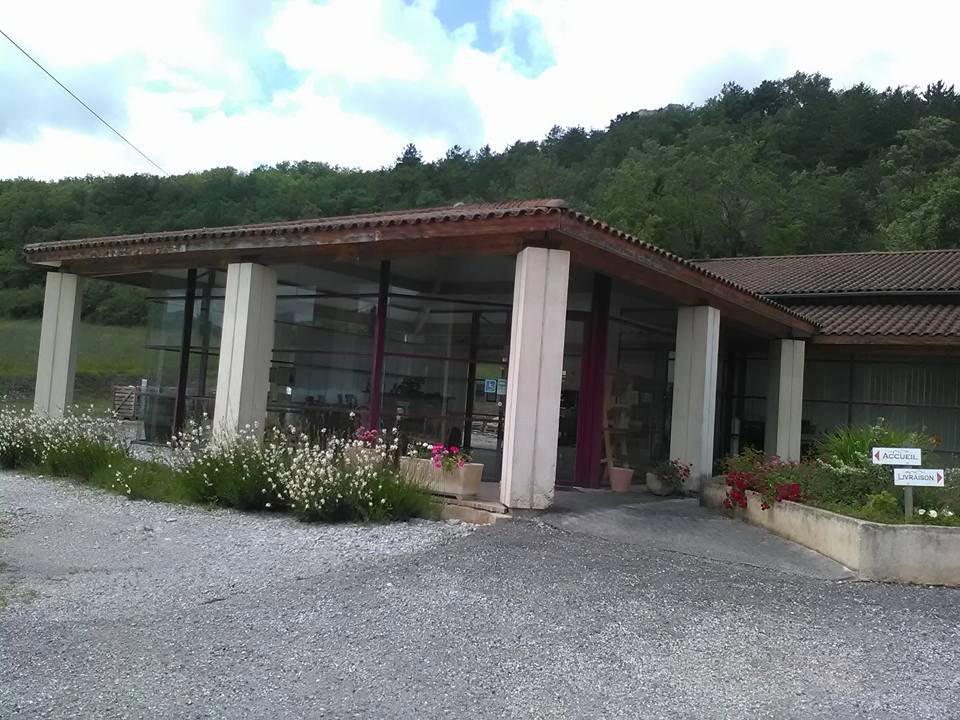
Setting matters because it shapes expectations. The cellar is housed in an older industrial building, so the mood is simple, practical and relaxed. Visitors should expect a working-cellar character rather than ornate architecture or a polished château-style presentation. This does not make the experience lesser; it simply places it in a different category, closer to a functional regional address than to a carefully choreographed wine-tourism venue.
For travellers interested in local sparkling wine, that straightforwardness is part of the point. Cave Monge Granon offers a clear way to engage with two key Diois expressions: Clairette de Die and Crémant de Die. The visit is likely to appeal most to people who are comfortable with modest surroundings and who find interest in the relationship between a wine style, a valley and a town, rather than in luxury cues or elaborate scenic framing.
What the cellar experience teaches about the Diois
Cave Monge Granon is best understood as a low-key introduction to the Diois Valley’s sparkling-wine identity. The experience is less about spectacle and more about the cellar’s regional focus, family-run character and connection to Vercheny. In that sense, it gives visitors a practical entry point into the area: not an exhaustive explanation of the whole valley, but a concentrated encounter with the sparkling wines that help define it.
The draw is the focus on Clairette de Die and Crémant de Die. Those two names are central to understanding why this kind of cellar matters in Vercheny, and they keep the experience rooted in the Diois rather than in a generic wine-country template. Beyond that, specific claims about production scale, vineyard methods, grape composition, tasting formats or visitor services should be checked directly with the cellar before planning a visit. That caution is important, because the appeal described here rests on the confirmed character of the place, not on assumptions about what every visit will include.
Visitors should expect an authentic, functional atmosphere rather than a highly designed hospitality scene. It suits travellers who prefer a grounded regional wine stop and who are interested in the local sparkling wines associated with the Diois Valley. The relaxed atmosphere also helps frame the cellar as an accessible stop: a place to approach with curiosity about the region’s wine culture, not with expectations of luxury design, formal ceremony or an expansive visitor complex.
Reading Vercheny through its cellar network
Cave Monge Granon makes sense as part of Vercheny’s wider wine context, but it should be considered on its own strengths: a family-run sparkling wine cellar, a relaxed atmosphere, an older industrial setting and a focus on Clairette de Die and Crémant de Die. Those qualities are modest, but they are also coherent. Together, they point to a cellar whose identity comes from local rootedness and directness rather than from spectacle.
For broader trip planning, compare Cave Monge Granon with other dining, wine and travel options in Vercheny generically, and confirm practical details directly before visiting. That approach keeps expectations balanced: use the cellar as a grounded sparkling-wine stop within the Diois Valley, then build the rest of the itinerary around confirmed logistics and the wider local context.
Recognition history
Dated appearances from independent guides and award organizations, with the underlying list record or original source where available.
Falstaff Winery - Listed
Falstaff
Continue exploring
More in Vercheny
Details
- Scenic
- Rustic
- Classic
- Intimate
- Group Outing
- Wine Education
- Solo Exploration
- Romantic Getaway
- Cave Tasting
- Estate Grounds
- Private Tasting
- Organic
- Biodynamic
- Sustainable
- Mountain
- Vineyard
- French
Family-run sparkling wine cellar in the Diois Valley with a relaxed, authentic atmosphere focused on showcasing Clairette de Die and Crémant de Die; the cellar is housed in an older industrial building, giving a simple, functional feel rather than a polished design-destination vibe.