Cascina Nuova

Falstaff Winery - Listed
Cascina Nuova gives Barbera a focused Monferrato frame: organic Nizza DOCG from Castel Boglione, shaped by calcareous marl, wood aging, and the cooperative scale of Araldica Castelvero. The appeal is not spectacle but agricultural clarity, with a quiet winery setting and a portfolio that reads Piedmont through Nizza rather than through Nebbiolo mythology.

Pearl is the En Primeur Club membership app — saves, bookings, and concierge access live there. Same editors, same standards.
- Address
- Castel Boglione, Piedmont, Italien

Cascina Nuova is a winery in Castel Boglione with a quiet, rustic, and classic character. The picture is narrow but useful: this is an organic winery environment focused on Barbera and Nizza DOCG wines from Castel Boglione, with a production style that emphasizes wood aging, aromatic depth, and a biodiverse, environmentally respectful vineyard approach. In practical editorial terms, the venue is strongest when described through that compact set of confirmed details rather than through a larger hospitality story that has not been established.
Rather than presenting Cascina Nuova through claims about services, awards, ownership, or a detailed visitor format, it is best read through the facts that are confirmed. The essential draw is the combination of Barbera, Nizza DOCG, wood-aged structure, and a calm winery setting in Castel Boglione. That makes it a venue whose appeal is more about focus and atmosphere than breadth: a clear local wine identity, a restrained rural mood, and a production profile that can be understood without stretching beyond what is known.
Organic Nizza DOCG puts Barbera at the centre of the argument
Cascina Nuova’s confirmed identity is built around Barbera and Nizza DOCG wines from Castel Boglione. That focus gives the venue a clear place in a wine-focused itinerary for readers interested in Castel Boglione without needing to add unsupported detail about production scale, awards, vineyard figures, or formal tasting arrangements. It also keeps the editorial lens usefully precise: Cascina Nuova is not being framed as a catch-all destination, but as a winery whose main argument begins with Barbera and stays close to that theme.
The style is described through wood aging and aromatic depth. Those are the grounded reference points for understanding the wines: Barbera is the core grape, Nizza DOCG is the key appellation context, and the winery environment is organic, biodiverse, and environmentally respectful. Wood aging suggests a concern with structure and development, while aromatic depth gives a broad but meaningful sense of the profile without forcing unsupported tasting language. Together, those details provide enough texture to understand why the winery belongs in a serious Castel Boglione wine conversation.
The most reliable expectation is not a claimed menu, score, service format, or hospitality package, but a quiet winery atmosphere shaped by Barbera and Nizza DOCG. Cascina Nuova is therefore most compelling as a focused Castel Boglione wine entry rather than as a broadly defined leisure venue. Its value on the page comes from clarity: a specific place, a specific grape focus, a recognized appellation context, and an organic approach that gives the entry coherence without needing embellishment.
Castel Boglione, Barbera, and a quiet winery setting
Location context is Castel Boglione. Within that setting, Cascina Nuova’s character is rustic, classic, and quiet, with an organic winery environment rather than a highly staged hospitality identity. That distinction matters because it sets expectations in a measured way. The venue reads as a calm wine address grounded in place, not as a destination defined by spectacle, elaborate programming, or a list of visitor-facing promises.
Production style is centered on wood aging and aromatic depth. Those details are enough to frame the wines honestly without inventing specific tasting notes, vineyard elevations, soil types, planting densities, award results, or vintage scores that are not part of the confirmed record. They also help avoid the common problem of over-describing a winery from limited information. The available facts point toward structure, aroma, and a classic sensibility, and that is the safest and most useful way to present the venue.
Biodiverse, environmentally respectful vineyard approach is also part of the confirmed identity. That makes Cascina Nuova relevant for readers who care about how wine production relates to farming choices, not only how a bottle is positioned commercially. The organic setting and biodiversity emphasis give the winery a wider context, connecting the Barbera and Nizza DOCG focus to the way the surrounding vineyard environment is understood and described.
How to read Cascina Nuova inside a Castel Boglione wine itinerary
Cascina Nuova fits a slower Castel Boglione itinerary built around wine rather than spectacle. The atmosphere is quiet, rustic, and classic, and the strongest confirmed reason to research it is its focus on Barbera and Nizza DOCG wines from Castel Boglione. For a reader planning around wine, that is enough to make the venue legible: it offers a defined local angle, an organic winery context, and a style shaped by wood aging and aromatic depth.
When comparing options, keep the frame local and modest: other dining or wine-related stops in Castel Boglione may round out a trip, but Cascina Nuova’s own identity is specific enough to stand on its own. It is an organic winery environment with Barbera at the center and a production style shaped by wood aging, aromatic depth, and respect for biodiversity. The best comparison is therefore not against broad hospitality venues, but against other places where the core question is wine character, vineyard approach, and the feel of the setting.
For EP Club readers mapping the area, Cascina Nuova is best treated as a concise, wine-focused entry: price level $$, Castel Boglione location, and a calm organic winery character. Its profile is deliberately compact, but not thin: the confirmed elements align neatly around Barbera, Nizza DOCG, wood-aged structure, aromatic depth, and an environmentally respectful vineyard approach.
Recognition history
Dated appearances from independent guides and award organizations, with the underlying list record or original source where available.
Falstaff Winery - Listed
Falstaff
Continue exploring
More in Castel Boglione
Wineries in Castel Boglione
Browse all →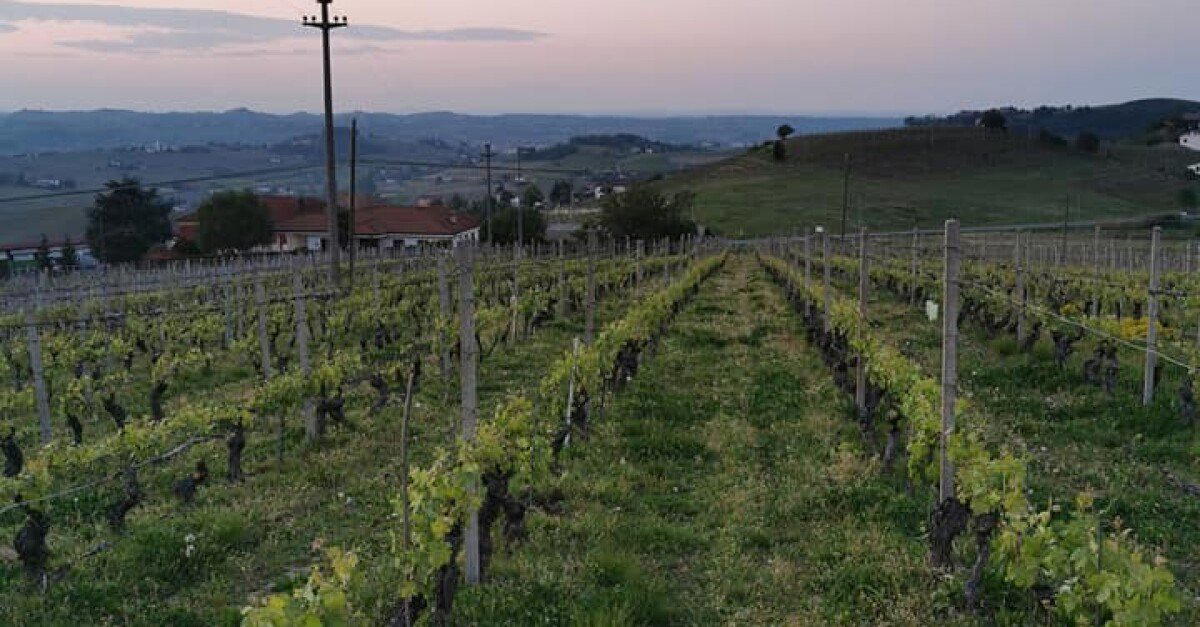
Details
- Rustic
- Classic
- Quiet
- Wine Education
- Special Occasion
- Solo Exploration
- Historic Building
- Organic
- Vineyard
- Barbera
- Still Red
- Tasting
Organic winery environment focused on Barbera and Nizza DOCG wines from Castel Boglione, with a production style emphasizing wood aging, aromatic depth, and a biodiverse, environmentally respectful vineyard approach.