Cascina Ca' Rossa

Cascina Ca' Rossa is a small, family-run organic winery in Canale d'Alba, framed by the sandy hills and Roero DOCG vineyard culture of Piedmont. The interest here is terroir rather than spectacle: Nebbiolo, Arneis, Barbera and Brachetto are treated as readings of place, with organic farming and parcel identity carrying the argument.
Pearl is the En Primeur Club membership app — saves, bookings, and concierge access live there. Same editors, same standards.
- Address
- Canale d'Alba, Piedmont, Italien
 Saves & bookings on Pearl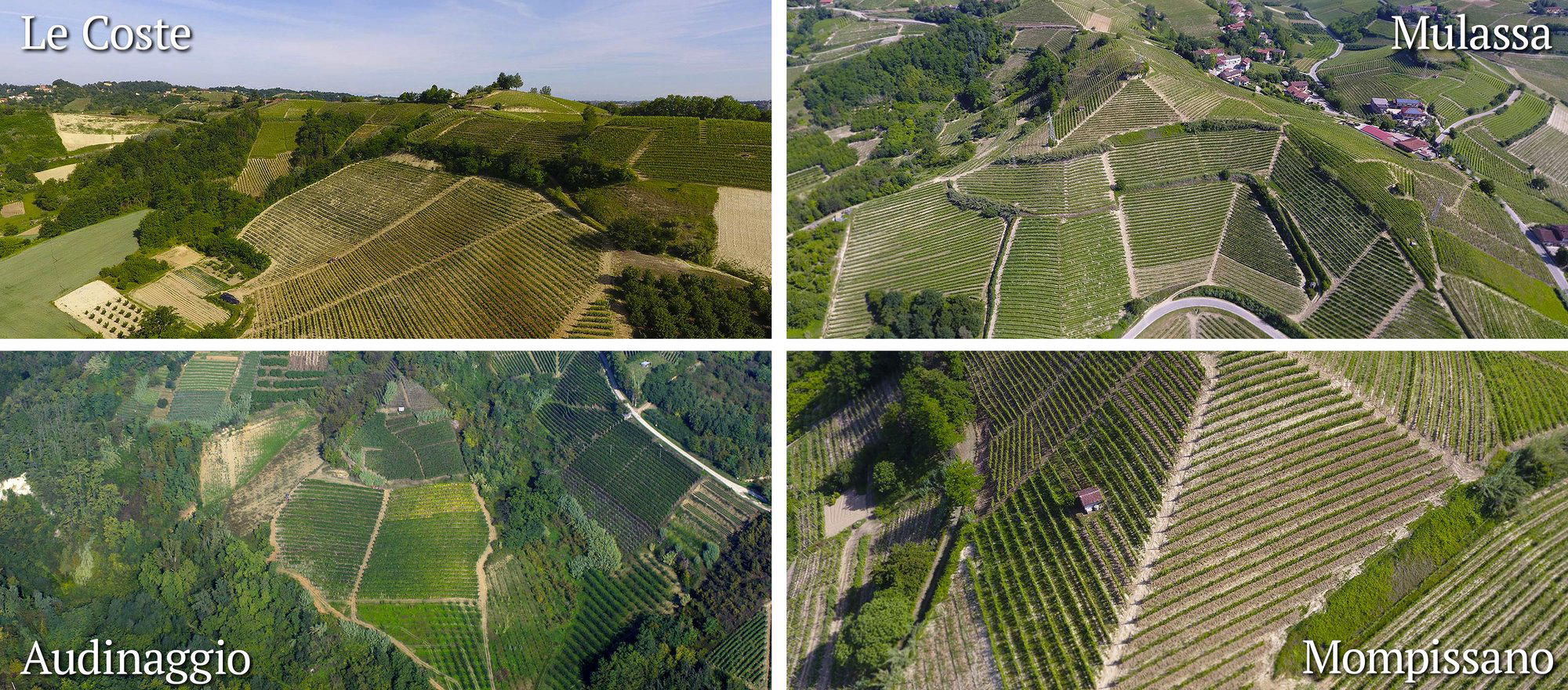
Approaching a Roero estate is different from arriving at a polished tasting-room complex in a better-trafficked wine corridor. The hills around Canale d'Alba feel agricultural before they feel ornamental: vineyards break across slopes, sandy soils sit close to the surface, and the rhythm is rural rather than staged. Cascina Ca' Rossa belongs to that register, where the appeal is not architectural theatre but the way a working estate turns its land into a coherent set of wines.
Roero is often discussed in the shadow of Piedmont's better-known Nebbiolo territories, but that comparison can flatten what makes the zone compelling. North of Alba, the Roero hills bring marine-origin soils, limestone, clay and sand into the conversation, producing a different reading of Nebbiolo and giving Arneis a serious local role. The estate's position in Canale d'Alba matters because this is not a generic Piedmont tasting stop; it is a lens on a DOCG where soil texture and slope exposure shape the drinking style.
Roero through sand, slope and organic farming
The useful way to read Cascina Ca' Rossa is through its parcels. The estate works 16 hectares across vineyard sites including Mompissano, Mulassa, Audinaggio and Le Coste, with Nebbiolo, Arneis, Barbera and Brachetto forming the core vocabulary. Mompissano is tied to Nebbiolo, Mulassa to Barbera, Audinaggio includes old-vine Nebbiolo in sandy soil, and Le Coste brings both Nebbiolo and Arneis into view. That spread gives the winery a broader Roero argument than a single-vineyard showcase would allow.
Organic certification, achieved in 2012, is the trust signal here, but the more interesting point is what organic farming means in this particular landscape. Roero's loose marl-sandstone soils are permeable, and the area relies heavily on seasonal water reserves built through autumn, winter and snow rather than permanent water sources. In that context, farming choices are not decorative ethics; they affect vine balance, soil health and the way parcels carry through into the glass.
The cellar work follows the same restrained logic. Natural yeasts, minimal intervention and a mix of large Slavonian oak, barrique and steel are used according to variety and wine style. Roero Mompissano Riserva spends 30 months in large botte, Roero Audinaggio matures for 18 months in barriques, and Roero Le Coste sees 24 months in Slavonian oak before further bottle ageing. For Arneis, the estate also works in steel and fine-lees ageing, which keeps the white side of the portfolio from feeling like a side note.
A portfolio built around Roero's native grammar
The range is compact enough to read as a regional study but broad enough to show Roero's split personality. Nebbiolo remains the structural anchor, with vineyard-designated wines such as Mompissano, Audinaggio and Le Coste giving the grape different soil and ageing contexts. Barbera d'Alba Mulassa brings the local red-fruit and acidity tradition into the frame, while Arneis, including Merica and a Le Coste Riserva, speaks to Roero's white-wine identity with more authority than many visitors expect from Piedmont.
Production figures add useful scale. Mompissano Riserva is made at around 6,000 bottles annually, Audinaggio at around 4,000, Le Coste at around 4,500, Merica at around 18,000, and Arneis Riserva Le Coste at around 2,500. Those numbers place the estate in a serious small-to-medium tier: not micro-production for collectors only, but not industrial Piedmont either. The result is a cellar that rewards drinkers who want site definition without the performative scarcity that can dominate premium wine travel.
Angelo Ferrio's role is best understood as continuity rather than personality branding. The Ferrio family story begins with Alfonso Ferrio's purchase of the red-brick farmhouse known locally as Cà Rusa in 1967, while the modern winery is marked from 1993. The family thread matters because Roero has long been shaped by farms that moved between fruit, mixed agriculture and winegrowing before the region's DOCG identity sharpened. Cascina Ca' Rossa carries that agricultural memory into a current organic model.
How to place it in a Canale d'Alba wine itinerary
This is a winery for travelers who prefer guided context over a drop-in bar format. The strongest reason to include it in a Canale d'Alba itinerary is educational: Roero's sandy soils, Nebbiolo parcels and Arneis tradition become easier to understand when the tasting is tied to vineyards rather than label hierarchy alone. The atmosphere is quiet and rural, so it suits visitors building a day around wine education, a small group tasting or a slower Piedmont route rather than a high-volume hospitality circuit.
In the same local wine orbit, Matteo Correggia offers another Canale d'Alba reference point without turning the visit into a checklist.
Travelers comparing Italian winery styles across regions can also scan 3GP SRL in Treviso, 47 Anno Domini in Trebaseleghe, A Mano Wine in Noci, a6mani in Fragagnano, Abbadia Ardenga in Torrenieri, Abbazia di Crapolla in Neapel and Abbazia Monte Oliveto in Asciano. For a wider European contrast, »der Steiner« Hans Steiner in Podersdorf am See and & Handwein in Mannheim show how different regions frame small-scale wine hospitality.
Recognition history
Dated appearances from independent guides and award organizations, with the underlying list record or original source where available.
Falstaff Winery - 3 Stars
Falstaff
Continue exploring
More in Canale D Alba
Wineries in Canale D Alba
Browse all →
At a Glance
- Rustic
- Quiet
- Classic
- Wine Education
- Special Occasion
- Group Outing
- Vineyard Tour
- Estate Grounds
- Private Tasting
- Organic
- Vineyard
- Roero DOCG
- Nebbiolo
- Arneis
- Barbera
- Brachetto
- Still Red
- Still White
- Still Rosé
- Guided Tasting
- Private Tasting
Organic, family-run winery atmosphere with an honest, simple, rural character and a warm personal touch from the Ferrio family.