Casa Belfi

Falstaff Winery - Listed
Casa Belfi brings the Treviso flatlands into focus through biodynamic farming, Col Fondo bottle fermentation, and unfiltered Glera and Raboso rather than polished aperitivo Prosecco. The San Polo di Piave estate is small in scale, Demeter-certified, and rooted in vineyard work: 9 hectares, wind harps among the rows, native yeasts, amphora experiments, and an annual production around 54,000 bottles.

Pearl is the En Primeur Club membership app — saves, bookings, and concierge access live there. Same editors, same standards.
- Address
- San Polo di Piave, Veneto, Italien
Casa Belfi is a small, family-run natural winery in San Polo di Piave. The picture is quiet rather than showy: a rustic, contemplative place in the flatlands along the Piave River, where biodynamic vineyards and wind harps among the rows shape the atmosphere. The emphasis is agricultural and reflective, with attention directed toward soil, microbial life, and the feeling of the land rather than toward a polished luxury script.
Because the confirmed information for Casa Belfi is limited, it is better to read the venue through what is known than through claims about specific bottles, production figures, tasting formats, awards, or services. What can be stated with confidence is that this is a natural-wine address in San Polo di Piave, with a family-run character and a biodynamic vineyard setting. Its listed price level is $$.
Piave flatland soils, biodynamics, and the case for a slower wine visit
The strongest context for Casa Belfi is its setting. It belongs to the flatlands along the Piave River, a landscape where vineyard rows, open agricultural space, and the rhythms of farming define the experience. This is not a page to frame around unconfirmed cellar details or named cuvées; the grounded hook is the estate’s relationship to biodynamic vineyards and to the living condition of the soil.
That matters because the mood of the place come from the vineyard first. Wind harps among the rows give Casa Belfi a distinctive, contemplative image, while the stated focus on soil and microbial life points to a wine culture concerned with process, farming, and the health of the land. For visitors who value natural wine as an agricultural practice, that is the relevant lens.
Casa Belfi should therefore be approached less as a venue with a long list of confirmed visitor amenities and more as a small winery whose identity is rooted in place. The available facts do not verify a specific tour language, seat count, menu, food-pairing format, production volume, grape list, or cellar technique. Those details may matter for trip planning, but they should be checked directly with the winery rather than assumed.
What the Casa Belfi experience can be understood to offer
The experience is atmospheric: family-run, rustic, quiet, and connected to biodynamic vineyards in San Polo di Piave. The tone is contemplative rather than theatrical. A traveler coming here for a loud hospitality scene, a documented restaurant-style menu, or a confirmed luxury tasting room should not rely on this listing for those expectations. The more reliable expectation is a natural-winery setting shaped by the Piave flatlands and by visible attention to the vineyard environment.
The $$ price listing gives a broad practical signal without confirming any specific tasting fee, bottle price, package, or included service. It is enough to suggest a moderate price category, but not enough to state a fixed cost or describe a structured offer.
Same caution applies to wine specifics. A fact-checked guide should not fill those gaps with attractive but unsupported detail. The honest appeal is simpler: a small, family-run winery in San Polo di Piave where the atmosphere is shaped by vineyards, wind harps, soil, and microbial life.
How to read Casa Belfi within San Polo di Piave
No other named comparison venue is for use here, so the most accurate frame is Casa Belfi on its own terms.
That frame is useful for travelers who care about setting and philosophy. The winery’s character is small-scale and family-run, with a rustic feel and a contemplative relationship to biodynamic vineyards in the Piave River flatlands. It is the kind of place to research carefully before arrival: not because it lacks interest, but because the confirmed public facts here do not establish opening hours, reservation rules, tasting structure, food service, transport details, or accessibility information.
For a premium guide, restraint is part of accuracy. Casa Belfi does not need invented accolades, precise vineyard statistics, named bottles, or unsupported hospitality claims to be worth noting. Its identity is already specific enough: a family-run natural winery in San Polo di Piave, set among biodynamic vineyards with wind harps in the rows and an emphasis on soil and microbial life.
Recognition history
Dated appearances from independent guides and award organizations, with the underlying list record or original source where available.
Falstaff Winery - Listed
Falstaff
Continue exploring
More in San Polo di Piave
Wineries in San Polo di Piave
Browse all →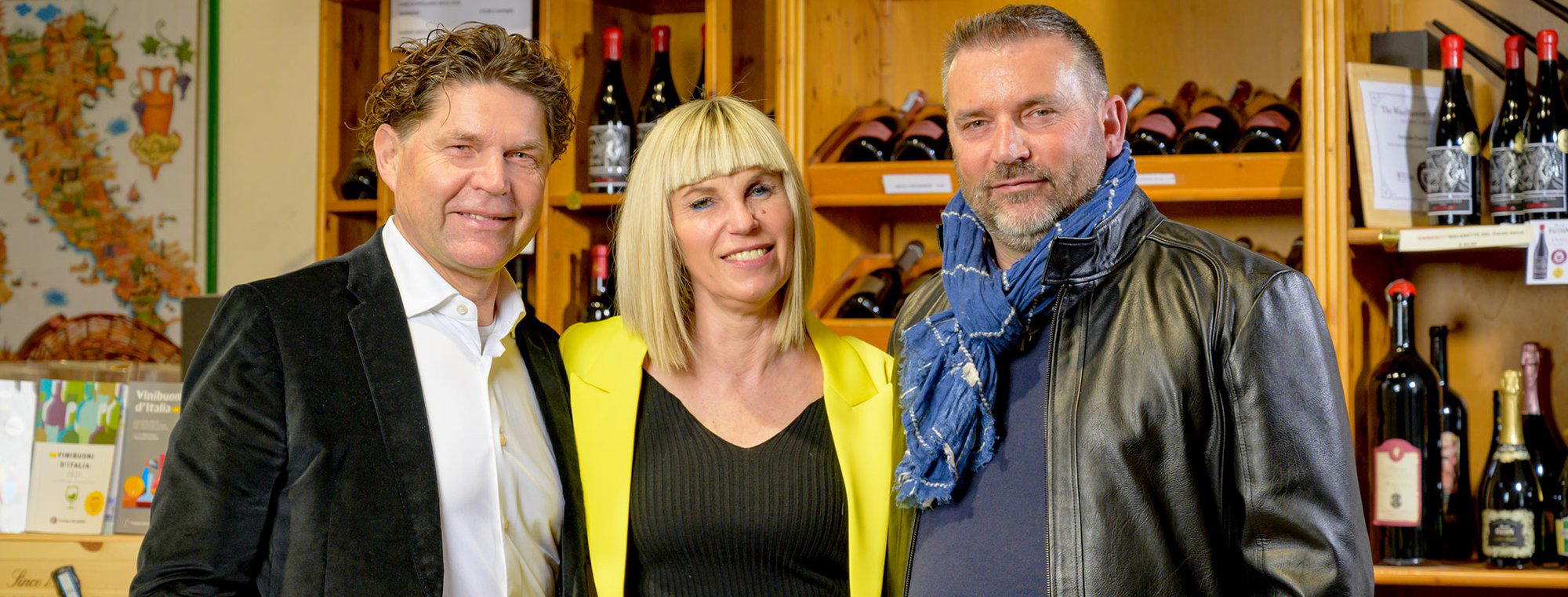
Restaurants in San Polo di Piave
Browse all →
Details
- Rustic
- Quiet
- Scenic
- Bohemian
- Solo Exploration
- Wine Education
- Group Outing
- Romantic Getaway
- Vineyard Tour
- Estate Grounds
- Organic
- Biodynamic
- Sustainable
- Vineyard
- Garden
- Glera
- Raboso
- Chardonnay
- White Field Blends
- Sparkling
- Pet Nat
- Amphora
- Skin Contact
- Still Red
- Still White
- Vineyard Tour And Tasting
- Cellar Tasting
- Educational Tasting
- Italian
A small, family-run natural winery with a rustic, contemplative feel, set in the flatlands along the Piave River where biodynamic vineyards, wind harps among the rows, and a focus on soil and microbial life create an atmosphere that is earthy, tranquil, and deeply connected to nature.