Ca' La Bionda

Ca' La Bionda is a fourth-generation organic estate in Marano di Valpolicella, founded in 1902 and shaped around Corvina, native varieties, and the limestone-clay slopes of the Valpolicella Classico zone. Its appeal is not architectural spectacle but a quieter argument for freshness, restraint, and site-driven Valpolicella alongside Amarone from selected parcels.
Pearl is the En Primeur Club membership app — saves, bookings, and concierge access live there. Same editors, same standards.
- Address
- Marano di Valpolicella, Veneto, Italien
 Saves & bookings on Pearl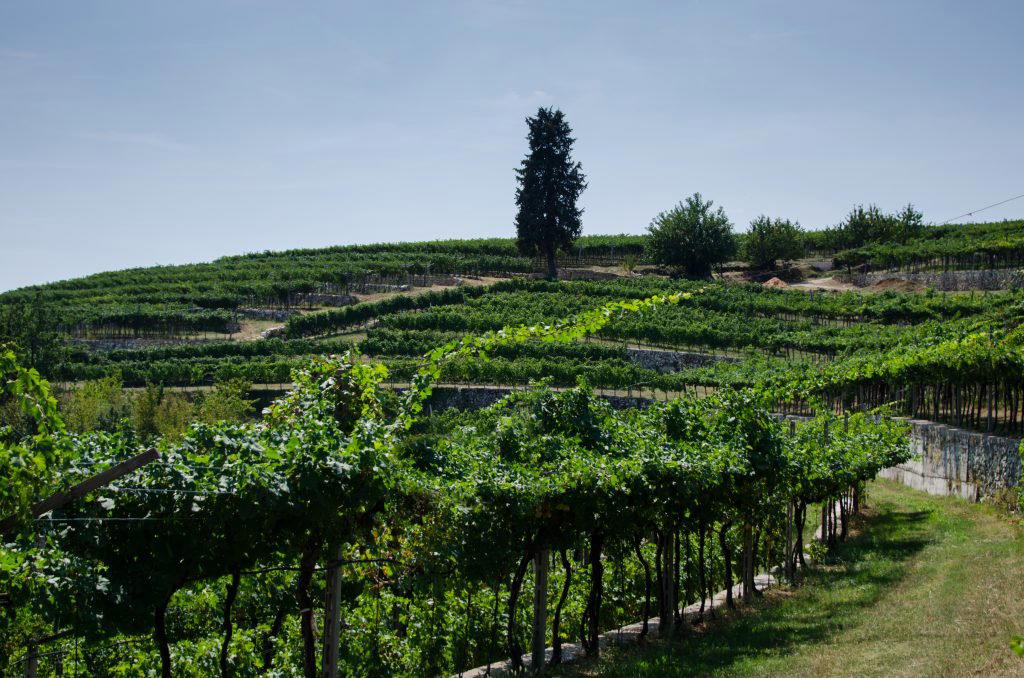
Ca' La Bionda is a family-run organic Valpolicella estate in Marano di Valpolicella. The picture is deliberately modest rather than spectacular: a classic, rustic hillside setting, a traditional winemaking identity, and a focus on freshness and elegance rather than showy architecture. For travelers using EP Club to plan a wine-country stop, that is one reliable frame. This is not a page to load with claims about specific vineyards, production figures, tasting formats, grape percentages, opening policies, or awards. The grounded appeal is simpler: Ca' La Bionda represents a traditional Marano di Valpolicella estate style with an organic emphasis and a restrained sense of place.
That restraint matters because Valpolicella can easily be discussed through labels, techniques, and prestige cues that are not always for a specific producer page. Here, the safer editorial reading is to stay with the confirmed character of the venue. Ca' La Bionda belongs to the Marano Valley context, where hillside scenery and traditional winemaking shape the impression more than hospitality theatrics. The estate is best understood as a rustic, family-run organic winery whose identity leans toward freshness, elegance, and continuity with its landscape.
Marano's hillside character, read through Ca' La Bionda
The setting is Marano di Valpolicella, and the page should not narrow that to a street address or an landmark. The important point for planning is the hillside, rustic atmosphere associated with the estate. The winery is presented as part of the Marano Valley rather than as a destination defined by modern design or grand architectural gestures. That makes the experience more about the surrounding wine country and the estate’s traditional identity than about spectacle.
The reliable description is broader: a family-run organic Valpolicella estate in a classic hillside setting. That still gives travelers useful guidance. Visitors looking for a polished, highly designed venue should calibrate expectations; those interested in a more rustic expression of the Marano Valley will understand why the winery belongs on the shortlist.
The organic identity is also part of the profile, but it should not be expanded into unsupported technical detail. It is fair to say that winery is an organic estate. It is not safe, from the supplied facts alone, to specify certification years, vineyard treatments, animal grazing, fermentation choices, sulfur levels, or other production practices. The editorial emphasis should remain on the estate’s organic positioning, family-run character, and traditional Valpolicella setting.
Freshness and elegance rather than spectacle
The confirmed style language for the winery points toward freshness and elegance. That is a useful distinction in Valpolicella, a region many travelers associate with power, richness, and dramatic wine vocabulary. Without making unsupported claims about individual wines or exact production methods, the page can still identify the estate’s apparent direction: traditional winemaking with a preference for balance over display.
This does not require inventing a portfolio, naming bottlings, or assigning technical notes. The safer and more helpful approach is to describe the estate’s positioning. The winery is not being framed here as a luxury design destination or a venue built around an elaborate hospitality concept. It is being framed as a rustic hillside estate whose value comes from its family-run organic identity and its relationship to the Marano Valley. That gives readers a meaningful expectation without overpromising specifics.
Price is listed as $$$. That tells readers to expect a premium-leaning venue category, but it should not be converted into tasting fees, bottle prices, menu prices, or package descriptions. Those details should be checked directly before visiting.
For wine travelers, the practical takeaway is that winery appears strongest as a stop for people who prefer substance, landscape, and traditional estate character over a showpiece venue. Its rustic hillside setting and organic family-run profile are the grounded reasons to pay attention. Anything beyond that should remain flexible until confirmed by the estate or an official booking channel.
A quiet estate format for serious wine travel
The winery fits naturally into a Marano di Valpolicella itinerary for travelers who want to understand the area through its wine estates and hillside setting. The venue’s confirmed personality is quiet rather than theatrical: family-run, organic, rustic, and tied to the Marano Valley. That makes it a useful counterpoint to more generic wine-tour expectations, especially for visitors who do not need every stop to be defined by architecture, a restaurant component, or a highly scripted tasting format.
Within Marano di Valpolicella, travelers can pair research on the winery with other local dining, lodging, bars, and experiences in the city, but no specific comparison venue should be treated as from the supplied facts. Strong planning approach is to use the winery as the wine-estate anchor, then build the rest of the day around confirmed reservations, transport, and current opening information.
The editorial case for the winery is therefore concise and specific. It is a family-run organic Valpolicella estate in Marano di Valpolicella, set in a classic rustic hillside environment and associated with freshness, elegance, traditional winemaking, and the character of the Marano Valley. That is enough to make it relevant for premium wine travelers, without relying on founding dates, named wines, technical winemaking claims, awards, scores, or hospitality details.
Recognition history
Dated appearances from independent guides and award organizations, with the underlying list record or original source where available.
Falstaff Winery - 4 Stars
Falstaff
Continue exploring
More in Marano di Valpolicella
Wineries in Marano di Valpolicella
Browse all →

Restaurants in Marano di Valpolicella
Browse all →
At a Glance
- Classic
- Rustic
- Scenic
- Elegant
- Wine Education
- Romantic Getaway
- Group Outing
- Special Occasion
- Solo Exploration
- Vineyard Tour
- Estate Grounds
- Historic Building
- Private Tasting
- Organic
- Vineyard
- Mountain
- Valpolicella Classico DOC
- Corvina
- Corvinone
- Rondinella
- Molinara
- Still Red
- Still White
- Still Rosé
- Dessert
- Estate Tasting
- Vineyard Tasting
- Private Tasting
- Educational Tasting
Family-run organic Valpolicella estate with a classic, rustic hillside setting focused on freshness and elegance rather than showy architecture, reflecting traditional winemaking and the character of the Marano Valley.