Bodega Los Toneles

Bodega Los Toneles brings Mendoza wine culture into an urban frame: a 1922 Guaymallén winery restored as a cultural, tasting and dining complex. The draw is not vineyard panorama but proximity, heritage architecture, guided cellar access, Familia Millán wine lines and a MICHELIN-recommended restaurant built around meat, wine pairings and event-scale hospitality.
Pearl is the En Primeur Club membership app — saves, bookings, and concierge access live there. Same editors, same standards.
- Address
- Guaymallén, Mendoza, Argentinien
 Saves & bookings on Pearl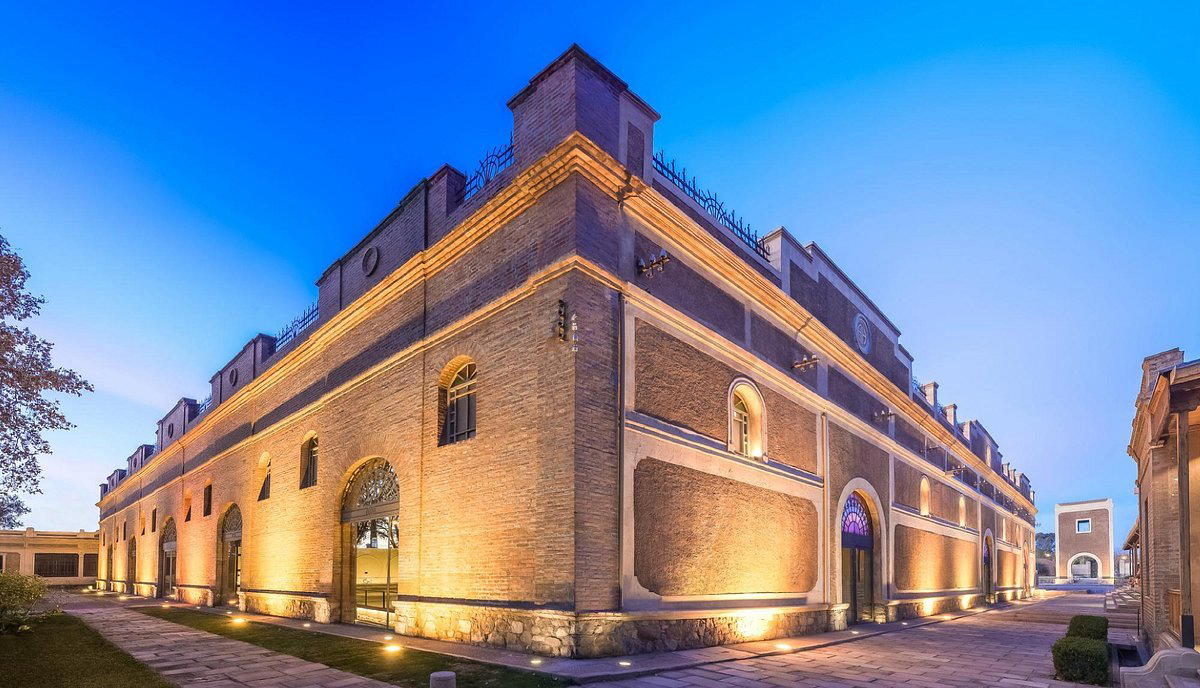
Approach Bodega Los Toneles and the first signal is architectural, not agricultural: industrial volumes, restored cellar structures, stained glass, gallery space and the rhythm of a working urban wine complex. Mendoza wine tourism is often sold through vineyard distance, mountain horizons and estate isolation; here, the city is part of the experience, and Guaymallén gives wine culture a metropolitan edge rather than rural escape.
That matters as Mendoza hospitality moves beyond the old binary of winery tour by day and city restaurant by night. Strong contemporary formats combine cellar access, food, design and cultural programming in one stop. Bodega Los Toneles, founded in 1922 and declared Cultural Heritage of Mendoza, fits that shift clearly. Its value is not only what is poured, but how urban heritage turns the tasting route into a reading of place.
An urban cellar where Mendoza's place is read through brick, tanks and branded flights
Terroir at an urban winery is communicated differently than at an estate surrounded by vines. Here, the story leans less on visible rows and more on Mendoza’s built wine history: preserved industrial architecture, subterranean tanks, barrel-room atmosphere and a cellar route that places visitors inside production mechanics. It is a cultural expression of place as much as an agronomic one.
The guided format is central. Tastings are progressive visits through the winery, not static counter pours, with routes tied to Familia Millán lines including Fuego Blanco, Mosquita Muerta and Familia Millán Wine Series. That brand architecture reflects current Argentine wine hospitality: contemporary, accessible guest-facing language set inside the authority of a centenary cellar. The result bridges historical Mendoza and a more design-conscious, tourism-aware generation of wine drinkers.
The portfolio spans still red, white and rosé wines, with sparkling and dessert styles also in the broader offer. The public tasting framework suggests a house identity built around flights and experience families rather than a single grand cru-style hierarchy. It suits visitors seeking orientation: not a technical seminar in soil pits, but a guided introduction to Mendoza wine through tanks, barrels, labels and food.
For the broader region, this differs from rural or valley-led winery days. Regional planning can pull in the wider wine circuit through Casa de Uco, Achaval Ferrer in Luján de Cuyo, Alamos – Wines of Catena in Vista Flores, Alfa Crux in Mendoza, Alpasión Vineyards in Tunuyán, Andeluna Cellars in Tupungato and Antigal Winery & Estates in Maipú. Those names belong to a wider Mendoza itinerary; Los Toneles works when the day calls for a city-edge wine experience with heritage depth rather than a long countryside transfer.
The food program turns wine tourism into a full hospitality format
The restaurant component changes the category. Abrasado, the on-site meats-and-grills restaurant, is MICHELIN-recommended and tied to wine pairings, set-menu formats and a dry-aged beef program. In Mendoza, where wine tourism can reduce food to a pairing plate, this makes the dining room part of the core proposition, not an add-on after the tour.
The recognition gives the complex a stronger trust signal than atmosphere alone. Great Wine Capitals named Abrasado/Bodega Los Toneles a 2022 Global Winner, People’s Choice, in Culinary Experiences, with further regional wine-tourism recognition in 2023. Those awards reward integration of cellar, table and guest experience, not bottle quality in isolation.
La Casona Art & Coffee widens the rhythm. A specialty coffee concept in the historic manor gives the complex a lighter daytime register, while larger event spaces, including a stained-glass hall, place it firmly in Mendoza’s celebration and corporate-event circuit. This breadth explains the energy: it is not a hushed collector’s tasting room, but a large-format urban wine destination where tours, dining, coffee, retail and private events overlap.
The design language reinforces that hybrid identity. Restored industrial bones and contemporary hospitality spaces sit together, so the experience reads as preservation rather than nostalgia. Adaptive reuse is part of the cultural stewardship story: a 1922 winery remains active as a public-facing wine and food complex instead of becoming a static monument. Environmental certifications are not the headline; built heritage is.
How to use it in a Guaymallén itinerary
The winery works well for travelers who want Mendoza wine culture without committing a full day to a rural circuit. The setting is urban, the visit type reservation-led, and the tasting format guided, with Spanish and English tours listed among hospitality options. A 90-minute tour duration makes it easy to pair with lunch, dinner or a broader city day.
The mood sits between polished and lively. Smart casual dress fits, and the scale suits groups, celebrations, wine education, corporate events and special-occasion meals more naturally than a spontaneous drop-in drink. Outdoor seating, accessible parking and wheelchair-accessible facilities add practical range, while on-site parking makes the city-edge location easier.
For planning around Guaymallén, use the winery as anchor and build the day by category rather than distance alone: Our full Guaymallen restaurants guide, Our full Guaymallen hotels guide, Our full Guaymallen bars guide, Our full Guaymallen wineries guide and Our full Guaymallen experiences guide help separate dining, stays, drinks, cellar visits and cultural time. For a wider wine reference outside Argentina, compare how urban and small-format wine culture appears at Bodega Amalaya in Cafayate, »der Steiner« Hans Steiner in Podersdorf am See and & Handwein in Mannheim.
The editorial case is clear: choose this for Mendoza’s urban wine heritage, not vineyard seclusion. The stronger read is cellar architecture, guided tasting structure, Familia Millán portfolio access and a MICHELIN-recommended food program under one roof. In a region often framed by landscapes outside the city, Los Toneles makes the city itself part of the wine conversation.
Recognition history
Dated appearances from independent guides and award organizations, with the underlying list record or original source where available.
Falstaff Winery - Listed
Falstaff
Continue exploring
More in Guaymallen
Wineries in Guaymallen
Browse all →
At a Glance
- Well Known
- Elegant
- Classic
- Lively
- Industrial
- Sophisticated
- Group Outing
- Celebration
- Wine Education
- Special Occasion
- Corporate Event
- Romantic Getaway
- Historic Building
- Design Destination
- Private Tasting
- Estate Grounds
- Barrel Room
- Cave Tasting
- Street Scene
- Mendoza
- Still Red
- Still White
- Still Rosé
- Sparkling
- Dessert
- Progressive Tasting
- Guided Tour & Tasting
- Food Pairing Tasting
- Themed Flight
- Small‑group Tasting
Historic urban winery ambiance that blends restored industrial architecture, stained glass and art galleries with contemporary design, offering an elegant yet lively setting for guided tastings, Michelin‑recommended dining and events.