
Bioweinbau Claudia & Dieter Schnabl belongs to the quieter, sustainability-led side of Retz wine culture: organic farming, CO2-neutral production, vegan certification and histamine-tested wines under 0.1 mg/l. The draw is not grand hospitality theatre, but a small Weinviertel family estate using Grüner Veltliner, Zweigelt, Riesling and Merlot to show how Retz’s loess, clay and cool-night climate can read in the glass.
Pearl is the En Primeur Club membership app — saves, bookings, and concierge access live there. Same editors, same standards.
- Address
- Retz, Weinviertel, Lower Austria, Österreich
 Saves & bookings on Pearl
Bioweinbau Claudia & Dieter Schnabl is best understood as a small, certified organic family winery in Retz. The picture is focused rather than expansive: an organic producer with an emphasis on climate-neutral production, low-histamine wines, and vegan-friendly bottlings. For visitors comparing wine options in Retz, that makes the estate less about spectacle and more about a practical, sustainability-led approach to viticulture.
The tone is likely quiet and down-to-earth. Nothing suggests a flashy hospitality model, a large tasting complex, or a restaurant-style experience. The useful way to frame the winery is as a modest family operation where the main point of interest is how the wines are grown and produced, not how elaborate the visitor format may be.
Retz terroir through organic farming, not cellar spectacle
The strongest identity marker here is organic farming. Bioweinbau Claudia & Dieter Schnabl is described as a certified organic winery, which gives the estate a clear position within Retz for travellers who care about farming standards and environmental responsibility. Rather than building the story around grape lists, cellar equipment, tasting formats, or critic scores, the reliable focus is the winery’s commitment to organic production.
Climate-neutral production is another central part of the profile. That matters because sustainability language can often be vague in wine writing; in this case, the venue’s basic positioning is specifically tied to lower-impact production rather than simply to rustic charm or regional tradition. The result is a Retz winery profile that is defined by production choices as much as by place.
The wines are also described as low-histamine and vegan-friendly. Those details are important because they speak to accessibility and transparency for drinkers who pay attention to how wine is made. They should not be stretched into medical claims or treated as a guarantee for every individual guest, but they are a part of the winery’s identity and help distinguish the estate from more conventional descriptions of wine country hospitality.
A small family estate in the sustainability-led tier
Bioweinbau Claudia & Dieter Schnabl sits in the sustainability-led tier of Retz wine options. A careful guide should therefore keep the emphasis where it belongs: small scale, certified organic farming, climate-neutral production, low-histamine wines, and vegan-friendly production.
That restraint is useful for planning. Travellers should not read this as a claim that the winery operates like a full-service visitor centre, restaurant, bar, or high-design tasting lounge. The more grounded expectation is a quiet, family-winery atmosphere where sustainability and wine production are the main reasons to pay attention.
Price is listed as $$. Anyone planning a visit should confirm current practical details directly with the winery before making fixed plans.
The appeal is clearest for visitors who prefer a producer-led stop over a polished hospitality performance. If your interest is in organic viticulture, climate-conscious production, low-histamine wine, or vegan-friendly wine choices, Bioweinbau Claudia & Dieter Schnabl gives you a focused reason to include it in a Retz itinerary.
How to place it within a Retz wine trip
Retz is a natural setting for a wine-focused trip, and Bioweinbau Claudia & Dieter Schnabl can serve as the sustainability-oriented stop within that broader plan. Because the information is intentionally narrow, it is best paired with flexible expectations: treat the winery as a small organic family producer rather than as a venue with confirmed dining, entertainment, or elaborate visitor infrastructure.
For a wider day in Retz, build around other local dining, wine, and cultural options generically rather than assuming a fixed format at this estate. The practical question is not whether it offers every hospitality feature, but whether its organic, climate-neutral, low-histamine, vegan-friendly profile matches what you want from a winery visit.
The reason to pay attention is focus. Bioweinbau Claudia & Dieter Schnabl offers a grounded Retz wine story built on certified organic production and sustainability rather than flash. For travellers who care about how wine is farmed and made, that is one reliable and compelling frame.
Recognition history
Dated appearances from independent guides and award organizations, with the underlying list record or original source where available.
Falstaff Winery - Listed
Falstaff
Continue exploring
More in Retz
Wineries in Retz
Browse all →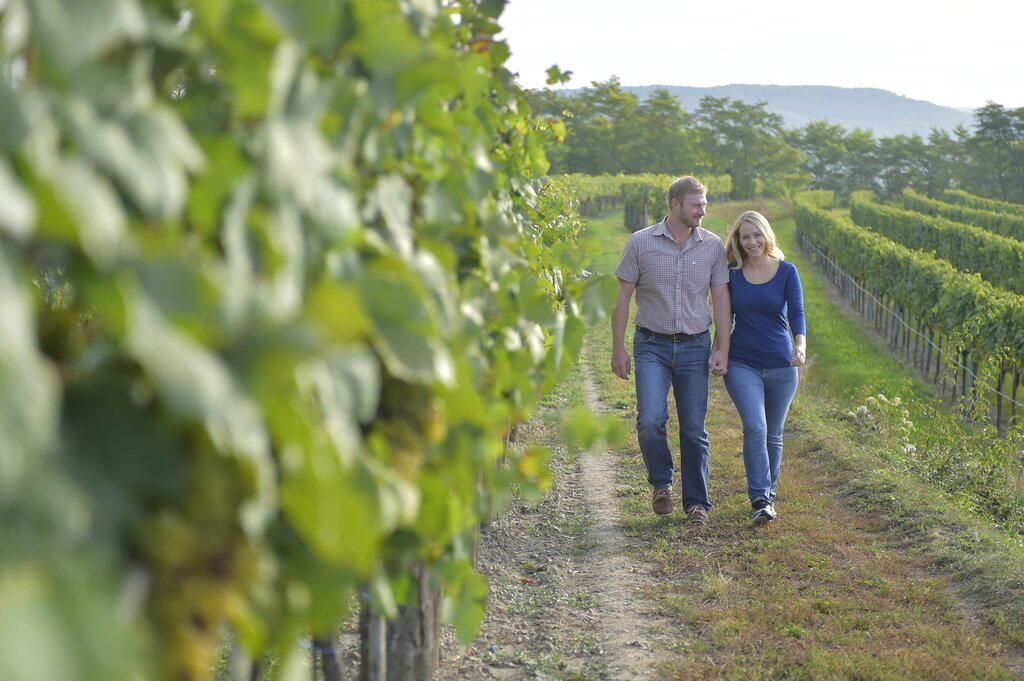
Bars in Retz
Browse all →
Restaurants in Retz
Browse all →
At a Glance
- Quiet
- Rustic
- Solo Exploration
- Wine Education
- Organic
- Sustainable
- Vineyard
- Weinviertel
- Grüner Veltliner
- Zweigelt
- Riesling
- Merlot
- Still White
- Still Red
- Orange
- Skin Contact
A small, certified organic family winery with a focus on climate-neutral production and low-histamine, vegan-friendly wines; atmosphere is likely quiet and down-to-earth, oriented around sustainable viticulture rather than flashy hospitality.