
Bakkheia Wines is a small Preston Valley producer in Wa Lowden, working within the Geographe Wine Region’s warmer, maritime-influenced conditions. The appeal is terroir rather than scale: organic farming, Mediterranean varieties, unfined and unfiltered reds, and a winemaker-led format shaped around a close allocation community.
Pearl is the En Primeur Club membership app — saves, bookings, and concierge access live there. Same editors, same standards.
- Address
- WA Lowden, Western Australia, Australien
- Directions
- Get directions
 Saves & bookings on Pearl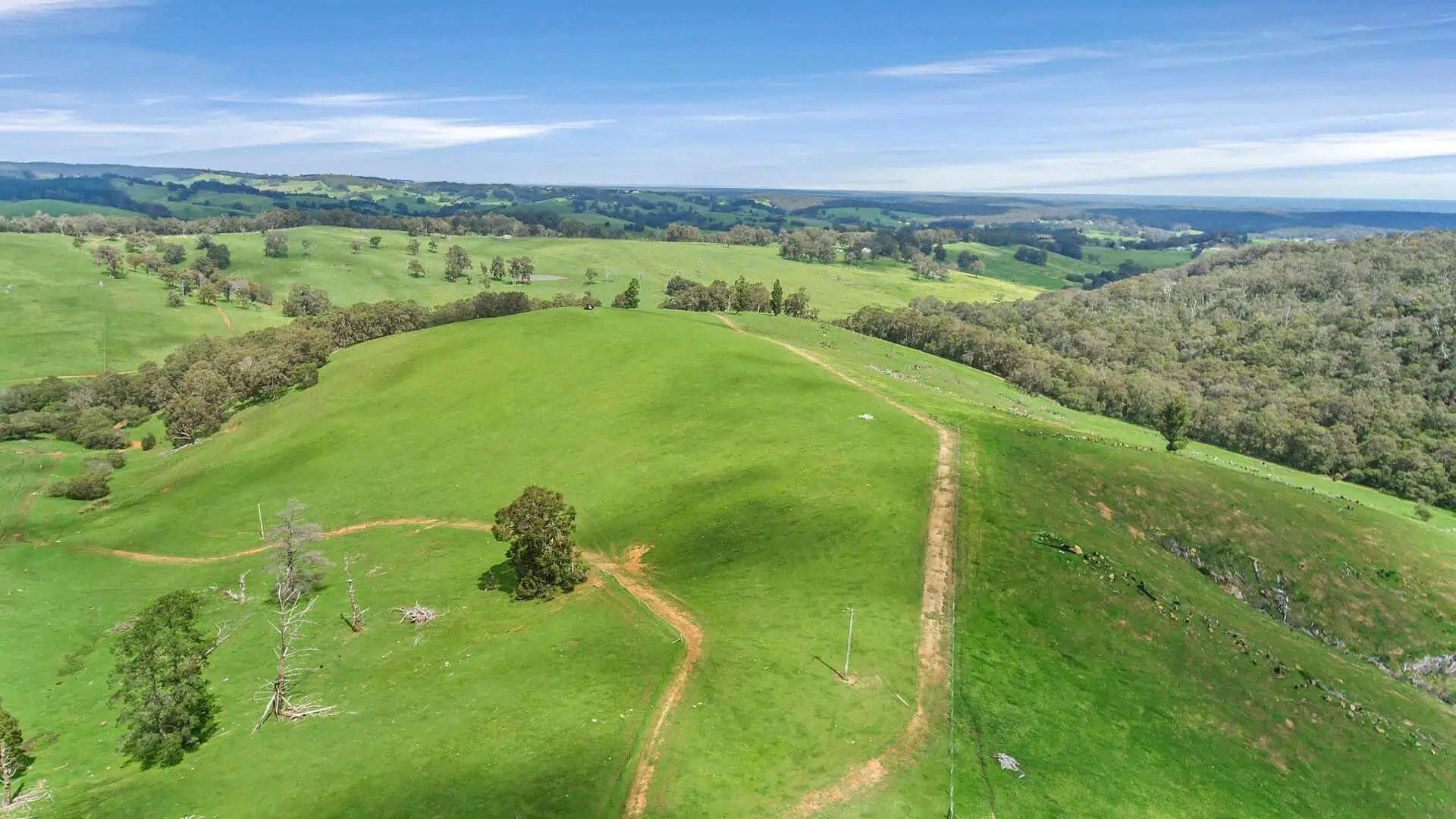
The setting reads as agricultural before it reads as hospitality: vineyard, shed, quiet ground, and a production culture built around small quantities rather than cellar-door theatre. In Wa Lowden, where wine travel can easily default to broad regional touring, Bakkheia Wines sits in the narrower lane of intimate Western Australian producers whose interest comes from site, farming, and format. The useful lens here is Geographe rather than glamour. Preston Valley has a warmer inland character than Margaret River, moderated by maritime influence from Geographe Bay but without the same direct southern-ocean cooling. That difference matters in the glass: Mediterranean red varieties have room to ripen, while the house style leans toward food-facing structure instead of polished showmanship.
The estate opened in 2004 and works with an organic production philosophy, a meaningful signal in a region where the conversation often centres on climate suitability and fruit power. Grenache, mourvedre, graciano, tempranillo, shiraz, malbec, and cabernet sauvignon form the red core, with chardonnay and sauvignon blanc also present in the wider portfolio. The reds are made unfined and unfiltered, a choice that places texture and materiality ahead of cosmetic neatness. That does not automatically make a wine better; it does make the producer’s priorities legible.
Preston Valley fruit, Geographe warmth, and a Mediterranean register
Geographe’s identity is less internationally fixed than Margaret River’s, which gives smaller producers more room to define themselves through varietal choice. Preston Valley’s slightly hotter profile suits grapes that tolerate sun and retain savoury shape when handled carefully. At Bakkheia Wines, the Mediterranean emphasis is not decorative. Grenache and mourvedre bring the Rhône logic; graciano and tempranillo point toward Iberian structure; malbec, shiraz, and cabernet sauvignon keep the Australian red-drinking audience in view without turning the portfolio into a conventional cabernet exercise.
The strongest editorial argument for the place is that its farming and format are aligned. Organic sourcing, small production, and a quiet shed-and-vineyard setting all reinforce the same idea: wine as a direct agricultural product rather than a branded luxury object. Michael Edwards is named as winemaker, and his role is relevant because the experience is built around the grower-maker model. The point is not biography. The point is continuity: when the person farming the grapes also leads the wine conversation, questions about site, vintage, and cellar choices do not pass through a hospitality script.
The portfolio includes still reds and still whites, with a food-pairing instinct running through the selection. The Fumé Blanc is made from chardonnay and sauvignon blanc, while the red range has included named bottlings such as Aequitas, The Groszman, United and Undaunted, and Tripartite. Tasting-note language around these wines points to dark fruit, spice, herbs, citrus peel, and savoury lift, which fits the regional expectation: generous ripeness checked by varieties that can carry tannin, acidity, and aromatic detail.
A pricing ritual that shifts power toward the drinker
More unusual part of the model is not the vineyard setting but the Aequitas system, where customers set the price of the wine. In Australian wine, premium pricing usually follows reputation, scarcity, critic attention, or cellar-door positioning. Here the mechanism is deliberately communal. Twelve members of the subscription community, known as Cardinals, are invited to set the annual vintage price. The community is capped at 400 clients, and allocation status is waitlist, which gives the system consequence rather than novelty.
That structure changes how the wine should be understood. Scarcity can often feel like a sales device; here it is tied to small production and a closed client circle. The result is a producer that occupies a different category from high-volume regional tasting rooms. It is closer to a private agricultural conversation, with wine as the object and community as the distribution logic. For travellers who care about how value is assigned in wine, this is the serious material. The bottle is not simply priced by the maker and accepted by the buyer; the buyer group has a formal role in the annual decision.
That does not make the wines immune from critical judgment. It does make the transaction more transparent than the usual ladder of reserve labels, premium tiers, and cellar-door exclusives. The model asks a sharper question: what is a small-production Geographe wine worth when the people who drink it are part of the pricing conversation?
Who this suits, and how to place it in a Wa Lowden itinerary
This is a poor fit for travellers who want a broad, walk-in tasting circuit with a restaurant, large group energy, or a conventional estate visit. It suits drinkers who prefer quiet formats, production detail, and direct contact with the logic of farming. The dress code is casual, the noise level is quiet, and the occasion tags point toward solo exploration, wine education, and special occasion drinking rather than entertainment-led touring.
The Geographe frame is important for planning the palate. Arrive expecting Western Australian warmth expressed through Mediterranean and Australian red varieties, not a Margaret River cabernet-chardonnay template. The site’s shed-and-vineyard character is part of the editorial value: it strips away the architecture-first approach common at bigger estates and puts attention back on fruit, farming, and allocation. For a wider regional scan, start with Our full Wa Lowden wineries guide, then use Our full Wa Lowden restaurants guide, Our full Wa Lowden hotels guide, Our full Wa Lowden bars guide, and Our full Wa Lowden experiences guide to build the rest of the trip.
For readers mapping Australian and international wine addresses beyond Wa Lowden, the broader archive includes 19 Crimes in Southbank, Accolade Fine Wines in Melbourne, Adelina Wines in Clare Valley, Alice Springs Brewing Co in Alice Springs, Alkina Estate in Greenock, Alkina Wine Estate in Barossa Valley, All Saints Estate in Rutherglen, Allegiance Wines in Alstonville, »der Steiner« Hans Steiner in Podersdorf am See, and & Handwein in Mannheim.
Recognition history
Dated appearances from independent guides and award organizations, with the underlying list record or original source where available.
Falstaff Winery - Listed
Falstaff
Continue exploring
More in Wa Lowden
Wineries in Wa Lowden
Browse all →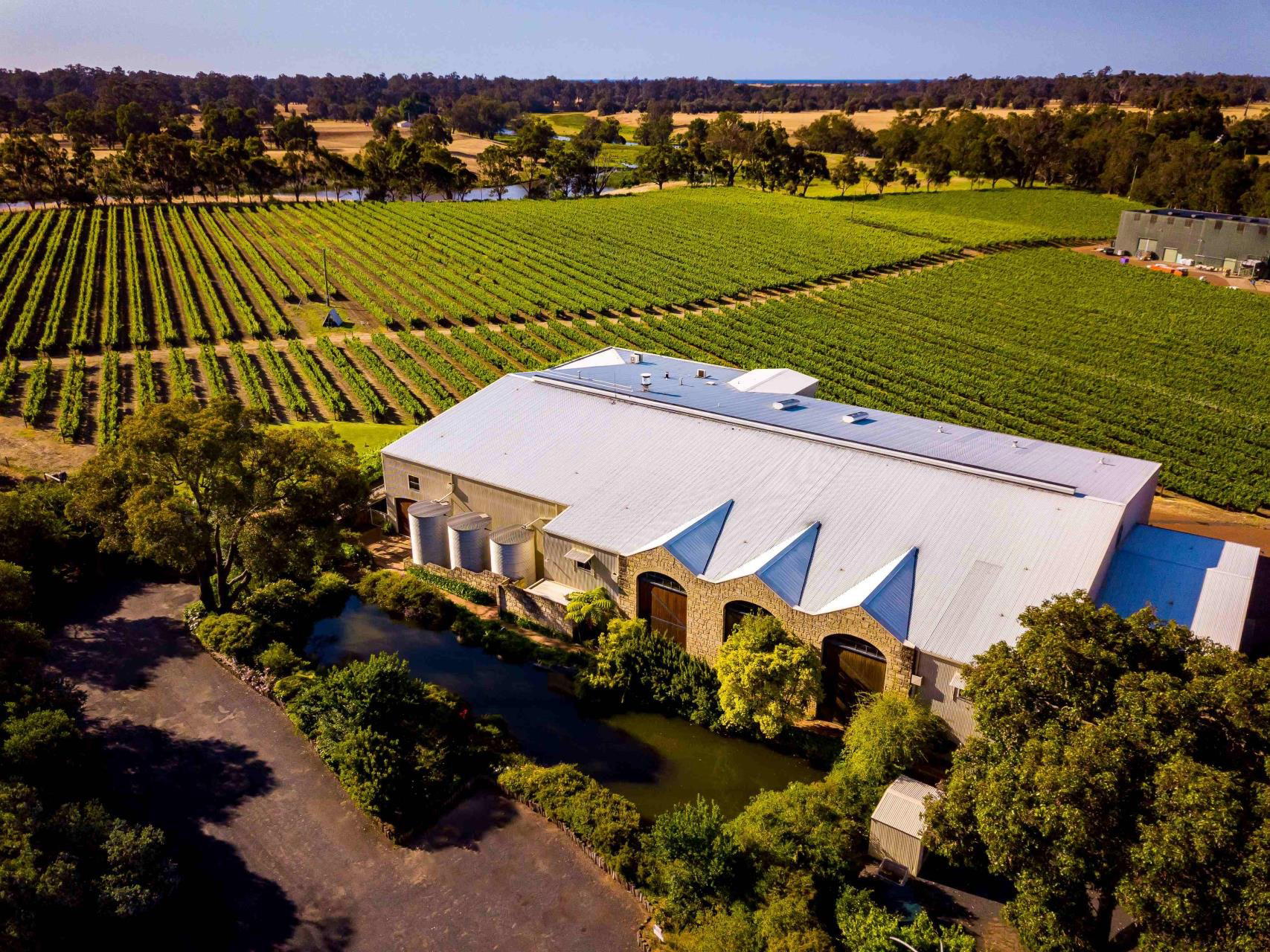
At a Glance
- Intimate
- Rustic
- Quiet
- Scenic
- Solo Exploration
- Wine Education
- Special Occasion
- Private Tasting
- Vineyard Tour
- Estate Grounds
- Organic
- Sustainable
- Vineyard
- Geographe Wine Region
- Grenache
- Mourvedre
- Graciano
- Tempranillo
- Shiraz
- Malbec
- Cabernet Sauvignon
- Chardonnay
- Sauvignon Blanc
- Still Red
- Still White
- Private Tasting
- Appointment Only
Boutique, intimate, and invitation-based, with a shed-and-vineyard setting that emphasizes handcrafted wines, fruit, and a personal winemaker-led experience.