Baillieu Vineyard

Falstaff Winery - Listed
Baillieu Vineyard gives Mornington Peninsula wine a quiet, land-led reading: north-facing vines, loamy soil, native grasses and a cellar-door rhythm tied to Merricks rather than spectacle. The appeal is in estate-grown Chardonnay, Pinot Noir and Shiraz, complimentary tastings, and a rustic setting that suits visitors who want the Peninsula’s cool-climate character without a high-production hospitality script.

Pearl is the En Primeur Club membership app — saves, bookings, and concierge access live there. Same editors, same standards.
- Address
- Merricks Vic, Mornington Peninsula, Victoria, Australien
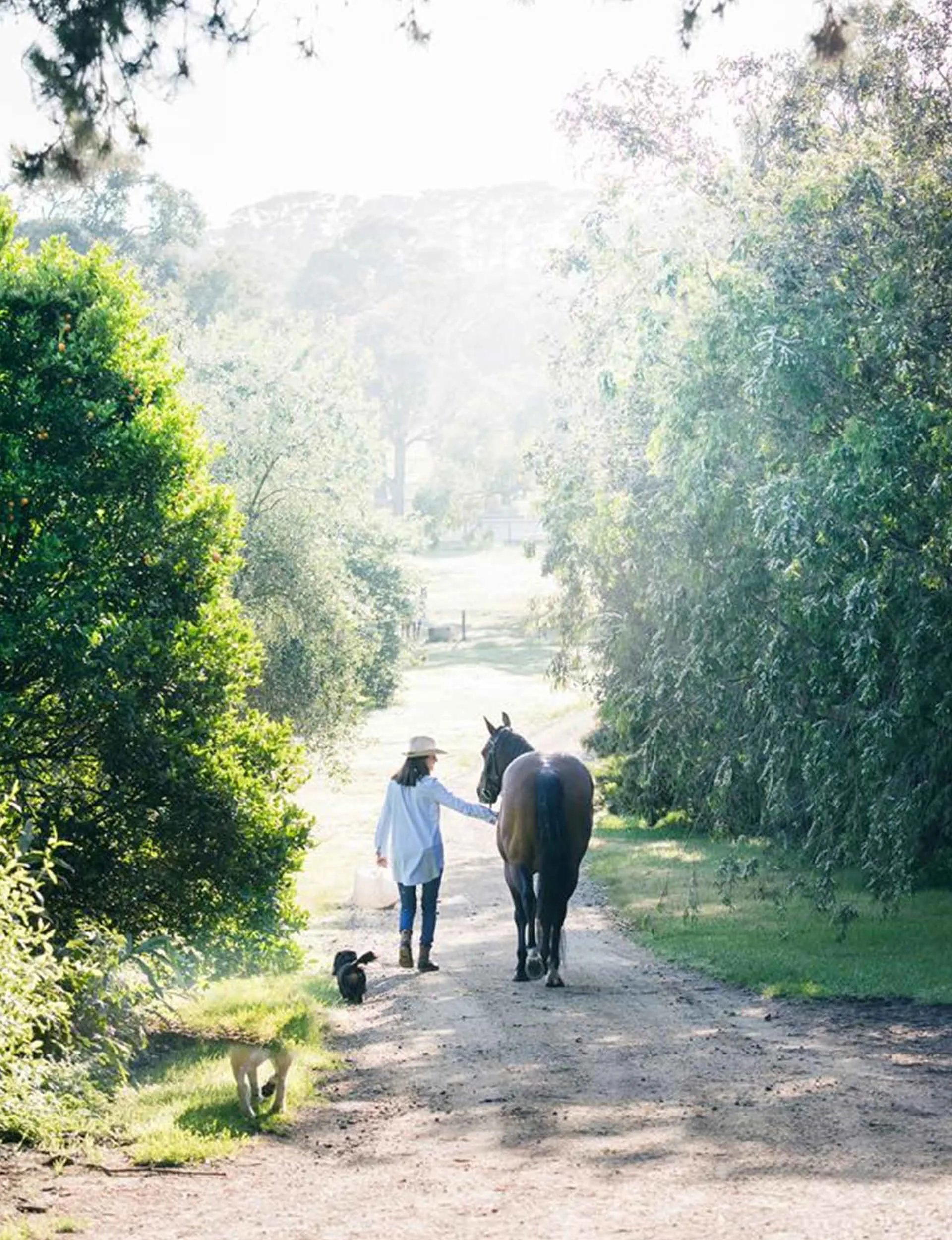
Approaching the Baillieu Vineyard experience, the cues are rural rather than theatrical: Merricks, vineyard country, native grasses, natural bushland and a cellar-door setting that keeps the emphasis on the glass. Mornington Peninsula wine is often discussed through its coastal coolness, but the more useful question is how each site captures ripeness without losing freshness. Here, the answer begins with a north-facing single-vineyard estate on 64 hectares, where well-draining loamy soil and protected ground give the wines their frame.
The estate was established in 1999, late enough to belong to the Peninsula’s modern confidence rather than its pioneering phase. That matters. By the late 1990s, the region had already made a strong case for cool-climate Chardonnay and Pinot Noir; newer producers had to be precise about site, farming and identity. Baillieu Vineyard sits in that second wave with a compact production logic: small scale, estate-grown fruit, sustainable viticulture and a portfolio focused on still red and still white wines rather than cellar-door sprawl.
North-facing Merricks fruit, read through cool-climate restraint
Mornington Peninsula’s reputation rests on a tension: maritime coolness lengthens the growing season, while the right slope and soil help grapes reach flavour without excessive weight. Baillieu Vineyard’s north-facing aspect is the key physical fact. In southern hemisphere viticulture, that exposure helps capture sun in a cool region, and the vineyard’s loamy, well-draining soil supports the kind of measured ripening that suits Chardonnay, Pinot Noir and Shiraz.
The estate-grown model also narrows the lens. Many Australian cellar-door experiences present a regional collection; this one is more specifically about a single property. That distinction changes how to taste. Chardonnay can be read for the site’s white-wine line, Pinot Noir for the Peninsula’s red-wine calling card, and Shiraz for how a cooler Victorian coastal region handles a grape often associated with warmer Australian zones. The point is not breadth for its own sake, but a controlled view of what Merricks fruit can do.
Winemaking is credited to Geraldine McFaul, with the production philosophy described as sustainable. The more interesting editorial signal is the division of labour between vineyard and cellar: small producers in serious Australian regions increasingly depend on exact farming and specialist winemaking rather than a grand public-facing estate. Baillieu Vineyard fits that pattern, with the vineyard’s setting doing much of the interpretive work before any tasting note is needed.
The award-winning designation attached to the wines gives the estate a trust signal, though the stronger reason to pay attention is structural: a single-vineyard source, a defined cool-climate appellation, and a concise varietal focus. In a region crowded with lifestyle cellar doors, those facts create a sharper reading of place.
A cellar-door format that keeps the Peninsula casual
The hospitality style is relaxed, quiet and rustic, with complimentary tastings and a walk-in-friendly format. That makes the visit feel closer to old Peninsula cellar-door culture than to the more designed, reservation-heavy end of Australian wine tourism. The setting at Merricks Store also changes the tempo: rather than isolating wine as a luxury ritual, the experience folds it into a local stop built around wine, produce and the everyday movement of the village.
This is a useful format for visitors who want education without ceremony. The tasting type is complimentary, the visit style is casual, and the occasion range is broad enough for solo exploration, group outings and families. Good-for-groups status and a medium capacity tier point to a cellar door that can absorb social visits, while the quiet noise level and wine-education tag suggest it is not built around party traffic. Outdoor seating and food pairing are not part of the core offer, so the visit is better understood as a tasting-led stop rather than a long lunch destination.
The vineyard’s atmosphere also reflects a wider Mornington Peninsula split. Some properties have moved toward architecture, restaurant programs and appointment-led prestige. Others retain the region’s more grounded grammar: counter tastings, conversation, local roads, vineyard views and a short list of varieties that tell the story efficiently. Baillieu Vineyard belongs to the latter camp, which is exactly its appeal for travellers who prefer terroir over performance.
How to place it in a Merricks wine day
Merricks rewards a slower itinerary. The area’s wine appeal is not density alone, but the way cellar doors sit between farmland, bushland and coastal weather. Baillieu Vineyard works as a compact, low-friction stop within that rhythm: allocate roughly 60 to 90 minutes, dress casually, and treat the tasting as an introduction to a single estate rather than a survey of the whole Peninsula. Visitors looking for the broader city edit can start with Our full Merricks Vic wineries guide, then widen the day with Our full Merricks Vic restaurants guide, Our full Merricks Vic hotels guide, Our full Merricks Vic bars guide and Our full Merricks Vic experiences guide.
For broader Australian wine context, the cellar-door contrast is instructive. Urban and regional projects can pull wine in different directions: brand-led city formats such as 19 Crimes in Southbank and Accolade Fine Wines in Melbourne read differently from estate-focused regional addresses such as Adelina Wines in Clare Valley, Alkina Estate in Greenock, Alkina Wine Estate in Barossa Valley and All Saints Estate in Rutherglen. Even more peripheral listings, from Allegiance Wines in Alstonville to Alice Springs Brewing Co in Alice Springs, show how broad the category has become. International references such as »der Steiner« Hans Steiner in Podersdorf am See and & Handwein in Mannheim only underline the point: wine travel now ranges from place-specific farming to urban beverage culture, and Baillieu’s value is firmly on the place-specific side.
The critical read is simple. This is not the Peninsula at its flashiest; it is the Peninsula in a quieter, site-led register. Go for a clear look at Merricks fruit, especially if Chardonnay and Pinot Noir are the reference points, and for a cellar-door format that lets the land carry the argument.
Recognition history
Dated appearances from independent guides and award organizations, with the underlying list record or original source where available.
Falstaff Winery - Listed
Falstaff
Details
- Scenic
- Quiet
- Classic
- Rustic
- Group Outing
- Solo Exploration
- Wine Education
- Estate Grounds
- Vineyard Tour
- Design Destination
- Private Tasting
- Sustainable
- Vineyard
- Chardonnay
- Pinot Noir
- Shiraz
- Still Red
- Still White
- Complimentary Tasting
A relaxed cellar-door setting at Merricks Store with complimentary tastings and a focus on award-winning Mornington Peninsula wines; the vineyard is described as picturesque and north-facing with natural bushland and native grasses.