Azienda Agricola Raineri Gianmatteo

A small Langhe estate in Farigliano, Azienda Agricola Raineri Gianmatteo works in a classical Piedmontese register: Nebbiolo, Dolcetto, Barolo DOCG, manual vineyard work, and a quiet rural setting. Founded in 2005, it suits travelers who want a guided, appointment-led winery visit focused on terroir rather than cellar-door spectacle.
Pearl is the En Primeur Club membership app — saves, bookings, and concierge access live there. Same editors, same standards.
- Address
- Farigliano, Piedmont, Italien
 Saves & bookings on Pearl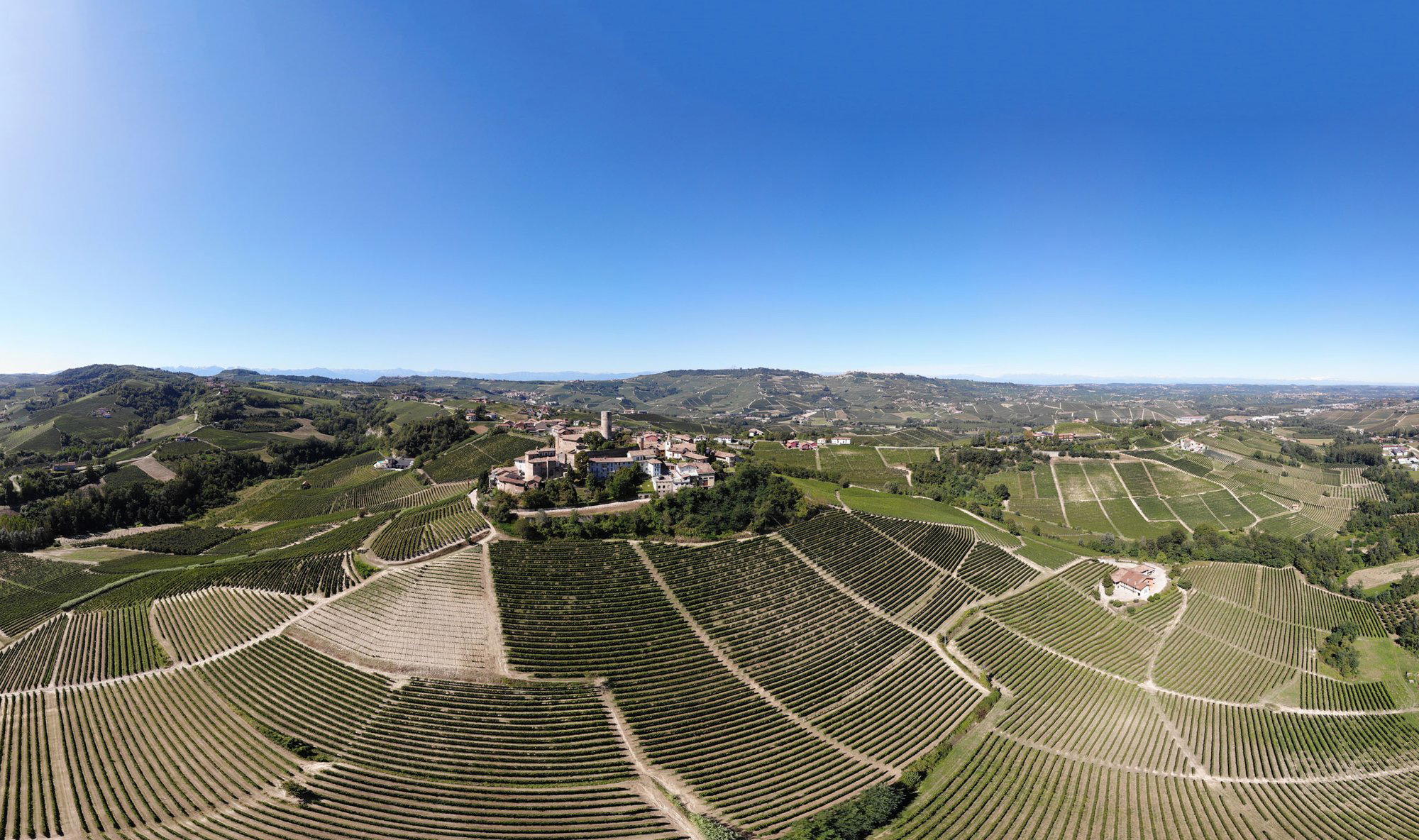
Azienda Agricola Raineri Gianmatteo is best understood as a small, classical Piedmontese wine estate in Farigliano rather than as a broad hospitality venue. The profile is concise: a rural winery setting, a focus on Langhe and Barolo, manual vineyard work, and careful, low-intervention cellar practice. That is enough to place it within the quieter side of Piedmont wine travel, where the draw is not spectacle but the relationship between landscape, farming and cellar restraint.
For visitors planning around Farigliano, the useful expectation is a rustic yet refined atmosphere rooted in the traditional countryside of the Langhe. The estate’s identity is not presented through a long list of amenities, menus or visitor services in the record. It is presented through place and method: a small Piedmontese property whose emphasis falls on vineyard labor and a restrained approach in the cellar.
Langhe character and a Barolo-focused identity
The strongest grounded statement about Azienda Agricola Raineri Gianmatteo is its orientation toward Langhe and Barolo. In this part of Piedmont, those words carry a great deal of meaning even before more specific details are supplied. They point to a wine culture shaped by hill farming, structured reds, patient cellar work and a traditional agricultural rhythm. The estate fits that frame as a small, classical producer rather than a large, high-volume destination.
The safer and more useful way to read the estate is as a Farigliano address with a Langhe and Barolo focus, where the interest lies in the setting and the stated philosophy. Travelers looking for exact tasting formats, current releases or bottle availability should confirm those details directly before building a day around them.
Manual vineyard work is one of the clearest elements. In the Langhe context, that matters because the region’s wine identity is tied closely to farming decisions and to the handling of difficult hillside sites. The point is not merely aesthetic. Manual work suggests a hands-on relationship with the vines and a small-estate pace, which matches the rural, traditional character associated with Azienda Agricola Raineri Gianmatteo.
A small rural estate rather than a broad visitor complex
The description does not support claims about a restaurant, lunch service, tasting menu, tour languages, parking, seating, delivery, a wine club, a food-pairing program or specific booking rules. That absence should be treated carefully. It does not mean those things are impossible; it simply means they are not confirmed here. For a premium guide, the honest conclusion is that the venue should be framed around its confirmed wine-estate character, not around hospitality details.
What can be said is that the atmosphere is traditional, rural and rooted in Piedmontese estate culture. The setting is described as rustic yet refined, which is a useful phrase for travelers deciding whether the address suits them. It suggests a place for people who appreciate agricultural context and quiet regional character more than a polished resort-style environment.
It should not be converted into tasting fees, bottle prices, dining prices or package costs. Treat it simply as a general price indicator. Anyone planning a visit should check current practical information through the venue’s own channels, especially because the confirmed data does not establish opening hours or visit format.
Why this address belongs on a terroir-led Piedmont itinerary
The winery belongs on a Piedmont itinerary for travelers who want to understand the quieter agricultural side of the Langhe. The appeal is the combination of Farigliano, a Barolo-oriented identity, manual vineyard work and low-intervention cellar practice. Those elements describe a producer whose interest is grounded in continuity rather than novelty.
The phrase “low-intervention” should also be read with precision. In the profile, it supports the idea of careful cellar practice rather than a detailed technical claim about fermentation, aging vessels, filtration or additives. The page should not infer a complete winemaking protocol from that phrase. It is better understood as part of the estate’s broader classical attitude: careful, restrained and focused on the character of the place.
For travelers comparing options in Farigliano, other dining, lodging and wine plans should be researched separately. The estate itself should be approached as a small Piedmontese wine address with a rural atmosphere and a Langhe-Barolo focus.
The editorial read is simple: choose the winery if you are drawn to a traditional Farigliano estate, manual vineyard work, careful low-intervention cellar practice and the cultural world of Langhe and Barolo. Do not choose it on the basis of unsupported claims about menus, services, exact tastings, awards or visitor facilities. Its confirmed strength is quieter and more fundamental: a rustic yet refined Piedmontese winery setting shaped by the landscape around it.
Recognition history
Dated appearances from independent guides and award organizations, with the underlying list record or original source where available.
Falstaff Winery - Listed
Falstaff
Continue exploring
More in Farigliano
Wineries in Farigliano
Browse all →

At a Glance
- Rustic
- Classic
- Scenic
- Intimate
- Romantic Getaway
- Group Outing
- Wine Education
- Special Occasion
- Solo Exploration
- Estate Grounds
- Vineyard Tour
- Panoramic View
- Vineyard
- Mountain
- Langhe Doc; Barolo DOCG
- Nebbiolo
- Dolcetto
- Still Red
- Traditional Bar Tasting
- Vineyard Visit
- Guided Tasting
A small, classical Piedmontese estate focused on Langhe and Barolo, with a traditional, rural winery setting that emphasizes manual vineyard work and careful, low-intervention cellar practice, conveying a rustic yet refined atmosphere rooted between Barolo and Monforte d’Alba.