
Azienda Agricola Comparini is a small family estate in Empoli, working 12 hectares in the Val d’Elsa empolese with an artisanal, estate-grown approach. Its appeal is less about spectacle than scale: about 10,000 bottles a year, manual harvesting, non-invasive winemaking, and a compact Toscana IGT portfolio that moves between Sangiovese, Riesling, Merlot and Cabernet Sauvignon.

Pearl is the En Primeur Club membership app — saves, bookings, and concierge access live there. Same editors, same standards.
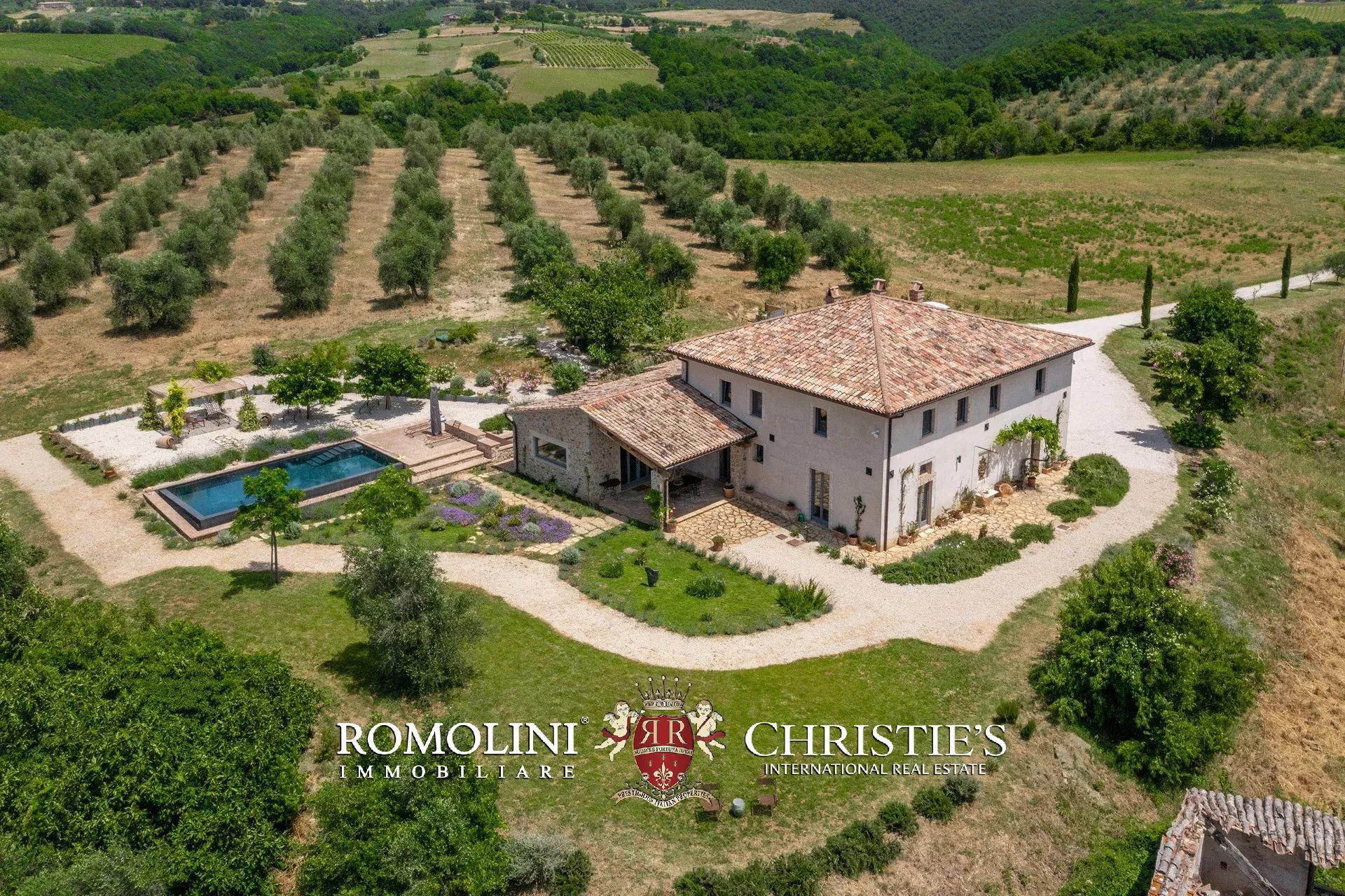
Empoli has a quieter kind of appeal, and Azienda Agricola Comparini fits that mood. The picture is of a rustic, family-run estate with a small-production, hands-on winemaking focus. Rather than leaning on a highly polished hospitality story, it is best understood as a low-key Empoli address for travellers who value artisanal scale and a hidden-gem atmosphere. In that sense, its appeal comes less from a checklist of visitor features and more from the understated character already associated with it: modest, classic, and rooted in a smaller way of working.
That positioning is useful because it keeps expectations clear. Not every wine stop needs to be framed as a destination with an expansive public-facing programme. Some estates are better read through tone, scale, and the kind of traveller they suit. Azienda Agricola Comparini belongs in that quieter category, where the draw is the suggestion of a family-run place and a rustic local identity rather than a broad commercial presentation.
A small-production estate in Empoli
Azienda Agricola Comparini is presented as an artisanal, family-run estate in Empoli. A reliable way to frame it is through scale and atmosphere: quiet, rustic, classic, and centered on hands-on winemaking rather than a broad commercial experience. Those words matter because they describe a venue whose identity rest on its smaller footprint, not on volume, spectacle, or a heavily packaged visitor offer.
For planning purposes, the grounded facts are simpler: this is a small-production estate in Empoli with a modest price marker and a family-run character. That combination gives it a specific place in the local landscape. It is the kind of address that may interest travellers who prefer to seek out less obvious stops and who are comfortable with a more direct, less embellished style of wine experience.
That restraint matters for readers comparing wine stops. The winery should not be approached as a venue defined by spectacle or a long list of confirmed public amenities. The available framing points instead to something more compact and personal in feel. Anyone choosing it should do so because that modesty is part of the appeal, not because they expect the infrastructure or predictability of a larger, more visitor-oriented operation.
A family-run atmosphere where scale shapes the experience
The estate’s strongest confirmed identity is its family-run, hands-on character. Wine-focused travel can range from large commercial operations to intimate producers, and the winery sits on the quieter side of that spectrum. That quieter side has its own value: it can feel more grounded, more local, and more connected to the practical work behind the wine, even when few public details are available.
For travellers, that means expectations should stay practical. It is safest to treat the estate as a modest, artisanal Empoli wine address and confirm current visit details directly before making plans. A small-production setting can be rewarding precisely because it is not overbuilt, but that also means assumptions are risky. Before arranging a route around it, visitors should check what is possible, what is available, and whether the experience matches the kind of stop they have in mind.
Price positioning is listed as $, which suggests a modest category. Beyond that, no specific bottle prices, tasting fees, packages, or service inclusions. The important point is not to read too much into the marker. It helps place the winery broadly as accessible in tone, but it does not provide enough detail to confirm what a visitor will pay or what will be included in any particular arrangement.
This is also where the family-run description becomes central. In a smaller setting, the personality of the estate and the rhythm of its work can shape the whole impression. The experience, if arranged, should be understood through that lens: less formal, less expansive, and more dependent on the estate’s own scale and availability. That is not a limitation for every traveller; for some, it is exactly the reason to consider it.
How to place it in an Empoli wine itinerary
Empoli rewards travellers who look beyond particularly obvious Tuscan circuits. The winery can be considered as part of a quieter local plan, especially for those interested in family-run, small-production estates rather than heavily branded experiences. It works well for an itinerary that values atmosphere, locality, and a more understated sense of discovery.
Confirm any visit arrangements directly, then pair the stop with other dining or experiences in Empoli as needed. That practical step is especially important here because the public-facing details are limited. Instead of treating the estate as a fully defined attraction, travellers should use it as one piece of a flexible Empoli plan, allowing room for confirmation and adjustment.
Readers mapping a wider wine route should treat the winery as a low-key Empoli reference point: rustic, quiet, classic in feel, and grounded in a hands-on small-production approach. Its value lies in that specific positioning. For travellers drawn to hidden-gem addresses and modest family-run producers, it offers a way to think about Empoli through a more intimate wine lens, while still keeping plans realistic and evidence-led.
Recognition history
Dated appearances from independent guides and award organizations, with the underlying list record or original source where available.
Falstaff Winery - Listed
Falstaff

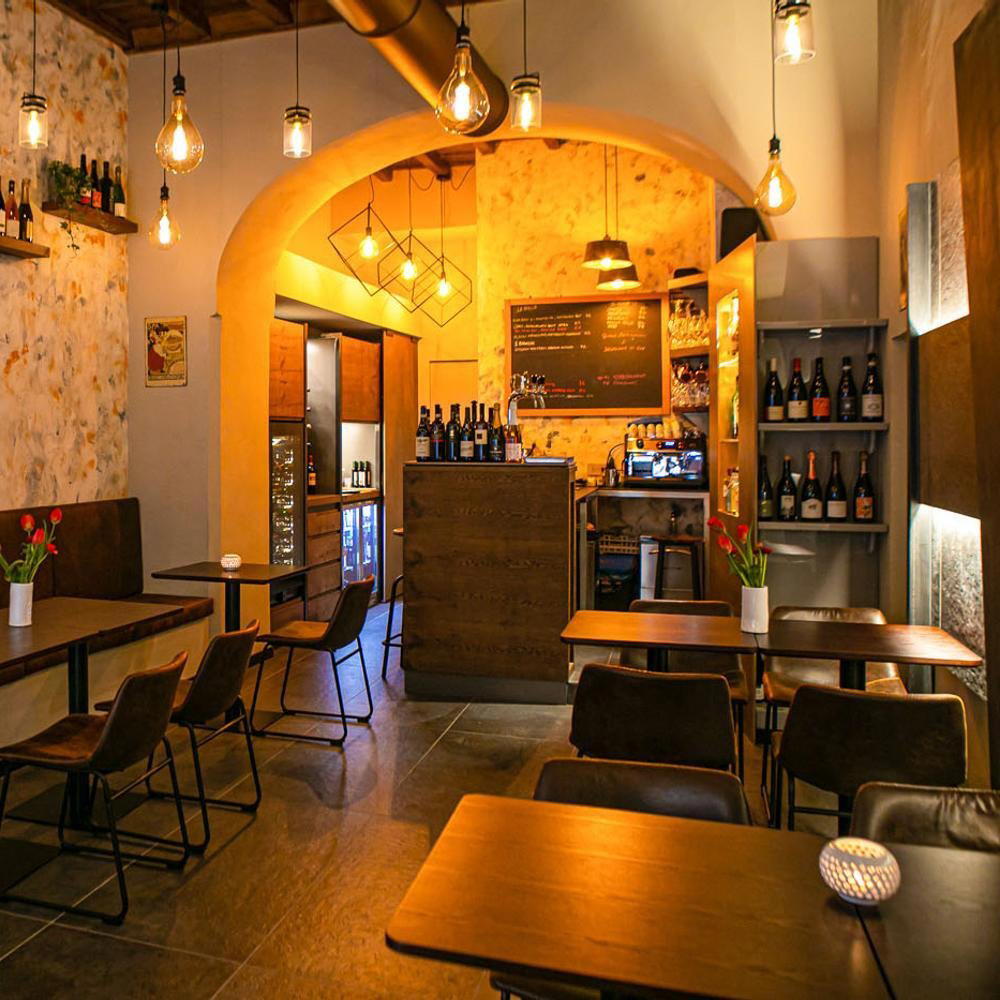

At a Glance
- Rustic
- Quiet
- Classic
- Solo Exploration
- Special Occasion
- Wine Education
- Historic Building
- Vineyard Tour
- Vineyard
- Toscana IGT
- Riesling
- Sangiovese
- Merlot
- Cabernet Sauvignon
- Still White
- Still Red
- Tasting Room
Artisanal, family-run estate atmosphere with a small-production, hands-on winemaking focus.