Amaro Lucano is a heritage industrial distillery in Pisticci, tied to Basilicata through a family recipe first created in 1894. The draw is not vineyard scenery but the amaro tradition itself: more than 30 botanicals, a museum-led visitor experience, and a spirit that moves between after-dinner ritual and contemporary cocktail culture.

Pearl is the En Primeur Club membership app — saves, bookings, and concierge access live there. Same editors, same standards.
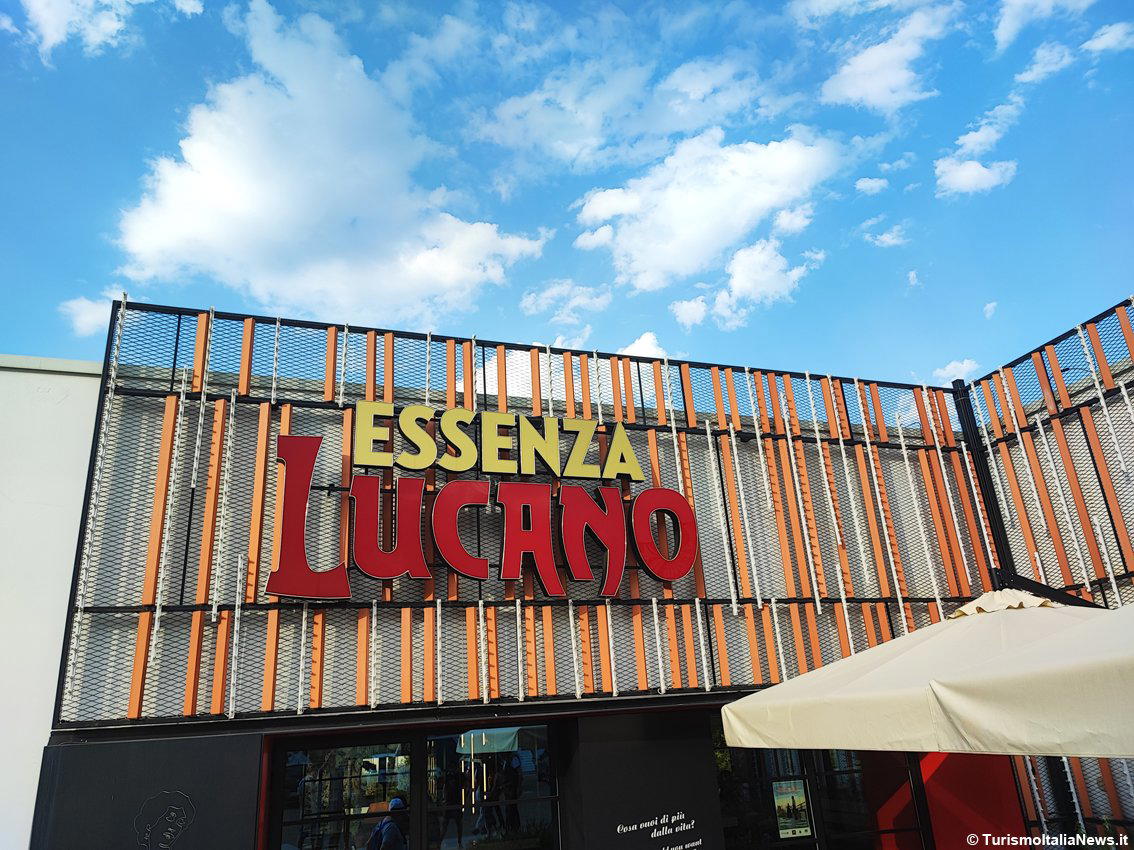
Amaro Lucano in Pisticci is best understood as a heritage spirits stop rather than a scenic vineyard-style escape. The picture is a working industrial distillery with a strong sense of tradition, production, and family memory. Its appeal comes from the contrast between an well-known herbal amaro name and the practical setting in which that identity is made tangible: a place where the story of the Vena family, the production process, and the brand’s classic character matter more than landscape theater.
That framing is useful for travelers because an amaro visit asks for a different lens than a conventional restaurant, bar, or winery stop. The draw is not a long menu, a chef-led dining room, or a panoramic estate. The confirmed personality is industrial, classic, and rooted in heritage. Amaro Lucano is the kind of venue to consider when you want a clearer sense of how a regional drinking tradition is connected to production, continuity, and a family story.
Basilicata's amaro identity is built from botanicals, family continuity, and industrial scale
The editorial reason to pay attention to Amaro Lucano is the relationship between herbal amaro and place. The venue’s confirmed identity centers on a working distillery environment, the story of the Vena family, and the processes behind a traditional herbal liqueur. Rather than presenting Basilicata through a scenic hospitality formula, it presents the region through production: the making, maintaining, and communicating of an well-known amaro identity.
That makes the atmosphere more concrete than romantic. Expect the language of heritage, production, and continuity rather than the language of tasting-menu luxury or resort-style leisure. The stronger and more reliable point is that winery’s appeal rests on tradition and industrial craft: a classic name tied to a place, a family narrative, and the disciplined making of herbal amaro.
This is also why the venue sits slightly outside the usual categories travelers use when planning a food-focused day. It is not simply a bar, not simply a factory, and not a restaurant in the normal sense. It is a production-led heritage address where the central subject is amaro itself. For visitors interested in the after-dinner side of Italian drinking culture, that can be as meaningful as a meal, because it explains the bitter, herbal register that often closes a dining experience.
The confirmed price level is moderate, listed as $$. That gives the listing a practical anchor without overstating what is included. What can be said confidently is that the venue’s value is tied to its classic industrial heritage and to the Vena family story behind the amaro.
The visitor format reads closer to a spirits museum than a winery tasting room
The winery’s confirmed feel is closer to a production-focused spirits address than to a countryside wine estate. The setting is industrial and well-known, with a strong emphasis on how tradition is carried through a working distillery. That distinction matters. A winery visit is often framed by vineyards, vintages, and landscape. Here, the more reliable frame is production process, family continuity, and the cultural place of herbal amaro.
A more accurate expectation is that the venue’s identity is built around the making and meaning of the winery. Travelers should approach it as a heritage production stop: a chance to connect Pisticci with one of its most recognizable amaro stories, rather than as a guaranteed dining or bar experience.
The atmosphere is described as classic and industrial, which also helps set expectations for dress and mood. This is not positioned as a formal fine-dining room or a picturesque vineyard estate. It is a working distillery environment with a strong sense of tradition. That makes it especially relevant for travelers who like places where process is visible in the identity of the venue, even when specific visitor details need to be confirmed directly.
For editorial purposes, the safest way to describe the winery is as a heritage-driven distillery in Pisticci whose character comes from production, herbal amaro, and the Vena family narrative. Anything more specific, unless confirmed directly, risks turning a solid listing into an overpromised one. The appeal is already clear without embellishment: an well-known amaro name in the city most closely tied to its identity.
How to place it in a Pisticci itinerary
In a Pisticci itinerary, the winery works well as a drinks-culture anchor. It broadens a food trip beyond meals and into the rituals that surround them: the bitter, herbal, traditional end of the table. Visitors often plan around restaurants, bars, hotels, and local experiences; this venue adds the production side of taste, showing how a classic amaro identity can be part of the city’s cultural texture.
Because confirmed operational details are limited here, the practical advice is simple: treat the winery as a planned stop and verify current arrangements before going. Do not assume lunch, dinner, a particular tasting, a walk-in visit, a specific schedule, dietary accommodations, or retail services unless those details are confirmed directly by the venue. The information supports the idea of a moderate-price, heritage-focused industrial distillery experience in Pisticci, not a detailed promise about every element of a visit.
Compared with other dining and drinking options in Pisticci, the winery stands apart because its subject is production heritage. The editorial case is not that it replaces a meal, but that it gives context to the broader culture of eating and drinking. It is strongest for travelers who care about how a local identity can survive through an industrial distillery, a family story, and the continuing appeal of herbal amaro.
Continue exploring
More in Pisticci
Hotels in Pisticci
Browse all →
At a Glance
- Well Known
- Industrial
- Classic
- Group Outing
- Solo Exploration
- Special Occasion
- Wine Education
- Historic Building
- Estate Grounds
- Design Destination
- Guided Tasting
- Museum Visit
Working industrial distillery with a strong sense of heritage rather than a scenic vineyard estate; atmosphere emphasizes tradition, production processes, and the story of the Vena family and their herbal amaro.