Alvar de Dios Hernández

Álvar de Dios Hernández belongs to the quieter, more terroir-led side of Castilla y León wine: old vines, sandy Toro soils, high-altitude Zamoran sites and a cellar language built around restraint rather than extraction. The project is small in scale, focused on organic and biodynamic farming, indigenous yeasts and limited-production wines from El Pego and Arribes del Duero.

Pearl is the En Primeur Club membership app — saves, bookings, and concierge access live there. Same editors, same standards.
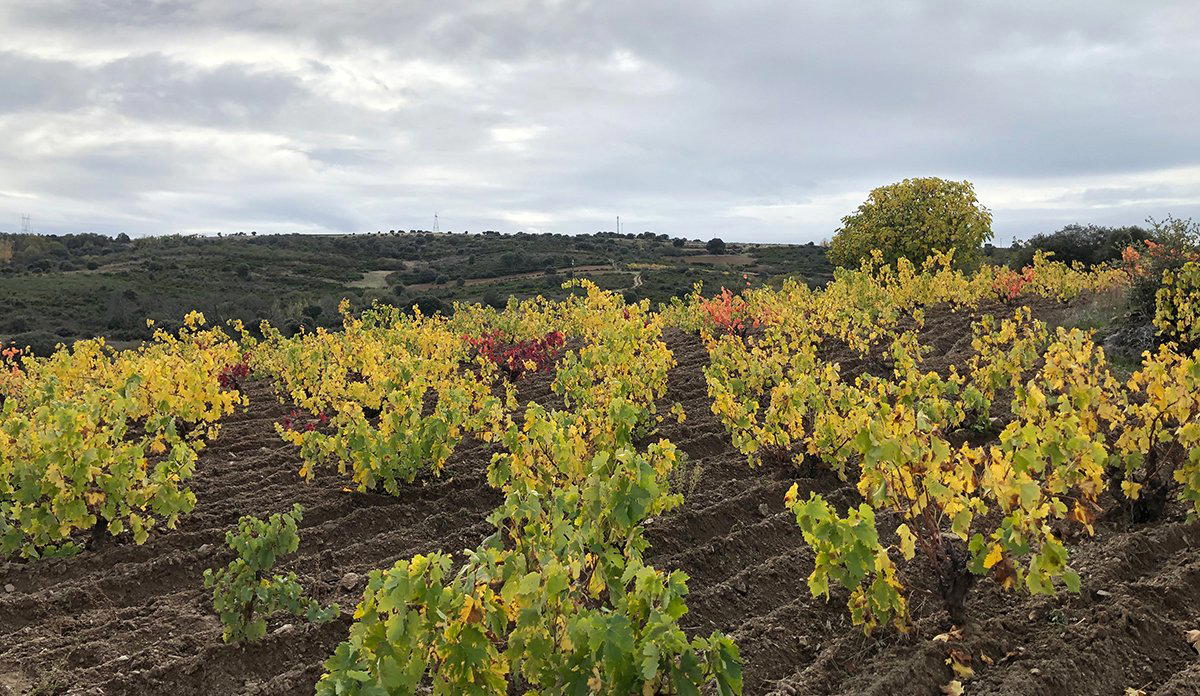
Alvar de Dios Hernández in El Pego Zamora is best understood as a small, cult-status artisanal winery rather than a polished visitor attraction. The picture is concise but distinctive: sandy, phylloxera-free vineyards, rugged Arribes terraces, low-intervention winemaking and a terroir-driven style that emphasizes freshness, minerality and traditional farming.
That makes the producer a useful reference point for travellers and collectors who are more interested in place than spectacle. The draw is not a broad hospitality complex or a heavily programmed tasting format; it is the sense of a Zamora wine project rooted in difficult soils, old vineyard culture and a deliberately unvarnished approach to wine.
For wider planning, EP Club’s city rails sit separately: Our full El Pego Zamora wineries guide is the starting point for wine travel, while Our full El Pego Zamora restaurants guide, Our full El Pego Zamora hotels guide, Our full El Pego Zamora bars guide and Our full El Pego Zamora experiences guide place the winery within a broader Zamora itinerary.
Sandy vineyards, phylloxera-free roots and a fresher reading of Zamora wine
One important feature is the vineyard base. Alvar de Dios Hernández is rooted in sandy, phylloxera-free vineyards around El Pego Zamora. In wine terms, that matters because sandy soils can preserve old vine material and give a producer a direct connection to vineyard history. Here, the point is not luxury architecture or polished cellar-door theatre; it is the agricultural character of the site.
The winery’s style is described as low-intervention and terroir-driven. Those phrases can be overused, but in this case they are grounded in the identity of the estate: traditional farming, sandy vineyards, rugged terraces and wines that aim for freshness and minerality rather than heavy cosmetic polish. The result is a producer profile built around restraint, site expression and a clear sense of place.
For readers approaching El Pego Zamora as a wine stop, the practical takeaway is simple. This is a name to consider if you value artisanal production and vineyard character. It is not a page where details support claims about a specific tasting menu, visitor capacity, service schedule, exact vineyard size, named cuvées or a long list of amenities. The reliable story is narrower and stronger: a small Zamora winery shaped by sand, terraces and a low-intervention sensibility.
Arribes terraces and a rugged regional frame
The second part of the identity is the connection to rugged Arribes terraces. That adds a more dramatic landscape note to the producer’s profile and helps explain why the wines are framed around freshness, mineral tension and terrain. The emphasis is on geography and farming rather than on a standardized hospitality script.
What can be said is that Arribes contributes to the winery’s broader image: a rougher, more topographical side of Zamora wine, where terraces and traditional work matter more than polished presentation.
This is also where Alvar de Dios Hernández separates itself from a generic wine-tourism stop. The attraction is not a checklist of facilities. It is the idea of a small producer working from challenging vineyard settings and making wines that speak in a fresher, more mineral register.
For collectors, the appeal is artisanal focus rather than trophy architecture
The winery carries a cult-status profile, but the basis for that reputation is agricultural and stylistic rather than award-led. No confirmed award record is provided here, so the winery should not be presented through medals, rankings or formal accolades. Its appeal rests instead on the combination of small artisanal identity, sandy phylloxera-free vineyards, rugged Arribes terraces and low-intervention wines.
The price level is listed as $$$. That positions the winery as a premium-leaning choice, but without bottle prices, tasting fees or package details, it is better not to attach exact numbers. The grounded planning note is simply that visitors and buyers should expect a serious wine producer rather than a casual budget stop.
As a travel experience, the safest description is restrained: the winery is a winery in El Pego Zamora whose draw is terroir, farming and the character of its wines. Anyone planning a visit should confirm current arrangements directly before building an itinerary around it.
The critical read is direct. The winery is compelling because it reframes Zamora wine around sandy soils, phylloxera-free vineyard material, rugged terraces, freshness, minerality and traditional farming. The identity is already clear: a small, serious, low-intervention producer for drinkers who care about place more than polish.
Recognition history
Dated appearances from independent guides and award organizations, with the underlying list record or original source where available.
Falstaff Winery - 3 Stars
Falstaff
At a Glance
- Rustic
- Scenic
- Classic
- Intimate
- Solo Exploration
- Wine Education
- Romantic Getaway
- Group Outing
- Vineyard Tour
- Estate Grounds
- Panoramic View
- Historic Building
- Organic
- Biodynamic
- Dry Farmed
- Vineyard
- Mountain
- Toro DO
- Tempranillo
- Tinta De Toro
- Garnacha
- Doña Blanca
- Malvasía
- Rufete
- Still Red
- Still White
- Orange
- Skin Contact
- Bottle Purchases
- Private Tasting
Small, cult-status artisanal winery rooted in sandy, phylloxera-free vineyards and rugged Arribes terraces, producing low-intervention, terroir-driven wines that emphasize freshness, minerality and traditional farming over polished, visitor-focused facilities.