Alexander Koppitsch

Alexander Koppitsch gives Neusiedl am See a small-scale natural-wine address shaped by Lake Neusiedl, mixed soils and native Austrian varieties. The draw is not trophy architecture or formal cellar ritual, but a family estate working Blaufränkisch, Zweigelt, Grüner Veltliner, Welschriesling and Saint Laurent through biodynamic, low-intervention methods.
Pearl is the En Primeur Club membership app — saves, bookings, and concierge access live there. Same editors, same standards.
- Address
- Neusiedl am See, Lake Neusiedl, Burgenland, Österreich
 Saves & bookings on Pearl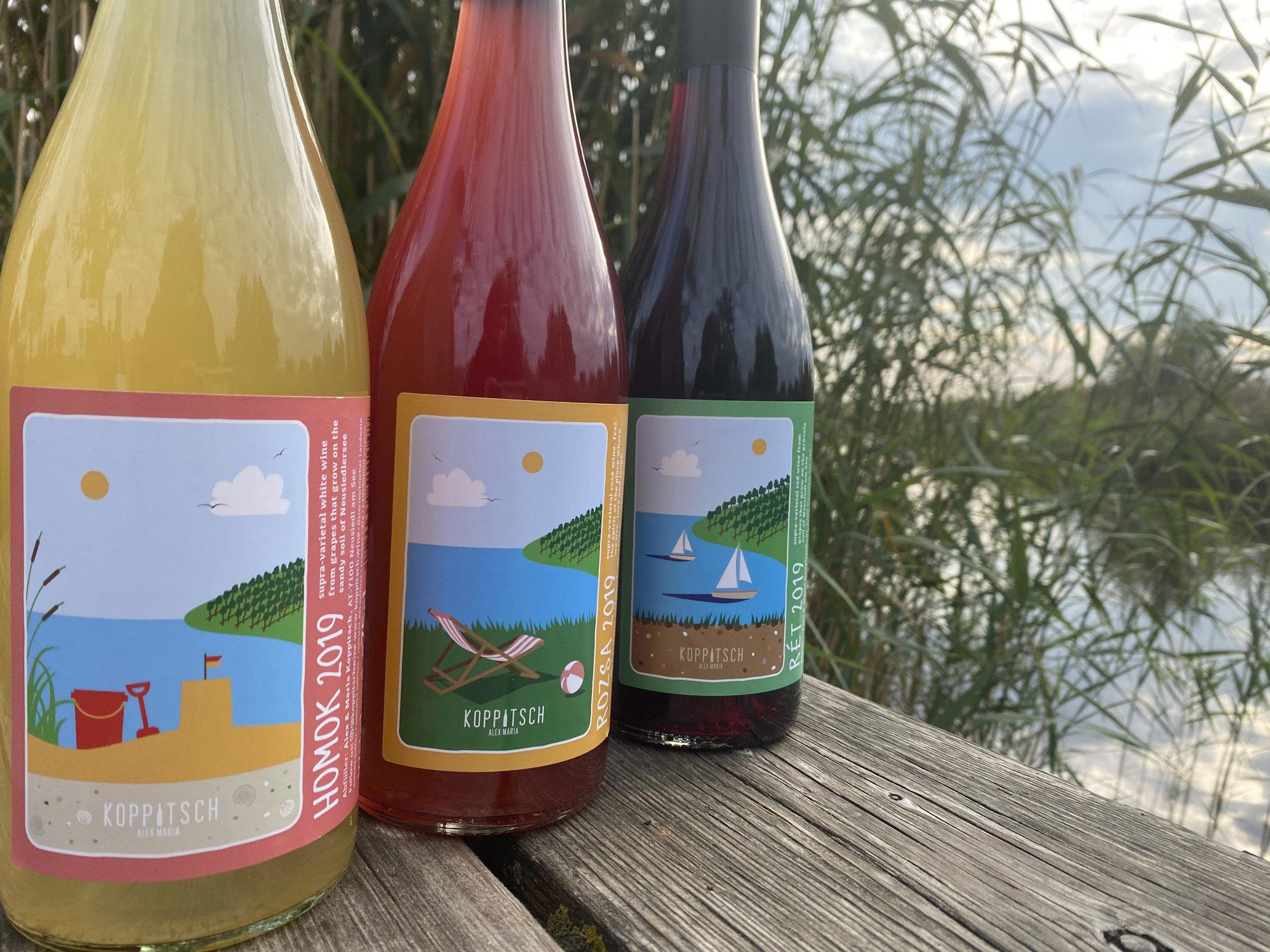
Approaching the wine country around Neusiedl am See, the landscape does not perform in grand gestures. Lake Neusiedl sits low and shallow, reeds soften the horizon, and the vineyards read as part of a working holiday region rather than a manicured luxury circuit. That physical restraint matters: Burgenland’s eastern edge has always made wines from weather, soil and borderland culture rather than spectacle. Alexander Koppitsch belongs to that quieter register, where the interest sits in the relationship between lake influence, native varieties and natural-wine discipline.
Lake Neusiedl, mixed soils and a natural-wine grammar
Neusiedlersee wine is shaped by moderation. The lake acts as a climatic buffer, giving warmth without the harsher extremes that can flatten detail in reds or make whites feel broad. Around Neusiedl am See, sand, clay, loam, gravel and limestone give producers several registers to work with, and the stronger contemporary estates increasingly treat soil as the organizing principle rather than a background note. Alexander Koppitsch makes that choice explicit: its standout feature is terroir-driven natural wine from a family vineyard on the lake, with blends arranged by soil type rather than by single-variety branding.
The estate is small, about 5.5 to 6.3 hectares across several sites, which puts it in the hand-worked, low-volume end of Austrian natural wine rather than the polished export-machine category. The varieties are rooted in the region: Blaufränkisch, Zweigelt and Saint Laurent for reds, Grüner Veltliner and Welschriesling for whites. The range also reaches into rosé, pét-nat, orange and skin-contact styles, a useful signal of where Burgenland’s natural-wine scene has moved: not away from regional identity, but toward less filtered ways of showing it.
The production language is clear. Biodynamic and organic farming, low-intervention cellar work and a natural-wine philosophy place the wines within the European movement that prioritizes spontaneous character over cellar correction. The point is not novelty for its own sake. In this part of Austria, where lake warmth can make fruit generous, minimal handling only works when vineyard choices are precise. The estate’s emphasis on soil-led blending gives structure to what could otherwise become a loose natural-wine aesthetic.
A family estate rather than a showroom cellar
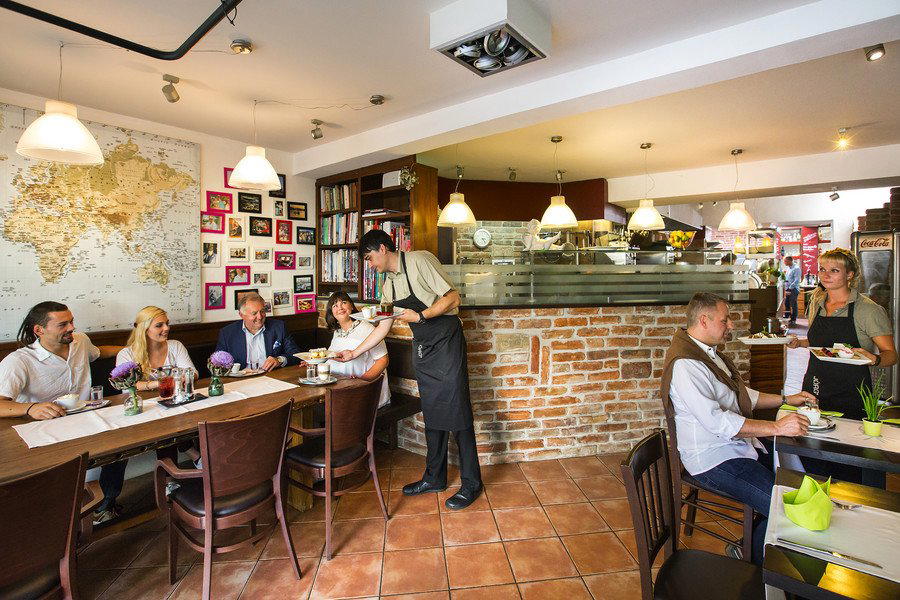
Modern chapter began in 2011, when Maria and Alexander Koppitsch took over the family vines and shifted the operation toward estate bottling. That date is useful because it separates inherited land from the current expression: the family history gives continuity, while the contemporary style belongs to the natural-wine generation that has made Burgenland more visible on international lists. The setting is described as rustic, quiet and intimate, with vineyard and waterfront cues rather than a formal tasting-room performance.
That informality is also part of the critical appeal. Many wine regions now split between architectural destination estates and small producers that ask visitors to focus on farming, fermentation and site. The winery sits in the second camp. The experience is better understood as wine education with a holiday-region softness around it, not as a grand hospitality production. Standard tastings and terroir-focused flights suit drinkers who want to understand why sand, clay and limestone matter in the glass, especially when the same regional grapes appear in different combinations.
Recognition here is more community-led than trophy-led. The estate’s wines circulate through natural-wine importers and have been written about by specialist wine and hospitality publications including Falstaff, Jenny & Francois Selections and Folkways Wines. That matters because natural wine often builds authority through sommeliers, importers and repeat listings before it accumulates mainstream medals. In practical terms, it places the estate in the conversation around serious low-intervention Burgenland rather than casual lake-country drinking alone.
How to read the range in Neusiedl am See
The range is broad for a small family estate, covering still red, still white, rosé, sparkling, pét-nat, orange and skin-contact wines. For first-time drinkers, the useful frame is not “which bottle is the flagship,” but which soil and style axis sounds right. Blaufränkisch and Saint Laurent carry the region’s red-wine identity; Grüner Veltliner and Welschriesling bring Austria’s white-wine vocabulary into a looser natural register. The lake-themed, relaxed aesthetic should not be mistaken for unserious production. Small acreage, biodynamic sourcing and soil-led blending demand more focus than a simple varietal lineup.
Within Neusiedl am See, it makes sense to view the estate as part of a wider local wine map rather than an isolated stop. Nearby listings such as Weinbau H.P. Harrer, Weinbau Herbert und Martina Matz, Weinbau Müllner, Weingut & Buschenschenke Preschitz and Weingut Christoph Hess help show how varied the city’s wine culture can be. For broader planning, use our full Neusiedl am See wineries guide alongside our full Neusiedl am See restaurants guide, our full Neusiedl am See hotels guide, our full Neusiedl am See bars guide and our full Neusiedl am See experiences guide.
The wider wine archive also rewards comparison across regions and styles: »der Steiner« Hans Steiner in Podersdorf am See, ®walzer in Gneixendorf Bei Krems, 1516 Brewing Company Distillery in Vienna, & Handwein in Mannheim and 00 Wines in Carlton point to how different producers define scale, place and technique. The winery is strongest for drinkers who want Burgenland through the lens of soil, lake climate and low-intervention farming rather than through formal grandeur.
Recognition history
Dated appearances from independent guides and award organizations, with the underlying list record or original source where available.
Falstaff Winery - Listed
Falstaff
Continue exploring
More in Neusiedl am See
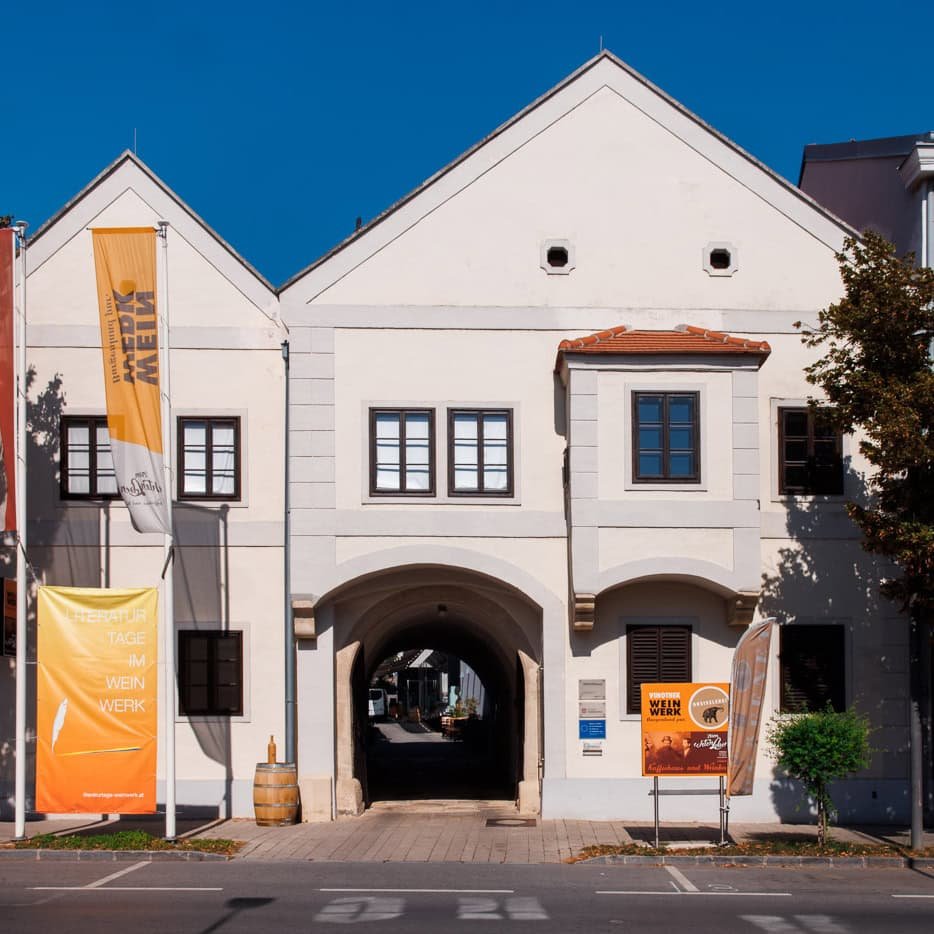
Wineries in Neusiedl am See
Browse all →
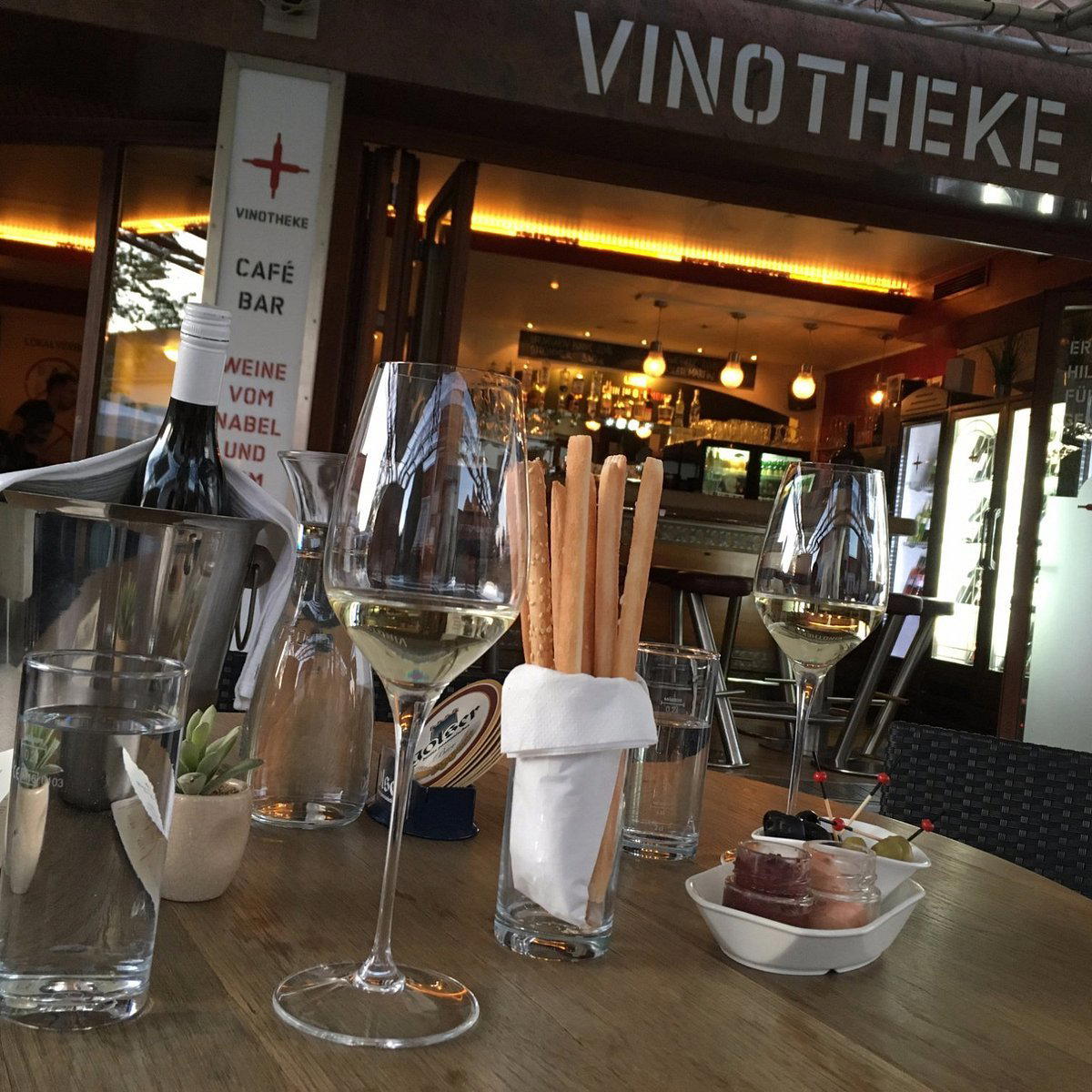
Bars in Neusiedl am See
Browse all →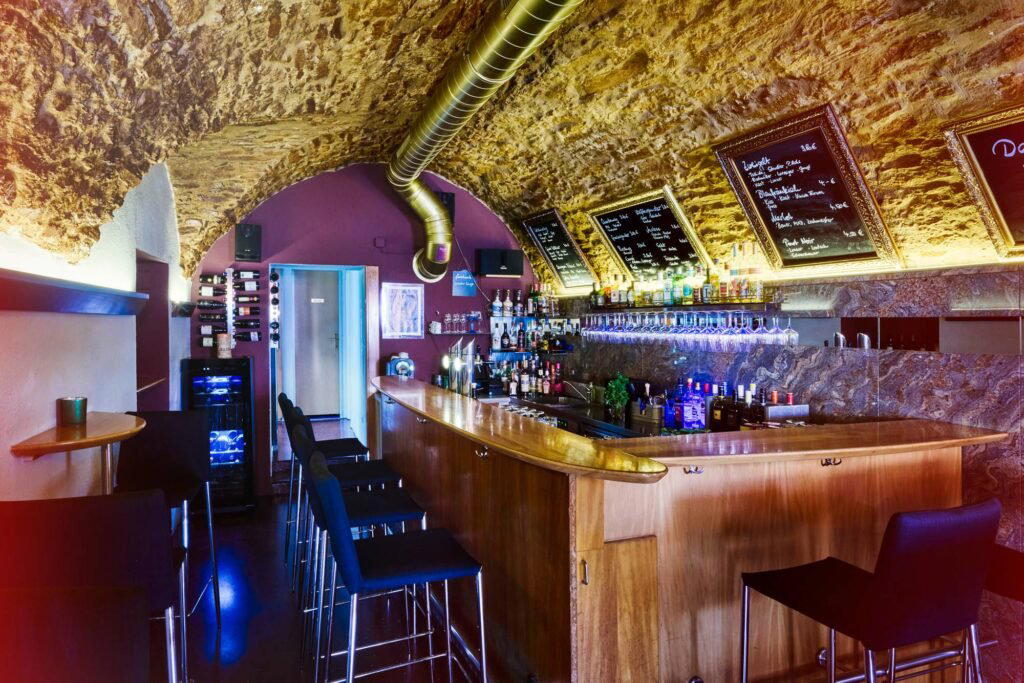
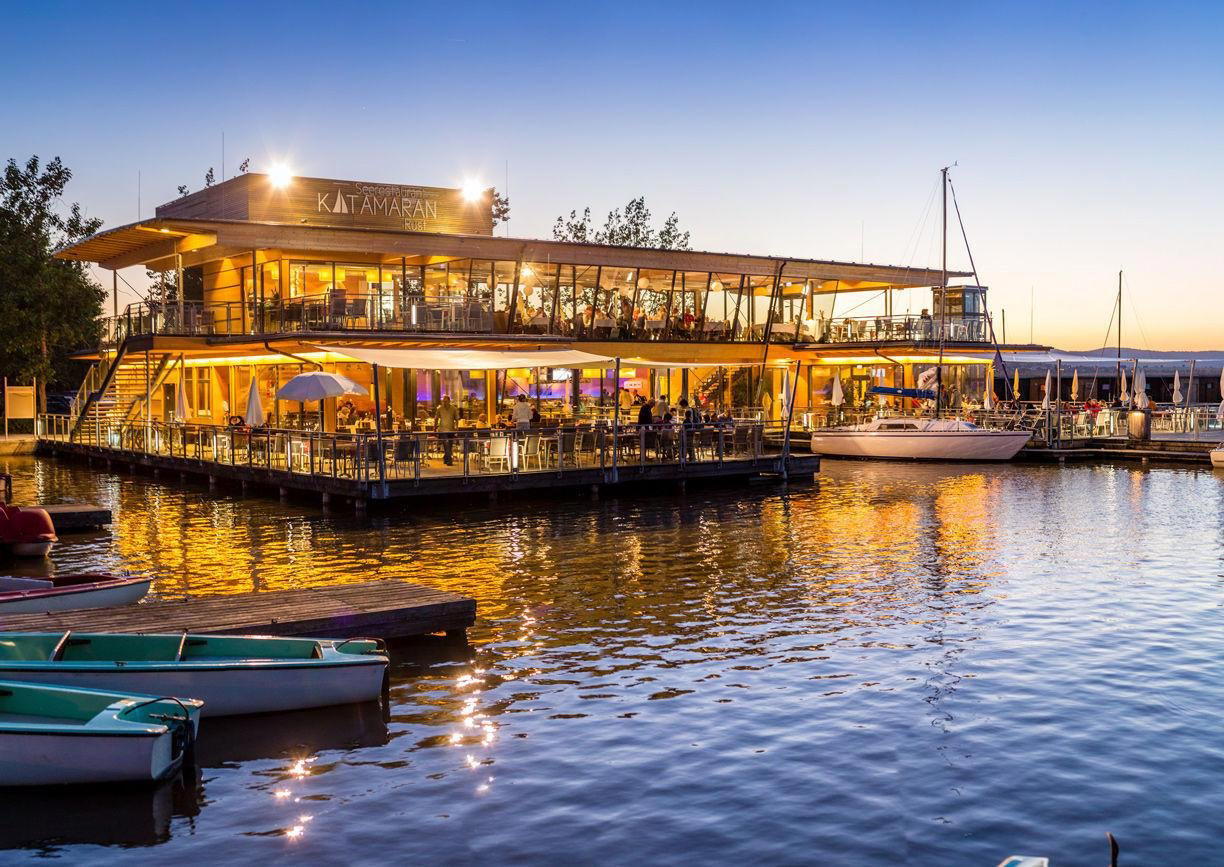
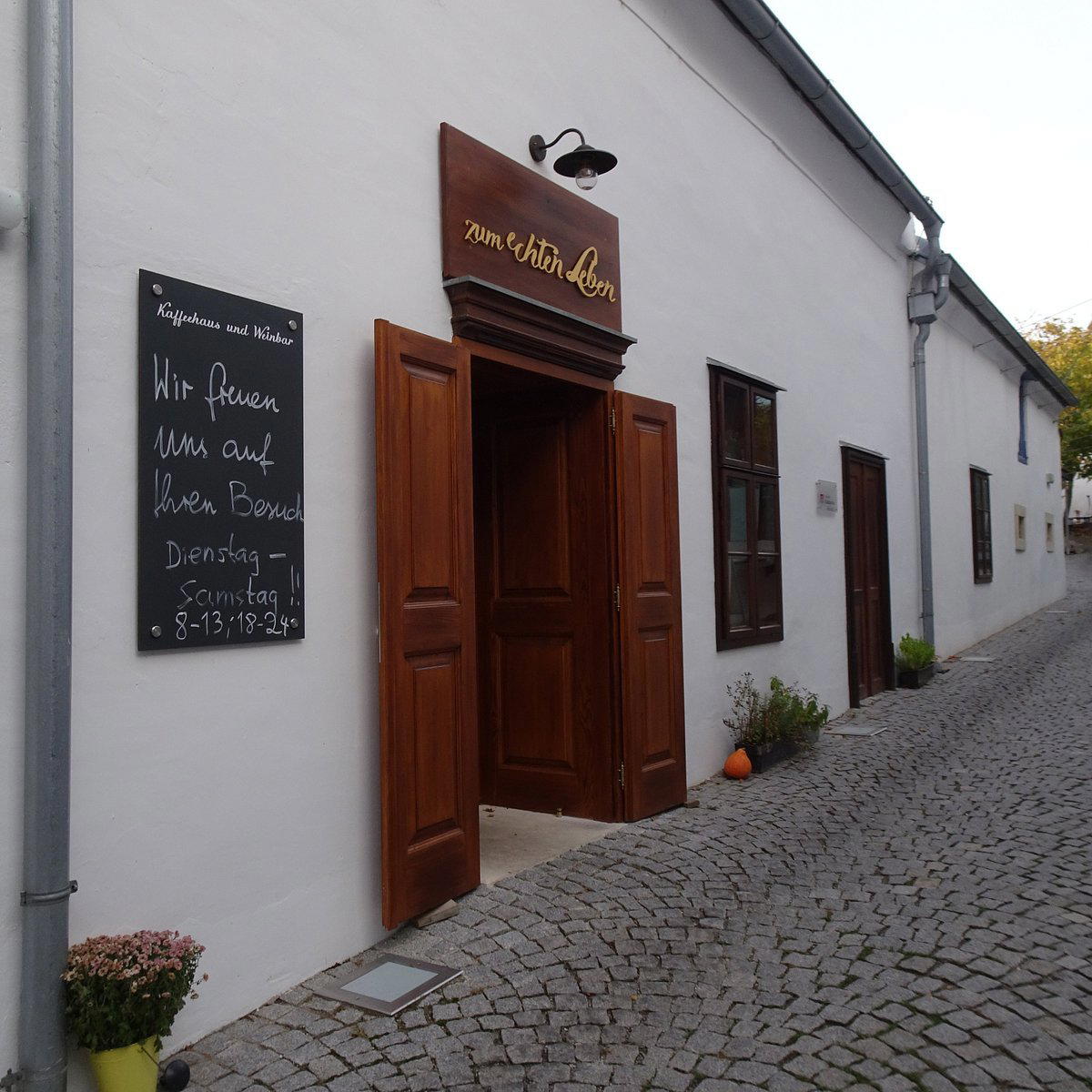
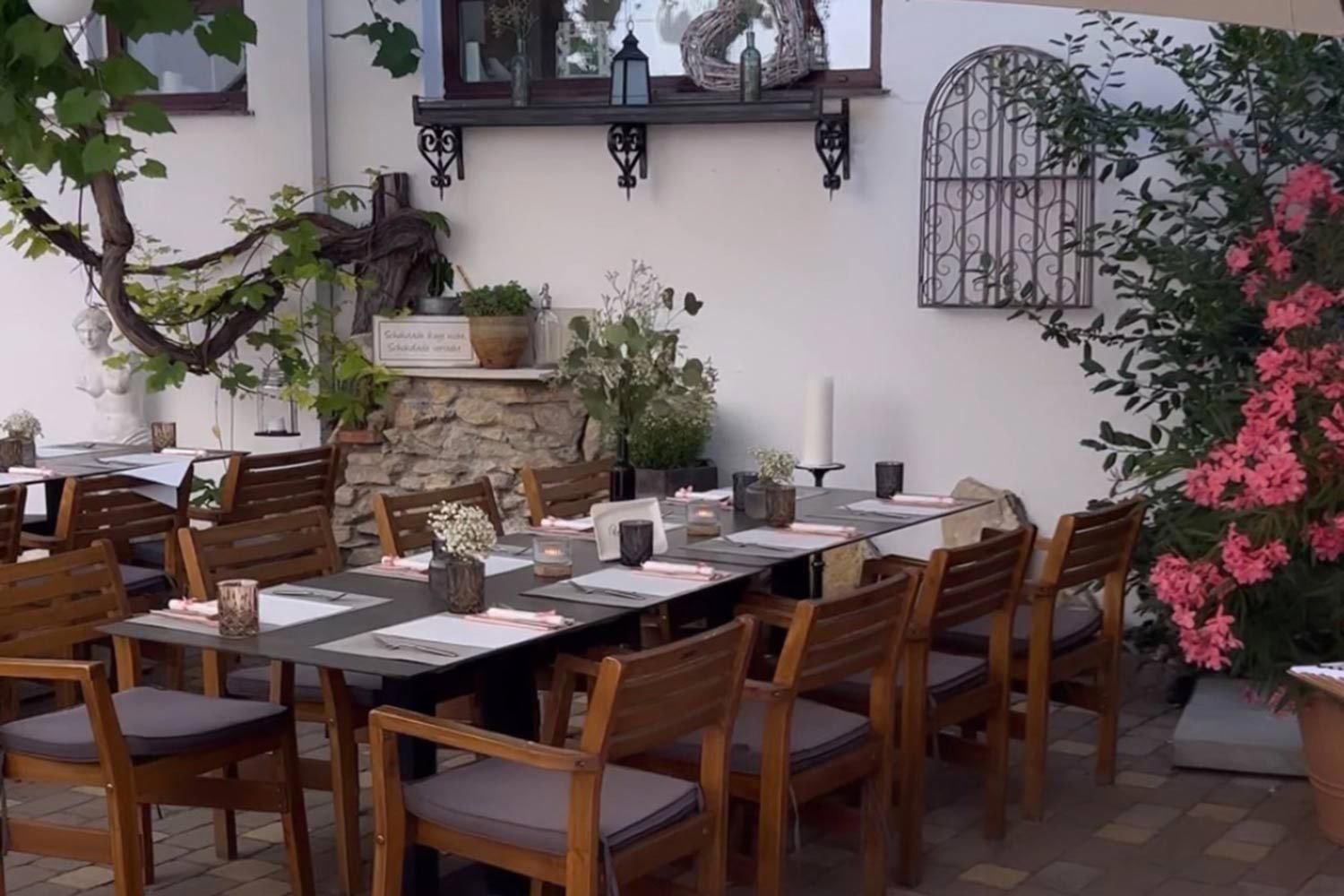
At a Glance
- Scenic
- Rustic
- Cozy
- Intimate
- Bohemian
- Romantic Getaway
- Group Outing
- Solo Exploration
- Wine Education
- Waterfront
- Estate Grounds
- Historic Building
- Organic
- Biodynamic
- Sustainable
- Waterfront
- Vineyard
- Neusiedlersee
- Blaufränkisch
- Zweigelt
- Grüner Veltliner
- Welschriesling
- Saint Laurent
- Still Red
- Still White
- Still Rosé
- Sparkling
- Pet Nat
- Orange
- Skin Contact
- Standard Tasting
- Terroir Focused Flight
Family-run natural winery on the gentle landscape by Lake Neusiedl, with an intimate, relaxed holiday feel reflected in the lake-themed labels and terroir-focused wines.