
Albino Armani Viticoltori dal 1607 is a historic family winery in Dolce, shaped by the Adige Valley’s mountain air, river influence and long viticultural memory. The draw is terroir rather than spectacle: guided tastings move across still whites, reds, sparkling wines, skin-contact styles and biodynamic-leaning Casa Belfi work, with sustainability and native-grape recovery central to the story.

Pearl is the En Primeur Club membership app — saves, bookings, and concierge access live there. Same editors, same standards.
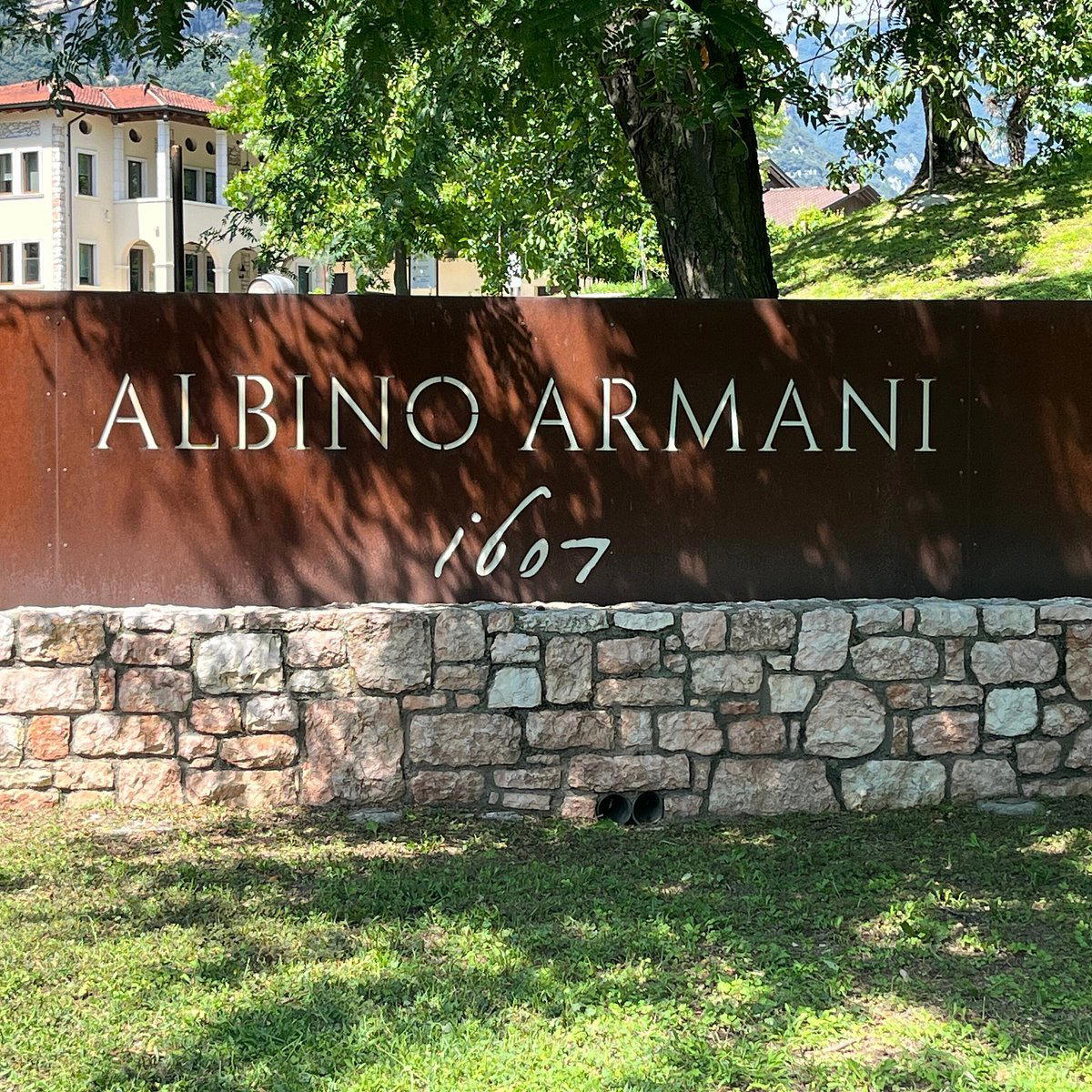
Albino Armani Viticoltori dal 1607 in Dolce is best understood as a wine-country visit shaped by place rather than by restaurant-style spectacle. The picture is intentionally focused: a historic yet working winery atmosphere, rooted in the Adige Valley, where heritage, mountain-and-river landscape, and a didactic vineyard-to-cellar approach define the experience. For travellers planning a premium stop in Dolce, the appeal is not a long list of amenities; it is the chance to read the setting through a structured visit and tasting.
The mood is scenic, rustic, classic, elegant and romantic, but still grounded in the practical reality of a working winery. That combination matters. Some wine destinations lean heavily on polished hospitality, while others feel purely technical. Albino Armani Viticoltori dal 1607 sits in the middle: the visit is framed by heritage and landscape, yet the emphasis remains educational. The strongest reason to go is to connect what is seen in the vineyard and cellar with the broader Adige Valley context.
Mountain wind, river stone and the Adige Valley grammar
The Adige Valley is central to how this venue should be approached. The description points to a mountain-and-river landscape, which gives the visit a sense of geography before any tasting begins. Rather than treating the winery as a detached tasting room, it is more accurate to see it as part of a valley setting where landscape, agricultural work and cellar explanation are presented together.
That is also why the experience is better described in general terms than inflated with claims about specific grapes, bottles, soils or production methods. The available information supports a vineyard-to-cellar focus during visits and tastings, not a detailed public inventory of every wine style or technique. A careful visitor should arrive expecting an educational winery experience in Dolce, with the Adige Valley as the central frame.
The price is listed at $40 per person. That gives travellers a useful planning anchor without implying a particular menu, pairing, seating format or tasting length. The safest reading is that this is a paid winery visit and tasting experience, oriented around heritage and place. Anything more specific should be confirmed directly with the venue before planning around it.
Why the cellar visit is about stewardship, not theatre
The language around Albino Armani Viticoltori dal 1607 points toward a didactic, vineyard-to-cellar visit. In practical terms, that means the draw is explanation: how the winery presents its setting, how the visit connects vineyard and cellar, and how the historic atmosphere supports the tasting. It should not be described as a performance-driven venue, a restaurant, or a nightlife stop. Its identity is closer to a classic winery experience with a sense of continuity.
Because the confirmed data is limited, it is important not to overstate the program. Those may be the kinds of details travellers care about, but they are not part of the record provided. The responsible recommendation is to treat the venue as a heritage winery visit in Dolce and check operational details directly before arrival.
What can be said with confidence is that the atmosphere is historic, working, scenic, rustic, classic, elegant and romantic. That makes the winery a strong fit for travellers who value setting and explanation. It is especially suited to visitors who want the winery itself to teach the place: valley, vineyard, cellar and tasting held together in one coherent stop.
How to place it in a Dolce wine itinerary
For an itinerary in Dolce, the winery works well as the anchor rather than as a quick add-on. The price point of $40 per person suggests it should be planned as a considered winery experience, not merely a casual drop-in between unrelated stops. Build time around the visit so the Adige Valley setting can register; the landscape is part of the reason to go.
The tone also helps define the right occasion. It is less useful to frame it around unsupported specifics such as exact group size, children’s policies, dogs, corporate packages, tasting menus or named wine styles. The confirmed strength is broader and more durable: a working winery in Dolce where the visit is tied to landscape and cellar learning.
When comparing options, keep the comparison local and simple. Other dining or wine stops in Dolce can round out the day, but the winery should be judged on its own character: Adige Valley heritage, a vineyard-to-cellar focus, and a scenic working-winery atmosphere. For travellers who want a polished but grounded sense of place, that is enough of a reason to put it on the short list.
Recognition history
Dated appearances from independent guides and award organizations, with the underlying list record or original source where available.
Falstaff Winery - Listed
Falstaff
At a Glance
- Scenic
- Rustic
- Classic
- Elegant
- Romantic
- Wine Education
- Group Outing
- Romantic Getaway
- Special Occasion
- Solo Exploration
- Corporate Event
- Vineyard Tour
- Estate Grounds
- Panoramic View
- Historic Building
- Private Tasting
- Sustainable
- Biodynamic
- Vineyard
- Mountain
Historic yet working winery atmosphere rooted in the Adige Valley, with a strong sense of heritage, mountain-and-river landscape and a didactic, vineyard-to-cellar focus during visits and tastings.