Acquesi

Falstaff Winery - Listed
Acquesi belongs to Piedmont’s aromatic sparkling tradition rather than the region’s more forceful red-wine conversation. Built as a territory-focused line within Cuvage in Acqui Terme, it concentrates on Moscato and Brachetto, with floral branding and Martinotti-method freshness that place local grape identity ahead of cellar drama.

Pearl is the En Primeur Club membership app — saves, bookings, and concierge access live there. Same editors, same standards.
- Address
- Acqui Terme, Piedmont, Italien
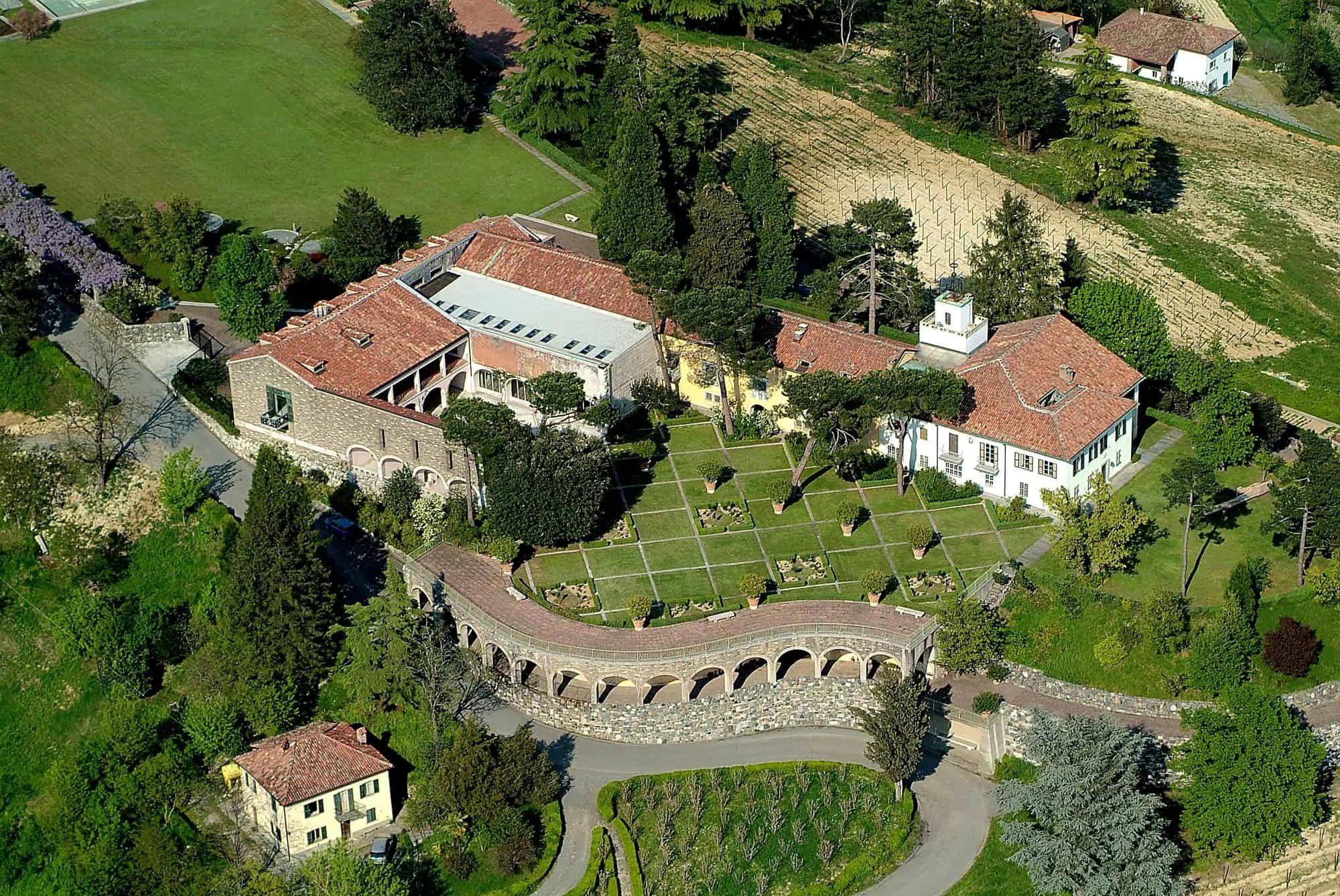
Approach Acqui Terme through the softer side of Piedmont and the wine conversation changes register. This is not the Piedmont of long-aged Nebbiolo and cellar solemnity; it is a zone where perfume, low alcohol, sweetness, acidity, and bubbles carry the argument. Acquesi sits squarely in that register: a sparkling-focused line associated with Cuvage, shaped around the aromatic grapes that make this part of the region distinct.
The visual cue is unusually direct for wine. The Liberty-style floral bottle design signals the house language before the cork moves: fresh, floral, polished, and deliberately tied to place. In a region where labels often lean on family history or appellation gravity, Acquesi uses design as a shorthand for the lighter, more aromatic side of Piedmontese wine culture.
Acqui Terme's aromatic grapes, translated through bubbles
The useful way to read Acquesi is as a lens on Acqui Terme rather than as a conventional estate narrative. The line was relaunched in 2011 as a tribute to the city, and its identity is built around native varieties and the local sparkling tradition. Moscato and Brachetto do much of the work here, two grapes that reward precision more than power.
Moscato, in Asti DOCG form, depends on fragrance, moderate sweetness, acidity, and controlled effervescence. Brachetto brings the red-fruited, floral side of the area into a lighter sparkling frame. Both are better understood as wines of timing and balance than as wines of extraction. The Martinotti method, with fermentation in pressurised tank, suits that purpose: it protects primary aromatics and keeps the emphasis on lift rather than oak, tannin, or long maturation.
That makes Acquesi a useful stop for drinkers who want to understand why Piedmont’s sparkling wines are not merely aperitif wines or dessert-table afterthoughts. Their regional logic is different from Champagne-method severity. The pleasure comes from aromatic clarity, calibrated sweetness, and the immediacy of grape character. In Acqui Terme, that immediacy is part of the point.
The territory line also explains the cooperative context. Cuvage gives the project a production base and a broader regional platform, while Acquesi narrows the message to the city and its local grape vocabulary. For nearby context within the same wine orbit, see Cuvage, Araldica - Il Cascinone, and Montestregone.
What the bottle style says about the wine style
Acquesi’s strongest editorial signal is coherence. The floral packaging, the focus on sparkling and dessert-leaning styles, and the use of Moscato and Brachetto all point in the same direction. This is not a producer trying to cover every Piedmontese category. It occupies a narrower lane, and that lane is useful: aromatic, accessible, gently celebratory wines with a clear Acqui Terme accent.
The Brachetto d’Acqui style is particularly important because it gives red sparkling wine a more serious local identity than many drinkers expect. Brachetto is often dismissed too quickly by those trained to equate seriousness with dryness and tannin. In its proper context, it is a regional specialty built on perfume, red fruit, and modest alcohol. Acquesi’s emphasis on this category helps explain why Acqui Terme matters within Piedmont’s broader sparkling map.
Asti DOCG plays a parallel role. Moscato Bianco is not a neutral base for bubbles; it is an aromatic grape that can become cloying when handled carelessly and charming when acidity, sweetness, and pressure are kept in proportion. The line’s sparkling focus makes sense because the format preserves the grape’s high-tone character. The wines are meant to be read young, fresh, and aromatic, not as cellar trophies.
There is also a practical intelligence to the production philosophy. Conventional, medium-scale sparkling production allows consistency without turning the wines into anonymous volume products. The result is a polished expression of a specific local style, more useful for understanding Acqui Terme’s wine identity than for chasing rarity.
How to place Acquesi in an Acqui Terme itinerary
Acqui Terme works well when treated as a compact wine-and-town destination rather than a single-cellar pilgrimage. The city gives travelers access to Piedmont’s aromatic sparkling tradition without requiring the heavier restaurant-and-cellar choreography associated with the region’s grand reds. Acquesi fits that rhythm: quiet, casual, group-friendly, and oriented toward tasting flights rather than high-protocol hospitality.
The occasion is not a technical deep dive into barrel regimes or vineyard-by-vineyard exposition. It is better framed as a way to understand how local grape varieties become polished sparkling wines, and why sweetness and fragrance have a legitimate place in Piedmont’s identity. For travelers building a wider day around the city, the editorial map should include the broader Acqui Terme wineries guide, along with the Acqui Terme restaurants guide, Acqui Terme hotels guide, Acqui Terme bars guide, and Acqui Terme experiences guide.
Seen against Italy’s wider winery culture, Acquesi belongs to the category of producers where design, regional grape identity, and accessible sparkling formats do the heavy lifting. That makes it different in mood from many still-wine estates across the country, from 3GP SRL in Treviso and 47 Anno Domini in Trebaseleghe to A Mano Wine in Noci, a6mani in Fragagnano, and Abbadia Ardenga in Torrenieri. For a cross-border contrast in European winery culture, compare the travel mood rather than the wines with »der Steiner« Hans Steiner in Podersdorf am See and & Handwein in Mannheim.
The editorial verdict is simple: choose Acquesi when the point of the day is Piedmont’s aromatic, sparkling side. It is strongest when treated as a lesson in Acqui Terme terroir expressed through Moscato, Brachetto, floral design, and a format built for freshness.
Recognition history
Dated appearances from independent guides and award organizations, with the underlying list record or original source where available.
Falstaff Winery - Listed
Falstaff
Continue exploring
More in Acqui Terme
Wineries in Acqui Terme
Browse all →

Details
- Classic
- Elegant
- Group Outing
- Celebration
- Special Occasion
- Design Destination
- Moscato
- Brachetto
- Sparkling
- Dessert
- Still Rosé
- Tasting Flight
Fresh, floral, and sparkling-focused, with an emphasis on balanced, aromatic wines and an well-known Liberty-style floral bottle design.