Zum Dückerstieg

Michelin Bib Gourmand
Our verdict
A Michelin Bib Gourmand-recognised country kitchen in the Schleswig-Holstein marshlands, Zum Dückerstieg under chef Oliver Wiegand delivers regional cooking at a price point that keeps the room full of locals rather than destination diners. Two consecutive Bib Gourmand awards in 2024 and 2025 confirm what the.

Pearl is the En Primeur Club membership app, where members save venues, book tables and use the concierge.
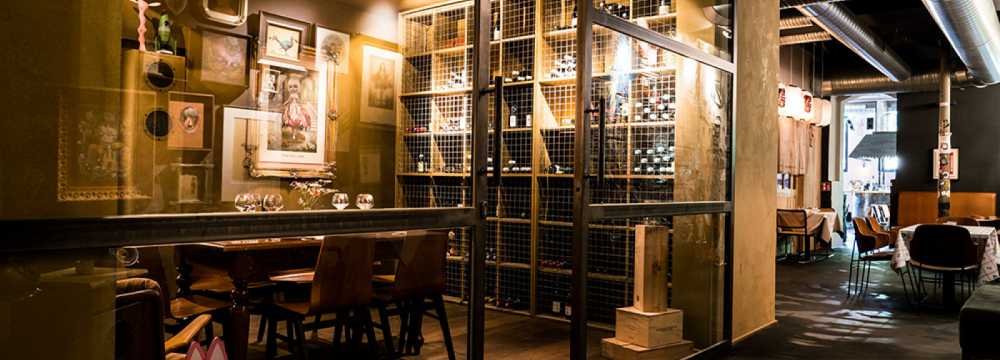
Where the Marshlands Set the Table
Schleswig-Holstein's flat, wind-pressed landscape between the Elbe and the North Sea has never been territory that fine-dining itineraries linger over. The region's food tradition is one of rootedness: smoked fish, braised meats, root vegetables, the produce of farms and waterways that have fed the same communities for generations. In small settlements like Neuendorf bei Wilster, country cooking isn't a retro concept or a chef's aesthetic choice, it is simply what the kitchen does, and has always done. Zum Dückerstieg, at Dückerstieg 7 on the edge of that quiet marshland village, sits squarely in that tradition, and the Michelin inspectors who awarded it consecutive Bib Gourmand recognition in 2024 and 2025 were acknowledging a kitchen that executes regional cooking at a standard most urban bistros at the same price tier struggle to match.
The Bib Gourmand Standard in a Rural Context
Germany's Bib Gourmand list has expanded considerably over recent years, and the category now spans everything from Istanbul-inflected Berlin street-food counters to Bavarian farmhouse kitchens. What the award signals, regardless of setting, is a quality-to-price ratio that the inspectors consider worth a detour, not necessarily a long one, but a purposeful one. For Zum Dückerstieg, two consecutive years of that recognition (2024 and 2025) moves it out of the category of a lucky single inspection and into the territory of a kitchen with demonstrable consistency.
It is worth placing that recognition alongside the company it does not keep. The Schwarzwaldstube in Baiersbronn, Aqua in Wolfsburg, and Vendôme in Bergisch Gladbach operate in the €€€€ tier with multi-star recognition and the infrastructure that implies: sommelier teams, elaborate mise en place, international press attention. Zum Dückerstieg operates at the €€ price point, which in practical terms means the Bib Gourmand is not a consolation prize but the appropriate category for what the kitchen is doing. The comparison set is not those rooms; it is every regional German restaurant attempting honest country cooking at accessible prices, a category where mediocrity is far more common than the rating here suggests.
Chef Oliver Wiegand and the Discipline of Staying Regional
The editorial angle that country cooking rewards most is not innovation, it is discipline. Any kitchen can import technique from elsewhere; fewer can maintain a kitchen identity that is genuinely rooted in local produce and tradition without drifting toward generic German pub food on one end or self-conscious rusticity on the other. Chef Oliver Wiegand's role at Zum Dückerstieg is understood through that lens. The Bib Gourmand, which assesses cooking quality as rigorously as any Michelin category, suggests a chef working within a defined register and executing it at a level that inspectors found worth returning to document. That is not a trivial achievement in a region where the supply chain and the customer base both demand direct, well-priced food rather than elaborate presentations.
Germany has a number of chefs operating in this tier whose training and evolution outside the country eventually shapes a return to regional roots, a pattern visible at places like JAN in Munich and ES:SENZ in Grassau, where external influence eventually crystallises into something that reads as local. At the €€ level, the expression of that evolution is less about technique transformation and more about consistency of sourcing, precision in execution, and a menu that changes with what is actually available in the marshlands rather than what is fashionable in Hamburg. Restaurant Haerlin in Hamburg occupies a different world entirely, and the contrast is instructive: the Bib Gourmand tier rewards the chef who makes the most of constrained circumstances, not the one with access to every premium ingredient.
Country Cooking as a Category
Across Europe, country cooking has become both a culinary category and a marketing claim, and the two are not always the same thing. The genuine article tends to be found at addresses like Zum Dückerstieg rather than in urban restaurants that invoke farm-to-table language for a city audience. For comparison, the 21.9 restaurant in Piobesi d'Alba and the Andrea Monesi - Locanda di Orta in Orta San Giulio represent the Italian expression of the same impulse: regionally anchored cooking in non-metropolitan settings that earn recognition through quality rather than location advantage. In the German context, achieving Bib Gourmand in a village of a few hundred people in Schleswig-Holstein requires building and maintaining a kitchen that serves its immediate community well enough to attract Michelin attention twice in a row.
The cuisine type, country cooking, also positions Zum Dückerstieg outside the competitive conversation of Germany's more heavily profiled fine-dining rooms. CODA Dessert Dining in Berlin and Schanz in Piesport work in registers that require different infrastructure, different investment, and a different customer. Zum Dückerstieg's pricing and format serve a different purpose in the dining ecosystem, and the Michelin recognition it holds is calibrated to that purpose. Readers looking at the full spectrum of German restaurant recognition, from Waldhotel Sonnora in Dreis and Victor's Fine Dining by Christian Bau in Perl at the top of the star tier down through the Bib Gourmand list, will find that the award carries real weight across all its categories.
Planning a Visit
Neuendorf bei Wilster sits in the Wilstermarsch, the low-lying agricultural plain west of Itzehoe in Schleswig-Holstein. The nearest larger town with rail access is Itzehoe, and the drive from Hamburg takes roughly an hour depending on traffic and routing through the marshland roads. For visitors combining a meal at Zum Dückerstieg with a wider stay in the region, our full Neuendorf bei Wilster hotels guide covers accommodation options nearby, while our bars guide and experiences guide map out what the area offers beyond the table. The €€ pricing means a full meal here represents serious value by any German regional standard, and makes the detour easy to justify without requiring a special-occasion budget. For those exploring the broader restaurant scene across the area, our full Neuendorf bei Wilster restaurants guide and wineries guide provide further context. Bagatelle in Trier offers a point of comparison for anyone interested in how the Bib Gourmand category performs across different German regions and price environments.
Frequently asked questions
What kind of setting is Zum Dückerstieg?
Is Zum Dückerstieg child-friendly?
What dish is Zum Dückerstieg famous for?
Comparison Snapshot
| Venue | Cuisine | Price | Awards | Notes |
|---|---|---|---|---|
| Zum DückerstiegThis venue (the venue you are viewing) | Regional German Country Cooking | Not listed | Michelin Bib Gourmand | Not listed |
| Schwarzwaldstube | Modern French Fine Dining | $150–200 | 3 Michelin Stars · World's 50 Best #47 | French, Classic French |
| Aqua | Contemporary German, Italian/Japanese, Creative | Not listed | Michelin 3 Star | Not listed |
| CODA Dessert Dining | Dessert-Inspired Fine Dining | $200–300 | 2 Michelin Stars · World's 50 Best #82 | Creative |
| Tantris | Modern French, French Contemporary | Not listed | Michelin 2 Star | Not listed |
| Vendôme | Modern German Haute Cuisine | $200–300 | 2 Michelin Stars · World's 50 Best #47 | Modern European, Creative |
Recognition history
Dated appearances from independent guides and award organizations, with the underlying list record or original source where available.
Michelin Bib Gourmand
Michelin
Full recognition history (3 entries)
Michelin Bib Gourmand
Michelin
Michelin Bib Gourmand
Michelin
Continue exploring
More in Neuendorf bei Wilster
Restaurants in Neuendorf bei Wilster
All restaurants in Neuendorf bei Wilster →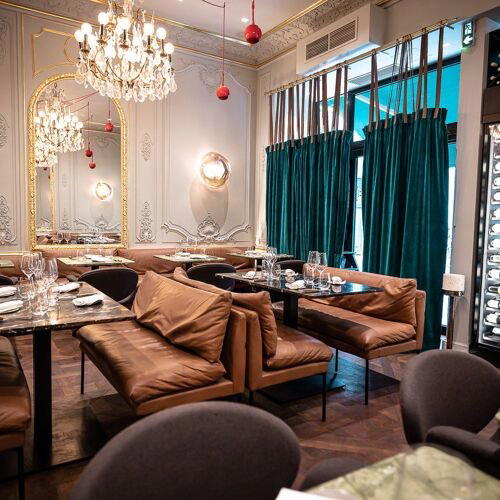
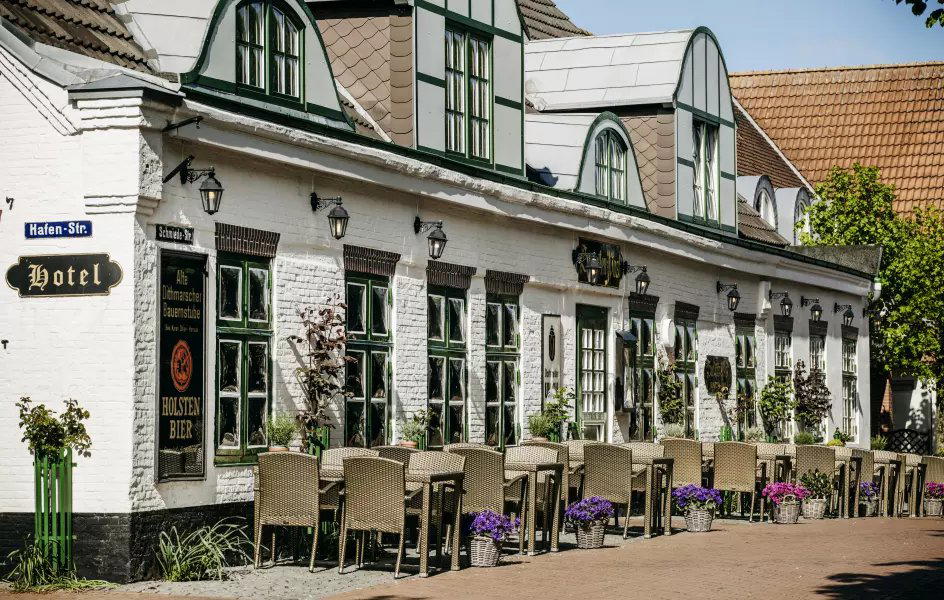
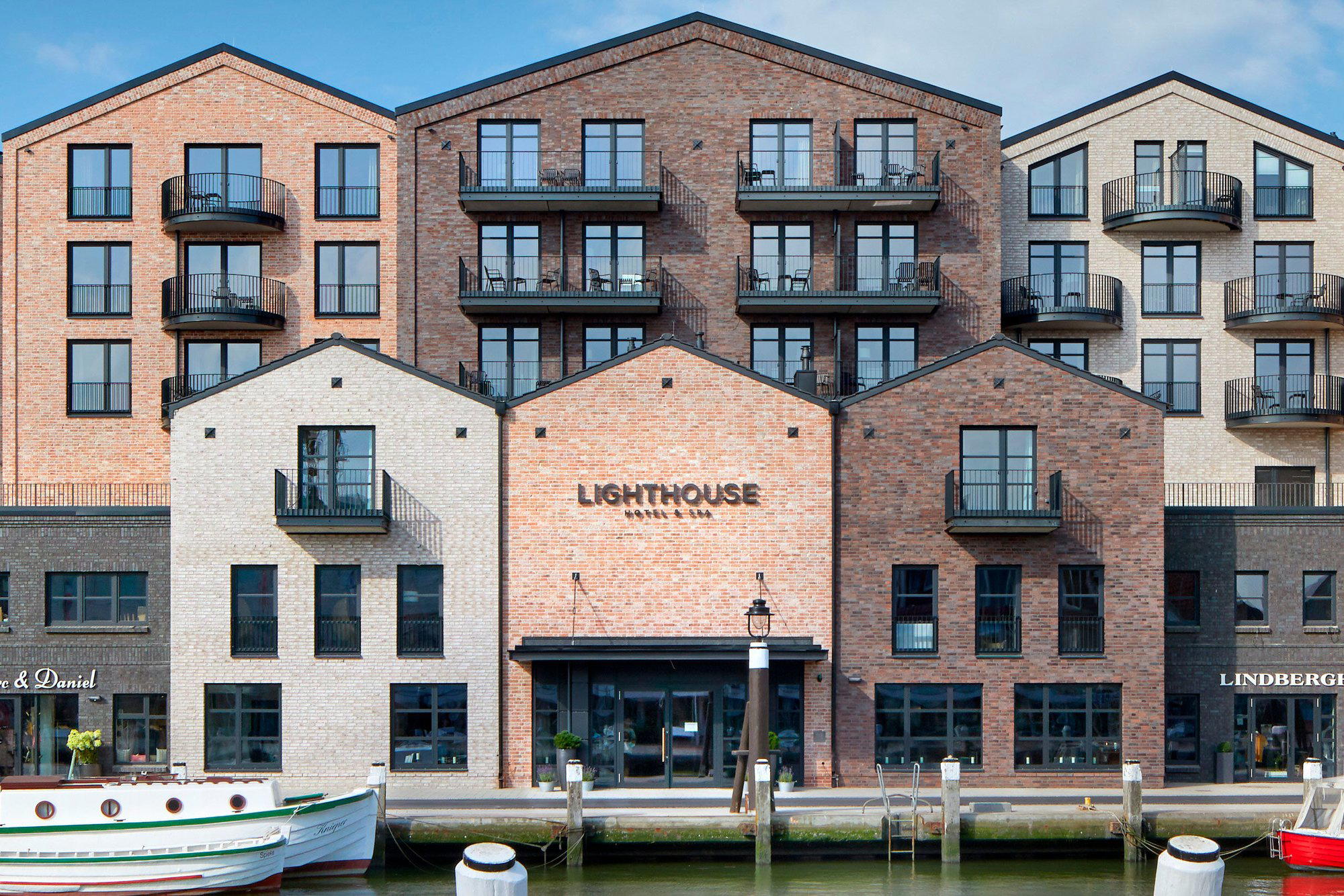

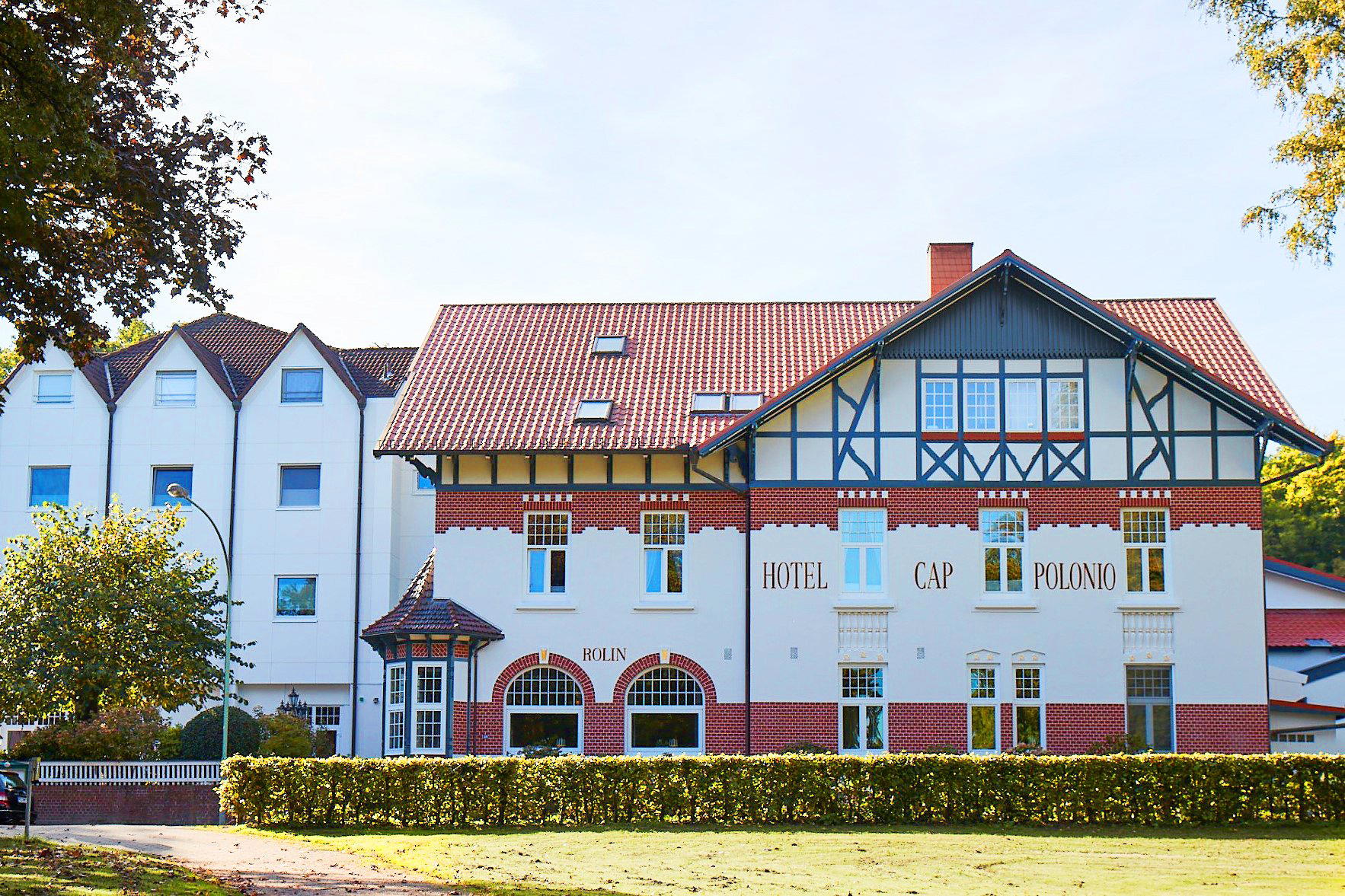
Hotels in Neuendorf bei Wilster
Browse all →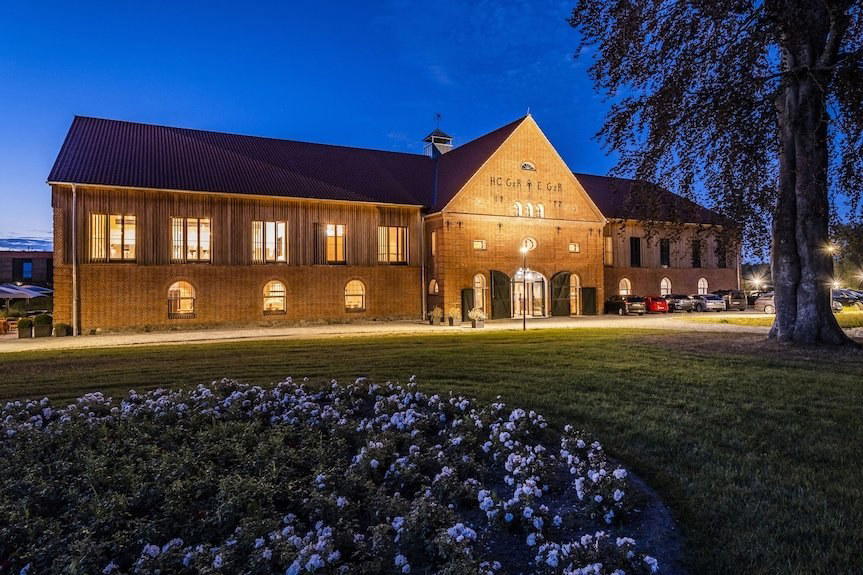
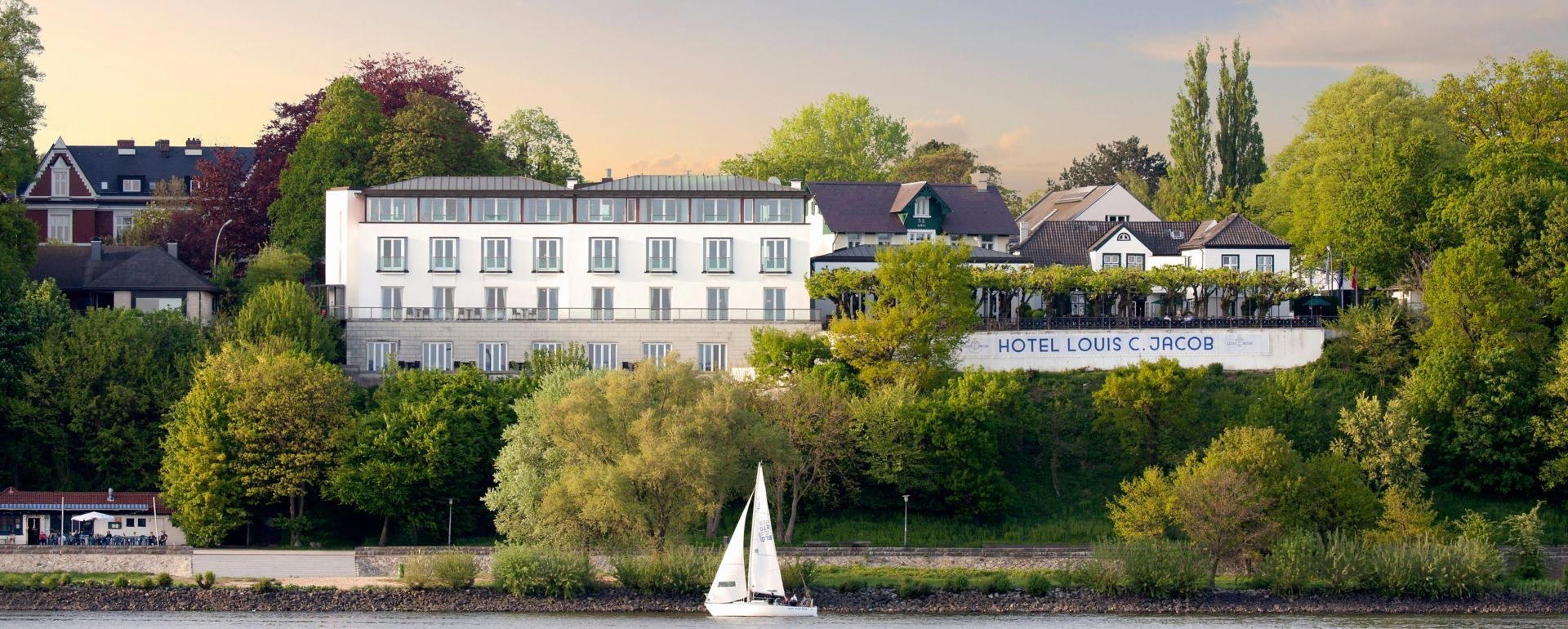
Details
- Cozy
- Rustic
- Quiet
- Family
- Business Dinner
- Casual Hangout
- Standalone
- Local Sourcing
- A La Carte
Gemütlich (cozy) with a quiet, rural atmosphere and modern, clean interiors.