Our verdict
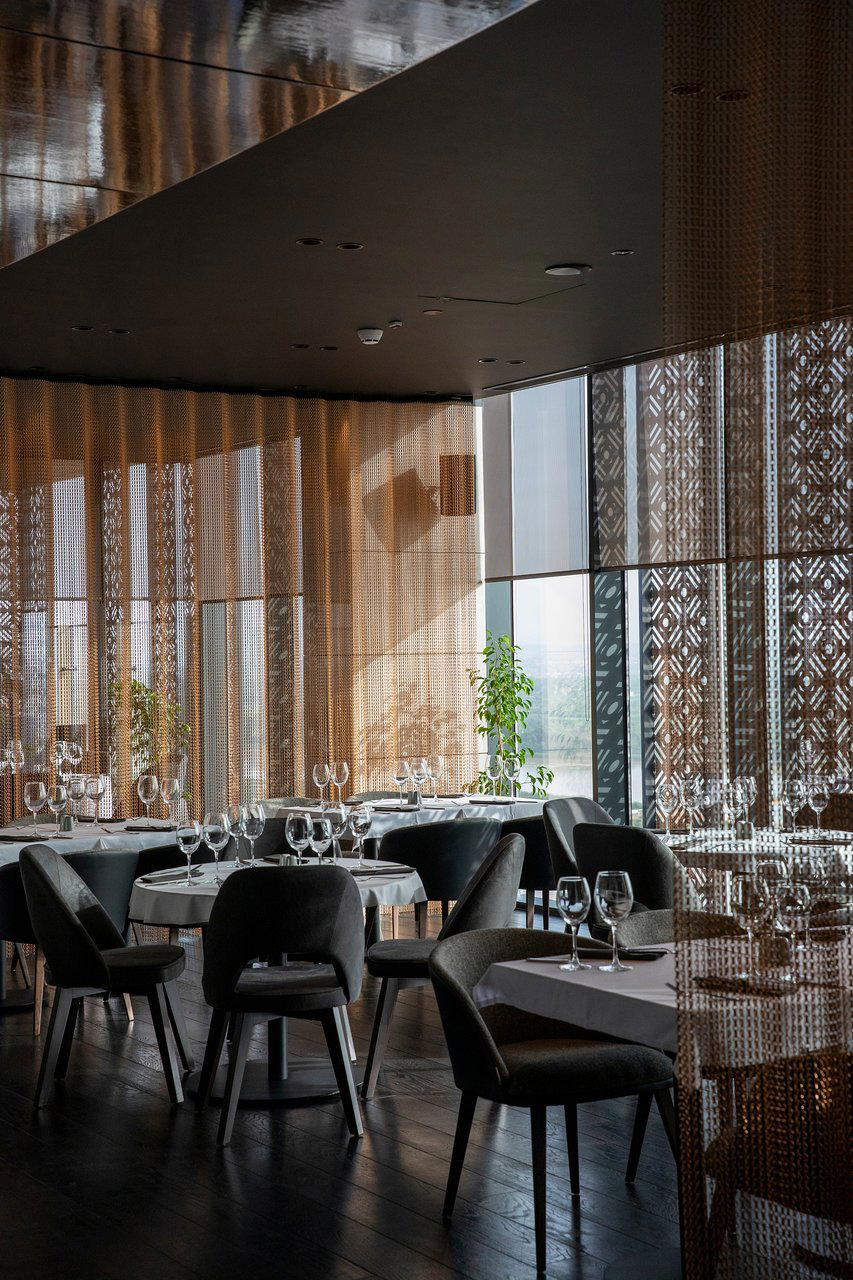
Zaxi operates inside the Radisson Blu in Niamey, placing it within a small tier of hotel dining that anchors international standards to a city still building its formal restaurant scene. The room sits at the intersection of Niger's Sahelian food culture and the structured service rhythms of global hotel hospitality, making it one of the more considered dining addresses in the capital.

Pearl is the En Primeur Club membership app, where members save venues, book tables and use the concierge.
The menu
What to order
- Zaxi Tokyo sushi platter
Dining Inside the Radisson Blu: What Hotel Hospitality Looks Like in Niamey
In most West African capitals, the most reliable formal dining room is not a standalone restaurant but a hotel. The infrastructure of international hotel groups, from consistent sourcing to trained service staff, fills a gap that independent restaurants in cities like Niamey are still working to close. Zaxi, located inside the Radisson Blu on the Niger River, sits within that pattern. To understand what it offers, you first need to understand what hotel dining means in a city where the formal restaurant tier is thin and the demand for structured, internationally legible meals comes largely from a business and diplomatic community passing through.
Niamey's dining scene divides broadly into two registers: the street-level and neighbourhood eating that draws on Niger's Sahelian pantry, and a small cluster of restaurants oriented toward visiting professionals, NGO workers, and the expatriate community. Zaxi operates in that second register. The Radisson Blu's address in the capital gives it an infrastructure advantage that few independent venues here can match, and that infrastructure shapes the dining ritual before a single plate arrives.
The Ritual of the Room: Pacing, Service, and the Shape of a Meal
Hotel dining in this part of the world carries its own distinct etiquette. The pacing tends to be deliberate, a function of kitchens managing both à la carte service and event catering simultaneously, and the service register leans formal in a way that reflects both brand standards and local hospitality customs. In Niger, hospitality is not incidental; it is structural. Guests are received with a seriousness that predates any hotel brand, and the leading hotel dining rooms in the region learn to fold that cultural instinct into their service rather than overwrite it with generic international protocol.
At Zaxi, the meal is likely to follow the cadence common to Radisson Blu properties across sub-Saharan Africa: a room that reads as business-capable but not stiff, service that is attentive without the theatre of higher-tier tasting menus, and a menu that spans enough ground to accommodate the varied preferences of an international clientele. For comparison, standalone fine dining venues in global cities operate under very different terms. A counter like those at Atomix in New York City or the structured sequence at Lazy Bear in San Francisco is built around a single fixed ritual. Zaxi, by contrast, belongs to a category where flexibility is the format. That is not a weakness; it is an honest response to what the local market actually requires.
Niger's Pantry and What Reaches the Plate
Nigerien cooking draws from the Sahel's austere and precise pantry: millet, sorghum, cowpeas, smoked fish, dried okra, moringa, and the slow-braised meats that define much of the region's celebratory cooking. Whether a hotel kitchen at Zaxi incorporates these ingredients seriously or gestures toward them while defaulting to a continental base is the question that separates genuine engagement with local cuisine from surface-level positioning. Across the region, the better hotel restaurants have learned that sourcing locally, even partially, is both a commercial argument and a differentiating one.
The broader West African hotel dining scene has seen this play out in cities from Dakar to Abidjan: venues that treat the local pantry as raw material rather than backdrop tend to produce more coherent menus and stronger loyalty from the expat community, which often has more sophisticated food expectations than the business traveler passing through for three nights. It is the cluster of hotel restaurants across West Africa's secondary capitals that are quietly becoming the most coherent dining addresses in their cities precisely because they have the resources to take local ingredients seriously.
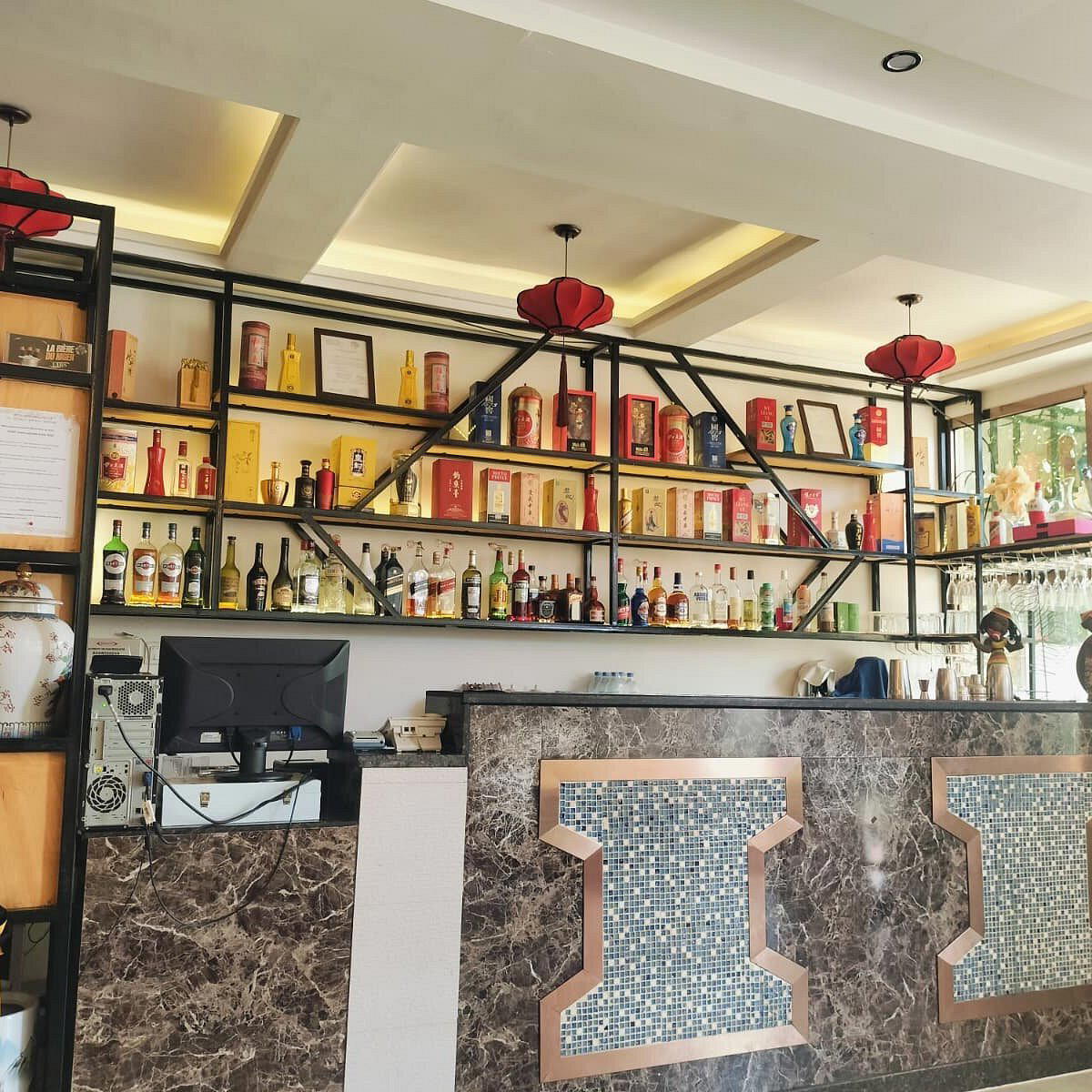
Within Niamey itself, the comparison set is small. Le Dragon d'Or and New York represent other points on the city's formal dining map, and together with Zaxi they define what the capital currently offers anyone seeking a structured meal beyond the excellent but informal neighbourhood options. For a broader orientation to that map, our full Niamey restaurants guide covers the city's range in more detail.
Booking, Timing, and Practical Orientation
Accessing Zaxi follows the standard logic of hotel dining in sub-Saharan Africa. Reservations made through the Radisson Blu reception are the most reliable route, particularly for dinner during the working week when the business travel load peaks. Lunchtime service, if offered, tends to be quieter and is often the better window for anyone wanting an unhurried meal. Niamey operates on West Africa Standard Time, and the hospitality rhythm here reflects a midday heat that slows outdoor movement considerably; the hotel restaurant becomes a natural refuge in those hours.
Security and infrastructure considerations are part of the practical reality of visiting Niamey. The Radisson Blu, as an international property, meets the baseline standards that visiting professionals and journalists require, and its dining room operates within that envelope. For travelers already based at the hotel, Zaxi is the most friction-free formal dining option in the city. For those arriving from outside, the property's location on the Niger River corridor is navigable from the city center without significant difficulty.
Anyone planning a broader circuit of Niger's dining culture should note that the country's interior offers a genuinely different register. Le Pilier Agadez in Agadez represents the kind of experience that sits at the intersection of Tuareg hospitality customs and more formalized service, and the contrast with Niamey's hotel dining makes the two destinations genuinely complementary rather than redundant.
Where Zaxi Fits in the Wider Conversation
The dining ritual at a hotel restaurant in a West African capital is a specific thing. It is not the ten-course progression of Alinea in Chicago or the hyper-local sourcing argument of Atelier Crenn in San Francisco. It is not the ingredient-as-philosophy approach of Arpège in Paris. But it is also not nothing. In cities where the restaurant infrastructure is still forming, the hotel dining room does real work: it provides a predictable standard, supports a training pipeline for local hospitality professionals, and often serves as the first point of contact between visiting diners and local food culture, however mediated that contact might be.
That is what Zaxi represents in Niamey's dining picture. Not a destination in the way that Aponiente in El Puerto de Santa María or Arzak in San Sebastián are destinations, but a reliable address in a city where reliability is itself a meaningful credential. The formal dining ritual it supports, with its structured service and internationally readable format, is doing necessary work in a capital that has limited alternatives at this tier.
Frequently asked questions
What's Zaxi's location?
Zaxi is located at Radisson blue, Niamey, Niamey.
Is Zaxi a good option for a business dinner in Niamey?
In a city where standalone formal dining rooms are limited, hotel restaurants at internationally managed properties carry much of the weight for business entertaining. Zaxi, operating within the Radisson Blu on the Niamey address, offers the structured service and controlled environment that those meetings require. Reservations through the hotel reception are the most direct route to securing a table.
What's the must-try dish at Zaxi?
That said, hotel restaurants at international properties in Niamey typically feature dishes anchored in Niger's core pantry: millet, cowpeas, smoked fish, and slow-braised meat. Dishes built around those local staples tend to reflect the kitchen's strongest output.
Do they take walk-ins at Zaxi?
Hotel dining rooms in Niamey generally accommodate walk-in guests, and the Radisson Blu's reception is the most reliable access point for coordinating a table at Zaxi. Reaching the hotel directly is the practical first step, particularly for larger groups or specific timing.
What's the signature at Zaxi?
No single signature dish is documented for Zaxi. The broader context places it within the hotel dining tradition of sub-Saharan West Africa, where the kitchen tends to span both regional Nigerien preparations and accessible international plates, serving a mixed guest profile of business travellers and local professionals.
Can Zaxi handle vegetarian requests?
Niger's cooking tradition draws heavily on plant-based staples including millet, sorghum, dried okra, moringa, and cowpeas, which means the regional pantry is well-suited to vegetarian eating. Hotel kitchens at international properties like the Radisson Blu in Niamey are generally equipped to accommodate dietary requests, though confirming specifics directly with the restaurant is advisable.
Cuisine and Credentials
| Venue | Cuisine | Price |
|---|---|---|
| ZaxiThis venue (the venue you are viewing) | Asian Fusion Fine Dining | Not listed |
| Le Dragon d'Or | Chinese | $10–20 |
| New York | Nigerien with International Influences | Not listed |
| Le Pilier Agadez | Italian Pizza & Pasta | $10–20 |
Continue exploring
More in Niamey
Restaurants in Niamey
All restaurants in Niamey →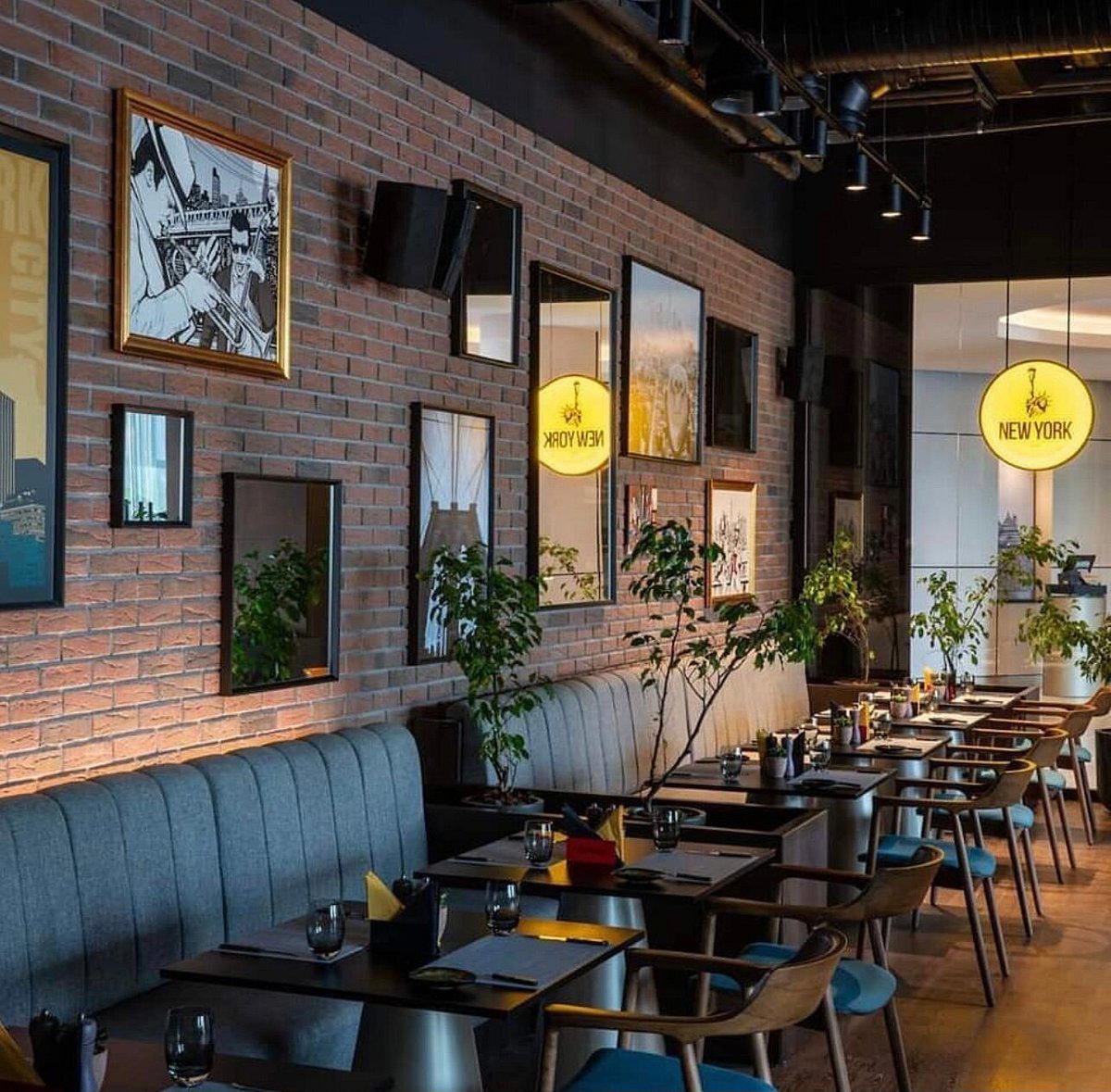
Details
- Elegant
- Sophisticated
- Scenic
- Modern
- Date Night
- Special Occasion
- Business Dinner
- Rooftop
- Open Kitchen
- Panoramic View
- Hotel Restaurant
- Craft Cocktails
- Waterfront
- Skyline
- A La Carte
- Vegetarian Friendly
Sophisticated and elegant atmosphere with pleasant lighting, dramatic sunset views, and a classy rooftop setting praised for its memorable evenings.