
Tabelog 100 #40
Our verdict
Yushin brings Miyazaki sushi into a coastal, ritual-led frame: fish-led courses, seafood and tempura in the repertoire, sake and wine on the drinks side, and a house-restaurant setting by Aoshima. Its 2025 selection for Tabelog Sushi WEST “Tabelog 100” gives it a clear credential in a region where serious sushi is often overshadowed by beef, chicken nanban and resort dining.

Pearl is the En Primeur Club membership app, where members save venues, book tables and use the concierge.
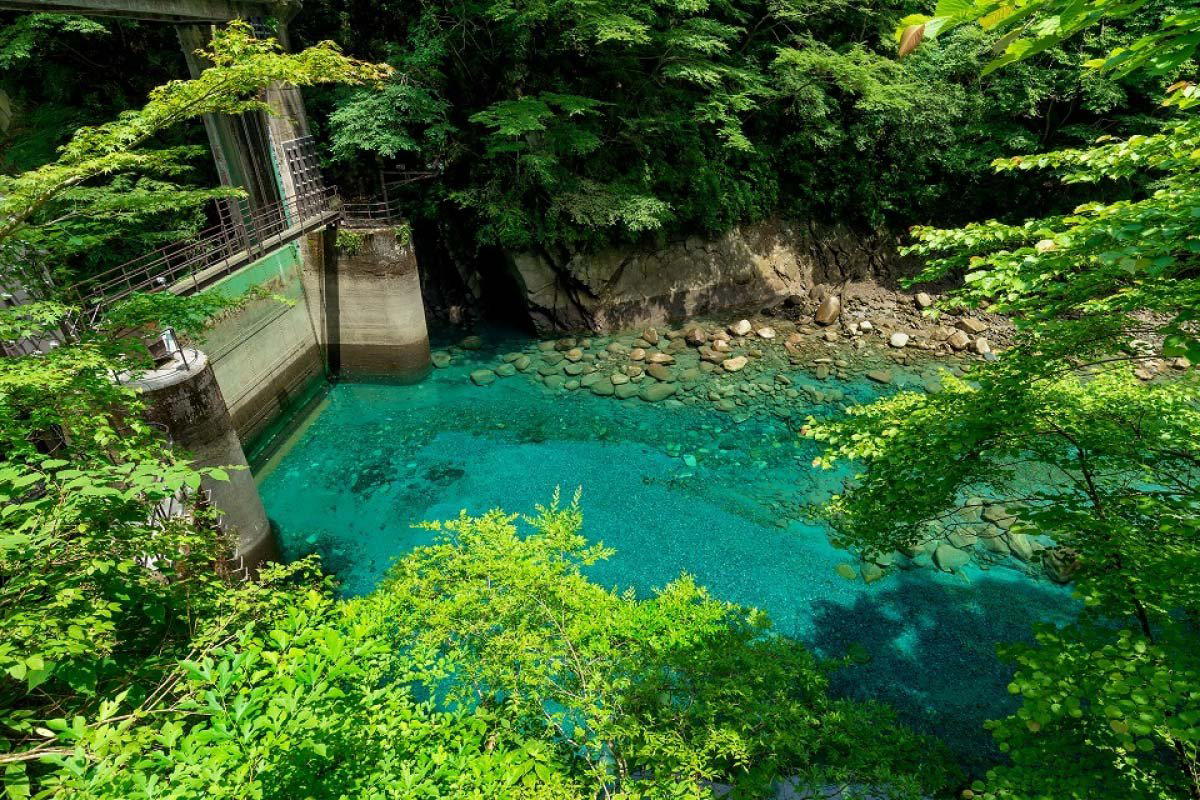
Approaching Miyazaki, the city loosens: the grid gives way to sea air, low houses and the slower tempo of a coastal prefectural capital. That setting matters for sushi. In Tokyo or Osaka, the ritual can feel like urban theatre: counter, chef, timing, silence. Here it shifts closer to local waters and the unhurried rhythm of a regional restaurant in Miyazaki.
Yushin stays in that regional lane rather than chasing metropolitan gloss. The format centres on sushi, seafood and tempura, with fish at the core. Its 2025 recognition from Tabelog Hyakumeiten places it in a selective Japanese dining conversation, useful in Miyazaki, where dining identity is more often framed by charcoal-grilled beef, chicken nanban, shochu and seaside resort kitchens.
Coastal sushi in a city better known for beef and chicken nanban
Miyazaki’s restaurant culture has a split personality: everyday comfort institutions, specialist counters, hotel dining rooms and local places built around chicken, beef and shochu. Visitors often arrive with famous regional dishes in mind, then discover the coast changes the argument. Sushi here is not a luxury import from big cities; it can express place directly when fish is the organising principle.
That is the useful way to read Yushin. Its mix of sushi, seafood and tempura moves between raw fish, cooked seafood and fried technique without becoming a broad izakaya. In Japanese dining terms, that matters. Serious sushi depends on pacing as much as product: order of pieces, alternation of richer and leaner fish, rice temperature and pauses between courses. Tempura adds timing governed by batter, oil and immediate service. A room doing both must keep the sequence disciplined.
The 2025 Tabelog Hyakumeiten recognition gives the restaurant a public credential without turning it into trophy dining. Tabelog’s regional lists are especially useful outside major tourist circuits because they surface places beyond international guidebook habits. For Miyazaki, that recognition distinguishes a specialist sushi address from casual seafood restaurants and resort-adjacent dining rooms.
Within the city’s map, the contrast is instructive. Miyazaki’s everyday canon, varied local dining rooms and dessert or café culture all show the city’s broad register. Sushi occupies a narrower lane, and Yushin belongs where the meal is structured by sequence, restraint and product confidence.
The ritual is in the pacing, not the performance
High-end sushi in Japan is often misread by travellers as chef-centred performance. The better lens is ritual: the guest accepts a sequence, the kitchen controls tempo, and the meal rewards attention to small changes, rice against fish, lean against fat, raw against fried, and seafood against salt and vinegar. In a coastal city, geography is not decoration; it explains why fish-led dining has weight.
Yushin’s appeal is strongest for diners who know sushi need not rely on theatrical excess. The available confirmed details point to a restaurant built around sushi, seafood and tempura in Miyazaki rather than a large, catch-all dining room. That suggests occasion dining for guests who want the structure of a serious Japanese meal without assuming the more formal codes associated with larger-city counters.
The category signal matters. A sushi, seafood and tempura format places the meal in a recognisably Japanese pattern: fish, rice, frying technique and seasonality carry the experience. Nothing about the description needs to turn the restaurant into a generic luxury stop; its identity is clearer when read through product, pacing and the disciplined boundaries of the menu.
For a Miyazaki itinerary, this is not a generic “sushi night” but a choice about which version of the city to prioritise. Beef-focused dining reads the prefecture through agriculture. Chicken nanban gives another reading, rooted in postwar local comfort food. Sushi gives a third: slower, coastal and dependent on disciplined sequence. That makes Yushin specific to southern Kyushu, not interchangeable with a polished counter elsewhere.
How to place it in a Miyazaki itinerary
Treat this as an anchor meal in Miyazaki, not a casual add-on between sightseeing stops. The city context makes more sense when diners leave time around the meal rather than treating it as a rushed transfer. For a recognised restaurant with a specialist format, the right posture is to plan ahead and confirm current details before going.
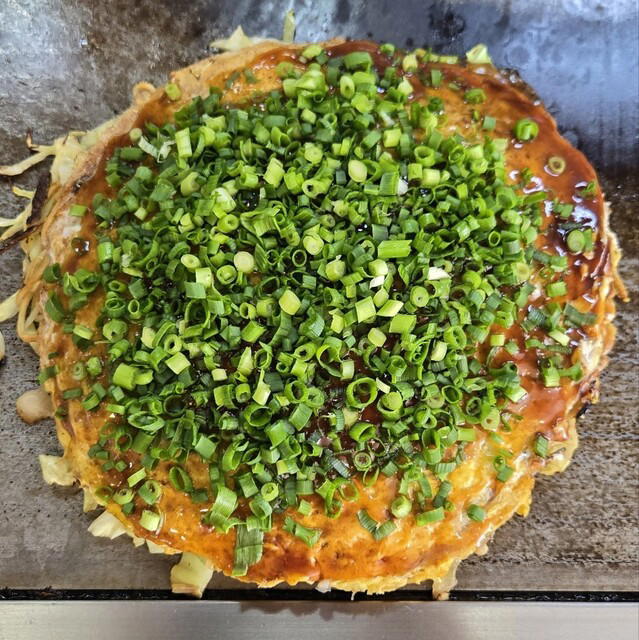
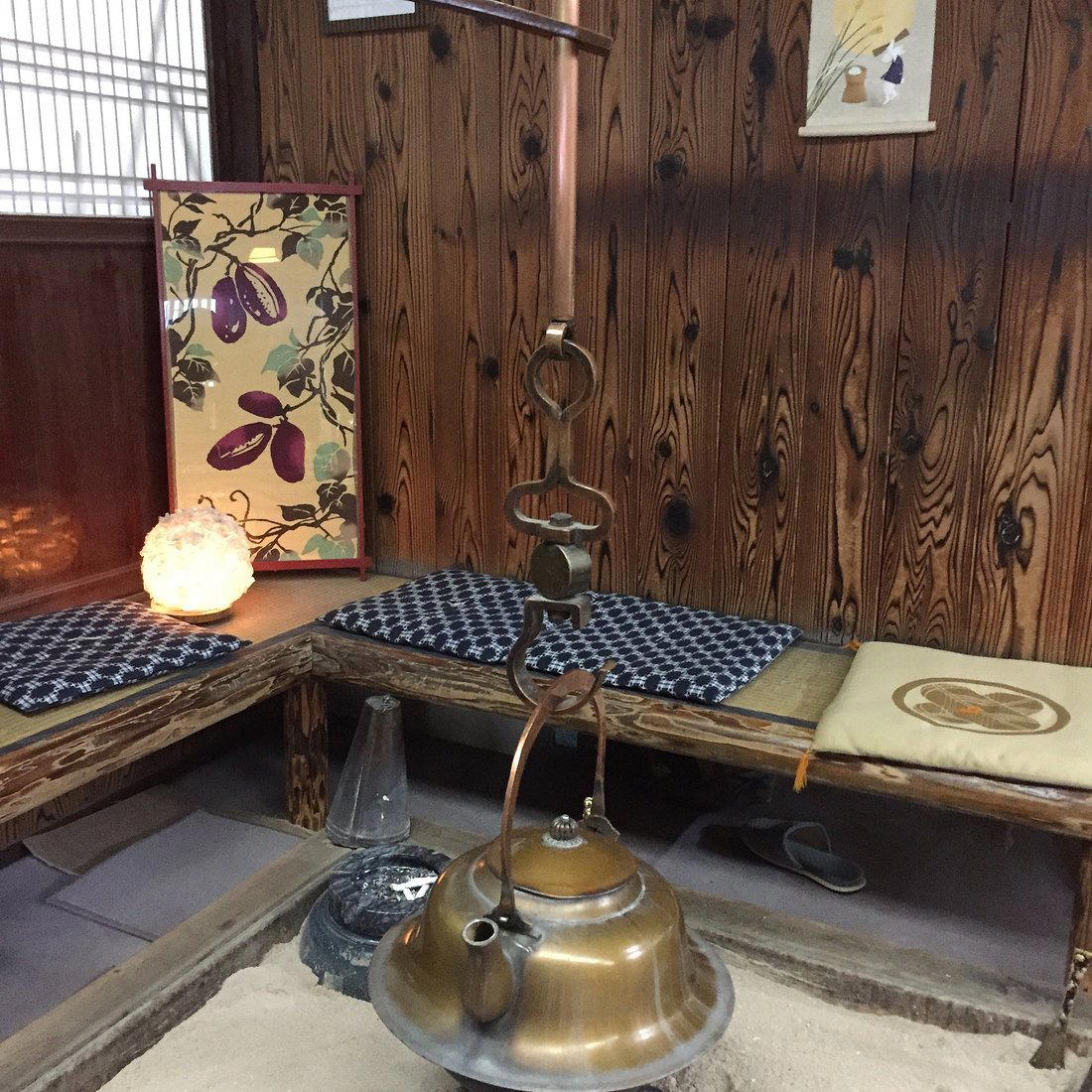
It also sits at a different spend level from everyday Miyazaki casual dining, with listed budgets of Dinner: JPY 10,000 - JPY 14,999; Lunch: JPY 6,000 - JPY 7,999. Hiroshima-fu Okonomiyaki Kacchan occupies a more local comfort-food bracket, while Ooyodo Kahan Miyachiku belongs to the beef-focused side of the prefecture’s dining identity. Isshinzushi Koyo is the natural local comparison for visitors thinking specifically about sushi, though the better distinction is category, not hierarchy: Miyazaki rewards diners who separate regional classics, beef restaurants and fish-led meals instead of forcing them into one ranked list.
For a broader city plan, start with Our full Miyazaki restaurants guide, then layer in where to sleep through Our full Miyazaki hotels guide. Drinking routes, winery notes and non-restaurant planning sit separately in Our full Miyazaki bars guide, Our full Miyazaki wineries guide and Our full Miyazaki experiences guide. Readers extending beyond Miyazaki can compare how regional Japanese dining changes across formats by looking at other dining rooms generically, from beef-led meals and seafood counters to cafés, curry shops, sake bars and casual rice specialists.
The verdict is concise: Yushin is for travellers who want Miyazaki to read through its coast as much as its land. The award recognition gives credibility; the Miyazaki setting gives context; the sushi-seafood-tempura structure gives the meal its ritual shape. In a city where many visitors default to meat and comfort dishes, this is the fish-led reservation that changes the balance of the trip.
Frequently asked questions
Is Yushin open every day?
Opening days and hours for Yushin should be confirmed directly with the restaurant before visiting.
What part of town is Yushin in?
Miyazaki.
What's the price range at Yushin?
Pricing at Yushin is listed as Dinner: JPY 10,000 - JPY 14,999; Lunch: JPY 6,000 - JPY 7,999.
What is Yushin known for?
Yushin is known for sushi, seafood and tempura in Miyazaki.
What It’s Closest To
Comparable venues by cuisine and price in the same metro.
| Venue | Cuisine | Price | Awards | Notes |
|---|---|---|---|---|
| YushinThis venue (the venue you are viewing) | Intimate Oceanfront Sushi & Seafood Omakase | $50–100 | Tabelog 100 #40 | Not listed |
| ä¸å¿é®¨ å æ´ | Traditional Japanese Sushi Omakase | $200–300 | Tabelog Bronze #139 | Not listed |
| 幸魚 | Kaisen Kaiseki (Seafood Kaiseki) | $100–150 | Not listed | central Miyazaki |
| Tori no Sato | Japanese Izakaya (Local Chicken & Seafood) | $30–50 | Tabelog 100 #67 | Kawaramachi |
| Torimasa | Yakitori & Miyazaki Chicken Izakaya | $30–50 | Tabelog 100 #59 | Not listed |
| Tenichi | Seasonal Miyazaki Izakaya | $50–100 | Tabelog 100 #89 | Nishitachibanadori |
Recognition history
Dated appearances from independent guides and award organizations, with the underlying list record or original source where available.
Tabelog 100 #40 · No. 40
Tabelog · Tabelog 100 - Sushi - WEST - 2025
Continue exploring
More in Miyazaki
Details
- Scenic
- Cozy
- Intimate
- Classic
- Date Night
- Special Occasion
- Business Dinner
- Solo
- Waterfront
- Private Dining
- Standalone
- Sake Program
- Sustainable Seafood
- Local Sourcing
- Waterfront
- Omakase
- Counter Dining
- Set Menu
- Sake
- Wine
- Pescatarian Friendly
Current opening hours
- Monday
- 11 AM–2:30 PM, 6–9:30 PM
- Tuesday
- 11 AM–2:30 PM, 6–9:30 PM
- Wednesday
- Closed
- Thursday
- Closed
- Friday
- 11 AM–2:30 PM, 6–9:30 PM
- Saturday
- 11 AM–2:30 PM, 6–9:30 PM
- Sunday
- 11 AM–2:30 PM, 6–9:30 PM
Hours can change for holidays and private events. Hours as of .
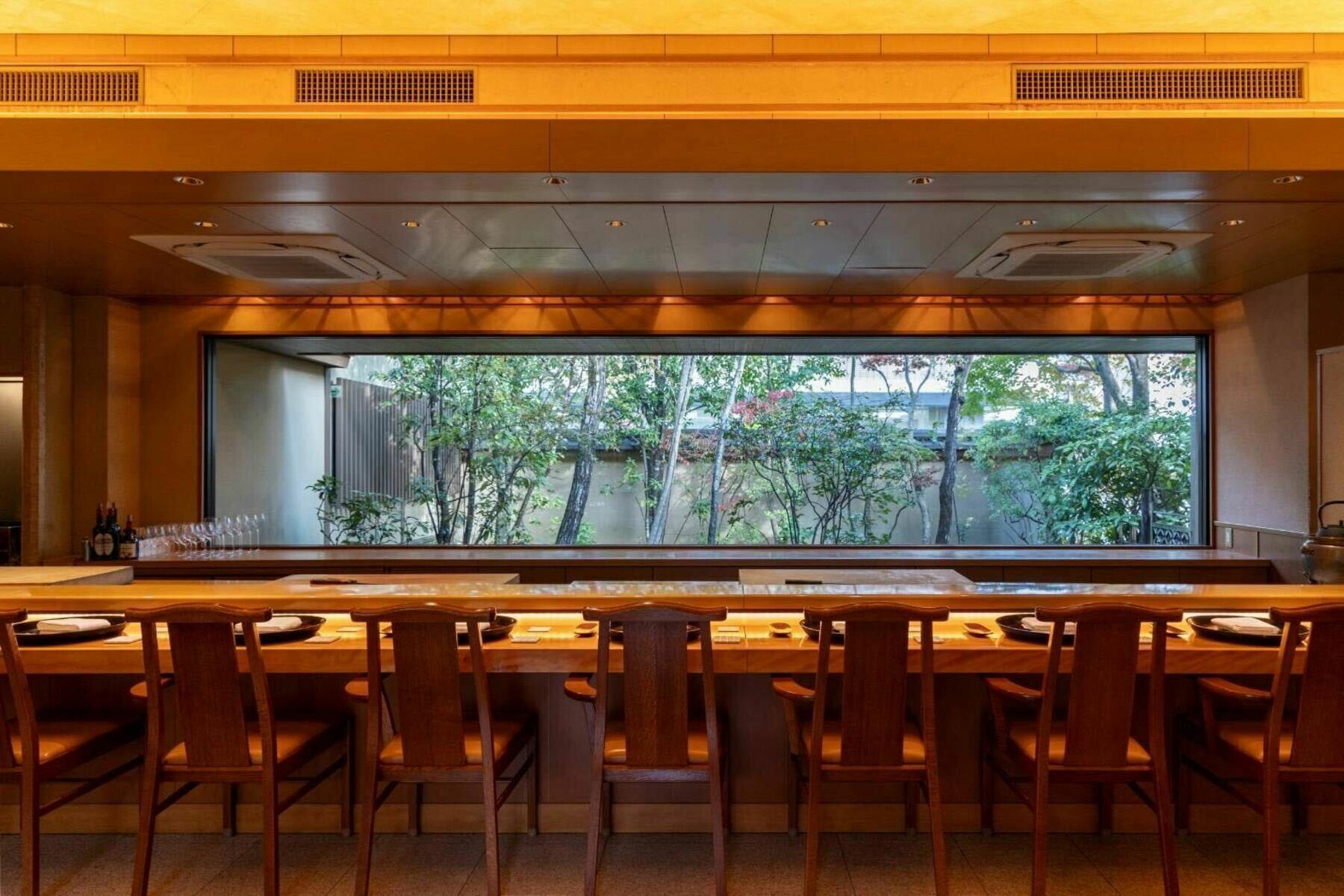
A small house-restaurant by the sea with a calm, non-smoking environment; guests sit in a cozy, intimate setting focused on the chef’s sushi and seafood, with an understated, classic atmosphere rather than a flashy design.