
Tabelog 100 #59
Our verdict
Torimasa places Miyazaki yakitori in a more serious register than the city’s casual izakaya circuit, with Tabelog 100 Yakitori WEST recognition in 2025 and a dinner spend in the JPY 8,000–9,999 range. The appeal is the ritual: counter rhythm, skewers, drinks built around sake, shochu, and wine, and a format that rewards diners who treat grilled chicken as a full meal rather than a snack.

Pearl is the En Primeur Club membership app, where members save venues, book tables and use the concierge.
The menu
What to order
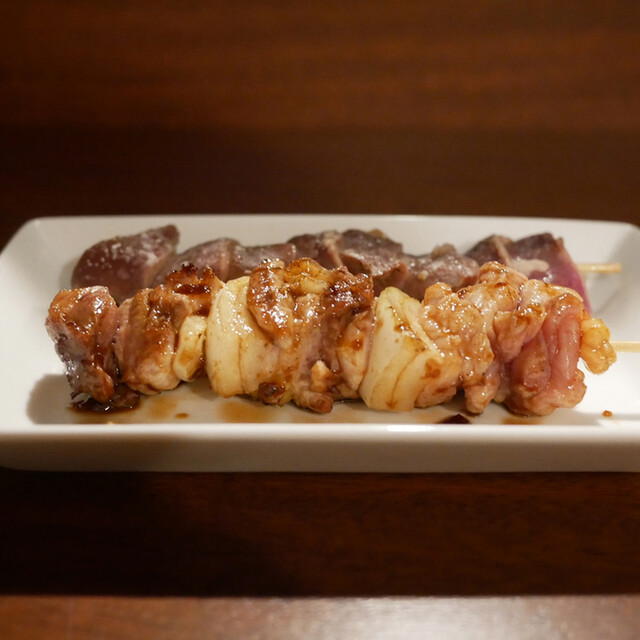
- Yakitori (grilled chicken skewers)
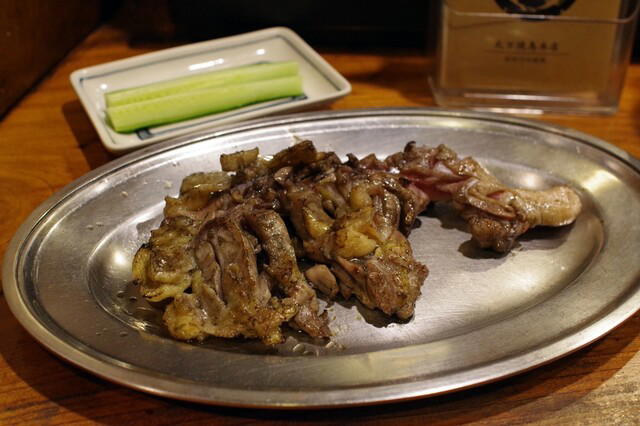
- Charcoal-grilled Miyazaki chicken
- Chicken nanban
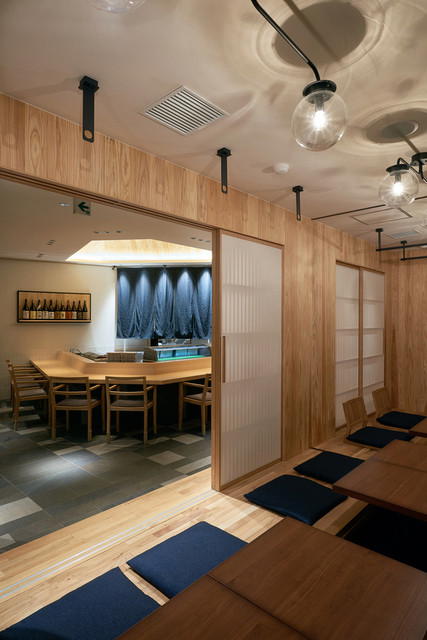
Approach yakitori in Miyazaki as a rhythm before treating it as a menu. The room matters: counter seats put the grill in the foreground, tables slow the pace, and group seating turns the meal toward izakaya conviviality. Torimasa works inside that grammar, not against it, placing skewers, Japanese cooking, and drink service in the same frame rather than separating “serious restaurant” from “night-out tavern.” In a city better known nationally for chicken nanban and shochu culture than for destination tasting menus, that distinction matters.
Yakitori as a paced ritual, not a quick skewer stop
Good yakitori depends on sequence. The pleasure comes from a steady procession of parts, textures, and degrees of char, with drinks used to reset the palate between rounds. Miyazaki’s dining culture gives that format a natural home: poultry is part of the prefecture’s identity, shochu is not an afterthought, and the evening meal often sits closer to a social cadence than a formal tasting menu. Torimasa’s categories, yakitori, Japanese cuisine, and izakaya, point to that hybrid position.
The Tabelog Hyakumeiten 2025 recognition places the restaurant in a regional conversation that stretches beyond Miyazaki. That kind of listing does not simply reward novelty; it tends to favor restaurants that have built a consistent local following around a focused craft. The recognition here is a useful signal for 2025, alongside a listed Tabelog score of 3.71. For a traveler, the signal is not glamour. It is credibility in a category where precision is judged skewer by skewer.
Within Miyazaki, the listed dinner price of JPY 8,000 - JPY 9,999 separates the meal from simpler izakaya grazing. Tori no Sato and Aji Kawa can be read as part of the same local dining landscape, while Torimasa sits clearly in the register of a dedicated evening around grilled chicken, drinks, and pacing. That does not make it formal in the Tokyo sense; it makes it a more deliberate choice in a city where casual dining can be excellent and inexpensive.
What the counter tells you about Miyazaki dining
The counter is the sharpest way to read this style of meal. Yakitori is not only about premium parts or rare cuts, though both are part of the category’s appeal; it is about heat management, order, and restraint. A skewer restaurant has to balance craft and throughput, whether you are watching the grill closely or settling into the room more socially. That balance is central to regional yakitori outside the capital: less ceremony than Ginza, more local drinking culture, and a narrower gap between a serious dinner and a relaxed night with friends.
The drink side reinforces the Miyazaki context. Japanese dining and izakaya culture often make room for sake, shochu, beer, and other pairings, but shochu carries particular weight in southern Kyushu, where sweet potato and barley distilling traditions shape how people eat grilled and salted food. The better reading is practical: skewers allow movement across drink styles, and a table can shift its pace without breaking the meal’s logic.
Comparisons inside the city are useful because Miyazaki’s appeal is plural rather than hierarchical. Other Miyazaki dining rooms speak to the chicken-nanban side of the city’s culinary identity, while additional local restaurants show how varied the map becomes once the conversation moves beyond regional staples. Yakitori belongs in that map as a dining ritual, not merely as drinking food.
For readers planning around the wider city, Our full Miyazaki restaurants guide gives the strongest context for meals before and after, while Our full Miyazaki hotels guide, Our full Miyazaki bars guide, Our full Miyazaki wineries guide, and Our full Miyazaki experiences guide help place dinner inside a broader trip rather than treating it as an isolated reservation.
How to read it against Japan's broader grill culture
Japan’s grilled-food spectrum is wide: yakitori counters, beef-focused rooms, seafood grills, izakaya chains, and small specialist bars all use fire differently. A Miyazaki yakitori dinner should not be judged by the same markers as other grilled-food traditions elsewhere in Japan. Some rooms lean toward beef and sweet-sauce cooking, while others point toward seafood and charcoal in a metropolitan mode; Torimasa is better understood through the slower, skewer-by-skewer logic of yakitori.
Other comparisons underline the importance of format. Cafes, casual counters, curry specialists, and regional taverns each ask diners to adjust expectations before ordering. The same applies here: this is a meal built around grill pacing, drink compatibility, and the etiquette of letting the sequence unfold.
The wider Japanese-dining context is not accidental either. Sake-led bars abroad show how parts of the cuisine have been translated internationally, while portable comfort foods sit at the opposite end of the spectrum. Torimasa belongs to the less portable category. Yakitori loses meaning when reduced to a single skewer; the point is the full evening, the grill as timekeeper, and the city’s drinking culture doing its quiet work around it.
Frequently asked questions
How do I find Torimasa?
Torimasa is located in Miyazaki.
What's the pricing like at Torimasa?
Pricing at Torimasa is listed as JPY 8,000 - JPY 9,999.
Should I book Torimasa in advance?
For a focused yakitori dinner in Miyazaki, advance planning makes sense; check the venue’s official channels for current reservation details.
What's the defining dish or idea at Torimasa?
The defining idea is yakitori, with Japanese cuisine and izakaya elements framing a dinner price range of JPY 8,000–9,999. Torimasa’s Tabelog Hyakumeiten 2025 recognition places it in the more serious end of Miyazaki’s grilled-chicken scene.
Style and Standing
Nearby venues at a similar price tier for orientation.
| Venue | Cuisine | Price | Awards | Notes |
|---|---|---|---|---|
| TorimasaThis venue (the venue you are viewing) | Yakitori & Miyazaki Chicken Izakaya | $30–50 | Tabelog 100 #59 | Not listed |
| 幸魚 | Kaisen Kaiseki (Seafood Kaiseki) | $100–150 | Not listed | central Miyazaki |
| イワナガ食堂 | Yoshoku (Japanese-Style Western Cuisine) | $100–150 | Tabelog 100 #67 | Tachibanadōri Higashi |
| Tenichi | Seasonal Miyazaki Izakaya | $50–100 | Tabelog 100 #89 | Nishitachibanadori |
| Miyachiku | Miyazaki Beef Teppanyaki | $100–150 | Not listed | Shinbeppu-cho |
| Soba Tokoro Shimizu | Traditional Soba Restaurant | $20–30 | Tabelog 100 #19 | Tachibanadori Higashi |
Recognition history
Dated appearances from independent guides and award organizations, with the underlying list record or original source where available.
Tabelog 100 #59 · No. 59
Tabelog · Tabelog 100 - Yakitori - WEST - 2025
Continue exploring
More in Miyazaki
Details
- Cozy
- Classic
- Intimate
- Romantic
- Date Night
- Business Dinner
- Group Dining
- Solo
- Special Occasion
- After Work
- Chefs Counter
- Private Dining
- Standalone
- Sake Program
- Extensive Wine List
- Beer Program
- Local Sourcing
- A La Carte
- Counter Dining
- Small Plates
- Set Menu
- Sake
- Shochu
- Beer
- Wine
A calm, wood-accented Japanese space with a warm, relaxed atmosphere, combining counter seats where you can watch the chef work with semi-private and private rooms suitable for quiet gatherings and special occasions.