Yakitori Sake House
Our verdict
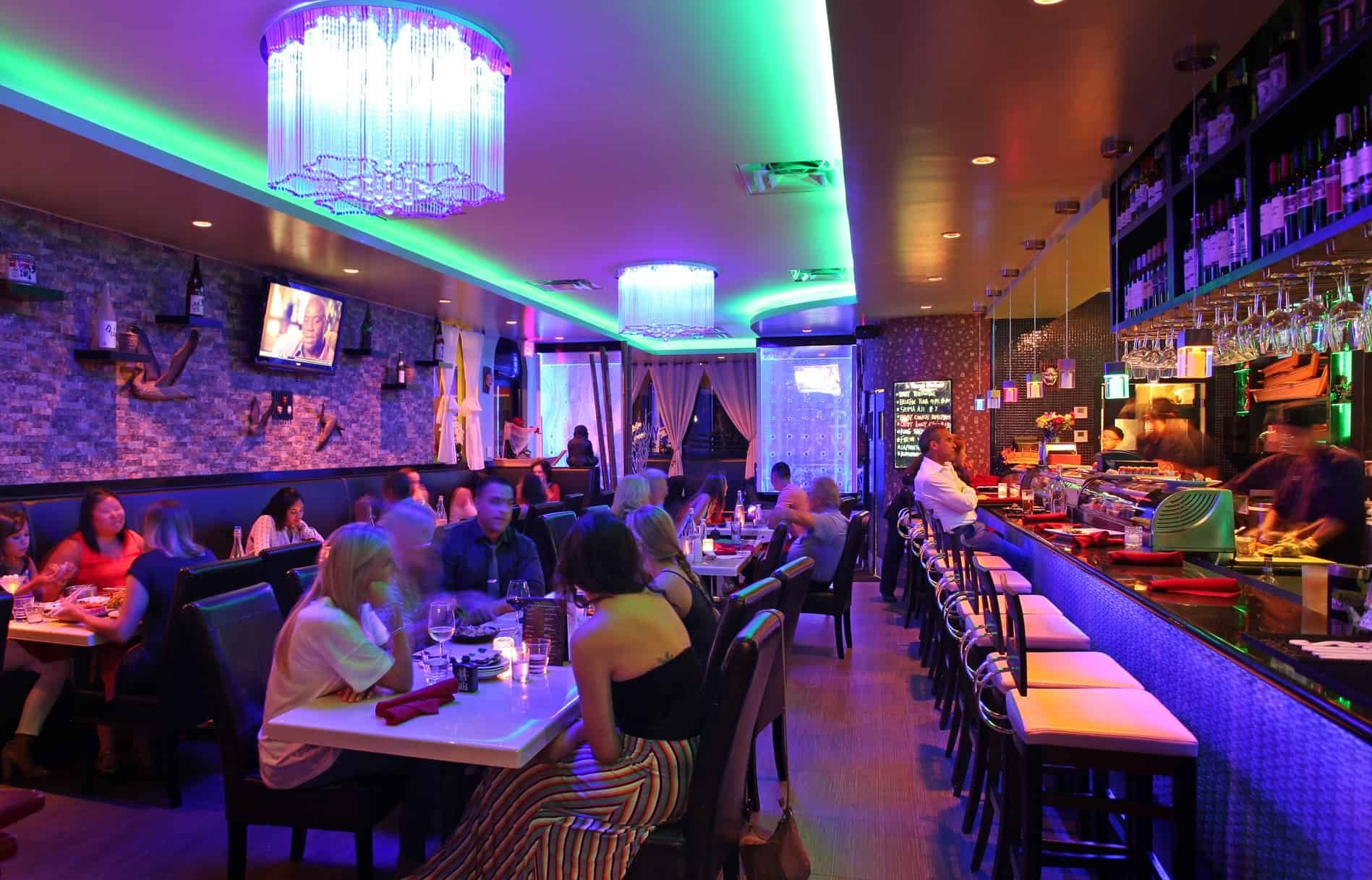
Yakitori Sake House on SE Mizner Boulevard brings Japanese skewer culture to Boca Raton's dining corridor, pairing charcoal-grilled yakitori with a sake program in a format that sits closer to Tokyo's izakaya tradition than South Florida's typical Asian dining options. The menu architecture, built around individual skewers and small plates, rewards guests who order widely rather than deeply.

Pearl is the En Primeur Club membership app, where members save venues, book tables and use the concierge.
Charcoal and Ceremony: Yakitori in South Florida
South Florida's Japanese dining scene has, for most of its history, defaulted to sushi-forward formats: omakase counters, hybrid roll bars, and the occasional ramen house. The izakaya model, centered on grilled skewers, small plates, and sake consumed alongside rather than before or after food, has been slower to arrive in cities like Boca Raton. Yakitori Sake House, at 271 SE Mizner Boulevard, occupies a position in that narrower category, bringing a skewer-and-sake format to a stretch of Mizner Park that otherwise skews toward Italian and American dining. In a city where 388 Italian Restaurant By Mr Sal and Cafe Landwer anchor the more familiar end of the dining spectrum, a venue built around the discipline of yakitori occupies meaningfully different territory.
Yakitori as a tradition is worth placing in context before discussing how it translates here. In Japan, the category spans everything from standing-room charcoal stalls near train stations to multi-course counter experiences where individual birds are butchered to order and every skewer represents a distinct cut. The common thread is precision over the flame: chicken thigh behaves differently than cartilage, which behaves differently than liver, and a kitchen that handles all three well is demonstrating real technical range. The sake pairing dimension adds another layer, sake's umami depth and relatively low acidity make it a more coherent match for grilled proteins than wine in many cases. Venues that take both seriously are placing a structural bet on guests who want to engage with that combination.
Reading the Menu as Architecture
The most instructive thing about any yakitori operation is not what it puts on the menu, but how it organizes what it puts there. Menus that lead with familiar proteins and work toward offal and specialty cuts signal a kitchen confident enough in its skewer work to draw guests progressively deeper. Menus that bury the interesting cuts or present everything at once without differentiation tend to be hedging, building for guests who won't order adventurously rather than for guests who will.
The izakaya format also implies a particular pacing logic. Unlike a tasting menu at, say, Alinea in Chicago or The French Laundry in Napa, where the kitchen controls tempo entirely, a yakitori counter places sequencing partially in the guest's hands. Knowing when to order the richer, fattier skewers versus the leaner cuts, and how to intersperse small plates, is part of how a well-designed izakaya menu communicates. The leading outcomes at this type of venue come from ordering incrementally rather than front-loading, a discipline that rewards returning guests who understand the format.
Sake program architecture functions as a secondary menu layer. Junmai, junmai ginjo, and junmai daiginjo designations point to the degree of rice polishing and the resulting flavor register, from earthier and fuller-bodied to cleaner and more delicate. A sake list that differentiates meaningfully across those categories, and ideally includes both warm and cold serving options for appropriate styles, is operating as a genuine pairing resource rather than a novelty addition. The interplay between sake selection and skewer sequencing is where an izakaya dining experience finds its real depth, something that differs structurally from the wine-pairing logic at Michelin-recognized venues like Le Bernardin in New York City or Providence in Los Angeles, but is no less deliberate in its own register.
Boca Raton's Dining Corridor Context
Mizner Boulevard and the surrounding Mizner Park area represent one of Boca Raton's more concentrated dining corridors, where foot traffic from the open-air retail and cultural venues sustains a range of formats across price points. The corridor competes for a demographic that moves between Boca's beach-adjacent options and its downtown dining cluster. In that context, a yakitori and sake operation occupies a distinct position: it requires more guest engagement than a conventional sushi bar or a venue like AlleyCat or Anyday Boca, but it offers a format that travels better as a group dining experience than a counter-only omakase.
The broader Boca Raton restaurant scene, covered in detail in our full Boca Raton restaurants guide, has developed a notably Italian-forward character alongside its waterfront dining options. Japanese formats other than sushi have historically found a smaller foothold, which means a venue committed to the yakitori tradition is working in a category with limited immediate local competition. That can be an advantage for establishing category identity, though it also means educating a portion of the guest base about a format they may not have encountered in depth, unlike, say, the heavily codified sushi expectations that guests bring to higher-end Japanese dining.
For reference on how Japanese dining formats perform in premium American markets, the Korean-influenced counter at Atomix in New York City demonstrates how Asian culinary traditions can establish strong critical standing in the US without defaulting to familiar Western frameworks. The question for a venue like Yakitori Sake House is whether it can build a guest base literate enough in the format to sustain the depth of its program.
Planning Your Visit
Yakitori Sake House is located at 271 SE Mizner Boulevard in downtown Boca Raton, within walking distance of Mizner Park's retail and cultural institutions. The izakaya format works well for small groups of two to four, where the range of the skewer menu can be explored without the ordering complexity becoming unwieldy. For waterfront context and variation across a longer Boca Raton evening, Beluga House Waterfront Restaurant provides a distinct contrast as a pre- or post-dinner option. Current hours, reservation availability, and pricing are best confirmed directly with the venue, as these details are subject to change. Given the format, evening visits tend to align most naturally with the izakaya tradition of extended, unhurried dining over multiple skewer courses alongside sake.
Frequently asked questions
What is the signature dish at Yakitori Sake House?
Yakitori menus are typically structured so that no single dish functions as the anchor; the format is designed for breadth across skewer varieties rather than depth on one preparation. At any serious yakitori operation, the chicken thigh (momo) and chicken skin skewers tend to be the baseline tests of kitchen quality, they reveal fat rendering, flame control, and seasoning discipline most clearly. Guests looking to assess the kitchen's range should move across multiple cuts rather than anchoring on one.
Can I walk in to Yakitori Sake House?
Walk-in availability at izakaya-format venues tends to be more flexible than at omakase counters or prix-fixe restaurants, the format is designed for casual, extended dining rather than fixed seating at specific times. However, the Mizner Park corridor sees consistent evening demand, and making a reservation or calling ahead reduces the risk of a wait. In comparable markets, izakaya venues in active dining corridors typically fill earlier on weekends than their less structured format might suggest.
What do critics highlight about Yakitori Sake House?
What critics tend to assess in this format more broadly is the quality of skewer execution across the full menu range, the coherence of the sake program, and whether the kitchen demonstrates genuine command over the less familiar cuts, the measures that separate a casual grill operation from a venue with real izakaya depth. Venues that perform in all three areas tend to build strong local followings even without major award recognition, in the way that less-profiled but technically grounded venues often do alongside celebrated names like Blue Hill at Stone Barns in Tarrytown or Single Thread Farm in Healdsburg.
Is Yakitori Sake House a good option for guests unfamiliar with Japanese sake?
The sake-and-skewer format is well-suited to curious but inexperienced sake drinkers, because the pairing logic is more forgiving than wine-with-food matching, sake's relatively neutral acidity makes it broadly compatible with grilled proteins. A venue operating a considered sake program should be equipped to guide guests through the key style distinctions without requiring prior knowledge. In Boca Raton, where Japanese beverage programs outside of sushi bars remain relatively uncommon, this positions Yakitori Sake House as a practical entry point into the category for guests with no prior izakaya experience.
Cuisine-First Comparison
Comparable venues nearby, for context on price, style, and recognition.
| Venue | Cuisine | Price | Notes |
|---|---|---|---|
| Yakitori Sake HouseThis venue (the venue you are viewing) | Japanese Sushi and Yakitori | Not listed | Not listed |
| Sushigo | Modern Japanese Sushi | $50–100 | Not listed |
| Chili crab | Hong Kong-Style Seafood and Dim Sum | Not listed | Southeast Boca Raton |
| Matteo's of Boca Raton | Traditional Northern & Southern Italian Trattoria | $30–50 | Downtown Boca Raton |
| Chez Marie French Bistro | Traditional French Bistro | $30–50 | Polo Club Shoppes |
| Red Pine | Modern Chinese | Not listed | Midtown Boca Raton |
Continue exploring
More in Boca Raton
Restaurants in Boca Raton
All restaurants in Boca Raton →

Bars in Boca Raton
Browse all →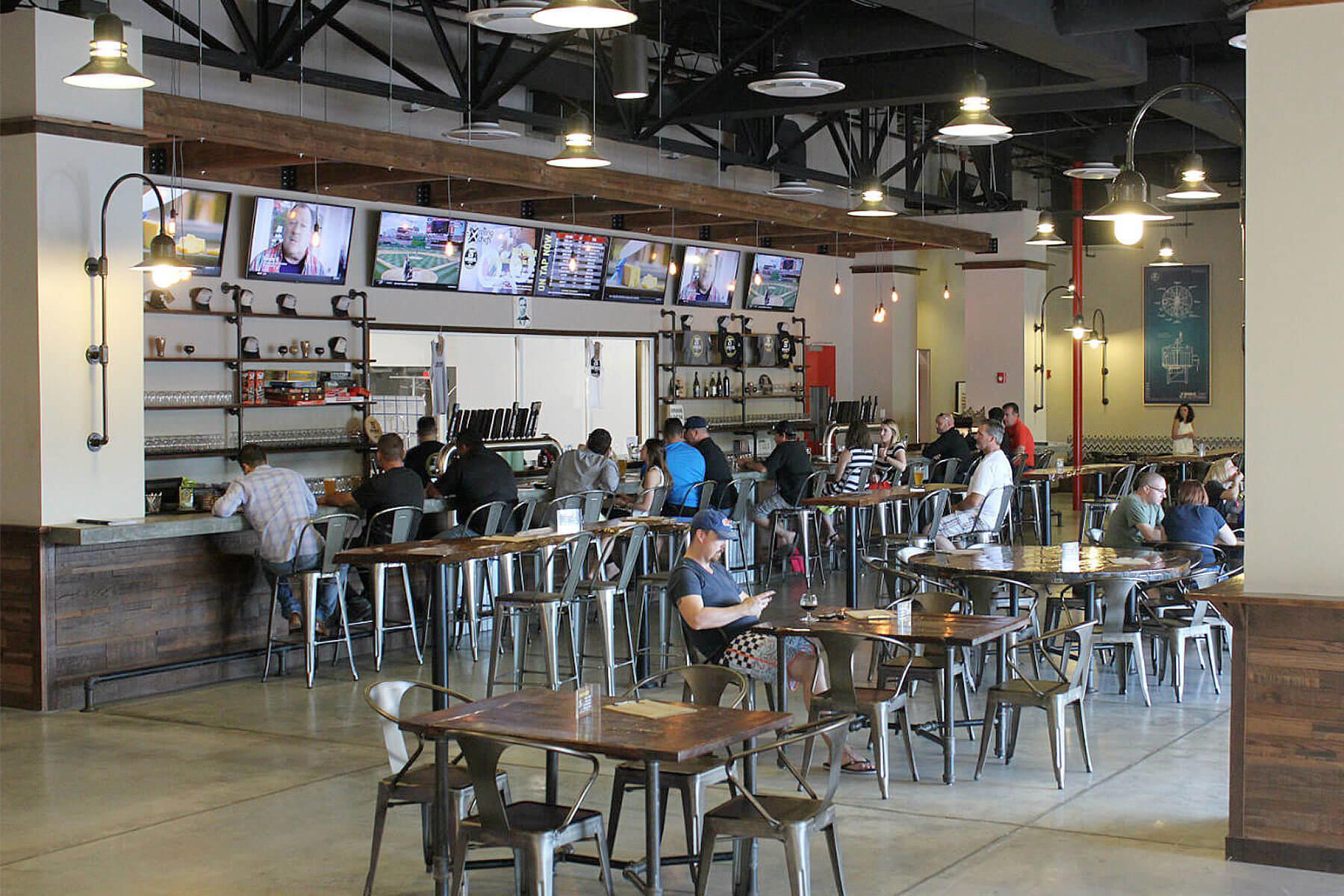
Details
- Lively
- Cozy
- Trendy
- Group Dining
- Casual Hangout
- Date Night
- Open Kitchen
- Sake Program
- A La Carte
- Small Plates
- Vegetarian Friendly
- Vegan Options
- Gluten Free Options
Current opening hours
- Monday
- 11:30 AM–10:30 PM
- Tuesday
- 11:30 AM–10:30 PM
- Wednesday
- 11:30 AM–10:30 PM
- Thursday
- 11:30 AM–10:30 PM
- Friday
- 11:30 AM–11:30 PM
- Saturday
- 12–11:30 PM
- Sunday
- 12–10:30 PM
Hours can change for holidays and private events. Last verified .
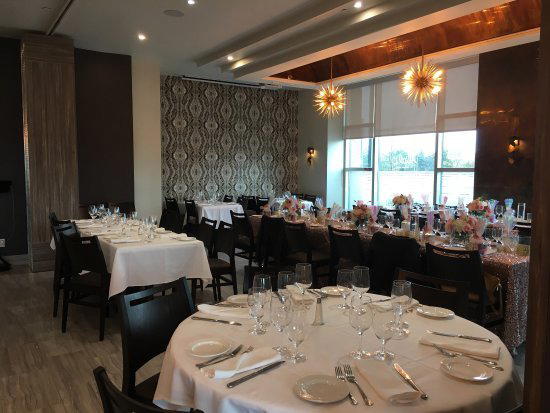
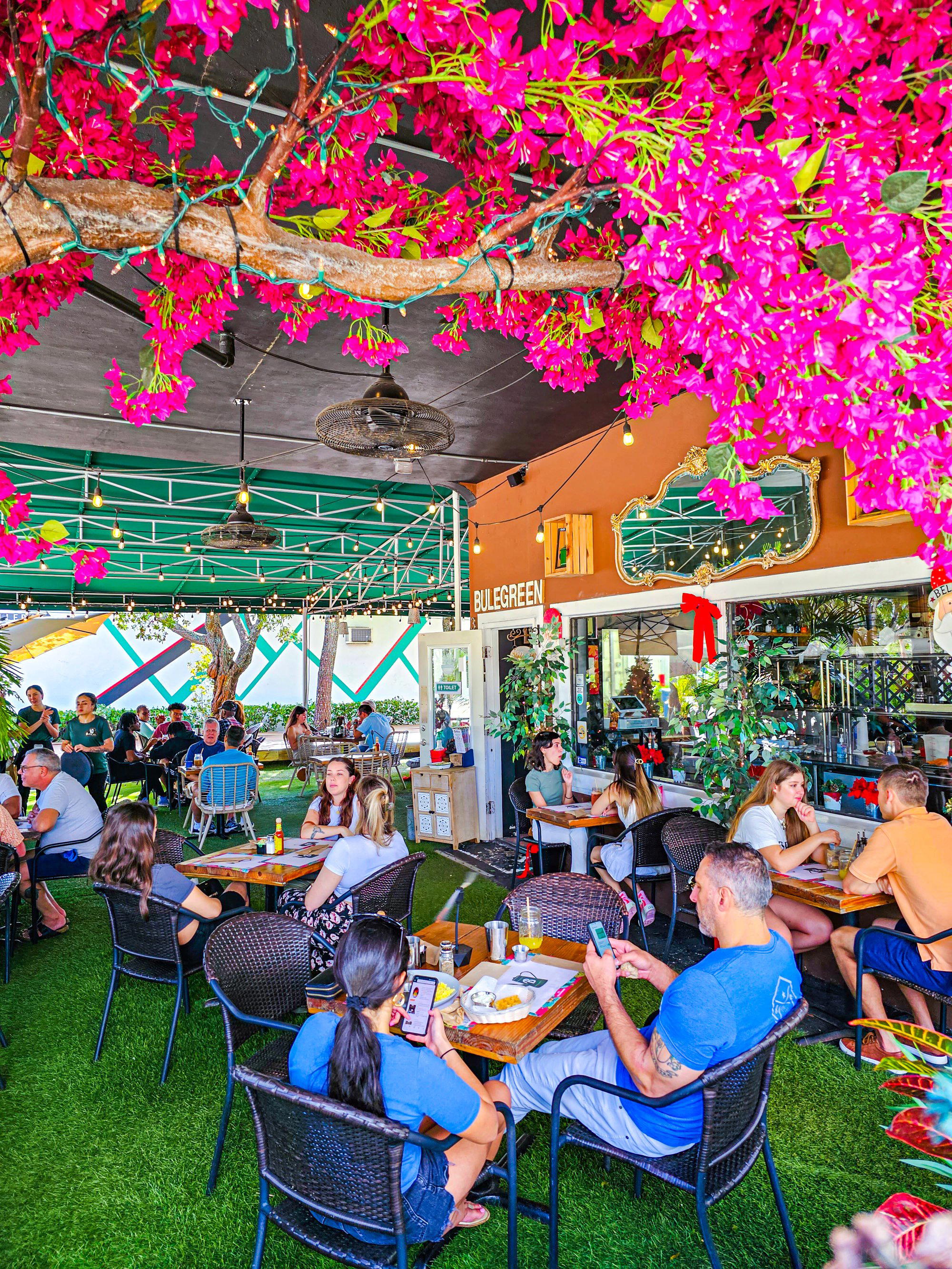
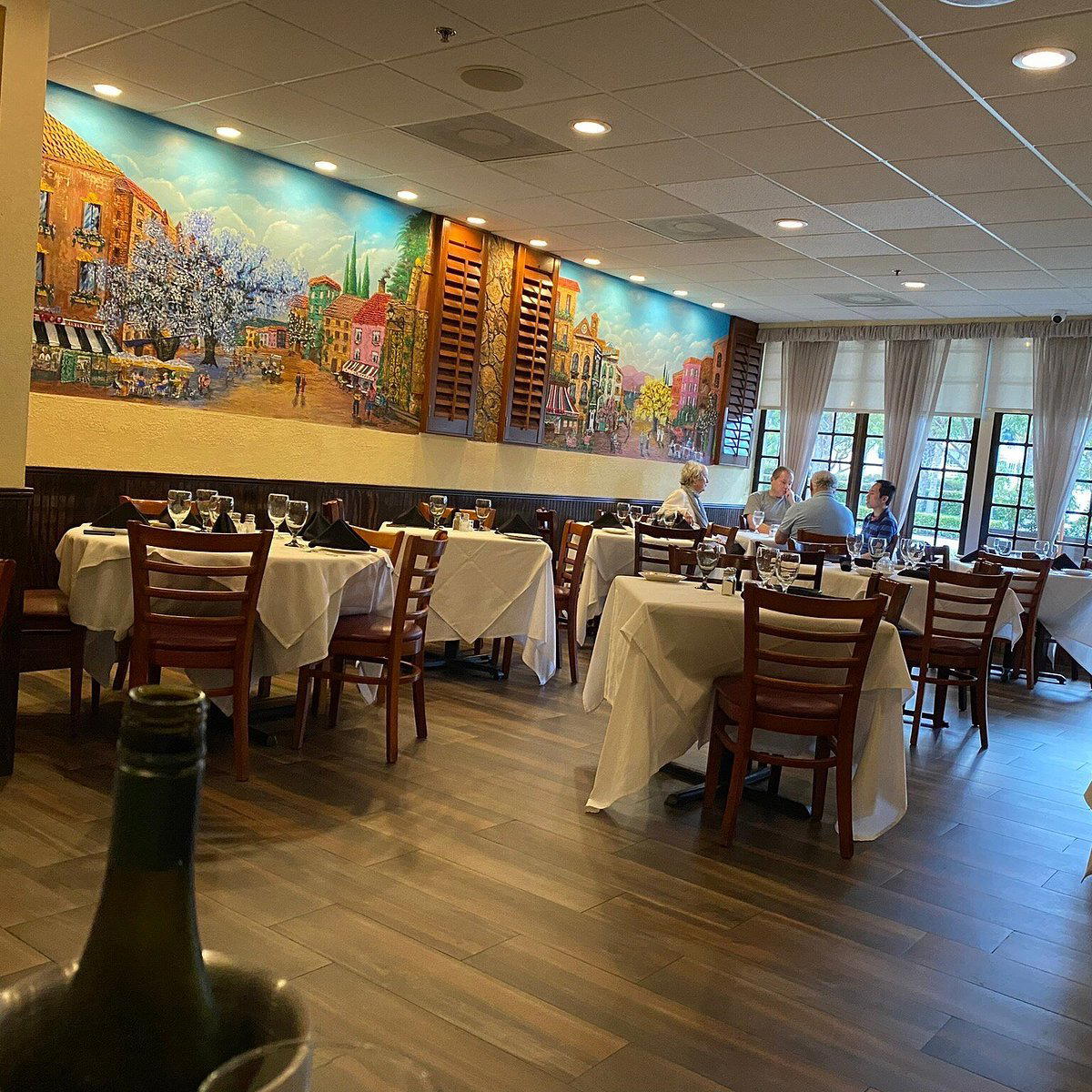
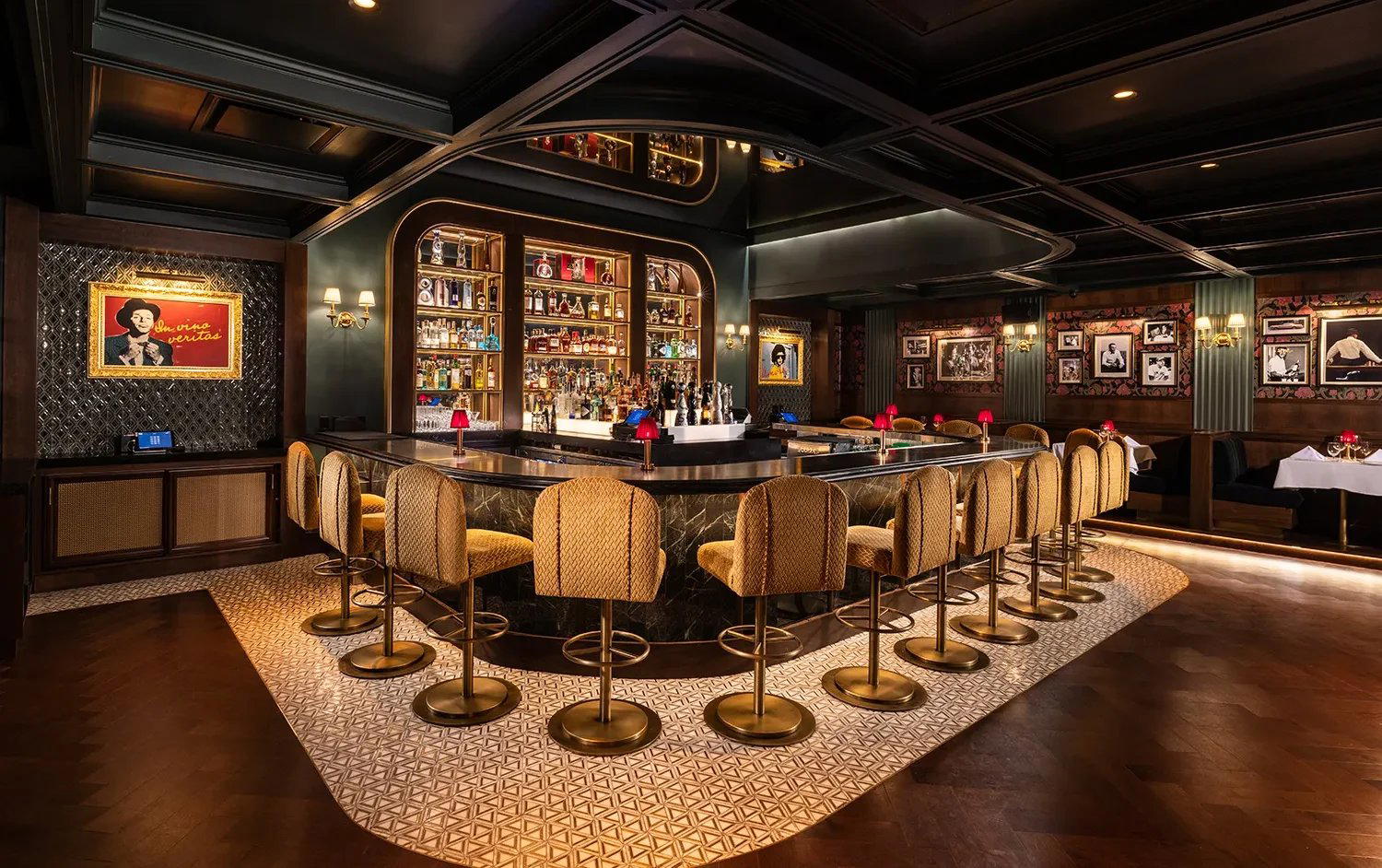
Casual and easy-going with a cozy bar area and socially distanced indoor/outdoor seating.