33 1/3 Speakeasy
The speakeasy format has travelled far from its Prohibition-era origins in American basement bars, arriving in the Caribbean with varying degrees of conviction. Most resort destinations treat the concept as aesthetic shorthand: dim lighting, a password gimmick, and a cocktail list that could belong anywhere. At 33 1/3 Speakeasy in Punta Cana, the address along the Carretera Uvero Alto suggests something positioned away from the high-traffic resort strip, in a corridor where the surrounding density of all-inclusive hotels makes a genuinely craft-oriented bar concept both more conspicuous and more necessary. The Speakeasy Tradition in a Resort Context Across the Caribbean, premium cocktail bars occupy a narrower niche than in comparable urban markets. The dominant hospitality model rewards volume and accessibility over programme depth, which means that venues built around bartender technique and considered drink-making tend to surface as outliers rather than representatives of a broader scene. The speakeasy format, when executed with discipline, offers a structural argument against that tendency: lower capacity encourages more deliberate service, and the hidden-room premise creates permission to slow the pace and invest in each drink. The name 33 1/3 carries a reference density worth noting. It invokes the vinyl record revolution, specifically the long-playing record format that changed how music was composed and consumed. That choice of reference, a technology of depth and duration over the quick single, telegraphs something about the intended approach. Bars that name themselves after analogue precision tend to be making a statement about patience and craft. Whether the execution honours that premise is the question any serious drinker brings through the door. What the Cocktail Programme Signals The speakeasy format globally has split into two distinct modes since its commercial revival in the 2010s. The first prioritises theatre: hidden entrances, costumed staff, cocktails served in theatrical vessels. The second prioritises technique: clarified spirits, house-made ingredients, bartenders with verifiable programme credentials. The bars that have earned sustained critical attention, from Jewel of the South in New Orleans to Kumiko in Chicago, have generally landed in the second category, using the speakeasy atmosphere as a frame rather than as the content itself. In the Caribbean context, a bar operating under the speakeasy label on the Uvero Alto corridor faces a different competitive set than it would in New York or Chicago. It is not competing with Dear Irving in New York City or Superbueno for the attention of spirits professionals. Dominican rum is the obvious reference point for any serious cocktail programme operating on this island. The country produces rum across a wide range of styles, from lighter, column-distilled expressions to heavier, more aged varieties, and a bar positioned as a specialist that ignores or sidelines that heritage is making a choice with implications for credibility. The most persuasive Caribbean cocktail programmes, whether at Bar Leather Apron in Honolulu or regionally focused venues like Hodelpa Nicolás de Ovando in Santo Domingo, tend to be the ones that treat local spirits as a primary creative material rather than a token inclusion. Atmosphere and Positioning A bar that operates under the speakeasy premise in a resort destination is making a claim about the kind of evening it offers. The implicit contract is that the guest trades convenience and volume for something more considered. That trade is easier to honour in an urban setting, where a small bar on a side street signals its own seriousness by its location. On the Uvero Alto highway, the physical remove from the main resort zone does some of that signalling work, though the surrounding context remains resort Dominican Republic rather than any established cocktail district. Internationally, bars that have built genuine reputations in isolated or unexpected locations have done so through programme consistency over time. Julep in Houston established American whiskey credibility in a city not historically associated with cocktail culture. The Parlour in Frankfurt on the Main built a serious programme in a financial centre better known for banking than bartending. Experimental Bistro in Taipei placed Taiwan on the global cocktail map through sustained technical investment. The lesson in each case is that geography limits neither ambition nor outcome, but it does require that the programme do more of the work in the absence of a pre-existing scene to borrow credibility from. For the cocktail drinker making decisions in Punta Cana, the relevant question is what 33 1/3 offers that a resort bar cannot. If the answer lies in a rum-forward programme built around Dominican provenance, bartenders with verifiable technique, and a physical environment that rewards staying for two drinks rather than cycling through, then it occupies a position the market here genuinely lacks. That gap is real. Café La Trova in Miami demonstrated that Caribbean-rooted drinking culture can carry serious cocktail ambition when the programme is built with depth. The model exists. The question is execution. Planning a Visit The bar sits on the Carretera Uvero Alto in the Punta Cana 23000 zone, positioned along the highway that connects the airport corridor to the more dispersed northern resort clusters. Visitors staying in the central Bávaro or Cap Cana areas should account for the drive, which positions this as a destination evening rather than a casual walk-in option. As with most Caribbean specialist bars, arriving with a reservation or early in the evening carries lower risk than arriving late and expecting immediate seating. For further context on where this bar sits within the broader Punta Cana dining and drinking scene, see our full Punta Cana restaurants guide. Globally minded travellers curious about how high-end bar programmes compare across regions may also find value in looking at La Bar du Plaza Athénée in Paris as a reference point for what formal European bar programming looks like at the other end of the spectrum. Frequently Asked Questions Is 33 1/3 Speakeasy more formal or casual?The speakeasy format in general sits between resort casual and urban formal: more intentional than a hotel lobby bar, but without the dress-code rigidity of a European institution like La Bar du Plaza Athénée in Paris. In Punta Cana's resort context, the setting is likely to reward smart casual dress over beach attire, though no verified dress code is on record. The pace tends to be slower and more deliberate than a poolside bar, which is part of the format's premise.What is the must-try cocktail at 33 1/3 Speakeasy?No verified menu data is currently available for 33 1/3 Speakeasy, so specific drink recommendations cannot be confirmed without a reliable source. That said, any serious cocktail programme operating in the Dominican Republic should be engaging with local rum as a primary ingredient. If the bar offers a rum-based house cocktail with locally sourced components, that is the most coherent starting point for understanding what the programme stands for.How does 33 1/3 Speakeasy fit into Punta Cana's nightlife scene compared to resort hotel bars?Punta Cana's nightlife is dominated by all-inclusive resort bars, which prioritise volume and accessibility over cocktail programme depth. A venue operating under the speakeasy model, with its implied emphasis on lower capacity and more deliberate drink-making, occupies a different tier from that dominant format. For travellers who have experienced specialist bar programmes in cities like Santo Domingo, where Hodelpa Nicolás de Ovando represents a higher formal standard, 33 1/3 offers a comparable niche in the resort corridor, where that kind of specialist positioning is considerably rarer.
Pearl is the En Primeur Club membership app — saves, bookings, and concierge access live there. Same editors, same standards.
- Address
- Carretera Uvero Alto Higuey, Punta Cana 23000, Dominican Republic
- Phone
- +1 849-336-0075
- Website
- marriott.com
- Directions
- Get directions
 Saves & bookings on Pearl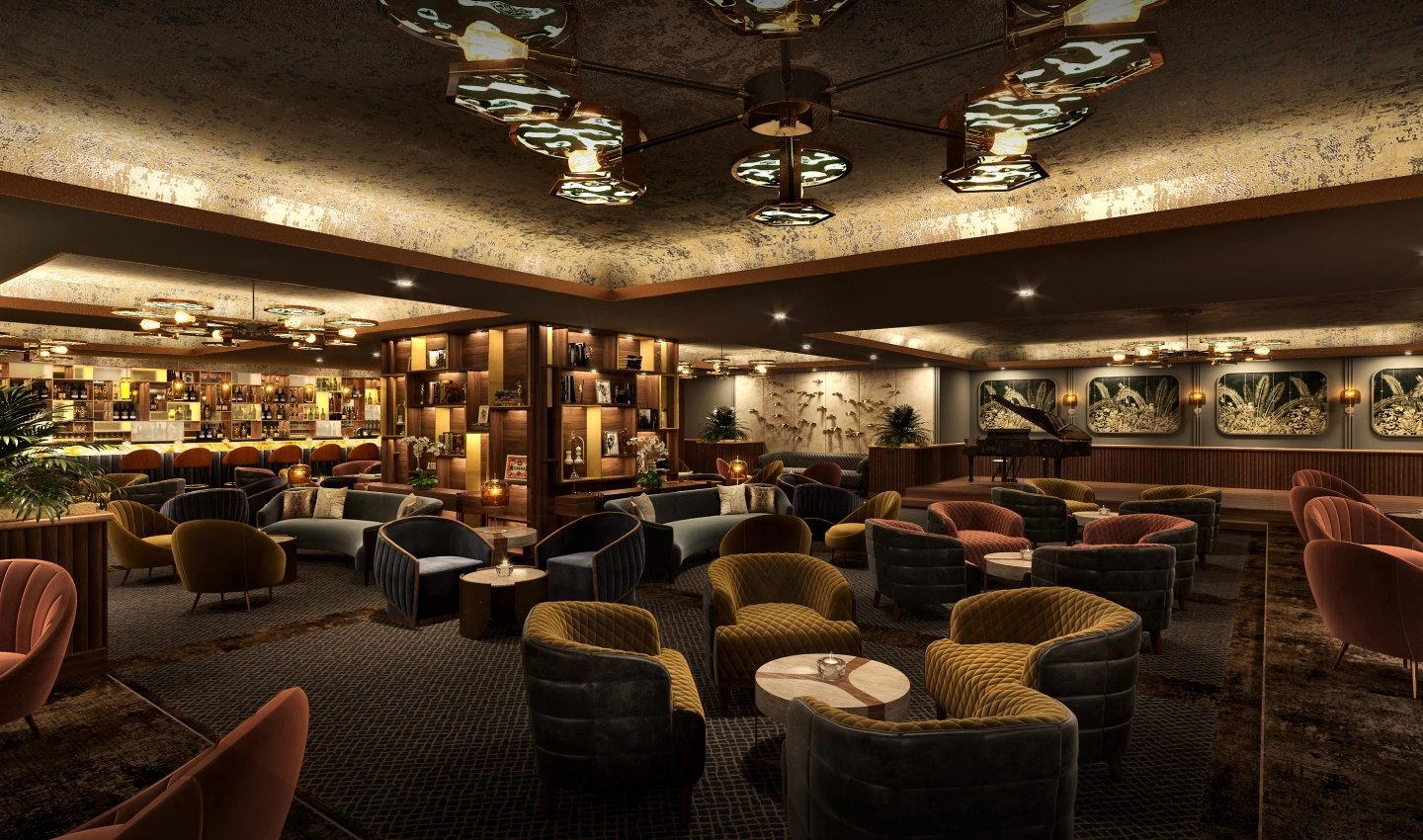
The speakeasy format has travelled far from its Prohibition-era origins in American basement bars, arriving in the Caribbean with varying degrees of conviction. Most resort destinations treat the concept as aesthetic shorthand: dim lighting, a password gimmick, and a cocktail list that could belong anywhere. At 33 1/3 Speakeasy in Punta Cana, the address along the Carretera Uvero Alto suggests something positioned away from the high-traffic resort strip, in a corridor where the surrounding density of all-inclusive hotels makes a genuinely craft-oriented bar concept both more conspicuous and more necessary.
The Speakeasy Tradition in a Resort Context
Across the Caribbean, premium cocktail bars occupy a narrower niche than in comparable urban markets. The dominant hospitality model rewards volume and accessibility over programme depth, which means that venues built around bartender technique and considered drink-making tend to surface as outliers rather than representatives of a broader scene. The speakeasy format, when executed with discipline, offers a structural argument against that tendency: lower capacity encourages more deliberate service, and the hidden-room premise creates permission to slow the pace and invest in each drink.
The name 33 1/3 carries a reference density worth noting. It invokes the vinyl record revolution, specifically the long-playing record format that changed how music was composed and consumed. That choice of reference, a technology of depth and duration over the quick single, telegraphs something about the intended approach. Bars that name themselves after analogue precision tend to be making a statement about patience and craft. Whether the execution honours that premise is the question any serious drinker brings through the door.
What the Cocktail Programme Signals
The speakeasy format globally has split into two distinct modes since its commercial revival in the 2010s. The first prioritises theatre: hidden entrances, costumed staff, cocktails served in theatrical vessels. The second prioritises technique: clarified spirits, house-made ingredients, bartenders with verifiable programme credentials. The bars that have earned sustained critical attention, from Jewel of the South in New Orleans to Kumiko in Chicago, have generally landed in the second category, using the speakeasy atmosphere as a frame rather than as the content itself.
In the Caribbean context, a bar operating under the speakeasy label on the Uvero Alto corridor faces a different competitive set than it would in New York or Chicago. It is not competing with Dear Irving in New York City or Superbueno for the attention of spirits professionals.
Dominican rum is the obvious reference point for any serious cocktail programme operating on this island. The country produces rum across a wide range of styles, from lighter, column-distilled expressions to heavier, more aged varieties, and a bar positioned as a specialist that ignores or sidelines that heritage is making a choice with implications for credibility. The most persuasive Caribbean cocktail programmes, whether at Bar Leather Apron in Honolulu or regionally focused venues like Hodelpa Nicolás de Ovando in Santo Domingo, tend to be the ones that treat local spirits as a primary creative material rather than a token inclusion.
Atmosphere and Positioning
A bar that operates under the speakeasy premise in a resort destination is making a claim about the kind of evening it offers. The implicit contract is that the guest trades convenience and volume for something more considered. That trade is easier to honour in an urban setting, where a small bar on a side street signals its own seriousness by its location. On the Uvero Alto highway, the physical remove from the main resort zone does some of that signalling work, though the surrounding context remains resort Dominican Republic rather than any established cocktail district.
Internationally, bars that have built genuine reputations in isolated or unexpected locations have done so through programme consistency over time. Julep in Houston established American whiskey credibility in a city not historically associated with cocktail culture. The Parlour in Frankfurt on the Main built a serious programme in a financial centre better known for banking than bartending. Experimental Bistro in Taipei placed Taiwan on the global cocktail map through sustained technical investment. The lesson in each case is that geography limits neither ambition nor outcome, but it does require that the programme do more of the work in the absence of a pre-existing scene to borrow credibility from.
For the cocktail drinker making decisions in Punta Cana, the relevant question is what 33 1/3 offers that a resort bar cannot. If the answer lies in a rum-forward programme built around Dominican provenance, bartenders with verifiable technique, and a physical environment that rewards staying for two drinks rather than cycling through, then it occupies a position the market here genuinely lacks. That gap is real. Café La Trova in Miami demonstrated that Caribbean-rooted drinking culture can carry serious cocktail ambition when the programme is built with depth. The model exists. The question is execution.
Planning a Visit
The bar sits on the Carretera Uvero Alto in the Punta Cana 23000 zone, positioned along the highway that connects the airport corridor to the more dispersed northern resort clusters. Visitors staying in the central Bávaro or Cap Cana areas should account for the drive, which positions this as a destination evening rather than a casual walk-in option. As with most Caribbean specialist bars, arriving with a reservation or early in the evening carries lower risk than arriving late and expecting immediate seating. For further context on where this bar sits within the broader Punta Cana dining and drinking scene, see our full Punta Cana restaurants guide. Globally minded travellers curious about how high-end bar programmes compare across regions may also find value in looking at La Bar du Plaza Athénée in Paris as a reference point for what formal European bar programming looks like at the other end of the spectrum.
Continue exploring
More in Punta Cana
Bars in Punta Cana
Browse all →
Restaurants in Punta Cana
Browse all →
At a Glance
- Intimate
- Sophisticated
- Trendy
- Date Night
- Late Night
- Special Occasion
- Speakeasy
- Hotel Bar
- Design Destination
- Seated Bar
- Lounge Seating
- Craft Cocktails
- Classic Cocktails
- Rum
Dark, intimate, and secretive, with vinyl music, vintage arcade games, and a late-night hideaway feel.
Know Before You Go
- Getting there
- Carretera Uvero Alto Higuey, Punta Cana 23000, Dominican Republic