
Michelin Plate
Our verdict
Warszawski Tygrys occupies an impressive Constitution Square address, serving Polish-Asian crossover dishes across two striking floors. The ground-floor kitchen view and upstairs lounge seating attract a buzz that matches the hybrid menu—expect Warsaw Beijing Duck and miso-laced honey cake alongside Polish-hearted cooking that draws from across Asia.

Pearl is the En Primeur Club membership app, where members save venues, book tables and use the concierge.
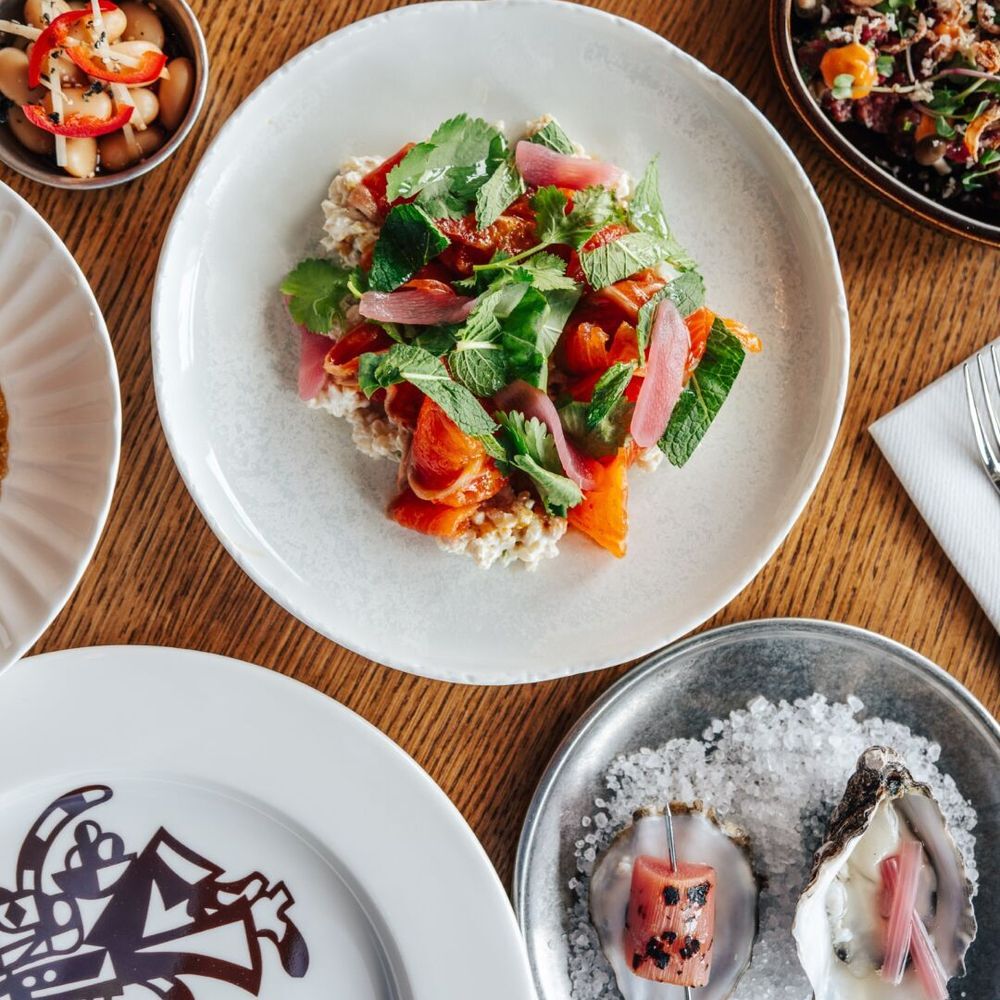
The menu
What to order
- Warsaw Beijing Duck
- Pyzy with kimchi
- Rosół with miso
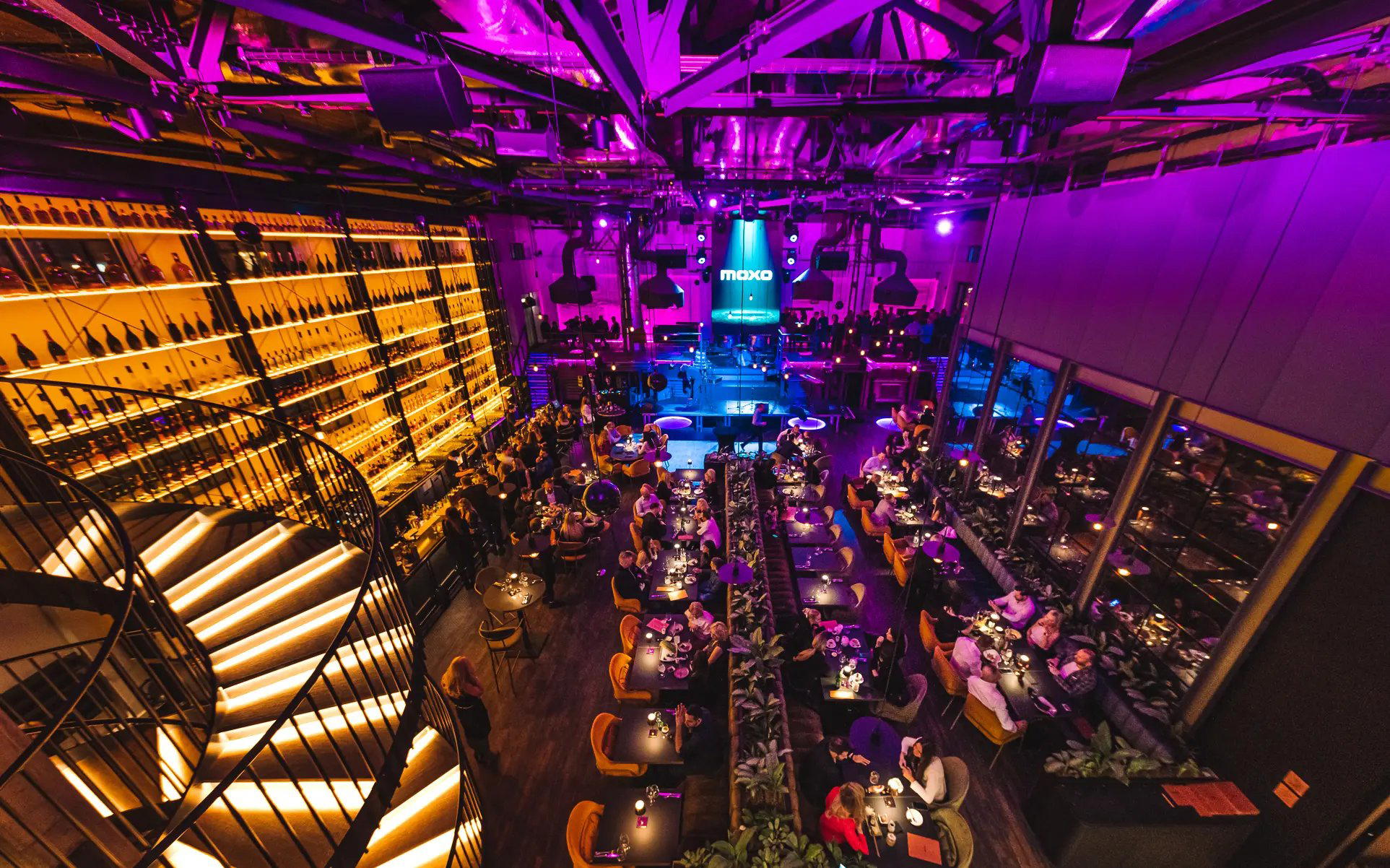
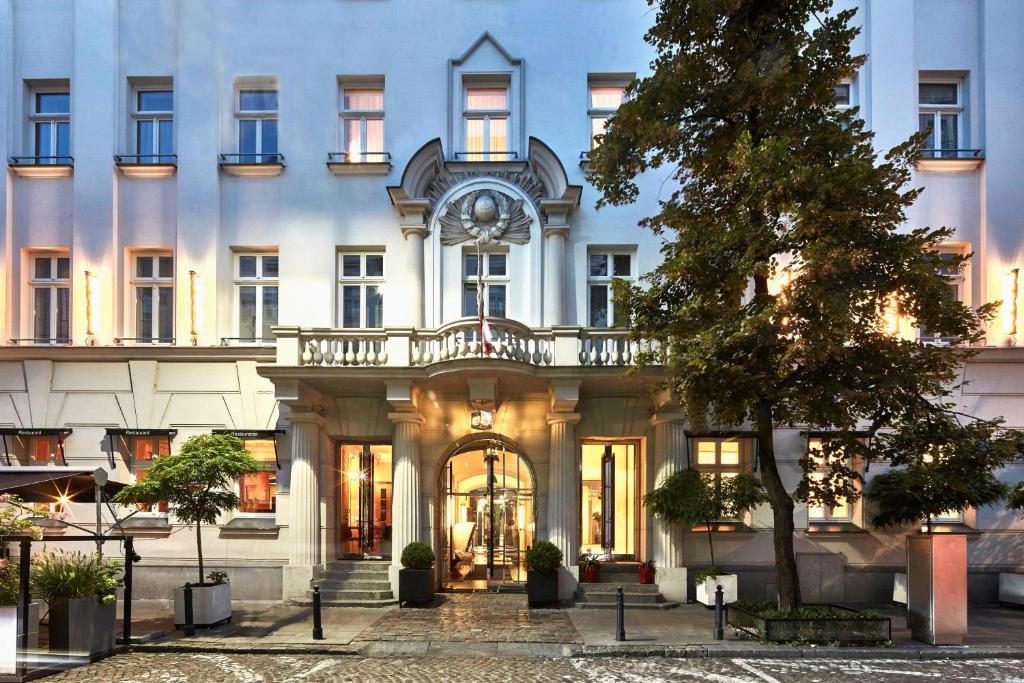
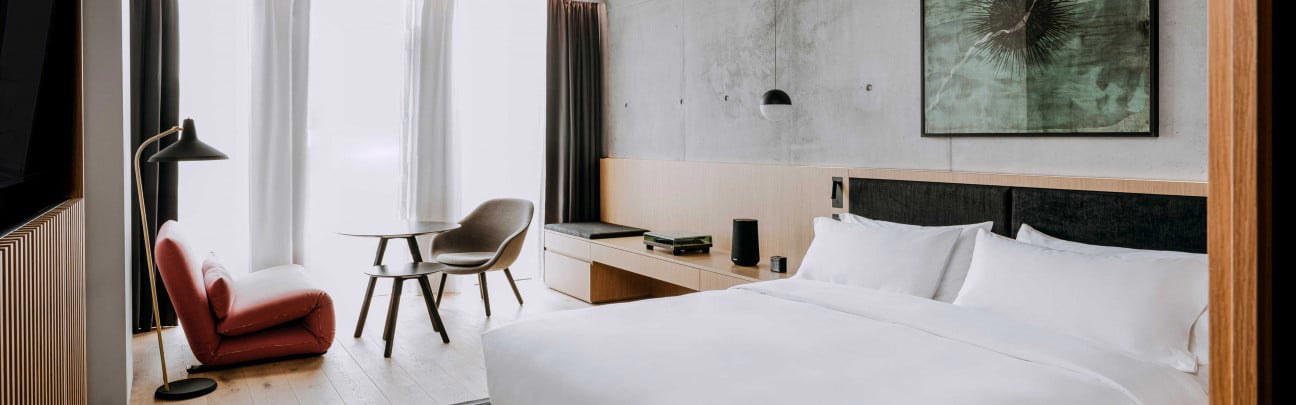
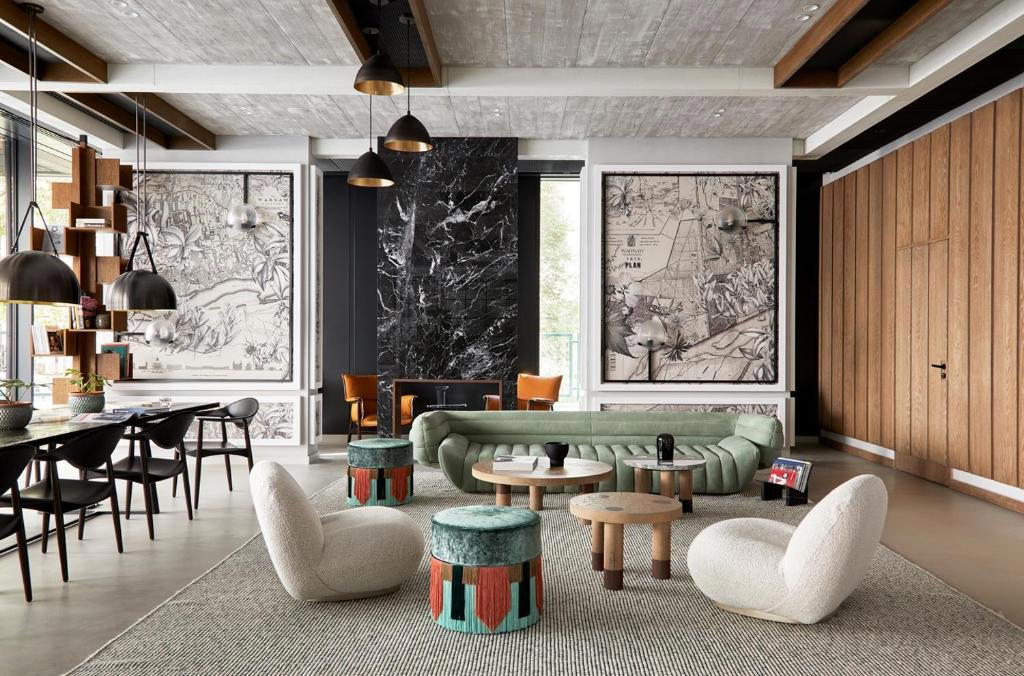
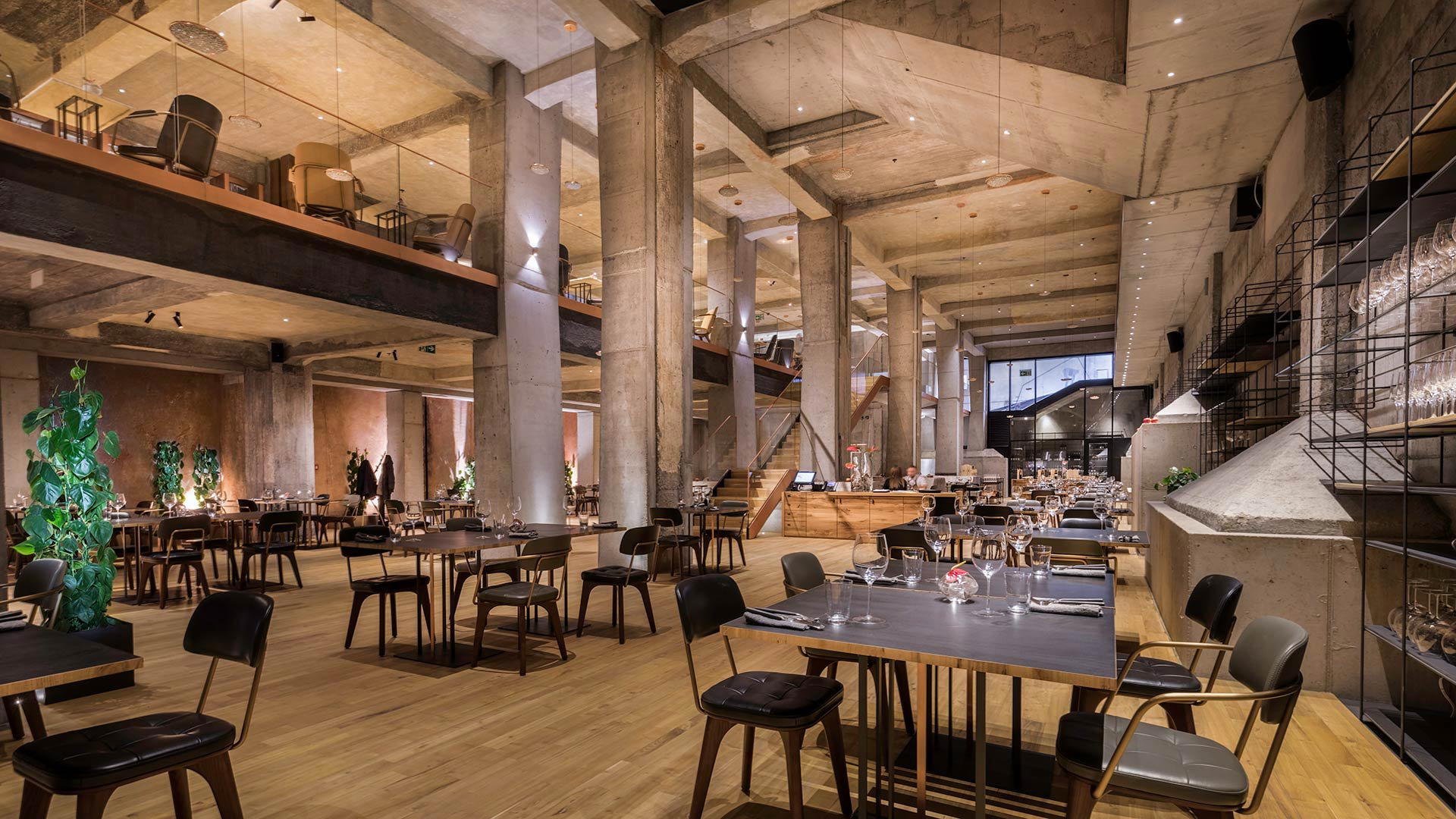
Constitution Square's architecture carries weight, post-war monumentalism designed to signal permanence. Warszawski Tygrys sits inside one of these buildings, and the dining room reflects that scale: high ceilings, two distinct floors, and a ground-level sightline into the working kitchen. The upstairs lounge trades spectacle for comfort, with sofas, banquettes, and swivel chairs that suggest a longer, more relaxed service. The buzz runs through both floors, a product of timing and a menu that has generated attention faster than many Warsaw openings in recent memory.
Polish Ingredients, Asian Technique
The kitchen frames its sourcing around Polish ingredients, domestic honey, duck, and seasonal vegetables, but applies techniques and flavor profiles drawn from across Asia. That approach is visible in the Warsaw Beijing Duck, a dish that echoes the structure of Peking duck but substitutes local poultry and adjusts the preparation to reflect Polish taste preferences. The result is a hybrid that reads as neither fully traditional Chinese nor strictly Polish, instead occupying the middle ground where cross-cultural technique meets local supply chains.
Another example: Polish honey cake, a dessert with deep roots in the country's baking tradition, arrives infused with miso. The fermentation adds umami depth to the sweetness, and the pairing signals the kitchen's broader strategy, take a recognizable Polish format, introduce an Asian ingredient or method, and create a dish that prompts conversation. The cooking doesn't claim authenticity to any single tradition; it instead positions itself as a deliberate conversation between two culinary identities, sourced from Polish farms and suppliers but informed by chefs who have worked in or studied Asian kitchens.
Warsaw's dining scene has seen a wave of ingredient-focused restaurants in the past five years, many of them emphasizing farm-to-table narratives and regional Polish produce. alewino and Bar Rascal both lean into that model, with natural wine programs and menus that shift seasonally. Warszawski Tygrys sits adjacent to that movement but diverges in its willingness to import technique and flavor from outside Poland. The sourcing is local; the conceptual framework is international. That distinction has generated early recognition and a level of booking demand that places the restaurant in a competitive tier with other high-visibility Warsaw addresses.
Two Floors, Two Experiences
The ground floor offers a view of the kitchen's activity, plates assembled, proteins seared, plating decisions made in real time. For diners who prioritize transparency and process, that floor delivers. The upstairs lounge shifts the focus from spectacle to comfort, with seating that accommodates longer stays and group dining. The design choice reflects a broader trend in Warsaw's restaurant architecture: spaces that offer multiple experiences within a single venue, allowing repeat visitors to choose a different vantage point on subsequent visits.
The neighborhood itself, Constitution Square and the surrounding Śródmieście district, has seen significant restaurant investment over the past decade. Baken operates nearby, and the area has become a destination for diners seeking modern Polish cooking with international inflection. Warszawski Tygrys benefits from that concentration, drawing both local traffic and visitors who plan multi-restaurant itineraries around the district. The proximity to other high-profile venues raises the competitive stakes, but it also signals that the restaurant has entered a dining cluster where reservation demand is sustained by both residents and travelers.
Restaurant's rise to prominence has been swift. The awards data notes it as "one of the hottest tickets in town," a phrase that reflects both booking difficulty and critical attention. In a city where new openings often take months to build momentum, Warszawski Tygrys achieved visibility within weeks of launching. That trajectory suggests a combination of strong word-of-mouth, social media engagement, and a menu concept that differentiates itself from the farm-to-table Polish cooking that has defined much of Warsaw's recent restaurant narrative.
For diners planning a visit, the ground floor appeals to those who want to observe the kitchen's rhythm and plate construction. The upstairs lounge is better suited to groups or diners who prefer a quieter environment. Both floors serve the same menu, so the choice is purely atmospheric. The restaurant does not currently list a formal dress code, phone number, or website in its public-facing data, and booking policies remain unspecified. That lack of published logistics suggests either a reliance on word-of-mouth reservations or a deliberate decision to keep booking channels informal during the early phase of operations.
Warsaw's broader restaurant landscape now splits between venues that emphasize Polish tradition, like alewino's approach to regional ingredients and natural wine, and those that pursue global technique with local sourcing. Warszawski Tygrys occupies the latter category, alongside other hybrid-format restaurants that draw from multiple culinary traditions without claiming fidelity to any single one. That positioning has resonated with diners who seek innovation within a recognizably Polish ingredient base, and the restaurant's early momentum suggests the model has found an audience. For travelers exploring Warsaw's restaurant scene, Warszawski Tygrys represents one end of the spectrum, ingredient-driven but technique-agnostic, local but not provincial.
Frequently asked questions
Is Warszawski Tygrys a family-friendly restaurant?
The upstairs dining room features sofas and banquettes that accommodate groups of varying sizes, making it accessible for families. The ground-floor kitchen-view seats and swivel chairs upstairs cater to a range of dining preferences. The Polish-Asian menu includes familiar proteins like duck alongside honey cake, offering approachable options.
What kind of setting is Warszawski Tygrys?
Warszawski Tygrys occupies two floors inside a property on Constitution Square. The ground floor positions diners in view of the working kitchen, while the upstairs space offers sofas, banquettes, and swivel chairs in a more comfortable layout. The restaurant combines Polish ingredients with Asian techniques, drawing crowds across both levels.
Has Warszawski Tygrys won any awards?
Warszawski Tygrys has received recognition including: One of the hottest tickets in town. There’s an invigorating buzz across both striking floors of this restaurant inside an impressive property on Constitution Square. The ground floor allows you to watch the chefs at work, but upstairs is mo….
Where is Warszawski Tygrys in Warsaw?
Warszawski Tygrys is located at plac Konstytucji 5, Warsaw, Mazovia, 00-552, POL, Warsaw.
Side-by-Side Snapshot
Comparable venues by cuisine and price in the same metro.
| Venue | Cuisine | Price | Awards |
|---|---|---|---|
| Warszawski TygrysThis venue (the venue you are viewing) | Modern Warsaw-Asian fusion | $30–50 | Michelin Plate |
| Dyletanci | Modern Polish Bistro | $50–100 | Michelin Plate · Star Wine List |
| The Eatery | Contemporary Czech Cuisine | $50–100 | Michelin Bib Gourmand · Star Wine List |
| Krem | French Bistro Classics | $20–30 | Not listed |
| Veganda | Vegan Fusion | $10–20 | Not listed |
| Nolita | Modern Fusion Fine Dining | $50–100 | Michelin Plate · Star Wine List |
Recognition history
Dated appearances from independent guides and award organizations, with the underlying list record or original source where available.
Michelin Plate
Michelin
Continue exploring
More in Warsaw
Restaurants in Warsaw
All restaurants in Warsaw →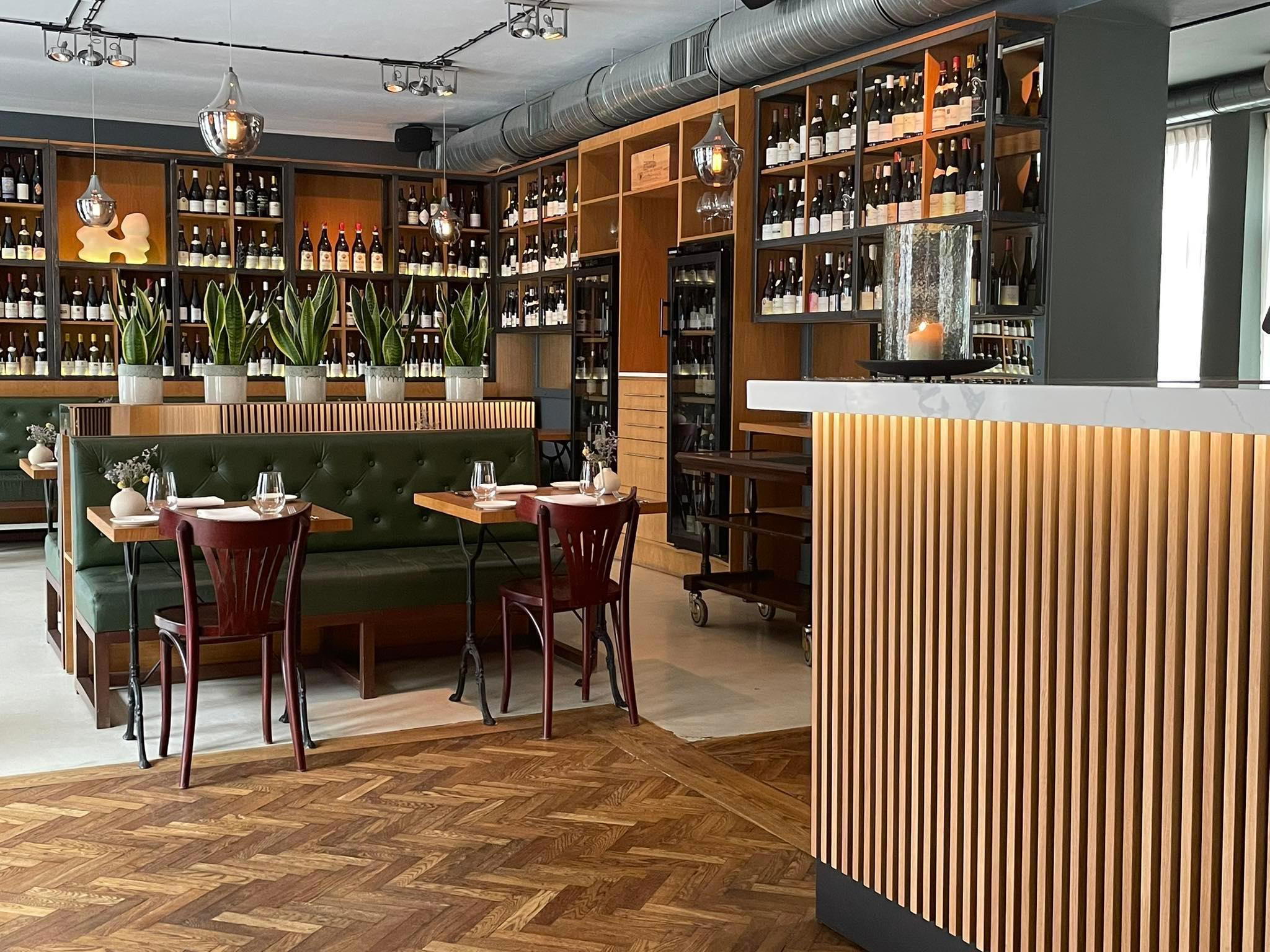
Bars in Warsaw
All bars in Warsaw →
Details
- Lively
- Trendy
- Modern
- Well Known
- Energetic
- Whimsical
- Date Night
- Group Dining
- Casual Hangout
- After Work
- Celebration
- Design Destination
- Standalone
- Craft Cocktails
- Street Scene
- A La Carte
- Small Plates
- Cocktails
- Wine
- Spirits
Design-led, eclectic interiors that revive the spirit of old Warsaw with vintage-influenced details, warm materials, and a busy, contemporary city energy where modernist Warsaw meets an imagined Far East.