The Church House Inn

Michelin Plate
Our verdict
The Church House Inn occupies a Grade II-listed building in Harberton, Devon, serving food and drink in a South Hams village setting. The property operates as a community-owned pub following a local buyout, with a focus on regional suppliers and a menu shaped by what the surrounding countryside and coast can provide.

Pearl is the En Primeur Club membership app, where members save venues, book tables and use the concierge.
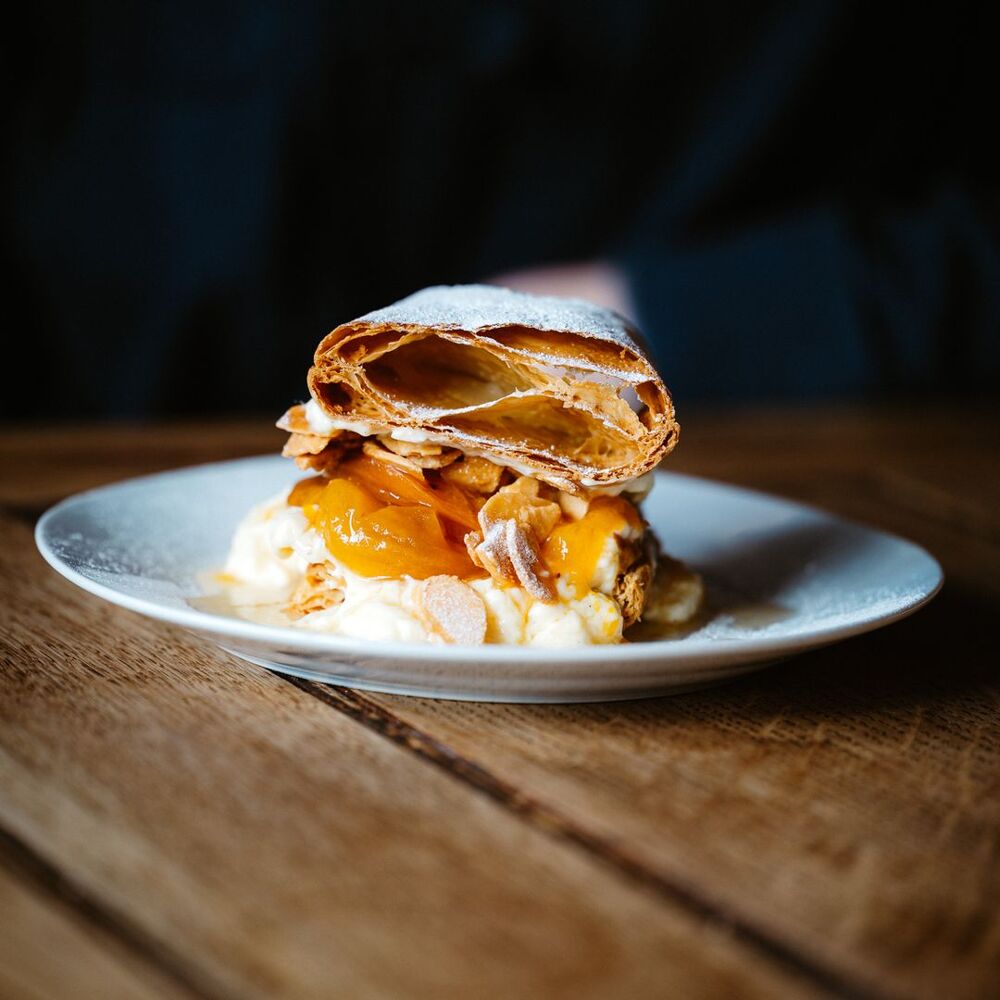
The menu
What to order
- Salt cod fritters
- Pork chop with braised savoy
- Roast porchetta
- Pig's head
- Confit duck with treviso
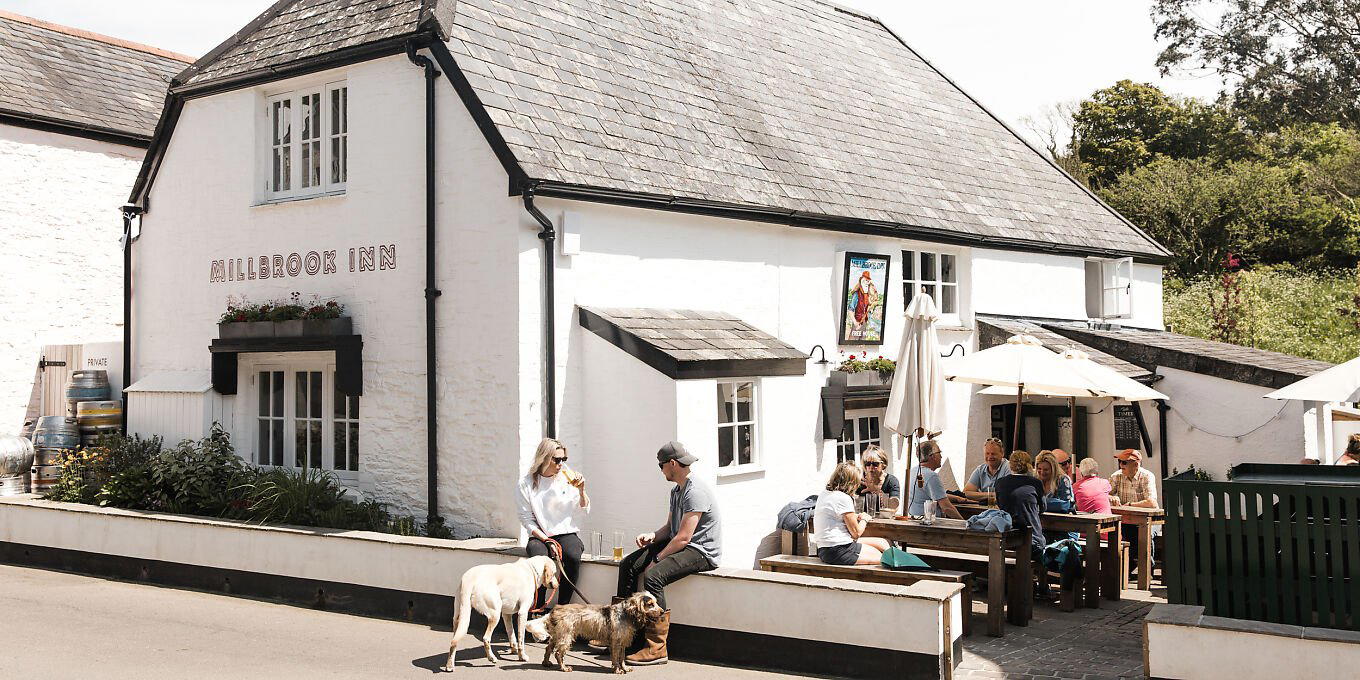
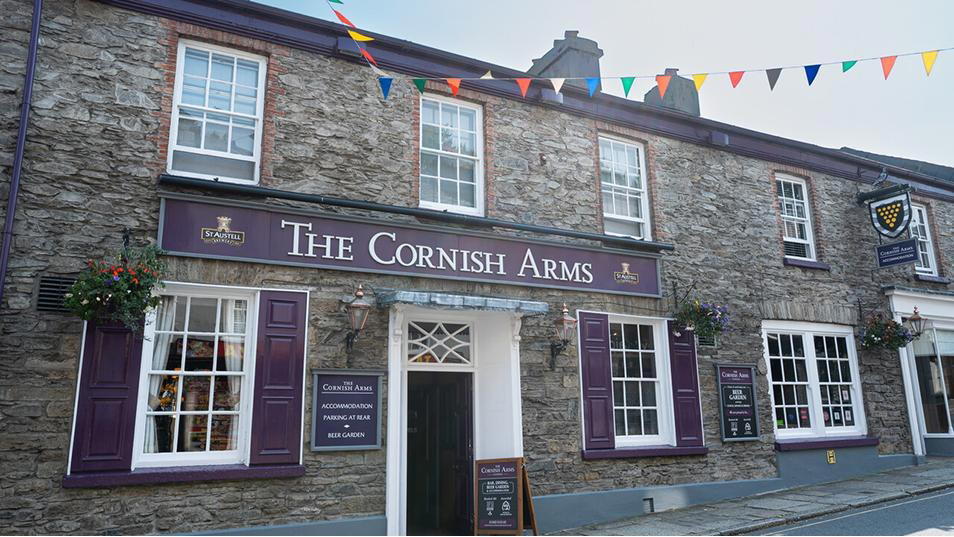
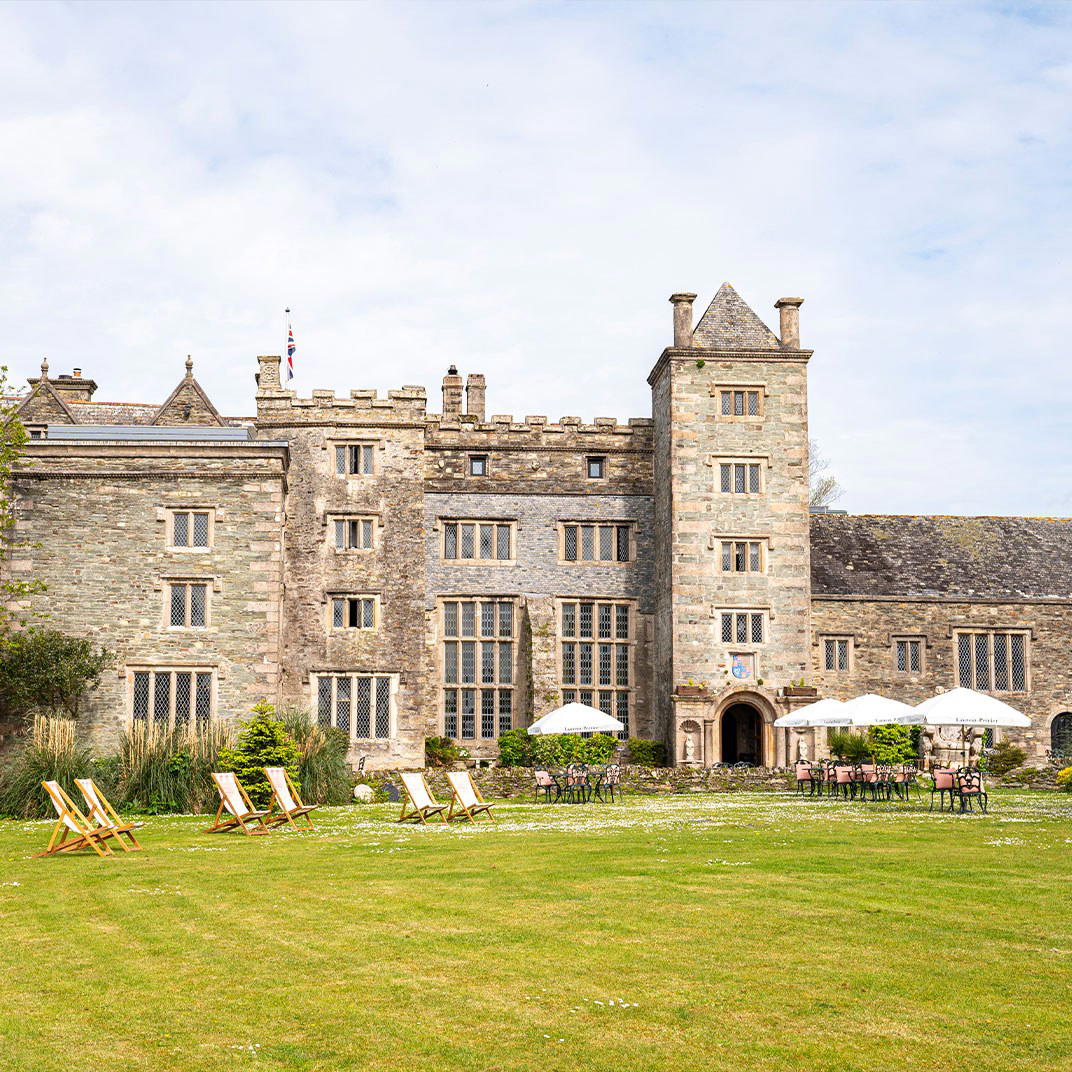
The Church House Inn sits on a narrow lane in Harberton, a South Hams village seven miles west of Totnes. The building dates to the 13th century and carries Grade II-listed status, with stone walls, low ceilings, and the kind of irregular floor levels that come with centuries of use. The approach requires careful navigation – the lane narrows sharply as you near the village centre, and parking relies on a small adjacent lot or roadside spaces that fill quickly on weekends. The setting is rural Devon in its most compact form: a cluster of stone houses, a parish church, and fields that slope down toward the Harbourne Valley.
What distinguishes this pub from the broader South Devon dining scene is its ownership model. The Church House Inn operates as a community-owned asset, bought by local shareholders after a previous closure threatened to leave the village without a gathering point. That structure influences sourcing decisions and menu priorities in ways that align with the broader South West England turn toward hyper-local ingredient networks. The kitchen draws from suppliers within a tight radius – vegetables from Riverford Organic Farmers (based in nearby Buckfastleigh), meat from farms in the Dart Valley, and fish landed at Brixham or Plymouth. This isn't a marketing position; it's a logistical reality shaped by the ownership model and the region's agricultural density.
The Menu and What Drives It
The food at The Church House Inn follows a Modern British template common to rural pubs with chef-led kitchens: short, seasonally rotated menus that respond to what's available rather than what's trendy. Expect roast cuts, braises, and vegetable-forward starters that change weekly. The kitchen doesn't publish signature dishes, and the format avoids tasting-menu structures or fixed-price dégustation – instead, it offers à la carte flexibility with portion sizes calibrated for pub dining rather than fine-dining pacing. Ingredients drive the menu more than technique: when asparagus is in season locally, it appears in multiple forms; when mackerel runs are strong at Brixham, the fish course shifts accordingly.
The ingredient-sourcing angle here is less about chef biography or culinary philosophy and more about proximity and infrastructure. South Devon has a dense network of organic farms, dairy producers, and small-scale fisheries, and the Church House Inn sits at the centre of that supply web. Riverford alone supplies dozens of pubs and restaurants across the region, and the Church House Inn benefits from the same delivery routes that serve higher-profile kitchens in Totnes and Dartmouth. The result is a menu that reads like a snapshot of the South Hams agricultural calendar, with minimal reliance on wholesale distributors or imported proteins.
For context, this model mirrors what's happening at nearby operations like Circa in Totnes and The Riverford Field Kitchen, both of which build menus around the same regional supply base. The Church House Inn operates at a lower price point and with less formal service, but the sourcing logic is identical. The difference is scale and ambition: where Circa pushes technical execution and plating, the Church House Inn prioritizes accessibility and volume, serving a mix of village regulars and visitors exploring the South Devon AONB.
The Room and Service Format
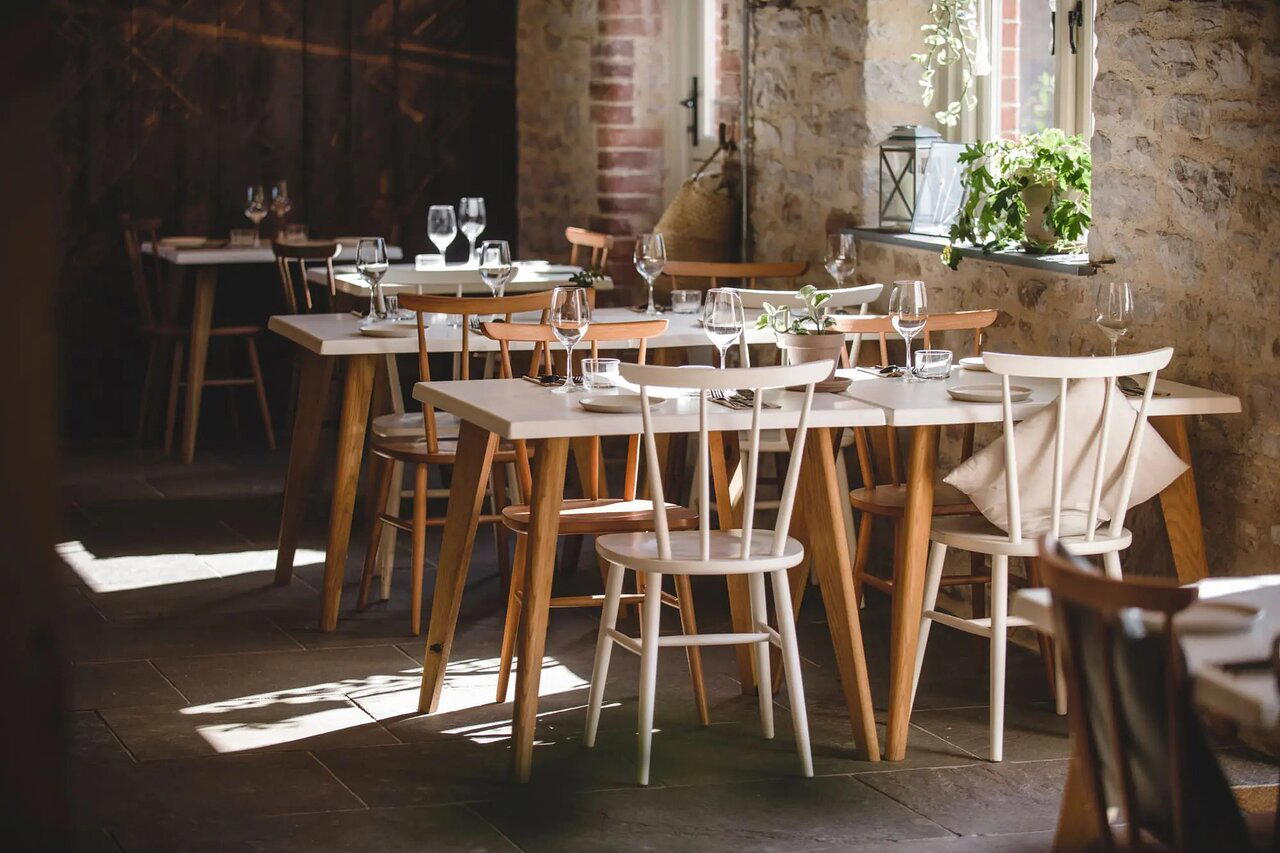
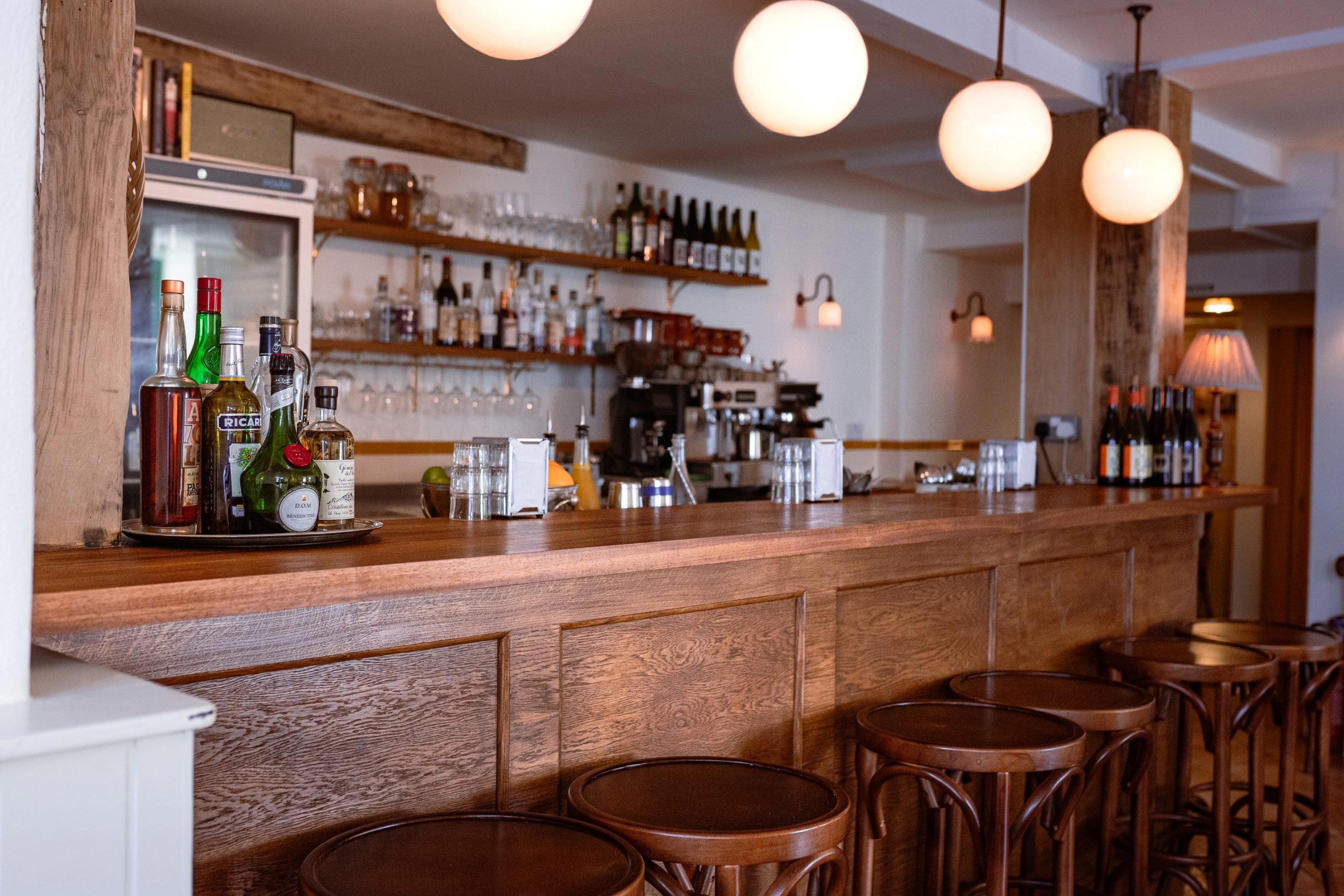
Inside, the pub retains its historic layout: a main bar area with flagstone floors, a smaller dining room with exposed beams, and a rear garden that opens in warmer months. The furniture is mismatched but functional, and the lighting leans toward dim – this is a building designed for candles and fires, not overhead halogens. Service is informal and conversational, staffed largely by local hires rather than career hospitality professionals. The pace is slower than you'd find in a city gastropub, and the atmosphere skews toward neighbourhood use rather than destination dining.
The Church House Inn doesn't take reservations for all tables, and walk-ins are common, particularly at lunch. The lack of a formal booking system means peak-time waits are possible, especially during school holidays when the South Hams sees an influx of second-home owners and coastal tourists. The pub also functions as a social hub for the village, so expect overlap between diners and drinkers, particularly on Friday and Saturday evenings.
For those exploring the broader Harberton dining and drinking scene, the Church House Inn is one of a limited set of options. The village itself is small, and most visitors use it as a base for exploring nearby Totnes (seven miles), Dartmouth (ten miles), or the South West Coast Path. Our full Harberton restaurants guide covers the immediate area, while Harberton bars and Harberton hotels provide context for overnight stays and drinking options. The Church House Inn also sits within reach of Riverford's own Field Kitchen and other South Hams operations that share its sourcing ethos.
The Church House Inn operates within a specific niche: a community-owned pub in a rural village, serving food shaped by the South Devon agricultural landscape. It doesn't compete with Michelin-starred kitchens or chef-driven tasting-menu formats, and it doesn't aim to. What it offers is a dining option grounded in local supply chains, owned by the people who use it, and consistent with the broader South West England turn toward ingredient-led, place-specific menus. For those spending time in the South Hams, it's a useful stop – particularly if you're already exploring Totnes, Dartmouth, or the coastal footpaths that thread through this part of Devon.
Frequently asked questions
Is The Church House Inn child-friendly?
The Church House Inn operates in a traditional pub format with a main bar, dining room, and rear garden. Contact the pub directly for current family policies.
What is the atmosphere like at The Church House Inn?
The pub retains its historic character with flagstone floors in the main bar, exposed beams in the smaller dining room, and a rear garden. The layout follows a typical village-pub pattern: a bar area for locals and a separate dining space for table service, common to chef-led rural inns across Devon.
Has The Church House Inn won any awards?
The Church House Inn has received recognition including: Hold your nerve when navigating the....
Where is The Church House Inn located?
The Church House Inn is located at Harberton, Devon, TQ9 7SF, GBR, Harberton.
At-a-Glance Comparison
Comparable venues by cuisine and price in the same metro.
| Venue | Cuisine | Price | Awards |
|---|---|---|---|
| The Church House InnThis venue (the venue you are viewing) | British Gastropub | Not listed | Michelin Plate |
| Circa Totnes | Modern British | Not listed | Not listed |
| Canteen | Flavour-driven Italian | $50–100 | Michelin Bib Gourmand · National Restaurant Awards Top 100 #27 |
Recognition history
Dated appearances from independent guides and award organizations, with the underlying list record or original source where available.
Michelin Plate
Michelin · 2026 Michelin Plate
Continue exploring
More in Harberton
Restaurants in Harberton
All restaurants in Harberton →
Details
- Cozy
- Rustic
- Classic
- Intimate
- Casual Hangout
- Family
- Group Dining
- Date Night
- Historic Building
- Standalone
- Beer Program
- Local Sourcing
- A La Carte
- Wine
- Local Ales
- Vegetarian Friendly
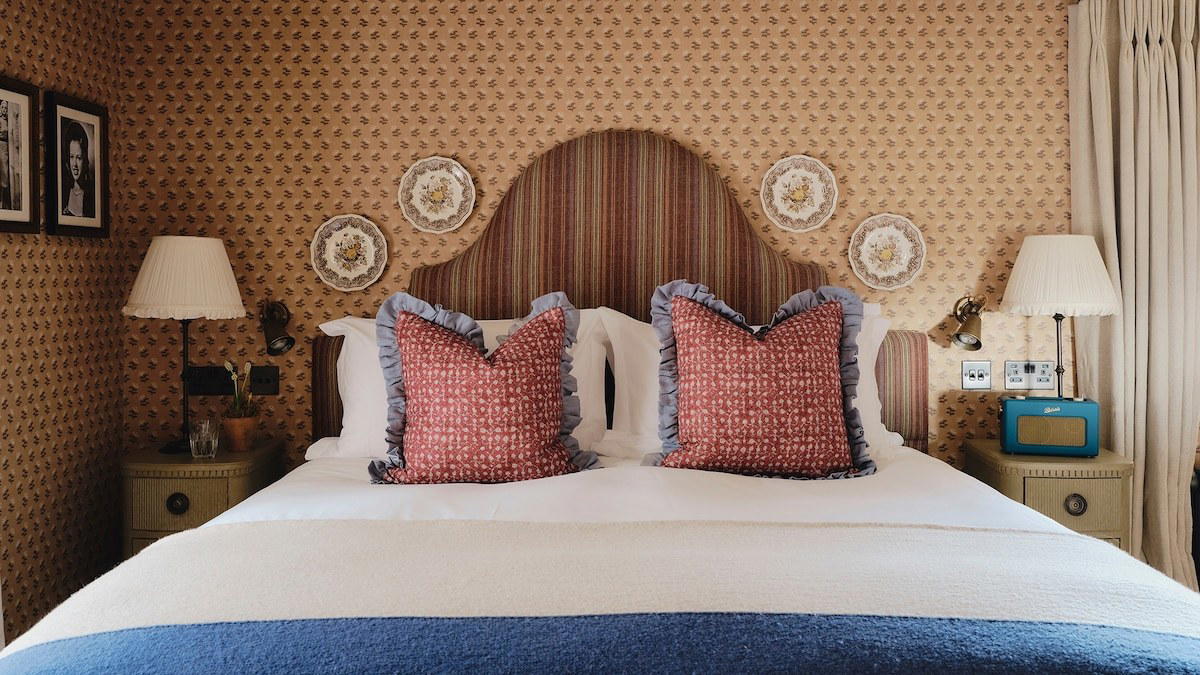
Warm, relaxed, and welcoming, with a cozy country-pub feel and an old building atmosphere that feels intimate rather than formal.