The Annex Kitchen
The Annex Kitchen sits on West Shaw Avenue in Fresno's northwest corridor, operating in a California Central Valley dining scene increasingly shaped by proximity to some of the country's most productive agricultural land. The restaurant draws on that regional ingredient supply in a city where farm-to-table is less a marketing posture than a practical reality of geography. For visitors building a Fresno itinerary, it anchors the Shaw Avenue dining strip alongside a handful of other independently run rooms worth knowing.
Pearl is the En Primeur Club membership app — saves, bookings, and concierge access live there. Same editors, same standards.
- Address
- 2257 W Shaw Ave, Fresno, CA 93711
- Phone
- +15592488512
- Website
- annexkitchenfresno.com
- Directions
- Get directions
 Saves & bookings on Pearl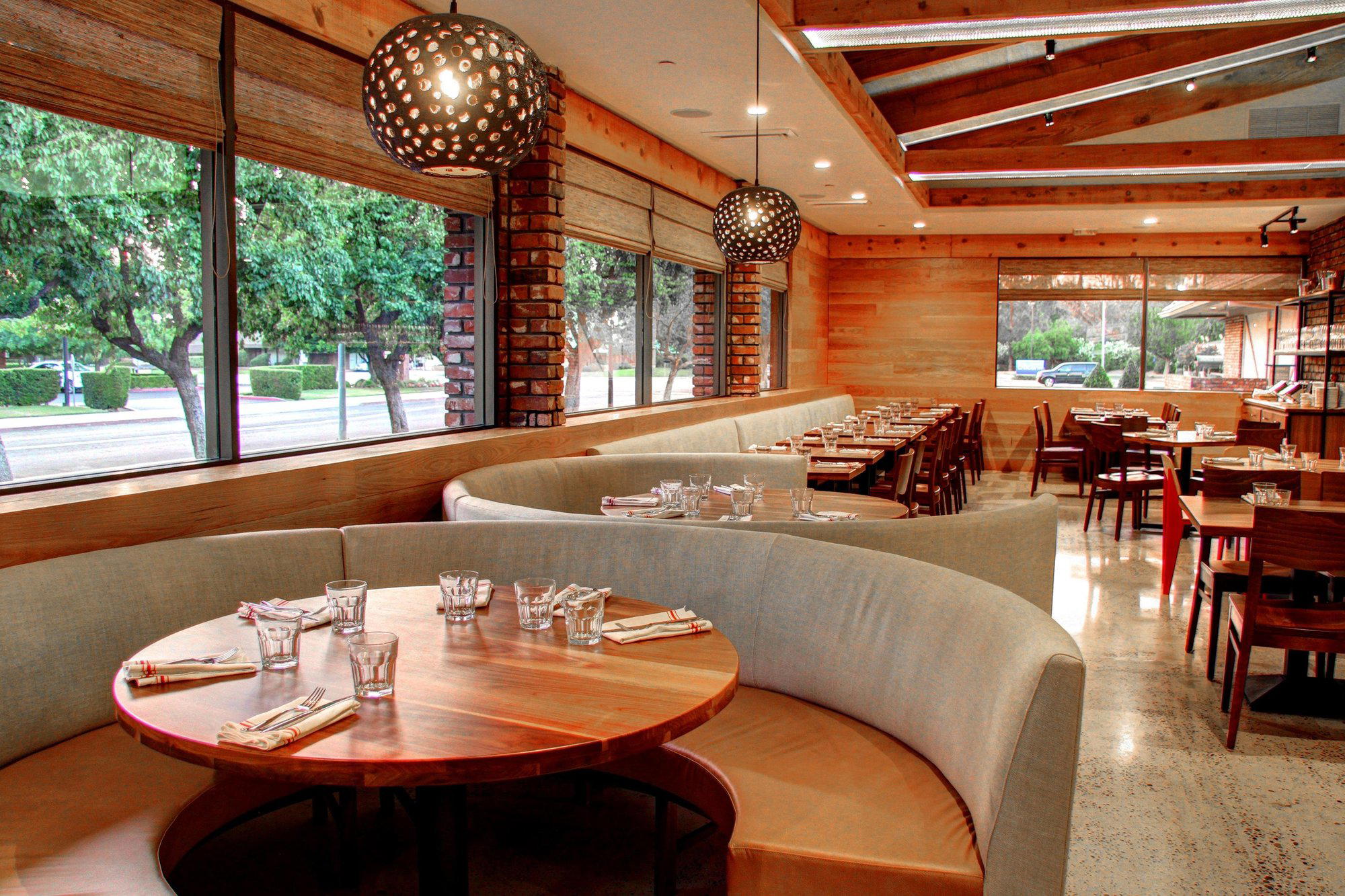
Where the Central Valley's Agriculture Meets the Plate
California's Central Valley produces roughly a quarter of the nation's food supply, and Fresno sits at its geographic center. That fact shapes dining here in ways that don't apply to coastal cities: the gap between farm and kitchen is measured in miles rather than supply chain logistics. Restaurants that understand this proximity tend to cook differently from those that don't. The Annex Kitchen, located at 2257 W Shaw Ave in Fresno, operates in that context, on a stretch of road that has gradually developed into one of the city's more consistent dining strips.
Shaw Avenue runs east to west through residential Fresno, and its western end clusters a mix of independent restaurants and neighborhood anchors. The Annex Kitchen occupies its own space within that mix, drawing a regular local crowd rather than destination diners arriving from outside the region. That local orientation is not a limitation. In cities shaped by agricultural abundance, particularly grounded restaurants often cook more honestly than venues performing for a transient audience.
Ingredient Sourcing in a Farming Region: What It Actually Means
The ingredient sourcing argument carries more weight in Fresno than in most American cities. Within a short radius of the city, growers produce stone fruit, figs, grapes, almonds, tomatoes, citrus, and a wide range of specialty crops that supply the country's supermarkets and restaurant kitchens. When a Fresno restaurant has access to those same growers at the source, the calculus of seasonal cooking changes substantially. There is no logistical penalty for using highly perishable produce at peak ripeness. Stone fruit doesn't need to travel, which means it can be harvested at full maturity rather than at a point that survives transit.
This regional reality distinguishes Central Valley dining from what farm-to-table means in, say, a metropolitan market where sourcing requires active effort and premium relationships. In Fresno, the infrastructure for local ingredient access already exists. The relevant question is which kitchens take advantage of it and which don't. Restaurants willing to build menus around seasonal availability rather than fixed offerings tend to show coherent cooking in this environment.
Compare this to how sourcing functions at venues operating at the opposite end of the price tier: Single Thread Farm in Healdsburg and Blue Hill at Stone Barns in Tarrytown have built their entire formats around controlling the supply chain from field to plate. At those price points, sourcing is the explicit editorial statement. In a neighborhood restaurant context like Fresno's Shaw Avenue, the opportunity is similar even if the format is different: proximity to agricultural abundance, used with intent, produces cooking that more expensive kitchens would pay to replicate.
Fresno's Dining Scene: The Honest Picture
Fresno does not carry the restaurant reputation of San Francisco or Los Angeles, and it doesn't position itself that way. What the city has is a concentrated agricultural economy, a diverse population that has imported cooking traditions from across Southeast Asia, Central America, and the Mediterranean, and a cost structure that allows independent operators to run rooms that would be financially untenable in coastal markets. The result is a dining scene with genuine range at the neighborhood level.
For context on how ingredient-driven California cooking functions at its most resourced end, The French Laundry in Napa and Providence in Los Angeles represent the upper bracket. Closer to Fresno's independent format are places like Lazy Bear in San Francisco, which operates as a fixed-format dinner party, or Bacchanalia in Atlanta, which has sustained a farm-to-table orientation across multiple decades. None of those comparisons are direct, but they illustrate how American restaurants at various price points have approached the same underlying question of sourcing discipline.
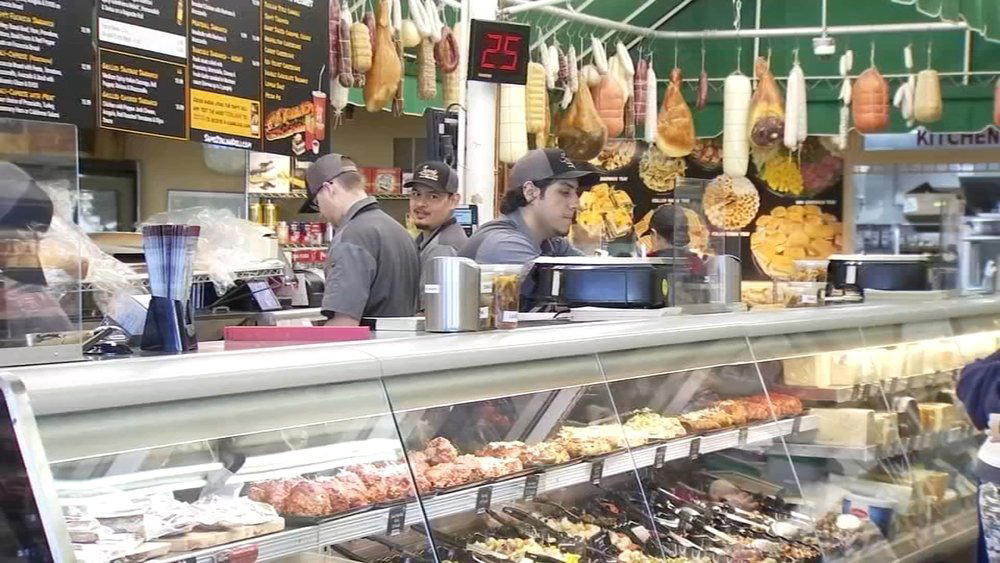
Within Fresno itself, Sam's Italian Deli and Market represents another independent anchor worth knowing, operating in a different format but sharing the city's character of neighborhood permanence over destination positioning.
Planning Your Visit
The Annex Kitchen is located at 2257 W Shaw Ave, Fresno, CA 93711, in the western section of the Shaw Avenue corridor. Shaw Avenue is accessible by car from central Fresno in under fifteen minutes, and parking along this stretch is generally available without difficulty. For visitors building a broader California itinerary that includes agricultural wine regions, Fresno functions as a practical base, positioned between Napa to the north and Los Angeles to the south. Restaurants in this part of the city draw primarily local regulars rather than out-of-town visitors, which tends to mean shorter waits and more relaxed service rhythms than destination dining rooms. The restaurant is recommended for reservations and follows these hours: Tue to Thu 5 to 9:30 PM, Fri to Sat 5 to 10 PM, and closed Sun and Mon.
Travelers interested in comparing independent California dining to nationally recognized programs should note that places like Addison in San Diego or Frasca Food and Wine in Boulder operate with formal booking windows and tasting menus structured months in advance. A neighborhood room on Shaw Avenue functions on a different tempo entirely, and that difference is itself informative about how regional American dining actually works outside major metro markets. For a broader view of how other American cities handle independent fine dining at the neighborhood level, Causa in Washington, D.C., Brutø in Denver, and Emeril's in New Orleans offer useful reference points at different price tiers and formats.
Side-by-Side Snapshot
Comparable venues nearby, for context on price, style, and recognition.
| Venue | Cuisine | Price | Notes |
|---|---|---|---|
| The Annex KitchenThis venue — the venue you are viewing | Rustic Italian Farm-to-Table | $$ | Not listed |
| Sam's Italian Deli & Market | Dining | $$ | Downtown Fresno |
Continue exploring
More in Fresno
Restaurants in Fresno
Browse all →
At a Glance
- Rustic
- Cozy
- Modern
- Date Night
- Special Occasion
- Group Dining
- Open Kitchen
- Private Dining
- Farm To Table
- Local Sourcing
Current opening hours
- Monday
- Closed
- Tuesday
- 5–9:30 PM
- Wednesday
- 5–9:30 PM
- Thursday
- 5–9:30 PM
- Friday
- 5–10 PM
- Saturday
- 5–10 PM
- Sunday
- Closed
Hours can change for holidays and private events. Last verified .
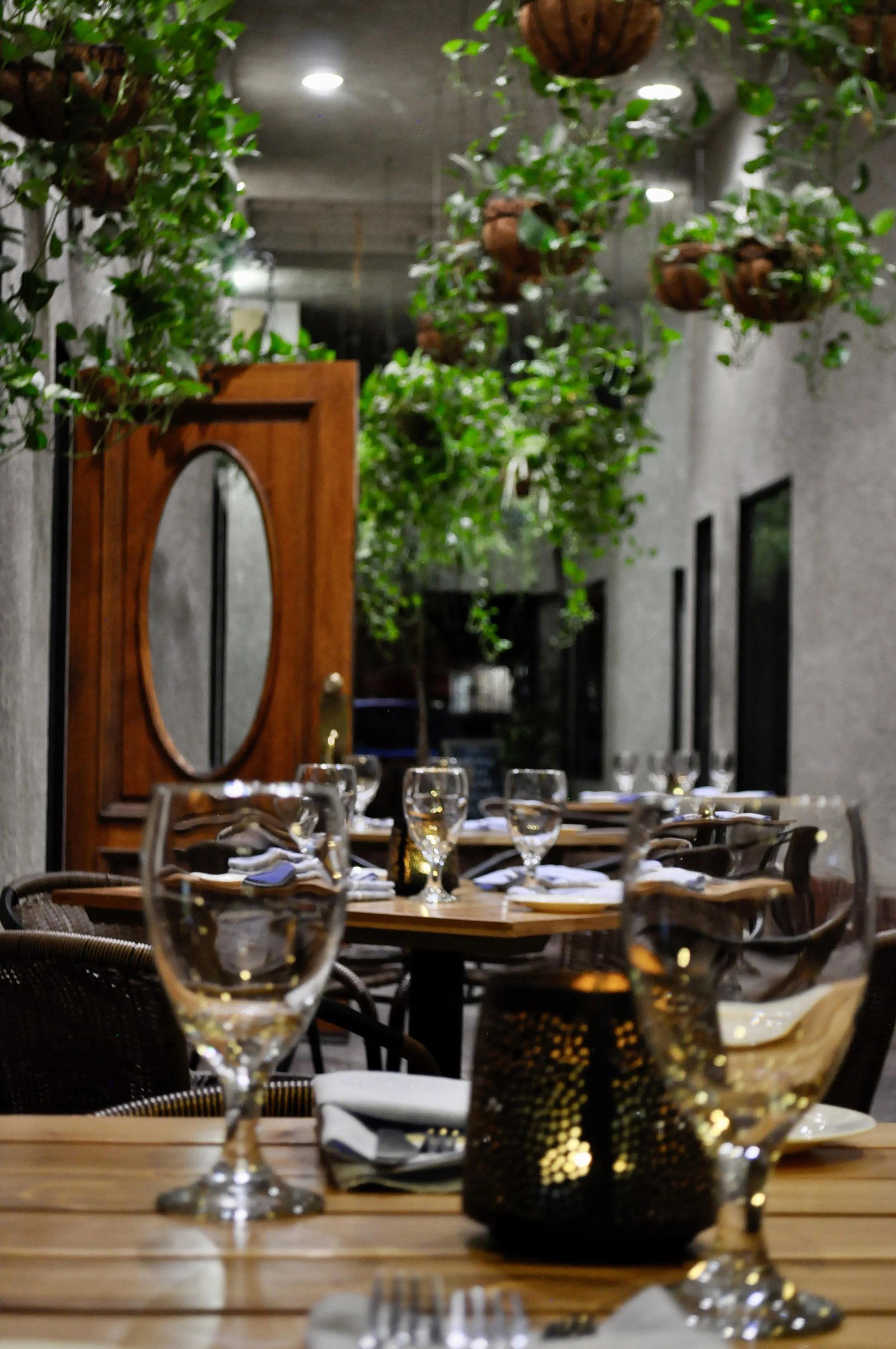
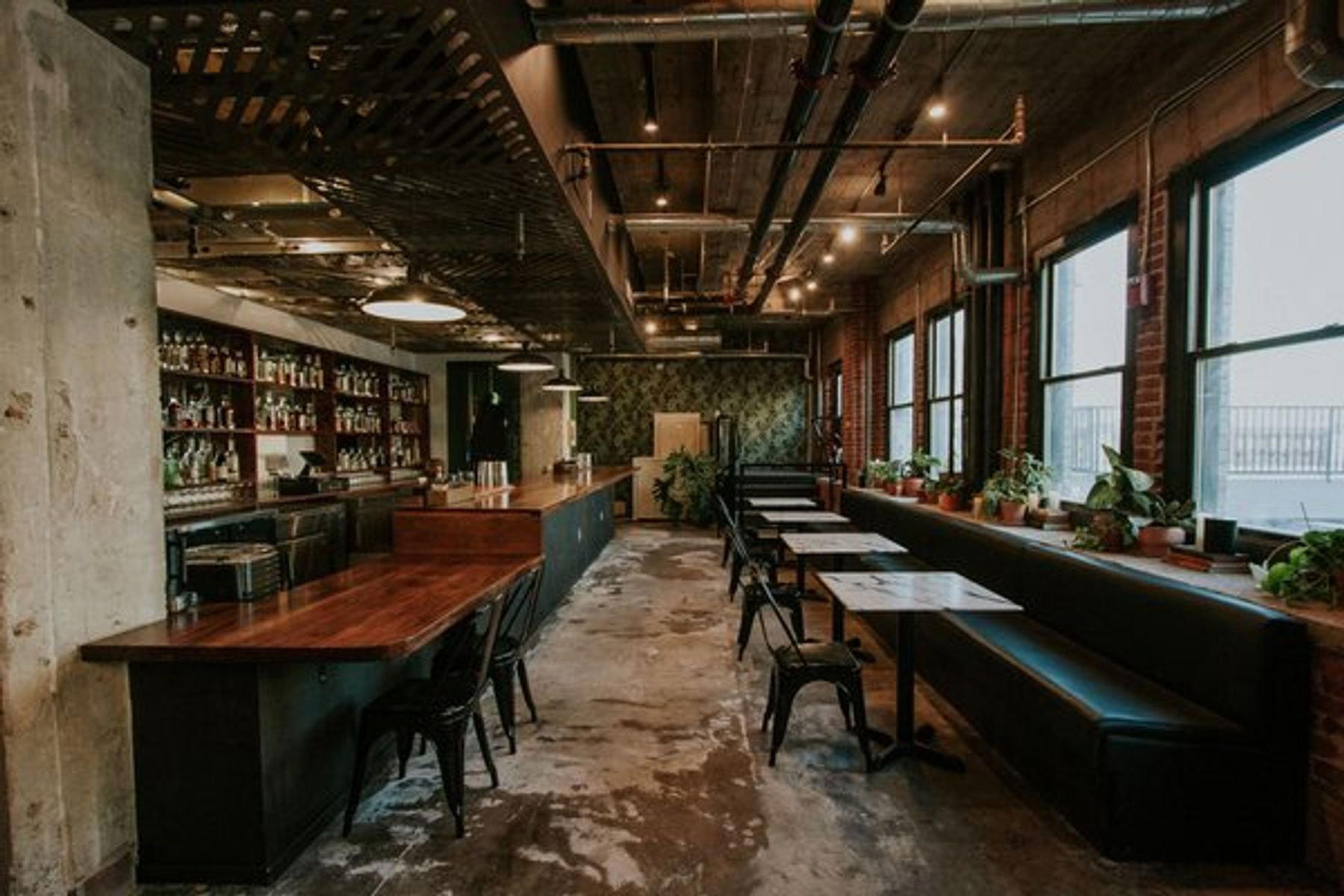
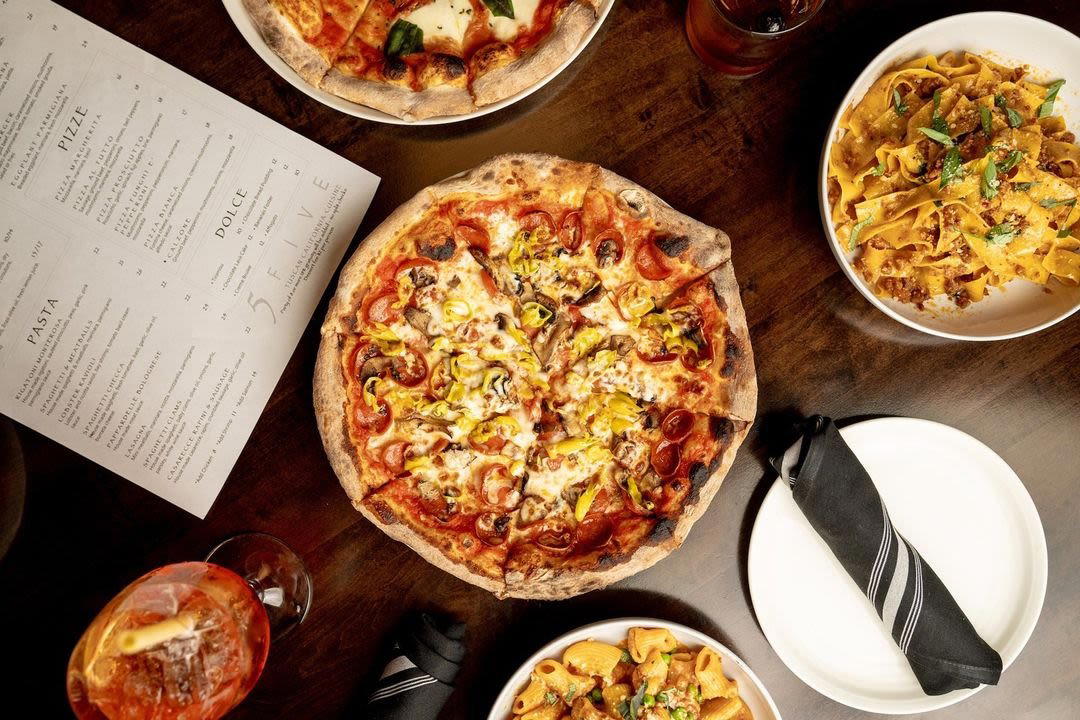
Intimate and cozy atmosphere with warm lighting from wood-fired cooking, evoking regional Italian rustic charm.