Max's Bistro & Bar
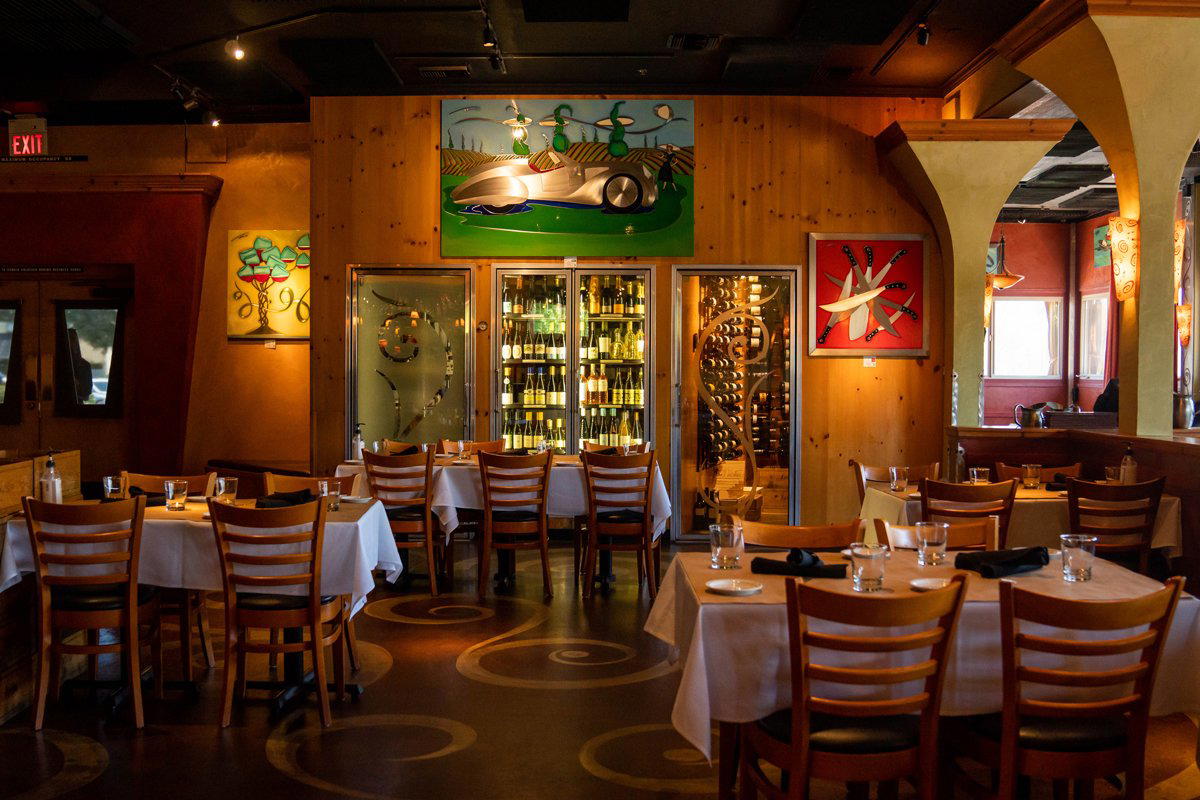
Max's Bistro & Bar on West Bullard Avenue sits in northwest Fresno, a part of the city where the bar and dining scene skews toward neighborhood reliability over culinary ambition. The bistro-bar format positions it between casual dining and a proper cocktail program, a combination that reflects how mid-sized California cities are building out their drinking culture beyond wine country shortcuts.

Pearl is the En Primeur Club membership app, where members save venues, book tables and use the concierge.
West Bullard and the Northwest Fresno Drinking Scene
Fresno's bar culture has long operated in the shadow of the Central Valley's wine identity, where the default evening drink tends toward a Paso Robles pour or a San Joaquin rosé rather than anything built behind a proper cocktail station. That dynamic has been shifting in the city's northwest corridor, particularly along the commercial stretches of Bullard Avenue, where a cluster of bistro-bar formats has emerged to serve a residential population that increasingly expects more from a neighborhood drink than a well vodka and a house red. Max's Bistro & Bar, at 1784 W Bullard Ave, sits inside that shift. For more on how the Fresno County dining and drinking scene is developing across different neighborhoods, see our full Fresno County restaurants guide.
The Bistro-Bar Format and What It Demands
The bistro-bar is a format with real structural tension built into it. A kitchen and a bar program compete for capital, staff attention, and identity, and most venues of this type resolve that tension by subordinating one to the other. The stronger operators in this category, whether you look at ABV in San Francisco or Kumiko in Chicago, treat the bar program as a serious discipline, with sourcing decisions and technique choices that parallel what the kitchen is doing on the plate. That kind of integration is harder to achieve in a market like Fresno than in a city with a deep talent bench, but the Bullard corridor provides a customer base with disposable income and metropolitan dining exposure through proximity to the Bay Area and Los Angeles, which creates demand pressure that can push operators toward genuine bar craft.
The cocktail programs that tend to define bistro-bars in mid-sized American cities draw from a toolkit that has become increasingly standardized since the craft cocktail movement consolidated in the early 2010s: house-made syrups, fat-washed spirits, clarified citrus, and spirit-forward builds that prioritize balance over sweetness. The venues that distinguish themselves in this tier do so through menu curation, seasonal discipline, and the ability to execute classics cleanly before reaching for technique. Programs like Jewel of the South in New Orleans and Julep in Houston have built reputations specifically on the ability to root contemporary technique in regional tradition, which gives the menu a coherence that purely trend-chasing programs lack.
Reading the Room on Bullard Avenue
Physical character of the W Bullard Ave corridor matters to how a bar program functions. This is a low-density commercial strip set against a residential backdrop, which means the evening crowd arrives by car rather than on foot, and the pre-dinner or post-dinner drink is more likely to be a deliberate destination visit than a spontaneous sidewalk stop. That dynamic tends to reward operators who build a recognizable drink identity, because customers who have made a specific trip to a bar arrive with a particular expectation. Programs that lean into a house style, whether that is spirit-forward classics, produce-driven seasonality, or a culinary cocktail sensibility that mirrors the kitchen, tend to retain repeat customers more effectively in this kind of auto-dependent neighborhood than in a dense urban bar district.
Contrast with how cocktail culture operates in a city like Bar Leather Apron in Honolulu or Superbueno in New York City is instructive. In high-density environments, bars can specialize narrowly and rely on foot traffic to fill seats. In a market like Fresno's northwest side, the bar program needs to function as a full evening anchor rather than a single stop on a longer itinerary, which means the drinks list has to cover enough ground to hold a table across multiple rounds without sacrificing a defined point of view.
Cocktail Program Context: What the Tier Implies
Without specific menu data available at time of publication, what can be said with confidence is that the bistro-bar category in California's interior cities has been moving toward greater spirit diversity and technique awareness over the past several years. The state's agave market in particular has expanded well beyond the margarita, with mezcal and sotol appearing on programs that would have been tequila-only a decade ago. American whiskey has similarly diversified, with single barrel selections and rye-forward builds appearing on menus in markets that previously stocked only a handful of bourbon labels. Programs like Bitter & Twisted in Phoenix demonstrate how a desert Southwest bar can build genuine depth of selection without a coastal address, and Canon in Seattle has long made the case that serious whiskey programming belongs outside the expected metropolitan centers.
The bistro side of the equation matters to the bar program in a direct way: kitchen hours set bar hours, food pairing shapes what gets poured, and the kitchen's price positioning establishes a ceiling for what a drinks program can credibly charge. For that reason, venues in this format that want to operate a serious cocktail program benefit from a kitchen that signals some level of culinary ambition, rather than a purely functional menu designed to absorb alcohol. The alignment between plate and glass is increasingly what separates the operators in this category who build a lasting local reputation from those who remain interchangeable with the next bistro down the block. Bars such as Allegory in Washington, D.C. and Bar Kaiju in Miami illustrate that coherent identity, in concept and execution, is the variable that sustains a program in a competitive environment. The same principle applies in smaller markets, perhaps more acutely, because there are fewer other venues to absorb customer attention. For a point of comparison further afield, The Parlour in Frankfurt on the Main shows how a bar program in a non-primary market can build genuine recognition through discipline and consistency rather than geographic advantage.
Planning Your Visit
Max's Bistro & Bar is located at 1784 W Bullard Ave in northwest Fresno, accessible primarily by car given the corridor's suburban layout. The Bullard area's restaurant density makes it practical to plan a broader evening around the neighborhood rather than treating any single stop as a standalone destination.
Quick Comparison
| Venue | Cuisine | Price | Awards |
|---|---|---|---|
| Max's Bistro & BarThis venue (the venue you are viewing) | Not listed | $50–100 | Not listed |
| Julep | Not listed | Not listed | World's 50 Best |
| Kumiko | Not listed | Not listed | World's 50 Best |
| ABV | Cocktail Bar | $20–30 | World's 50 Best #39 · Eater Cocktail Bar Guide |
| Bisous | Not listed | $20–30 | World's 50 Best #30 · James Beard Award Semi Finalist |
| Canon | Not listed | Not listed | World's 50 Best |

Continue exploring
More in Fresno
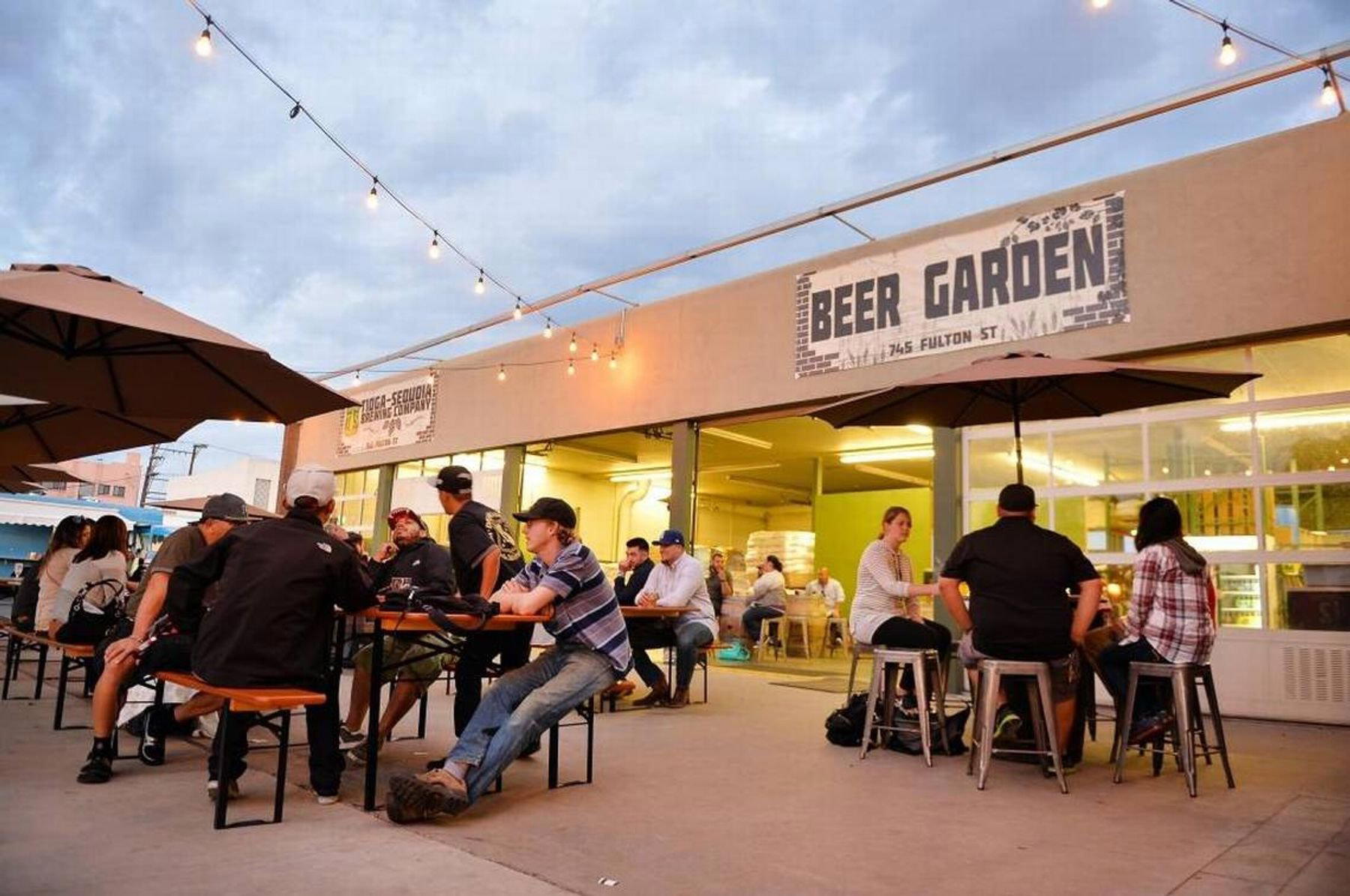
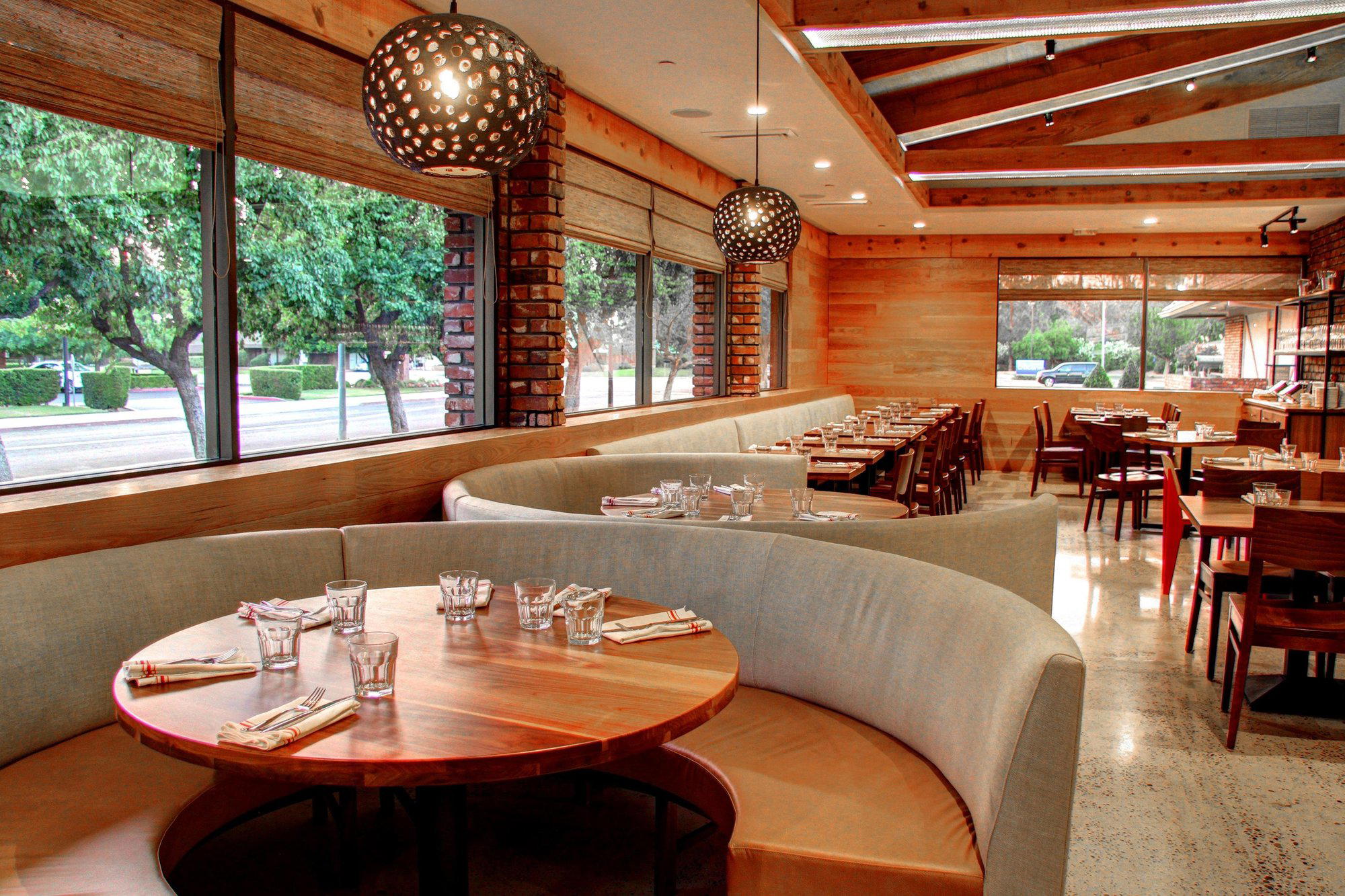
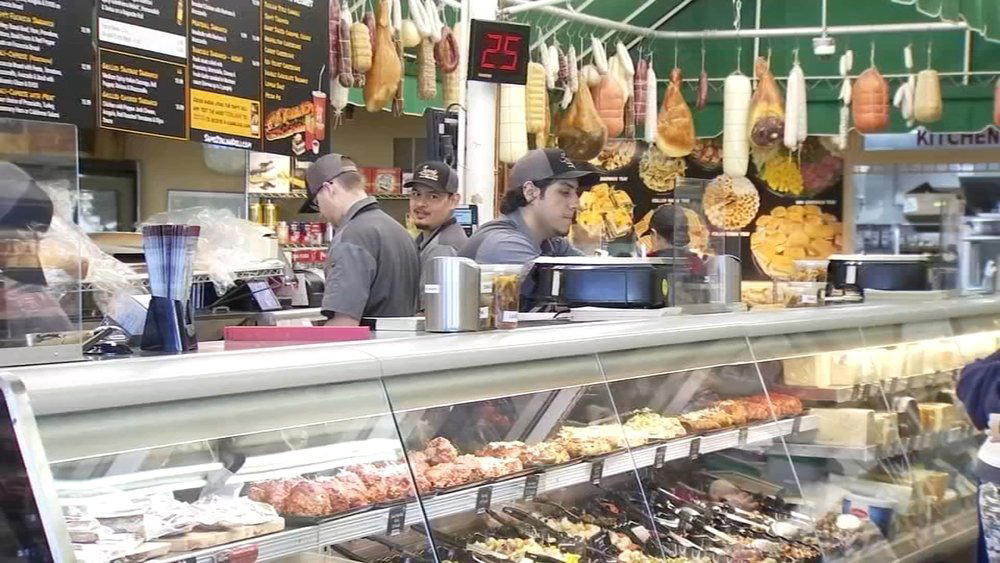
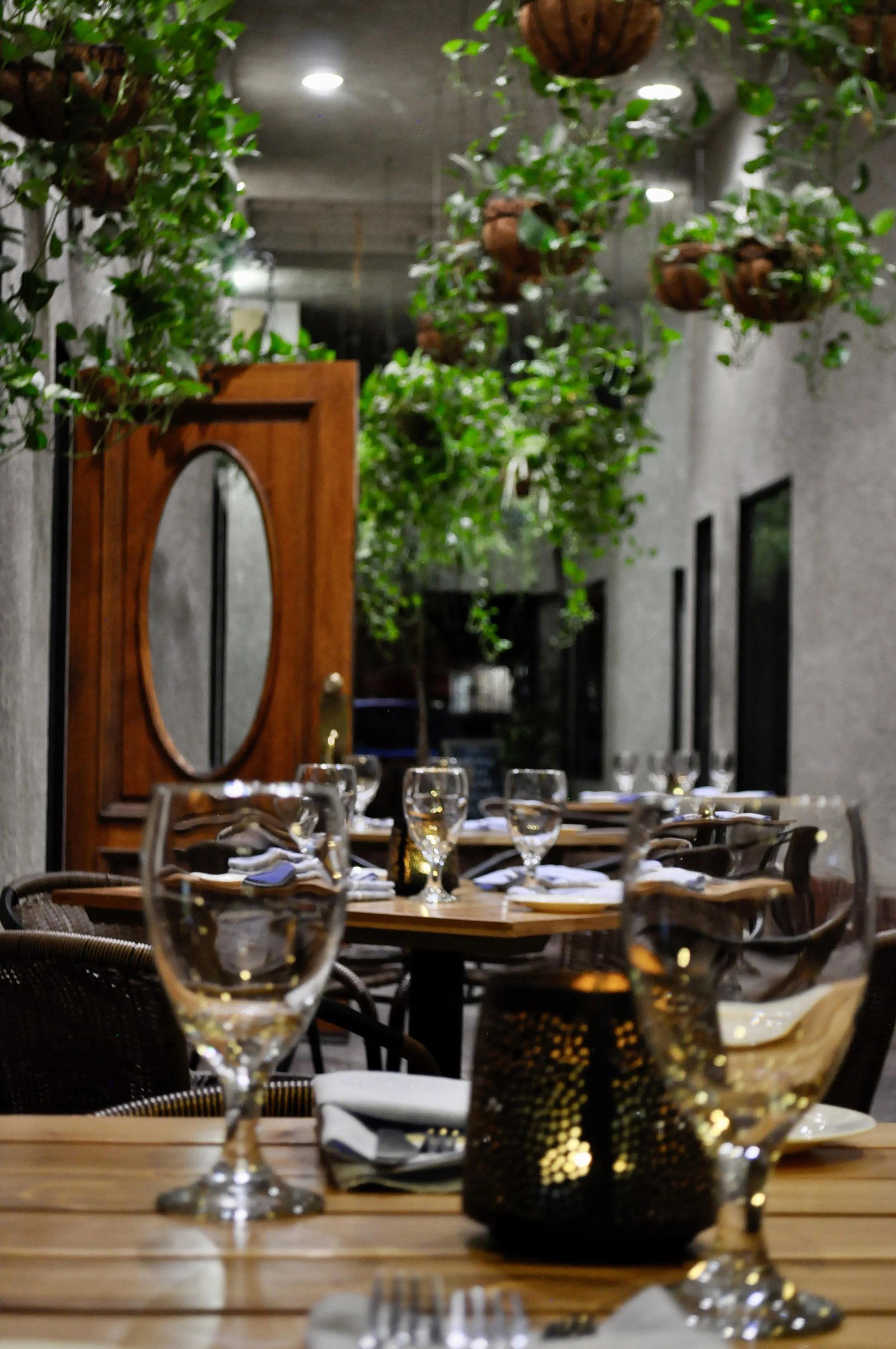
Max's Bistro & Bar
The drinks
- Craft cocktails
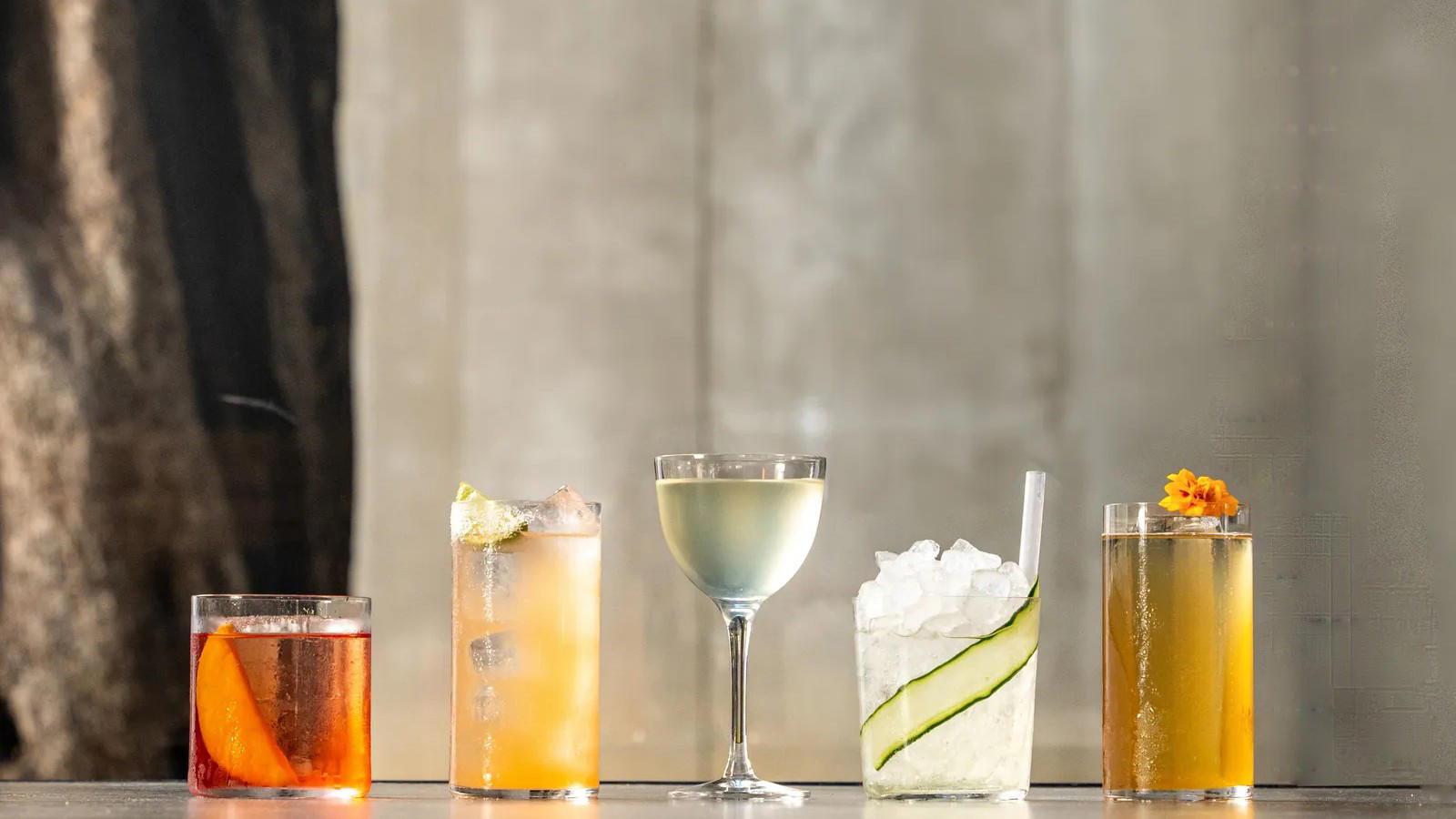
Signature drinks: The Max's Mule, Persephone, Blueberry Euphoria, Harvest Moon, Westside Spritz.
Details
- Elegant
- Rustic
- Sophisticated
- Date Night
- After Work
- Group Outing
- Special Occasion
- Design Destination
- Standalone
- Seated Bar
- Booth Seating
- Craft Cocktails
- Conventional Wine
Current opening hours
- Monday
- 11 AM–9 PM
- Tuesday
- 11 AM–9 PM
- Wednesday
- 11 AM–9 PM
- Thursday
- 11 AM–9 PM
- Friday
- 11 AM–10 PM
- Saturday
- 11 AM–10 PM
- Sunday
- 11 AM–9 PM
Hours can change for holidays and private events. Last verified .
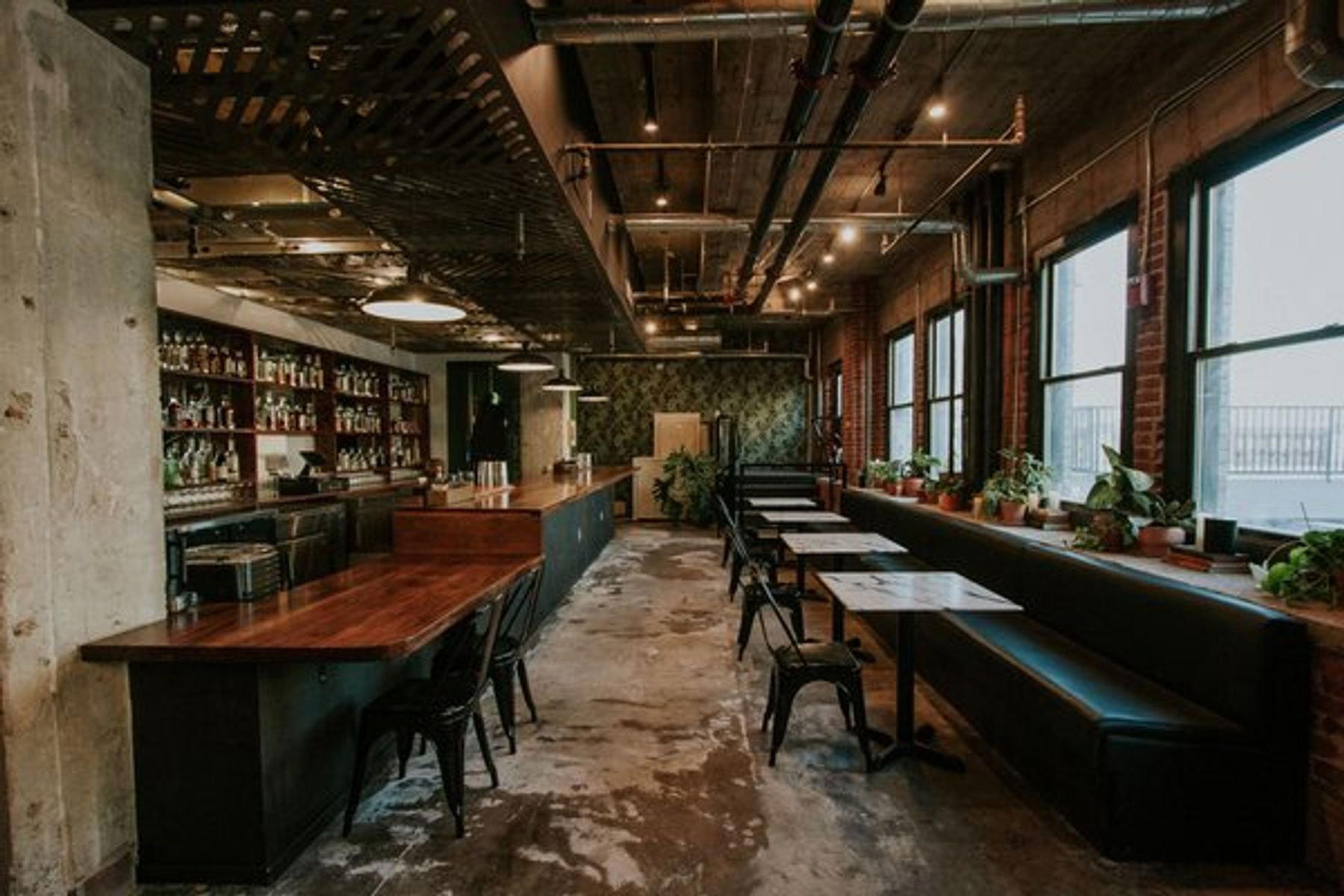
Upscale yet relaxed atmosphere with rustic California charm and local art installations throughout the space.