
Tabelog 100 #80
Our verdict
Teppanyaki Toba Bettei Hanagoyomi belongs to Toba’s higher-spend dining tier, where the city’s coastal identity meets the theatre of the iron plate. Its Tabelog Steak / Teppanyaki WEST 100 selection in 2024 and 2025 gives it a clear quality signal in a region better known to many travellers for seafood counters, ryokan dining rooms, and Ise-Shima produce.

Pearl is the En Primeur Club membership app — saves, bookings, and concierge access live there. Same editors, same standards.
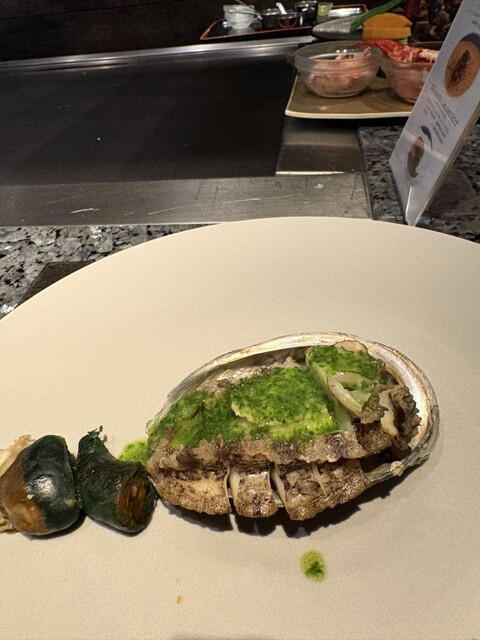
Approach Toba dining with the sea in mind: fishing ports, culture, and the Ise-Shima pantry shape the way visitors read a meal here before a grill is even switched on. In that context, teppanyaki carries a different charge from its big-city version. The iron plate is not only a stage; it is a lens for regional produce, timing, and the exchange between chef and counter. Teppanyaki Toba Bettei Hanagoyomi sits in that higher-spend corner of the city’s restaurant map, where the meal is judged less by novelty than by ingredient confidence and control of heat.
Toba’s dining range is unusually compressed. A modest seafood meal at Nishimura Shokudo occupies one end of the spectrum, while waterside formats such as Yakatabune Okita and hotel dining rooms such as メインダイニング シーホース speak to the city’s long relationship with visitors who come for Ise Bay rather than urban restaurant-hopping. Teppanyaki belongs to the more deliberate end of that trip: a planned dinner, not a casual refuel between sightseeing stops.
The iron plate as a test of Ise-Shima produce
Teppanyaki can expose weak sourcing faster than many formats. There is little cover once an ingredient is cooked in front of the room, and the grammar of the meal depends on sequence, temperature, and restraint. In Toba, that matters because the region’s appeal is not built around culinary maximalism. The stronger reading is precision: seafood culture from the bay, regional ingredients, and vegetables that need clean handling rather than elaborate disguise.
The restaurant’s recognition in Tabelog’s Hyakumeiten for 2025 places it within a category that reaches beyond a purely local resort-town recommendation. That distinction matters. Toba has plenty of places that make sense because they are convenient to the coast; far fewer register in a guide context where diners compare grill technique, ingredient spend, and consistency across a wider field.
For travellers building a food-led route through Japan, this is also where Toba differs from the usual metro itinerary. A city grill counter, a traditional dining room, and a resort-area teppanyaki table answer different questions. The Toba version is less about urban scarcity and more about whether the restaurant can translate regional supply into a composed dinner. Readers comparing formats beyond Toba can think broadly about how Japanese dining changes when the format shifts from pot to grill to counter service.
Where it fits in a Toba itinerary
The editorial case for Teppanyaki Toba Bettei Hanagoyomi is strongest when the dinner anchors a night rather than fills a gap. The city rewards slower pacing: seafood lunches, coastal walks, ryokan stays, and meals that follow the rhythm of the bay. A teppanyaki dinner in this setting gives structure to the evening, especially for travellers who want the confidence of a recognized grill category without defaulting to the larger dining circuits of Osaka, Kyoto, or Tokyo.
Its Tabelog score of 3.73 gives another signal, but the more useful reading is the combination of score, list selection, and format. Teppanyaki at this level is a commitment to the counter’s pacing. It suits diners who value a controlled progression and visible cooking over a broad à la carte spread. The format also makes the meal less anonymous than a conventional dining room: the point is watching technique translate raw product into a finished sequence, not chasing a long list of named dishes.
That does not make it the right choice for every Toba meal. Visitors after a lower-spend seafood stop should start with the city’s simpler tables, while those mapping a broader stay can use Our full Toba restaurants guide alongside Our full Toba hotels guide. The surrounding travel frame matters here: Toba is not a single-dinner city for many guests, but a base for Ise-Shima, island routes, and coastal hospitality. Planning across Our full Toba bars guide, Our full Toba wineries guide, and Our full Toba experiences guide helps decide whether this meal should sit at the beginning or end of the trip.
How to read the wider Japanese dining comparison
Japanese restaurant travel is often distorted by city-name gravity. Tokyo and Kyoto absorb attention, while smaller coastal cities are treated as scenic add-ons. Toba argues for a different reading: seafood culture, hotel dining, and regional grill formats can carry as much editorial weight as a reservation in a dense metro district, provided the meal has a clear reason to exist in its place.
That comparison is useful when looking across EP Club’s broader Japan files. Different Japanese dining formats all show how structure defines expectation before a plate arrives: charcoal-led rooms, café culture, contemporary counters, specialist kitchens, and focused casual concepts each prepare the diner for a different kind of meal. The same logic applies outside Japan, where a narrow idea can be more persuasive than a sprawling menu.
For Toba, the narrow idea is the point. Teppanyaki asks diners to care about the source of ingredients, the discipline of heat, and the pace of service. In a city already defined by water and regional supply, that makes the grill a serious way to read place, not a decorative luxury attached to a holiday.
Frequently asked questions
Is Teppanyaki Toba Bettei Hanagoyomi child-friendly?
The available listing information does not establish specific child-friendly facilities. Given the higher-spend teppanyaki format, it reads more as a planned dinner than a children-first outing.
Is Teppanyaki Toba Bettei Hanagoyomi better for a quiet night or a lively one?
It reads as a quiet-night choice. The Toba setting and teppanyaki format point toward a paced meal rather than a lively late-night room.
What's the pricing like at Teppanyaki Toba Bettei Hanagoyomi?
Pricing at Teppanyaki Toba Bettei Hanagoyomi is listed as JPY 20,000 - JPY 29,999.
What is Teppanyaki Toba Bettei Hanagoyomi known for?
Teppanyaki Toba Bettei Hanagoyomi is known for teppanyaki in Toba, with 2025 recognition from Tabelog Hyakumeiten.
In Context: Similar Options
Comparable venues by cuisine and price in the same metro.
| Venue | Cuisine | Price | Awards | Notes |
|---|---|---|---|---|
| Teppanyaki Toba Bettei HanagoyomiThis venue (the venue you are viewing) | Upscale Teppanyaki in Toba | $150–200 | Tabelog 100 #80 | Not listed |
| 海女小屋 はちまんかまど | Ama Diver Seafood Grill | $30–50 | Not listed | 相差町 |
| Yakatabune Okita | Traditional Japanese Seafood Yakatabune | $30–50 | Not listed | Toba |
| メインダイニング シーホース | Resort French with Local Seafood | $100–150 | Not listed | Toba |
| Nishimura Shokudo | Japanese Seafood Cafeteria | Not listed | Tabelog 100 #57 | Ijikacho |
| Kimoto (紀茂登) | Traditional Japanese Kaiseki Omakase | Not listed | Not listed | Shinjuku |
Recognition history
Dated appearances from independent guides and award organizations, with the underlying list record or original source where available.
Tabelog 100 #80 · No. 80
Tabelog · Tabelog 100 - Steak / Teppanyaki - WEST - 2025
Continue exploring
More in Toba
Restaurants in Toba
All restaurants in Toba →
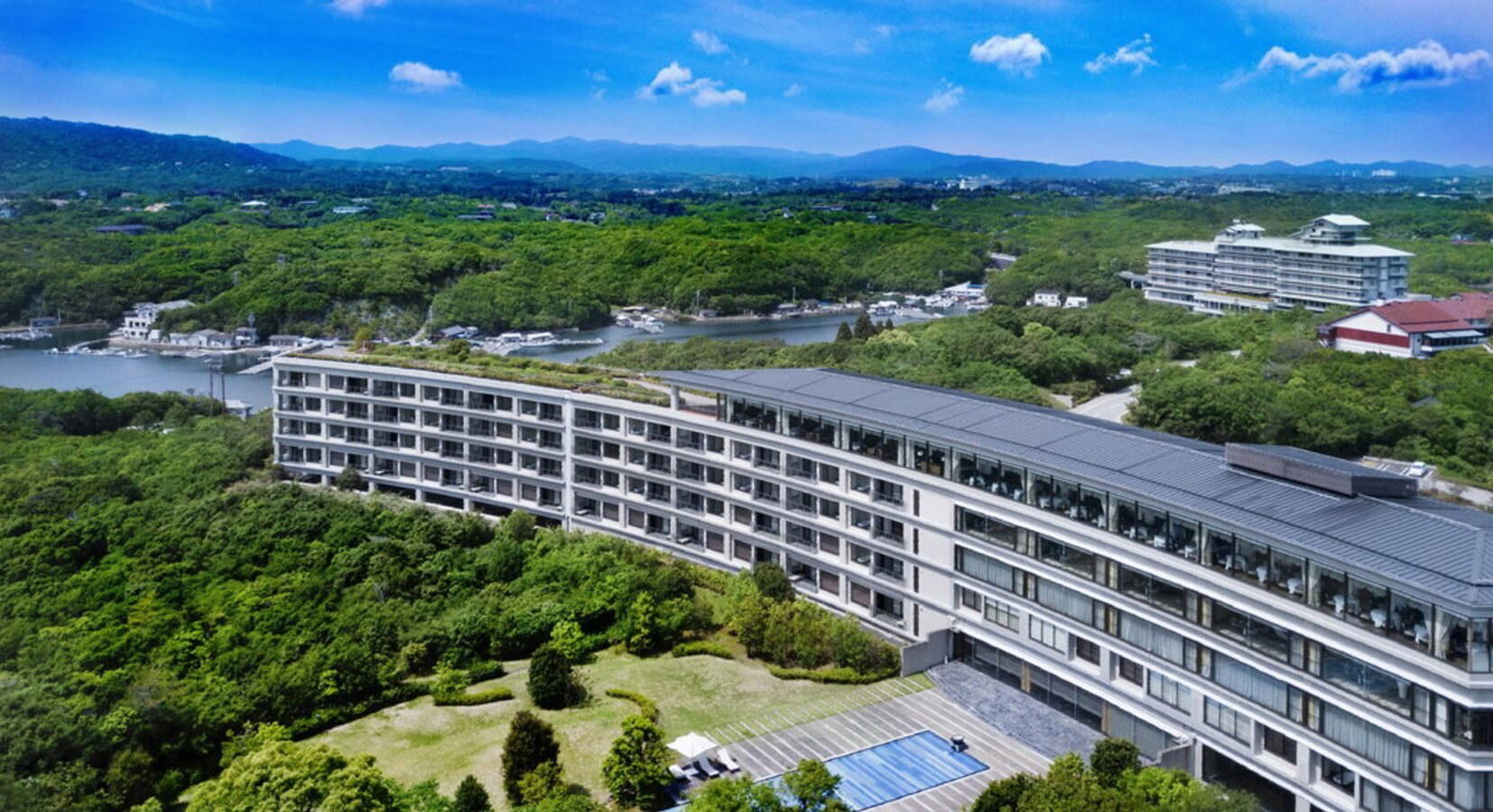
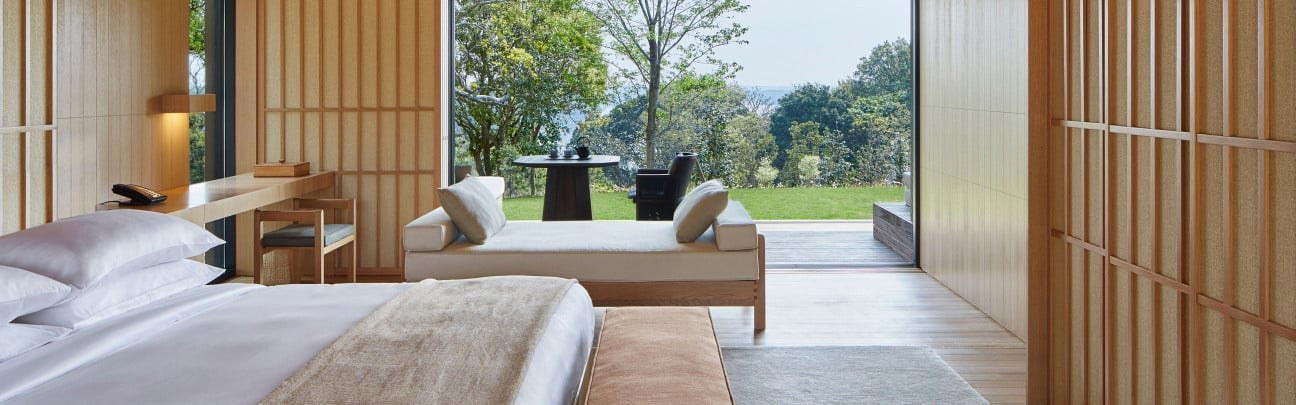
Teppanyaki Toba Bettei Hanagoyomi
The wine
- Wine program
- Curated wine list
Details
- Elegant
- Modern
- Quiet
- Romantic
- Sophisticated
- Date Night
- Business Dinner
- Celebration
- Group Dining
- Open Kitchen
- Hotel Restaurant
- Counter Dining
- Set Menu
Calm and modern Japanese with an elegant, upscale atmosphere suited to special dinners and refined teppanyaki service.