Collusion Tap Works
Collusion Tap Works occupies a address at 105 S Howard St in York, Pennsylvania, placing it within a city whose craft beer scene has expanded steadily over the past decade. The taproom format puts beer architecture front and center, with the tap list serving as the primary menu logic. For visitors building a York drinking itinerary, it represents a fixed point in the city's independent hospitality corridor.
Pearl is the En Primeur Club membership app — saves, bookings, and concierge access live there. Same editors, same standards.
- Address
- 105 S Howard St, York, PA 17401
- Phone
- +17178930512
- Website
- collusiontapworks.com
- Directions
- Get directions
 Saves & bookings on Pearl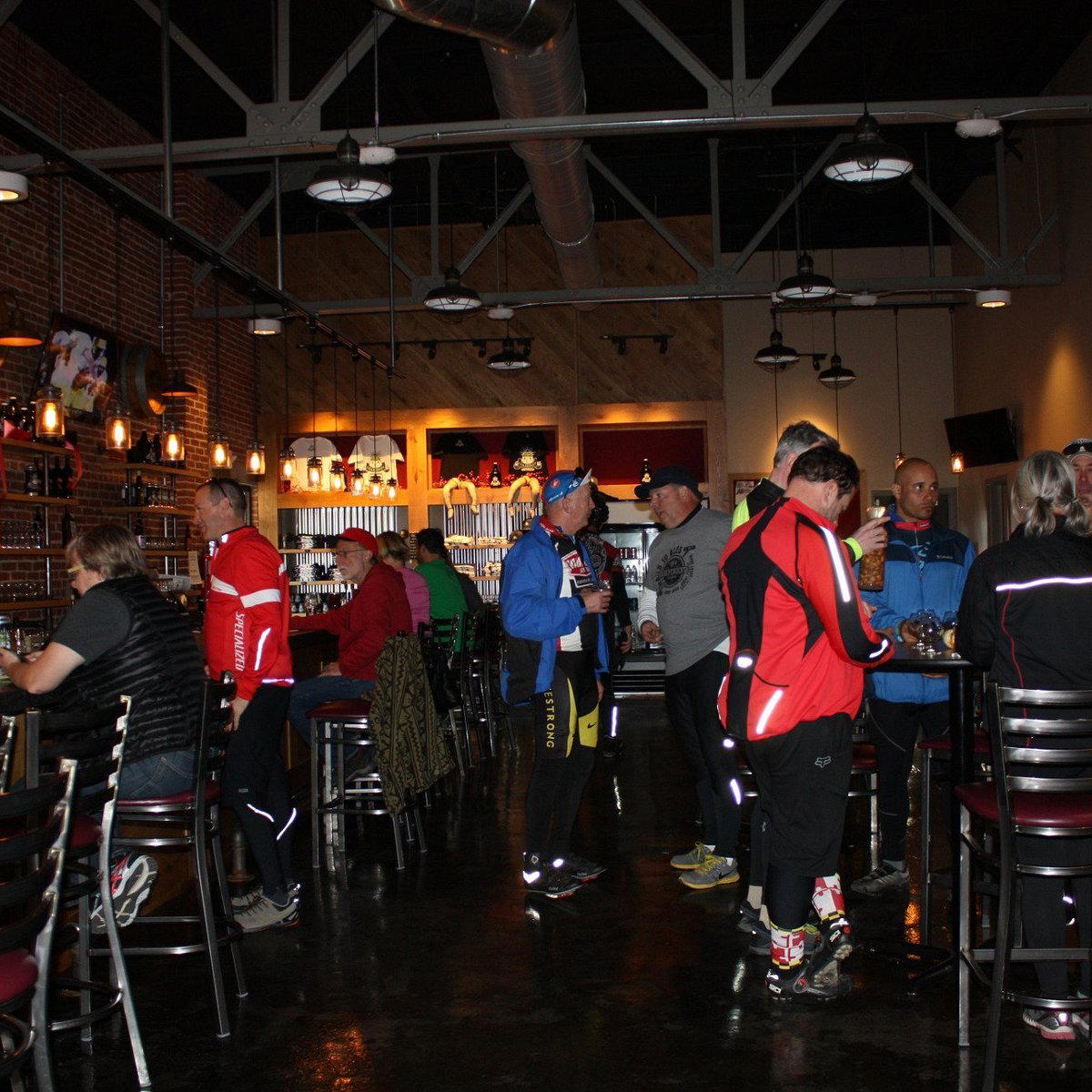
Collusion Tap Works is a restaurant in York, Pennsylvania. York, Pennsylvania and the Craft Taproom Format
American craft brewing's second wave produced a specific venue type that now defines mid-sized post-industrial cities across the Mid-Atlantic and Northeast: the production taproom. Unlike the destination brewpubs that anchored the first craft movement, these spaces prioritize the tap list as a menu in its own right, with the physical environment organized around the bar rather than the kitchen. York, Pennsylvania has absorbed this format across several blocks of its downtown core, and Collusion Tap Works at 105 S Howard St sits within that broader shift in how the city's independent hospitality sector has taken shape.
The taproom model asks something specific of its guests. Rather than arriving with a reservation anchored to a chef's tasting structure, visitors arrive with a beer literacy expectation. The menu architecture is rotational and style-led, organized by what's on draft on a given week rather than by a fixed culinary logic. This is not a deficiency of the format; it is the format. The tap list functions the way a wine list does at a serious restaurant, as the primary communication between the producer and the guest, with every other element of the experience subordinate to what's in the glass.
How the Tap List Structures the Visit
In a production taproom, the menu's architecture is essentially a live document. What the brewer has fermented, conditioned, and brought to serving temperature on any given day determines the range of the visit. This is categorically different from the fixed tasting menu logic at venues like The French Laundry in Napa or Atomix in New York City, where the kitchen's editorial hand controls sequencing with precision. The taproom's version of curation is the rotation itself: which styles are represented, how many taps are given to lager versus ale versus mixed-fermentation, and whether the list skews toward accessibility or toward the more technically demanding ends of craft production.
This rotation-as-menu logic is what separates serious taproom programs from bars that happen to have local kegs. A thoughtfully built tap list will show range across fermentation temperatures, hop timing, and malt character without requiring the guest to have formal beer education. The organizational clarity of the list, whether printed on a chalkboard, a menu card, or a screen, is itself an editorial act, and one that rewards attention.
What styles dominate the current rotation? Is the house leaning toward approachable pale ales and pilsners, or does the list include sour and wild-fermented entries that signal a more technically adventurous program? Those answers, visible on the board, tell you more about the operation than any single descriptor.
York's Independent Hospitality Context
York's downtown has undergone a legible shift over roughly the past fifteen years, with former industrial and commercial spaces being converted into bars, breweries, and food-forward venues. The city's geography, close enough to Baltimore, Philadelphia, and Harrisburg to draw regional visitors, but not so proximate as to be absorbed into their dining orbit, has given local operators a degree of independence from the trend pressures that flatten hospitality in larger metro areas.
This context matters for understanding where a craft taproom fits in the city's overall hospitality picture. York does not have the density of premium dining that would put a taproom in direct competition with white-tablecloth restaurants. The competitive set here is horizontal: other independent taprooms, craft bars, and casual dining formats that together form the texture of a downtown evening out. For visitors building a full York itinerary, the taproom visit pairs naturally with dining at venues like Bow Room at Grays Court or a stop at one of the city's more food-forward spots. Our full York restaurants guide maps this terrain in more detail.
Within the national conversation about craft beer destinations, mid-sized Pennsylvania cities occupy an interesting position. They lack the brewery density of, say, Asheville or Portland, but they also lack the saturation that has made those markets harder to read as a visitor. A taproom in York is more likely to be locally patronized, less likely to be oriented toward beer tourism as its primary revenue logic, and more likely to reflect what the local market actually drinks.
The Broader Production Taproom comparable set
Across the United States, the production taproom has become among the more consequential formats in independent hospitality. Venues from Lazy Bear in San Francisco to Smyth in Chicago demonstrate how production-focused operations can anchor their identity in what they make rather than in a broader lifestyle brand. For breweries, the equivalent logic is the taproom: the space where the production becomes an experience, where the guest relationship to the product is most direct.
The comparison with fine dining isn't merely rhetorical. Operations like Blue Hill at Stone Barns and Single Thread Farm in Healdsburg have built their identities around production transparency, where what's grown or raised on-site becomes the menu logic. The taproom does the same with fermentation: the production is the credential, and proximity to it is what the guest is buying.
For visitors whose reference points for production-focused dining run toward Providence in Los Angeles or Addison in San Diego, the taproom format will feel deliberately stripped back. There is no tasting menu, no service choreography, no sommelier analogue explaining the pairing logic. What the format offers instead is directness: you are in the building where the beer was made, drinking it at the closest possible remove from its source.
Planning a Visit
Collusion Tap Works is located at 105 S Howard St in York, Pennsylvania, within York's downtown corridor and accessible on foot from the city's main commercial streets. The venue is open Mon: Closed; Tue: 4-9 PM; Wed: 4-9 PM; Thu: 4-9 PM; Fri: 12-10 PM; Sat: 12-10 PM; Sun: 12-8 PM. It is walk-in friendly.
Recognition, Side-by-Side
Comparable venues nearby, for context on price, style, and recognition.
| Venue | Cuisine | Price | Notes |
|---|---|---|---|
| Collusion Tap WorksThis venue — the venue you are viewing | American Gastropub | $$ | Not listed |
| Hamir's Indian Fusion | Indian Fusion | $$ | Downtown |
| Walnut Street Cafe | Classic American Comfort Food | $$ | University City |
| 13 | Contemporary American | $$ | Market East |
| Emmy Squared Pizza: Queen Village | Detroit-Style Pizza | $$ | South Street |
| The Black Cat Cafe | American Cafe | $$ | Devon |
Continue exploring
More in York
Restaurants in York
Browse all →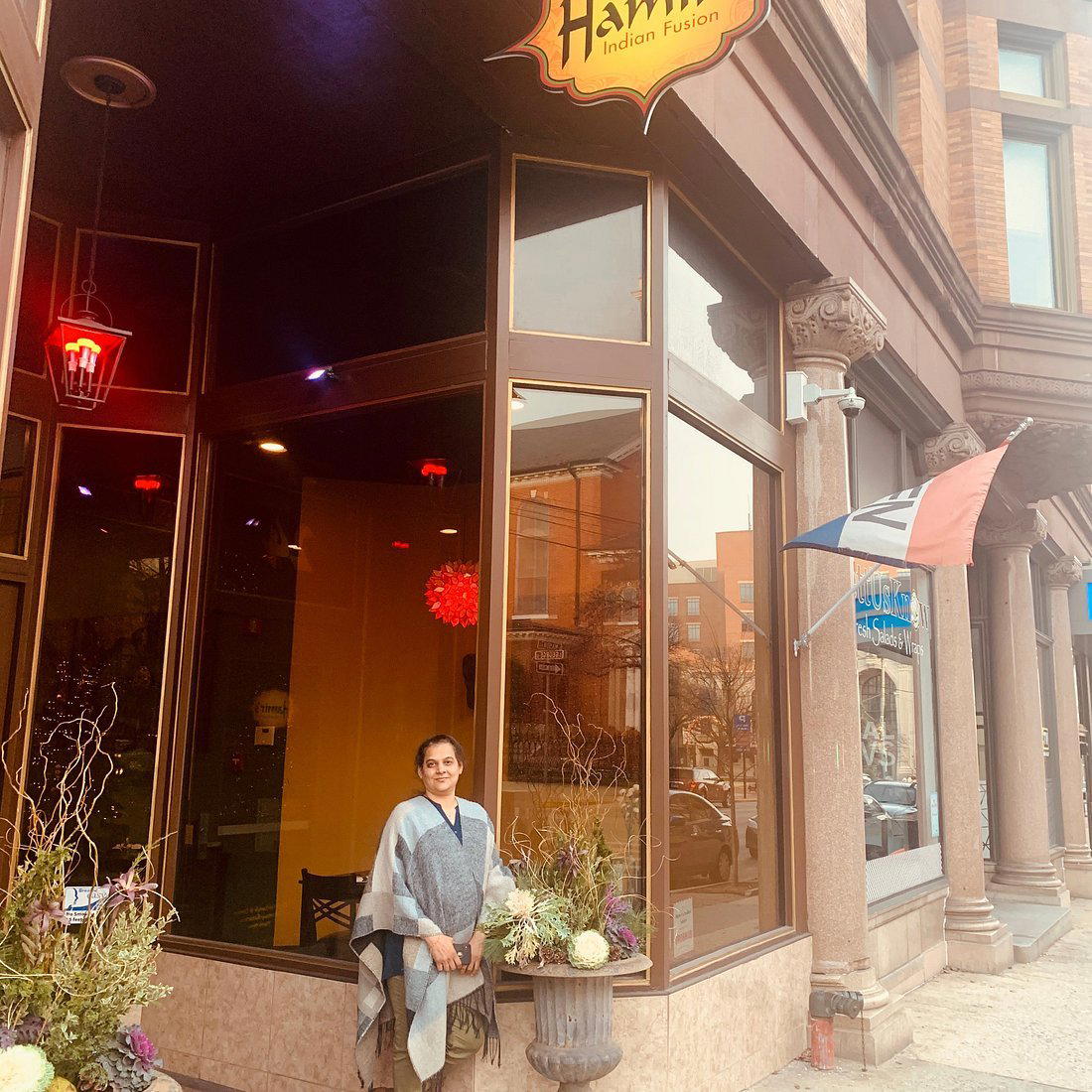
At a Glance
- Industrial
- Lively
- Cozy
- Casual Hangout
- Group Dining
- After Work
- Open Kitchen
- Beer Program
Current opening hours
- Monday
- Closed
- Tuesday
- 4–9 PM
- Wednesday
- 4–9 PM
- Thursday
- 4–9 PM
- Friday
- 12–10 PM
- Saturday
- 12–10 PM
- Sunday
- 12–8 PM
Hours can change for holidays and private events. Last verified .
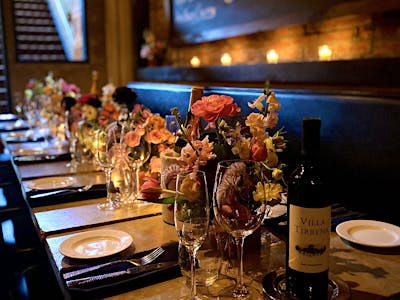
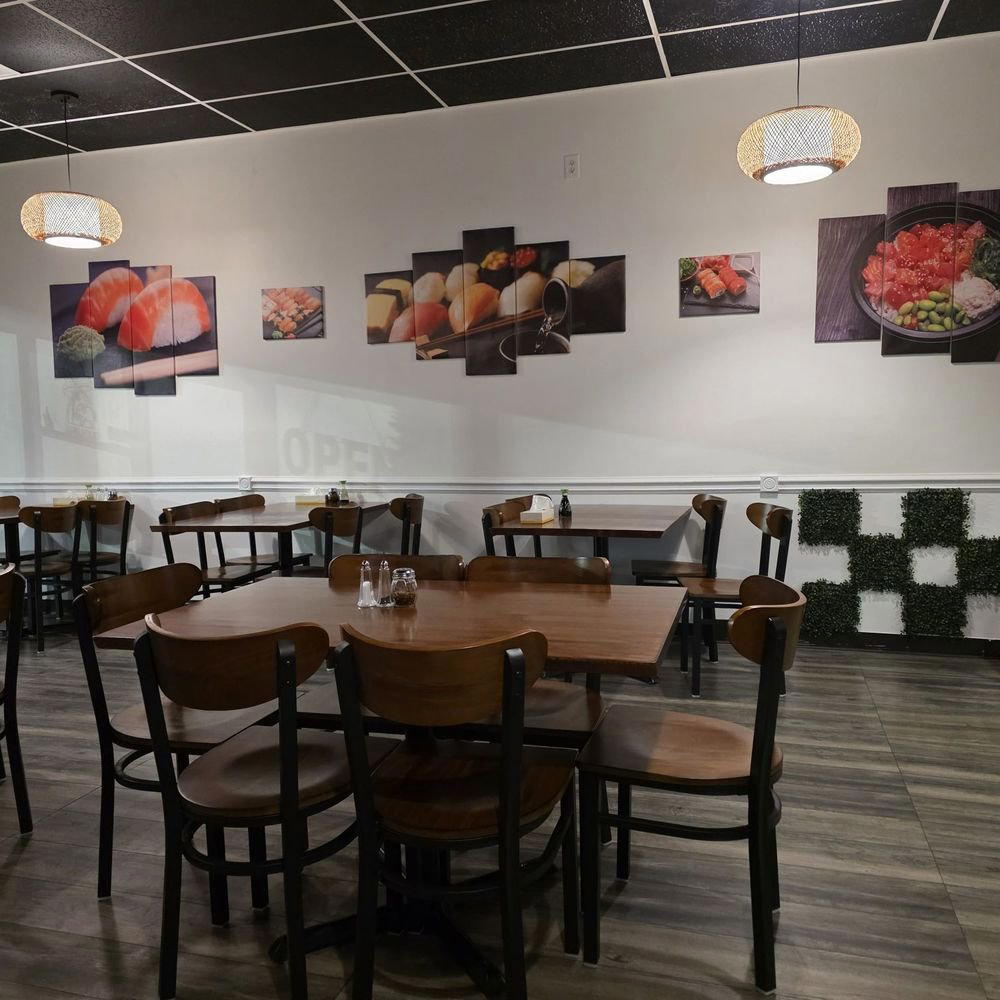
Reclaimed industrial vibe with open seating, lively bar atmosphere, and modern minimalistic design.