
Tabelog 100 #75
Our verdict
Soba Saizen Ryusenbo gives Koriyama a serious soba address in the Tabelog 100 Soba EAST 2025 selection, with buckwheat noodles and regional cooking framed in a house-restaurant setting. The appeal is not Tokyo-style spectacle but Fukushima specificity: a quiet room, sake and wine on hand, and a format that rewards diners who care where grain, water, and local food traditions meet.

Pearl is the En Primeur Club membership app, where members save venues, book tables and use the concierge.
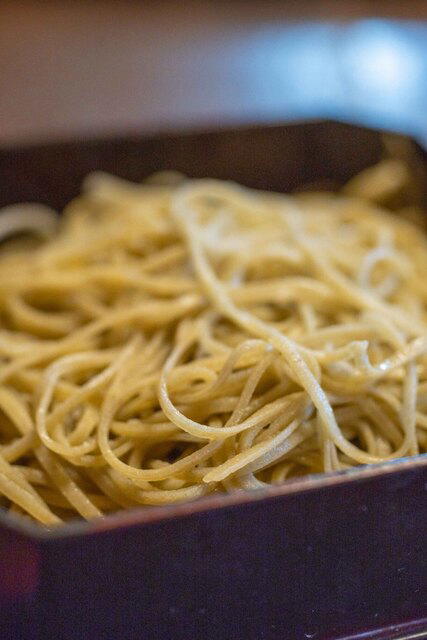
The menu
What to order
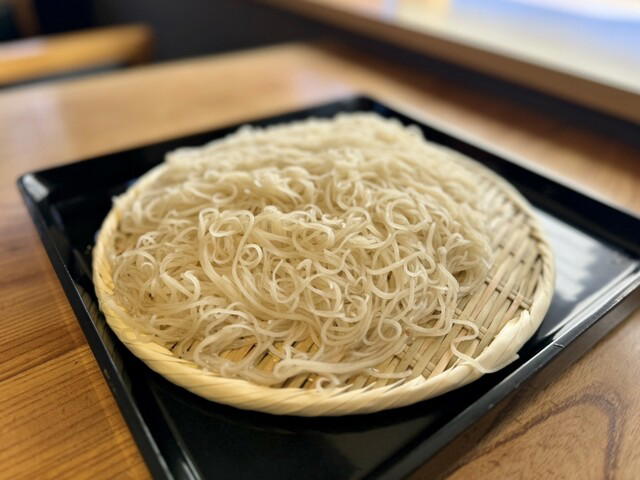
- Handmade soba (buckwheat noodles)
- Soba set menus
- Seasonal soba specials
The approach is quiet rather than theatrical: a Koriyama soba restaurant whose slower tempo matters for buckwheat noodles. Soba punishes distraction; the craft sits in proportion, water, milling, kneading, cutting, and the brief window between cooking and serving. In Koriyama, where rail traffic and regional commerce can make dining feel functional, Soba Saizen Ryusenbo belongs to a more restrained tradition: a meal built around grain, regional cooking, and focus, not abundance for its own sake.
Fukushima’s inland food culture has long leaned on cold winters, mountain produce, preserved flavors, and noodles suited to both daily eating and specialist devotion. Soba can be inexpensive and fast, but the better rooms treat it as a seasonal agricultural product first and a noodle second. The Tabelog 100 Soba EAST 2025 selection places this Koriyama address in a competitive field beyond the city, where recognition depends on consistency in a category crowded with small, technique-led shops.
Buckwheat, regional cooking, and a room built for slower eating
The useful way to read this restaurant is through sourcing logic, not menu sprawl. Soba is less forgiving than many noodle dishes: richer bowls can absorb fat, seasoning, and intensity; buckwheat asks for balance and exposes small errors. Regional cuisine alongside soba signals a broader Fukushima table, not a single-dish stop. The meal is best understood as a focused local format rather than a quick, generic noodle stop.
The restaurant’s appeal sits in that narrower and more exacting register. It does not need to compete with every other Koriyama dining room on the same terms. Soba asks the diner to attend to texture, aroma, dipping sauce, and the noodles’ serving temperature. That makes Soba Saizen Ryusenbo a different proposition from louder, faster, or more variety-driven meals elsewhere in the city, even when the overall budget remains accessible.
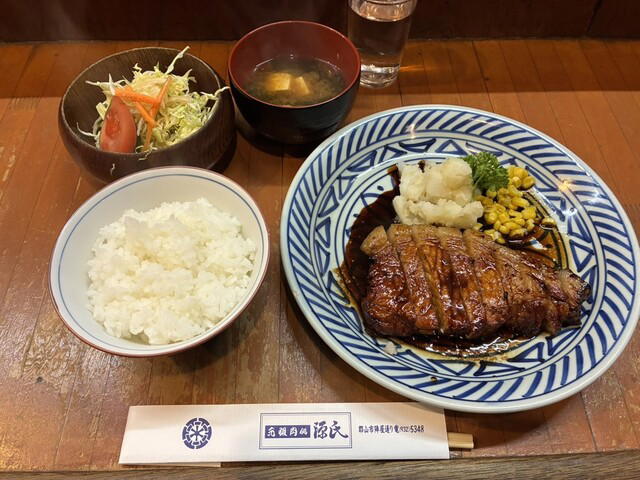
Koriyama benefits from that range. A day can run from bakery staples at Ootomo Pan Ten to casual Japanese cooking at Genji, then shift into a room where the main argument is grain quality and handwork. For a city often used as a transport base for Fukushima rather than a dining destination itself, that range is the point. The reward is not one famous dish but local formats that make sense together.
How this soba address fits Koriyama's dining map
Soba Saizen Ryusenbo’s Tabelog 100 Soba EAST 2025 listing is the key trust signal because it places the restaurant in a category-specific selection, not a general popularity contest. Its Tabelog score of 3.69 adds another data point, but the more useful detail is category: soba and regional cuisine. That separates it from high-spend occasion dining in Koriyama, including sushi-kappo formats, and from everyday budget meals. It sits in the middle: serious enough for a planned meal, grounded enough to remain recognizably local.
That middle position is valuable for travelers. Fukushima dining is often strongest when it does not imitate Tokyo luxury. The better choices show how regional ingredients and local habits survive inside modest formats: noodles, grilled foods, bakeries, sake, and small restaurants with repeat local use. For a wider read on the city’s food circuit, Our full Koriyama restaurants guide is the natural companion; travelers building a fuller itinerary can also scan Our full Koriyama hotels guide, Our full Koriyama bars guide, Our full Koriyama wineries guide, and Our full Koriyama experiences guide.
The comparison becomes clearer against other Japanese specialist formats. Some restaurants build their appeal around controlled richness, market immediacy, heat, café culture, or contemporary dining polish. Soba is quieter, but not lesser; its difficulty lies in how little cover the kitchen has. In Koriyama, Soba Saizen Ryusenbo gives that quiet discipline a clear local expression rather than chasing a broader restaurant trend.
That distinction explains why ingredient sourcing is central. Buckwheat’s character changes with origin, milling, humidity, and storage. A soba specialist does not need a long ingredient manifesto to be judged through that lens; the cuisine demands it. The craft belongs closer to regional grain culture than to the luxury tasting-menu economy. In that sense, Soba Saizen Ryusenbo usefully corrects travelers who measure Japanese dining only by omakase prices, counter scarcity, or imported prestige signals.
Who should choose it
This is a strong choice for diners who want Koriyama to taste like Fukushima rather than a branch-office version of Tokyo. It suits a slower meal with friends, especially travelers who understand that soba’s pleasure can be subtle and technical. It is less about spectacle than attention: the noodle, the regional context, and the pleasure of a specialist meal whose value sits in precision rather than excess.
The practical reading is simple: treat it as a planned soba meal, not a spontaneous fallback. The published budget is Dinner: JPY 3,000 - JPY 3,999; Lunch: JPY 1,000 - JPY 1,999, keeping it approachable for travelers who want a serious meal without moving into luxury territory. Its Koriyama location also makes it part of a broader city itinerary rather than a stand-alone destination that demands an entire day.
For readers mapping a broader Japanese itinerary, contrast is useful. Different specialist formats across Japan and abroad show how narrow menus can carry serious cultural weight, whether the focus is noodles, rice, grilled foods, drinks, or regional cooking. Koriyama’s soba tradition belongs in that conversation: modest in presentation, demanding in execution, and rewarding when approached on its own terms.
Frequently asked questions
Does Soba Saizen Ryusenbo work for a family meal?
Soba Saizen Ryusenbo is best read as a focused soba and regional cuisine restaurant in Koriyama. Travelers planning a group meal should confirm current arrangements directly before going.
What's the overall feel of Soba Saizen Ryusenbo?
The format reads as a specialist Koriyama soba restaurant rather than a broad, all-purpose dining room. It is a place to slow down and pay attention to buckwheat noodles, regional cooking, and the restrained pleasures of a focused meal.
What should I budget for a meal at Soba Saizen Ryusenbo?
Pricing at Soba Saizen Ryusenbo is listed as Dinner: JPY 3,000 - JPY 3,999; Lunch: JPY 1,000 - JPY 1,999.
When can I go to Soba Saizen Ryusenbo?
Opening hours should be confirmed directly with Soba Saizen Ryusenbo before visiting, especially if you are planning a meal around travel through Koriyama.
Where is Soba Saizen Ryusenbo in Koriyama?
Koriyama.
What is Soba Saizen Ryusenbo known for?
It is known for soba and regional cuisine, and for its Tabelog 100 Soba EAST 2025 selection. The listing also gives it a Tabelog score of 3.69 and a budget of Dinner: JPY 3,000 - JPY 3,999; Lunch: JPY 1,000 - JPY 1,999.
Fast Comparison
Comparable venues by cuisine and price in the same metro.
| Venue | Cuisine | Price | Awards | Notes |
|---|---|---|---|---|
| Soba Saizen RyusenboThis venue (the venue you are viewing) | Traditional Japanese soba | $20–30 | Tabelog 100 #75 | Not listed |
| Munakata Ya | Yakitori & Chicken Dishes | $30–50 | Tabelog 100 #89 | Ekimae |
| Jin Tei | Tonkatsu and Japanese yoshoku cafeteria | $10–20 | Tabelog 100 #30 | Tsurumidan, Koriyama |
| Sushi Kappou Gyomon | Traditional Sushi Kappou | $150–200 | Tabelog 100 #49 | Ekimae |
| Genji | Classic Yoshoku (Japanese‑style Western) | $10–20 | Tabelog 100 #42 | Koriyama Ekimae |
| Soba Kiri Anazawa | Traditional Japanese soba noodle shop | $10–20 | Tabelog 100 #23 | /郡山市 |
Recognition history
Dated appearances from independent guides and award organizations, with the underlying list record or original source where available.
Tabelog 100 #75 · No. 75
Tabelog · Tabelog 100 - Soba - EAST - 2025
Continue exploring
More in Koriyama
Restaurants in Koriyama
All restaurants in Koriyama →
Hotels in Koriyama
Browse all →
Details
- Classic
- Cozy
- Quiet
- Solo
- Casual Hangout
- Family
- Standalone
- Local Sourcing
- A La Carte
- Tea
Current opening hours
- Monday
- Closed
- Tuesday
- 11:30 AM–2 PM, 6–8 PM
- Wednesday
- 11:30 AM–2 PM, 6–8 PM
- Thursday
- 11:30 AM–2 PM, 6–8 PM
- Friday
- 11:30 AM–2 PM, 6–8 PM
- Saturday
- 11:30 AM–2 PM, 6–8 PM
- Sunday
- 11:30 AM–2 PM, 6–8 PM
Hours can change for holidays and private events. Hours as of .
Reviews describe a traditional Japanese house–style interior with a calm, nostalgic atmosphere, simple decor, and a relaxed pace suited to quietly enjoying soba and seasonal dishes.