Haran Sho

Tabelog 100 #95
Our verdict
Haran Sho places Aizuwakamatsu’s izakaya culture in a more serious register: small-room dining, sake-bar instincts, and recognition in Tabelog’s 2025 Izakaya EAST 100. The draw is not spectacle but a regional tavern format where Fukushima’s drinking culture and Japanese small-plate cooking carry the evening.

Pearl is the En Primeur Club membership app, where members save venues, book tables and use the concierge.
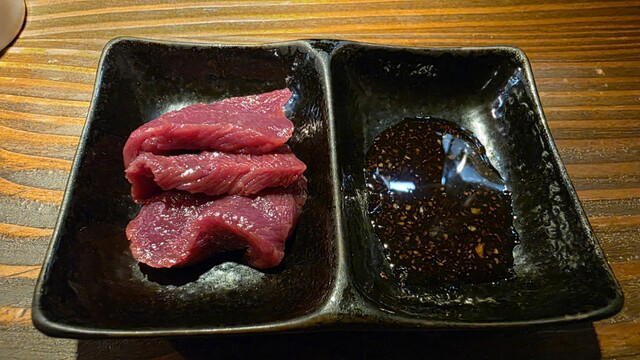
In Aizuwakamatsu, Haran Sho is best understood through its listed categories: an izakaya and Japanese sake bar. That framing is more useful than treating it as a generic restaurant entry. It points to an evening built around drinks, small-format ordering, and a tavern setting rather than a formal tasting-menu structure. Read it through sourcing and place with some restraint: the confirmed facts are the city, the izakaya and sake-bar categories, its listed dinner budget, its Tabelog score, and its 2025 Tabelog Hyakumeiten recognition.
That matters because a venue like this should not be described with borrowed fine-dining language unless the sourcing supports it. Haran Sho’s available profile is specific enough without inventing a chef story, a house style, a seat count, or a signature dish. Its recognition in a Tabelog Hyakumeiten source for 2025 places it in a documented tavern context, where the relevant questions are consistency, suitability for dinner, and how clearly the izakaya and sake-bar identity comes through.
Aizu's izakaya culture is built around sake, not spectacle
Japan’s izakaya category runs widely, but for Haran Sho the useful point is simple: it is listed as an izakaya and Japanese sake bar in Aizuwakamatsu. That combination gives the meal its likely frame. The experience should be approached as drinks-led dining rather than as a fixed-course restaurant, while avoiding unsupported assumptions about particular dishes, producers, or service rituals.
Haran Sho’s dual listing as both an izakaya and a Japanese sake bar explains its position. The sake-bar label points to a venue where drinking is central to the visit; the izakaya category keeps the room grounded in Japanese tavern culture rather than formal restaurant choreography. In venue-guide terms, that middle ground is important. It is not necessary to claim luxury, spectacle, or a named culinary philosophy to explain why Haran Sho matters.
The local comparison helps. Lower-priced casual addresses around the area, including Wende, Kiichi, Kura Zushi, Bannai Shokudo, and Koike Kashiho, occupy different spending and occasion brackets. Haran Sho’s listed dinner budget of JPY 6,000–7,999 puts it in a higher evening-use range than many quick-meal choices, without requiring it to be described as a luxury restaurant. For travelers who read Japanese awards too narrowly, the distinction matters. Tabelog recognition here signals an izakaya to take seriously, not necessarily starched fine dining.
The ingredient argument is regional discipline
Ingredient claims should be handled carefully here. What can be said is narrower and more reliable: Haran Sho is categorized as an izakaya and Japanese sake bar in Aizuwakamatsu, with a dinner budget in the JPY 6,000–7,999 range. That is enough to position it as a dinner-focused tavern rather than a casual snack stop.
The Tabelog score of 3.64 is another useful signal. Scores should not be overinterpreted, but the number gives readers a concrete reference point alongside the 2025 Tabelog Hyakumeiten source. Together, those details place Haran Sho among documented tavern choices rather than leaving it as a vague recommendation. The value of the listing is in the combination: city, category, score, dinner budget, and recognition all pointing in the same direction.
How to place it in an Aizuwakamatsu itinerary
For travelers, Haran Sho works better as an evening plan in Aizuwakamatsu than as a quick, undefined stop. Its location is simply Aizuwakamatsu for guide purposes, and the practical frame is straightforward: plan it as an izakaya and Japanese sake bar visit, then confirm current details directly before going. That approach keeps the recommendation useful without inventing a neighborhood, landmark, or exact address.
The planning question is not chasing a trophy table but choosing the right kind of night. A party seeking a very formal or generic restaurant experience may prefer another format. A diner interested in an izakaya and Japanese sake bar in Aizuwakamatsu has a clearer reason to keep Haran Sho on the list. The listed dinner budget of JPY 6,000–7,999 is a relevant detail where spending expectations vary sharply by restaurant type.
Haran Sho also changes how Aizuwakamatsu reads as a dining city in a practical way. It gives the itinerary a documented evening venue rather than only daytime sightseeing or casual eating. The meal needs no named chef narrative, no invented signature dish, and no unsupported history. Its value lies in the alignment between its city, its izakaya and sake-bar categories, its Tabelog score of 3.64, and its 2025 recognition.
For wider planning, use Our full Aizuwakamatsu restaurants guide alongside Our full Aizuwakamatsu hotels guide, Our full Aizuwakamatsu bars guide, Our full Aizuwakamatsu wineries guide, and Our full Aizuwakamatsu experiences guide. Readers building a broader Japan file can compare Haran Sho with other dining in Aizuwakamatsu and with unnamed restaurants, cafes, bars, and casual venues elsewhere in Japan and beyond, keeping the focus on format rather than treating every dining room as the same kind of destination.
Frequently asked questions
Does Haran Sho work for a family meal?
It can, but the setup is best understood as an izakaya and Japanese sake bar rather than a purpose-built family restaurant. The JPY 6,000–7,999 dinner range also places it above many casual everyday meals.
What is the atmosphere like at Haran Sho?
Haran Sho operates as an izakaya and Japanese sake bar in Aizuwakamatsu. That format points to a drink-led tavern setting rather than a formal dining room.
What's the pricing like at Haran Sho?
Pricing at Haran Sho is listed as JPY 6,000 - JPY 7,999 View spending breakdown.
What are the opening hours for Haran Sho?
Specific opening hours are not provided here; check directly with Haran Sho before planning a visit.
Where is Haran Sho located?
Aizuwakamatsu.
What's the standout thing about Haran Sho?
Its clearest credential is 2025 recognition from a Tabelog Hyakumeiten source. Add its izakaya and Japanese sake bar categories, Aizuwakamatsu setting, and Tabelog score of 3.64, and it reads as a serious local stop rather than a casual afterthought.
Comparison Snapshot
Comparable venues by cuisine and price in the same metro.
| Venue | Cuisine | Price | Awards | Notes |
|---|---|---|---|---|
| Haran ShoThis venue (the venue you are viewing) | Japanese Izakaya | $20–30 | Tabelog 100 #95 | Not listed |
| tonkatsu.jp表参道 | Premium Tonkatsu Specialist | $20–30 | Tabelog 100 #86 | Omotesando |
| HIKINIKU TO COME (挽肉と米) | Hamburger steak set menu (Japanese-style) | $20–30 | Tabelog 100 #59 | Shibuya |
| Grill The Butcher Nagano (グリル ザ ブッチャー 長野) | Shinshu Beef Steakhouse | $20–30 | Not listed | Nagano Station |
| Ginza Kagari (銀座 篝) | Chicken Paitan Ramen | $10–20 | Not listed | Ginza |
| Kyoto Tsurara | Modern Japanese Kakigori | $1–10 | Not listed | Nakagyo Ward, Nijo Area |
Recognition history
Dated appearances from independent guides and award organizations, with the underlying list record or original source where available.
Tabelog 100 #95 · No. 95
Tabelog · Tabelog 100 - Izakaya - EAST - 2025
Continue exploring
More in Aizuwakamatsu
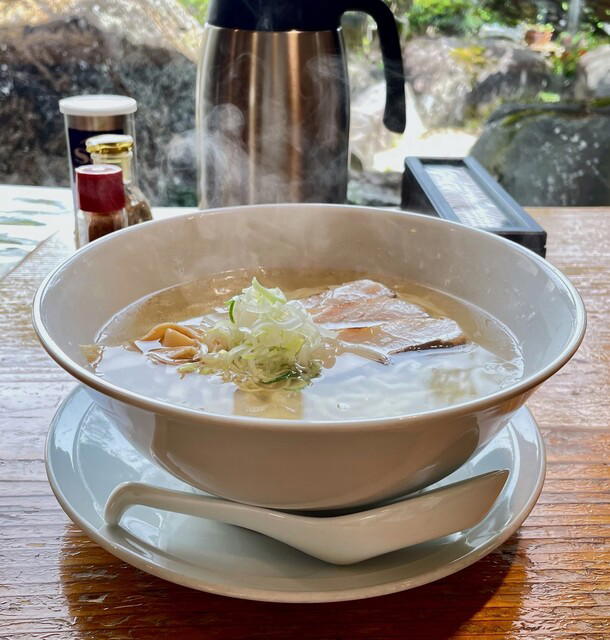
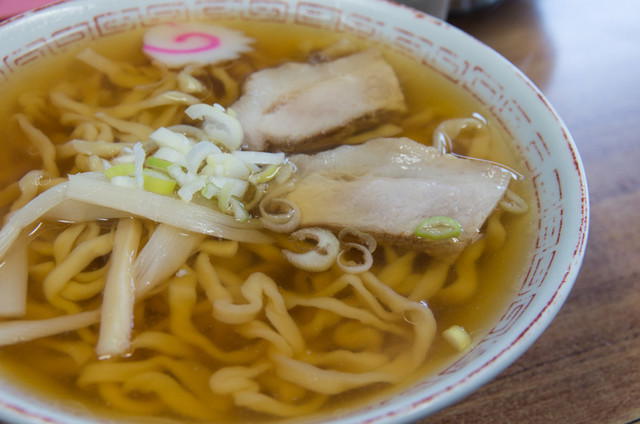
Restaurants in Aizuwakamatsu
All restaurants in Aizuwakamatsu →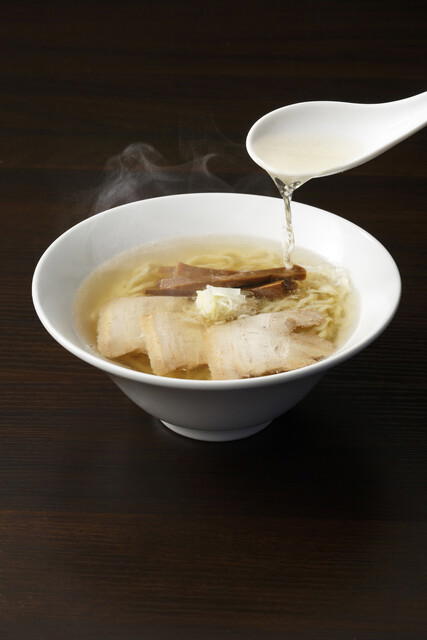
Hotels in Aizuwakamatsu
Browse all →
Details
- Cozy
- Lively
- After Work
- Casual Hangout
- Group Dining
- Solo
- Late Night
- Standalone
- Sake Program
- Beer Program
- A La Carte
- Small Plates
- Beer
- Sake
Current opening hours
- Monday
- 5–10 PM
- Tuesday
- 5–10 PM
- Wednesday
- 5–10 PM
- Thursday
- 5–10 PM
- Friday
- 5–10 PM
- Saturday
- 5–10 PM
- Sunday
- Closed
Hours can change for holidays and private events. Hours as of .
Typical Japanese izakaya atmosphere with warm lighting, counter and table seating, and a relaxed, slightly lively vibe suited to after-work drinks and casual gatherings.