Smith’s of Smithfield

Occupying a converted Victorian warehouse directly opposite Smithfield Market, Smith's of Smithfield has operated from this address since 2000, building a reputation for British cooking that reflects the meat-trading heritage of its EC1 location. Ranked #522 on Opinionated About Dining's Casual Europe list in 2024, it holds,000 reviews. The kitchen runs under chef Tim Dela Cruz across a multi-floor dining operation open from breakfast through late evening, Monday to Saturday.
Pearl is the En Primeur Club membership app — saves, bookings, and concierge access live there. Same editors, same standards.
- Address
- 67-77 Charterhouse St, London EC1M 6HJ, United Kingdom
- Phone
- +44 20 7251 7950
- Website
- smithsofsmithfield.co.uk
- Directions
- Get directions
 Saves & bookings on Pearl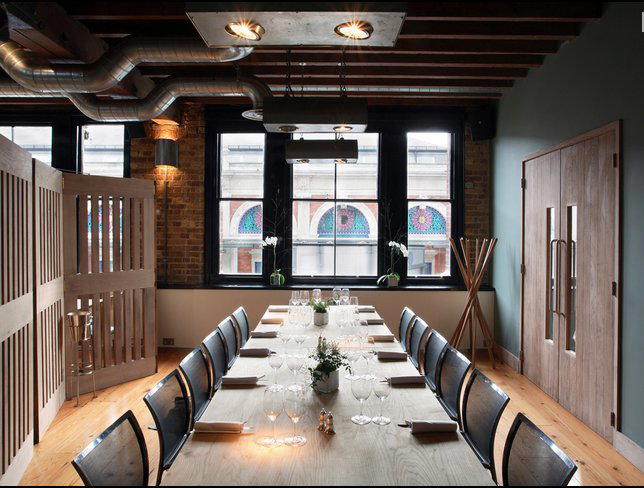
A Victorian Warehouse at the Edge of Smithfield
The area around Smithfield Market has always been defined by its relationship with meat. London's oldest surviving wholesale market has traded on this site since the 12th century, and the surrounding streets spent much of the Victorian era accumulating the infrastructure that trade required: cold stores, loading bays, warehouses built to last. Smith's of Smithfield opened in 2000 inside one of those warehouses, at 67-77 Charterhouse Street, and the physical container has shaped everything about how the restaurant operates since.
That Victorian industrial heritage is not incidental to the experience. EC1 had been gradually converting similar buildings throughout the 1990s as the media and design industries moved into Clerkenwell, and Smith's arrived at a point when the neighbourhood was still deciding what it was. The building's bones, exposed brickwork, iron columns, substantial floor plates across multiple levels, resisted the temptation toward intimate fine dining and instead accommodated a more democratic, high-volume format that suited the area's shift from trade to mixed commercial use. Across the street, the market's distinctive terracotta and stone facade provides a view that few London dining rooms can match for sheer historical weight.
The Architecture of a Multi-Floor Venue
London has a recurring type: the converted industrial building that stacks different dining registers across its floors. Borough Market's surrounds offer several examples, as does the Maltby Street corridor further east. Smith's belongs to this category and has applied the format with some consistency. The ground floor has historically operated as a café and bar, accessible and informal, drawing on the foot traffic generated by workers at and around the market. Upper floors carry a more settled dining room register, where the height of the ceilings and the preservation of original structural elements give the space a particular quality of scale that purpose-built restaurants rarely achieve.
That scale matters for the editorial angle here. Interior architecture in London restaurants often functions as a statement about aspiration, all pale stone and minimalist lighting designed to signal premium positioning. The Smith's building signals something different: the weight of a working city, a space that was built for function and has been adapted for hospitality without erasing the evidence of what it was. The iron columns remain load-bearing. The brick is original. The windows are large because warehouses needed light, not because a designer specified them. This is the kind of physical context that is almost impossible to manufacture, and it gives the restaurant a grounding that newer openings in the same neighbourhood cannot replicate regardless of budget.
In this respect Smith's of Smithfield sits closer to the tradition represented by St. John Bread & Wine than to the formal dining rooms along the Strand. Both operate in spaces where the architecture precedes the hospitality, and both lean into British cooking in a way that treats the surrounding context as part of the offer. The comparison is instructive rather than direct: St. John's aesthetic is starker, its approach to offal more doctrinaire. Smith's occupies a broader casual register and covers more dayparts.
British Cooking at Smithfield's Scale
The kitchen's orientation toward British cooking at 67-77 Charterhouse Street is not incidental to the address. Smithfield's wholesale trade defines the meat supply of a significant portion of London's restaurant industry, and a British kitchen operating directly opposite the market is making an implicit argument about provenance and proximity. Under chef Tim Dela Cruz, the restaurant continues that orientation, with a menu that reflects the category's current positioning between traditional British formats and the looser, more ingredient-driven approach that has defined London's casual dining scene over the past decade.
For comparative context: the tier above Smith's on the British cooking spectrum runs through venues like The Goring, Wilton's, and the formal end of Holborn Dining Room. At the other end of the British dining spectrum, the destination restaurants outside London, including The Fat Duck in Bray, L'Enclume in Cartmel, Moor Hall in Aughton, Gidleigh Park in Chagford, Hand and Flowers in Marlow, and Le Manoir aux Quat' Saisons in Great Milton, operate at tasting-menu price points and with very different physical formats. Smith's sits outside that tier by design, occupying the casual end of the OAD ranking (listed at #522 in the Casual Europe category for 2024) rather than competing in formal-dining peer sets. That positioning is a choice, not a constraint: the building, the neighbourhood, and the daypart coverage from 7:30am through 11pm Monday to Friday all point toward a different kind of use.
Neighbourhood Position and the Clerkenwell Context
Clerkenwell's restaurant scene has matured considerably since 2000. The neighbourhood now carries a concentration of design studios, architecture practices, and media offices that generates reliable weekday lunch and dinner demand, plus a weekend leisure crowd drawn partly by Exmouth Market and partly by proximity to the City fringes. Smith's position on Charterhouse Street places it at the edge of that concentration, with Smithfield Market providing both a physical anchor and a source of the neighbourhood's continuing distinctiveness.
The Saturday hours (11am to 7pm only, with the restaurant closed on Sundays) reflect the rhythms of a venue tied to a market neighbourhood rather than a purely leisure destination. Smithfield's wholesale operation runs its own schedule, and the surrounding streets carry a different energy at weekends than on weekday mornings. The format adjustment is practical intelligence about the area, not a limitation. Visitors planning a Saturday visit should note the earlier last orders and plan accordingly.
For broader London context, the city's casual British dining bracket also includes Cadogan Arms in Chelsea, which operates at a similar register from a gastropub format in a contrasting neighbourhood. The comparison illustrates how British cooking in London adapts its physical container to neighbourhood character: a Victorian pub in SW3 reads differently from a Victorian warehouse in EC1, even when the culinary orientation overlaps. For further exploration of the city's offer, EP Club maintains a full London restaurants guide, as well as dedicated guides to London hotels, London bars, London wineries, and London experiences.
For those interested in how British cooking translates outside its home geography, Gordon Ramsay Hell's Kitchen in Las Vegas and Hearth at Heckfield Place in Hook offer contrasting case studies in how the cuisine adapts to different physical and cultural contexts.
Planning a Visit
Smith's of Smithfield operates across seven days of trading: Monday through Friday from 7:30am to 11pm, and Saturday from 11am to 7pm. The restaurant is closed on Sundays. The address is 67-77 Charterhouse St, London EC1M 6HJ, a short walk from Farringdon station on the Elizabeth line, Circle, Hammersmith and City, and Metropolitan lines.
Quick reference: 67-77 Charterhouse St, EC1M 6HJ. Mon–Fri 7:30am–11pm, Sat 11am–7pm, closed Sunday. OAD Casual Europe #522 (2024).
FAQ: What Is the Signature Dish at Smith's of Smithfield?
No single signature dish is confirmed in published records currently available. What the kitchen's positioning makes clear is an orientation toward British cooking with a direct connection to the Smithfield meat-trading tradition. The address, the daypart coverage (breakfast through late dinner), and the casual OAD ranking all point toward a menu that draws on the market's supply, likely covering beef-led dishes in formats appropriate to a multi-floor venue running from morning coffee through evening service. Chef Tim Dela Cruz leads the kitchen. The EP Club London restaurants guide provides broader context on British casual dining in the city for readers comparing options across the category.
How Smith's of Smithfield London compares with similar nearby venues.
| Venue | Cuisine | Price |
|---|---|---|
| Smith’s of Smithfield | British | Not listed |
| Holborn Dining Room | British | Not listed |
| St. John Bread & Wine | British | Not listed |
| Wilton’s | British | Not listed |
| Game Bird at the Stafford | British | Not listed |
| The Goring | British | ££££ |
Recognition history
Dated appearances from independent guides and award organizations, with the underlying list record or original source where available.
Opinionated About Dining Casual in Europe Recommended
Opinionated About Dining
Opinionated About Dining Casual in Europe Ranked #522
Opinionated About Dining
Continue exploring
More in London
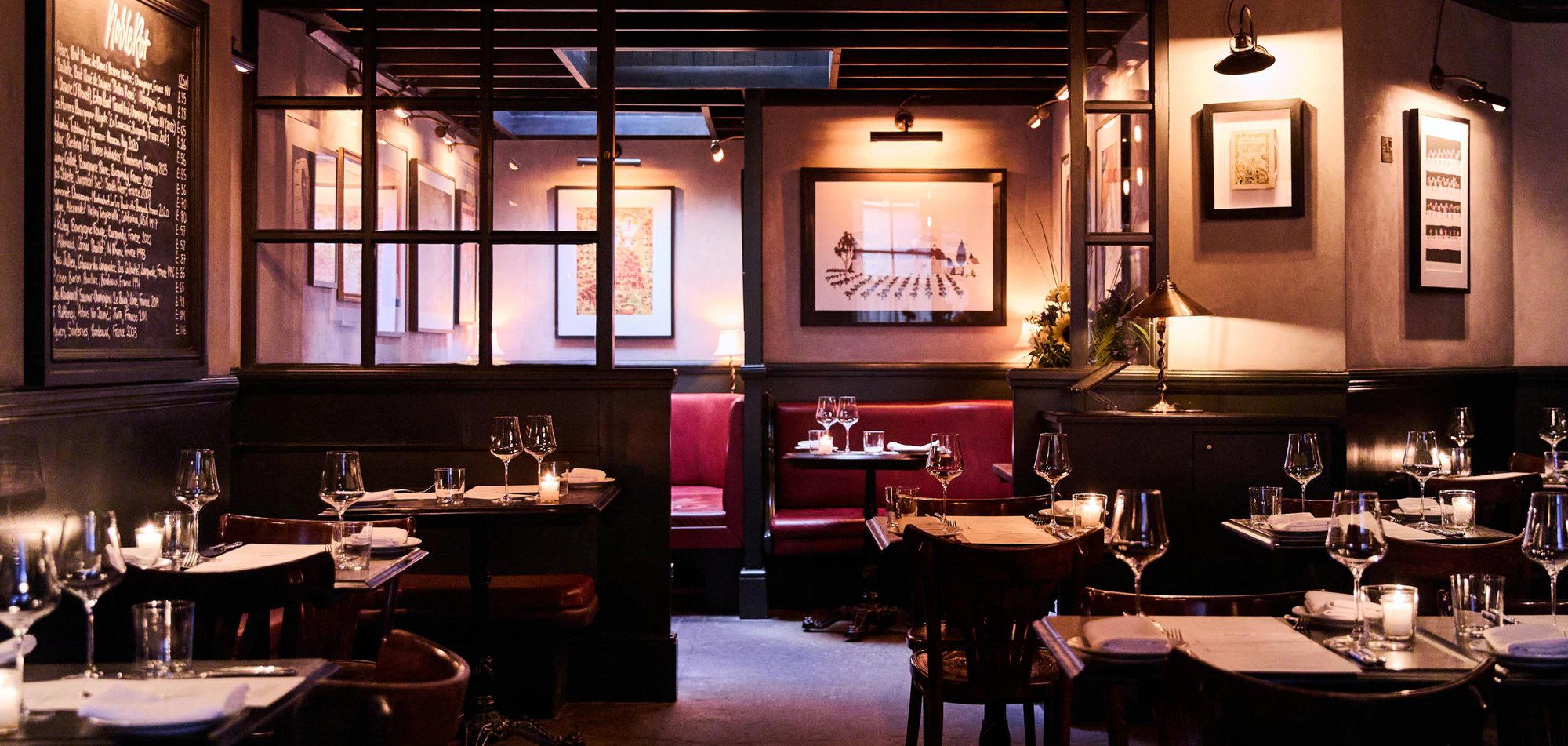
Restaurants in London
Browse all →
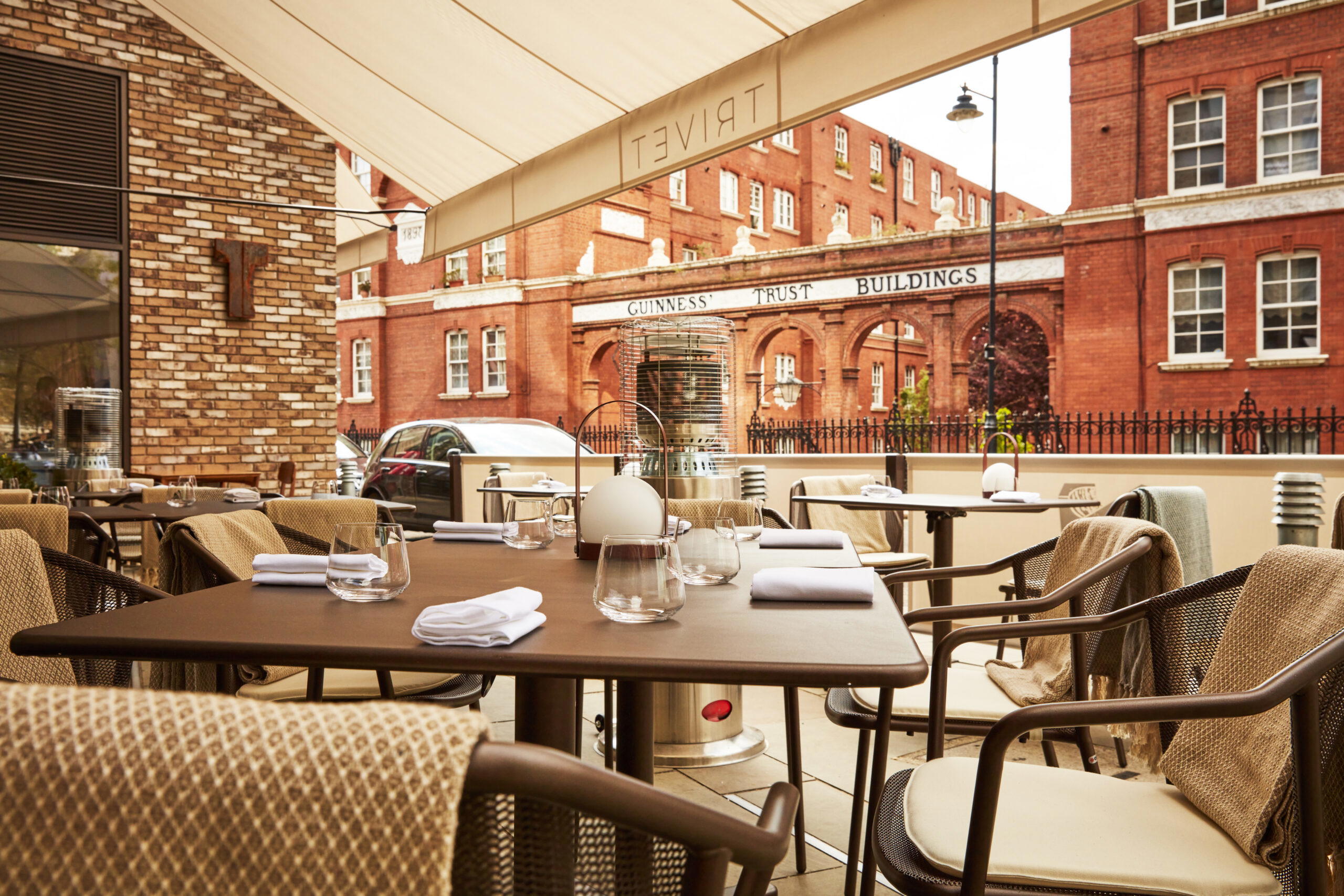
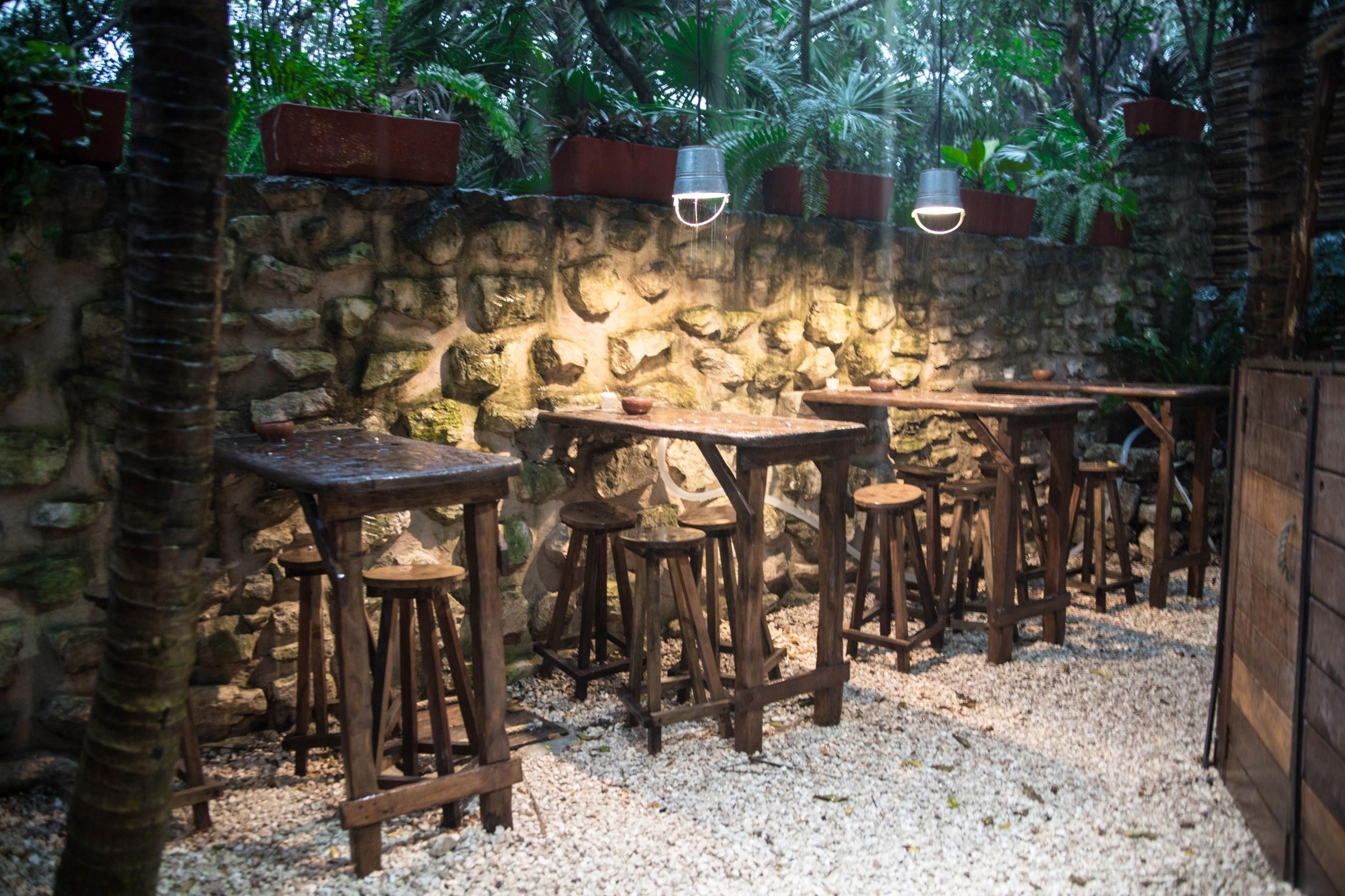
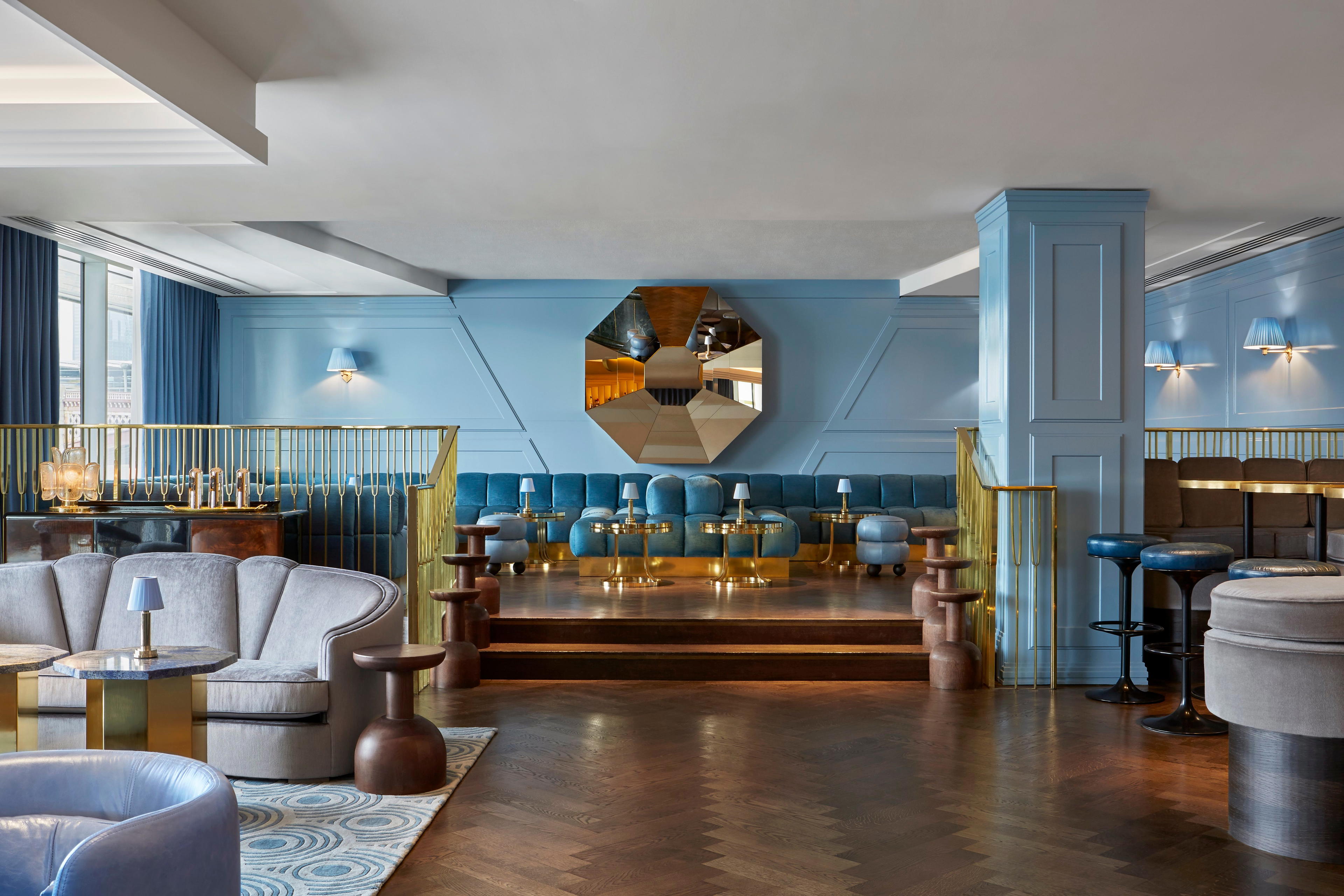
Bars in London
Browse all →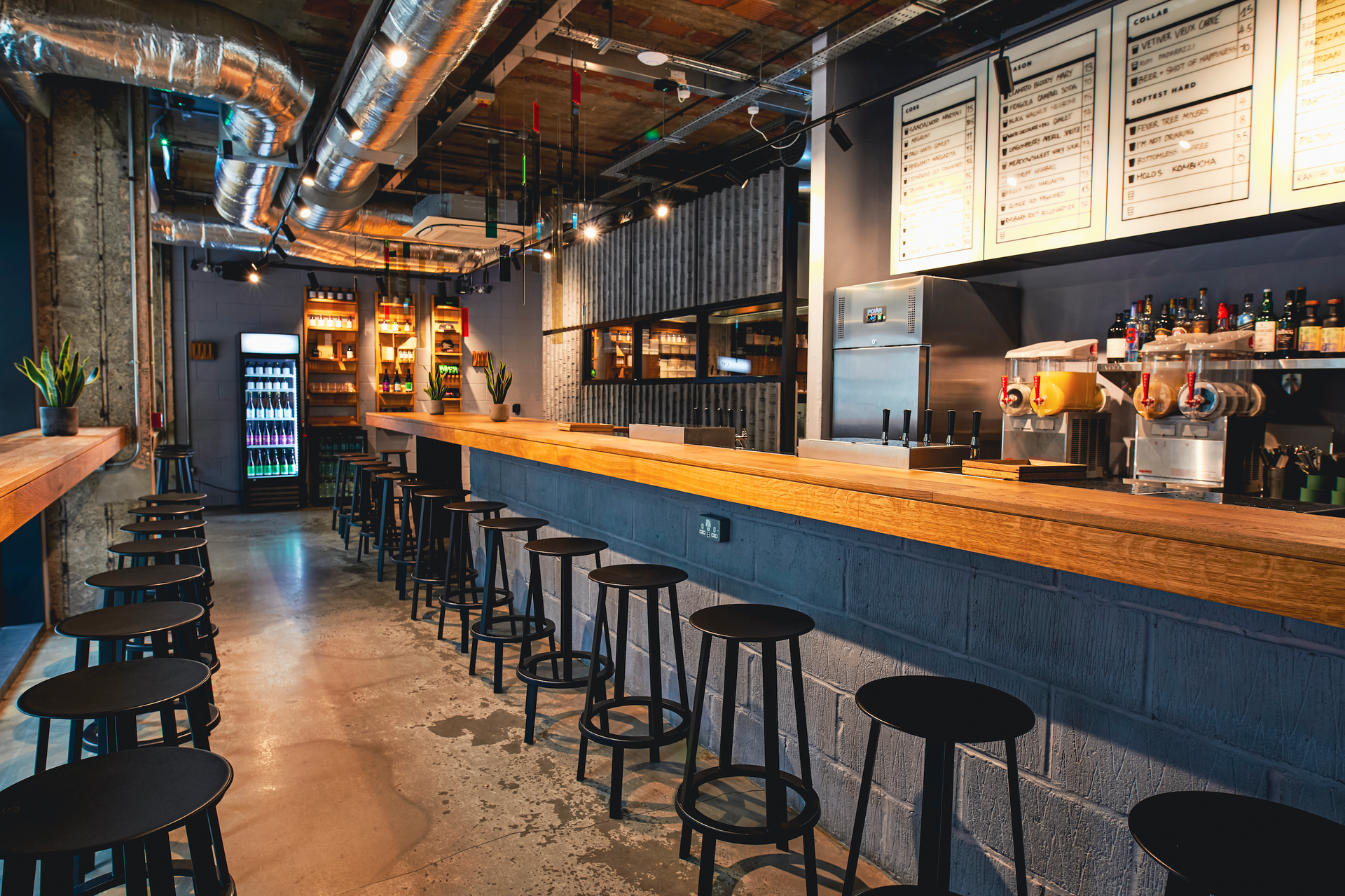
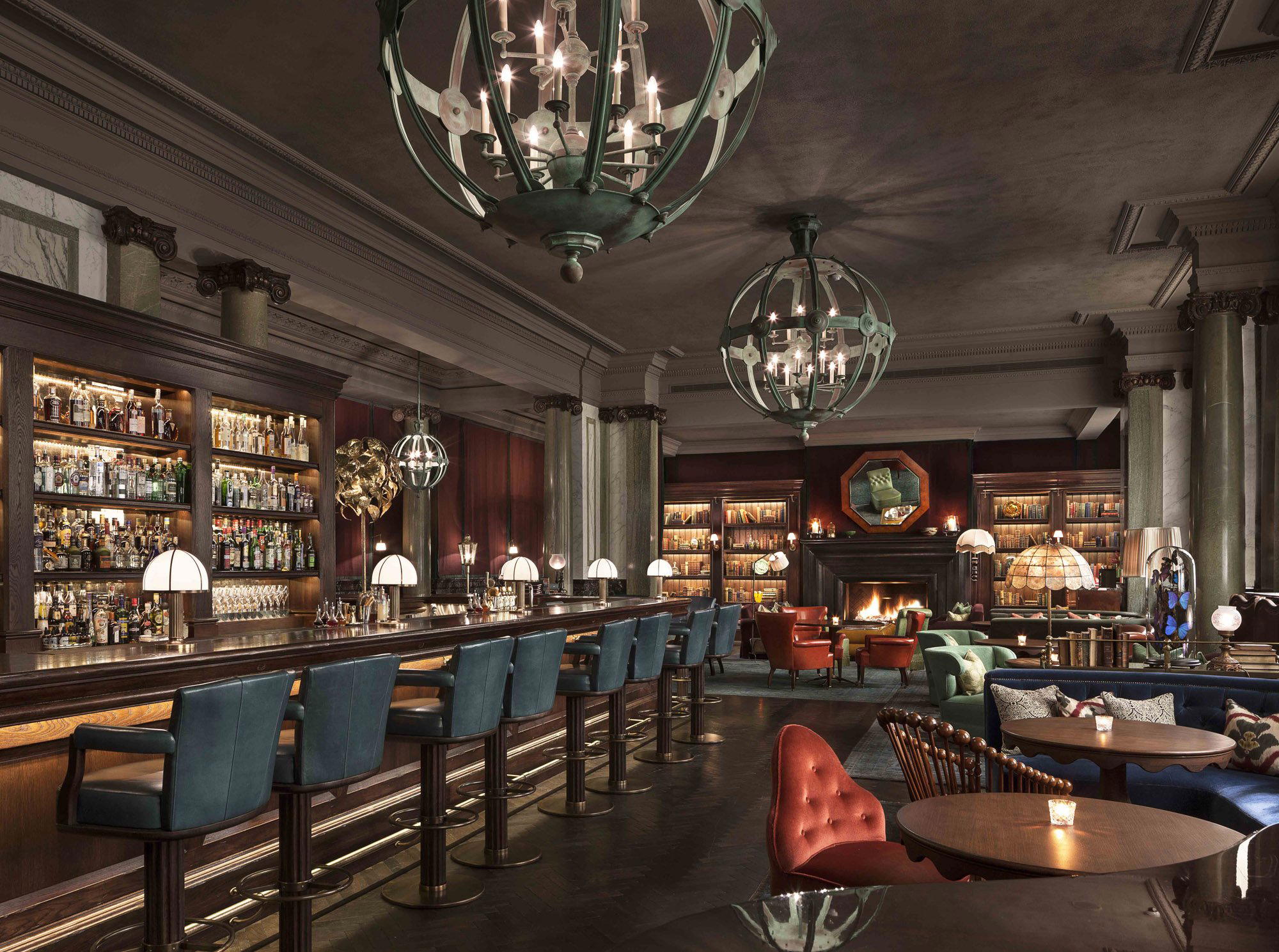
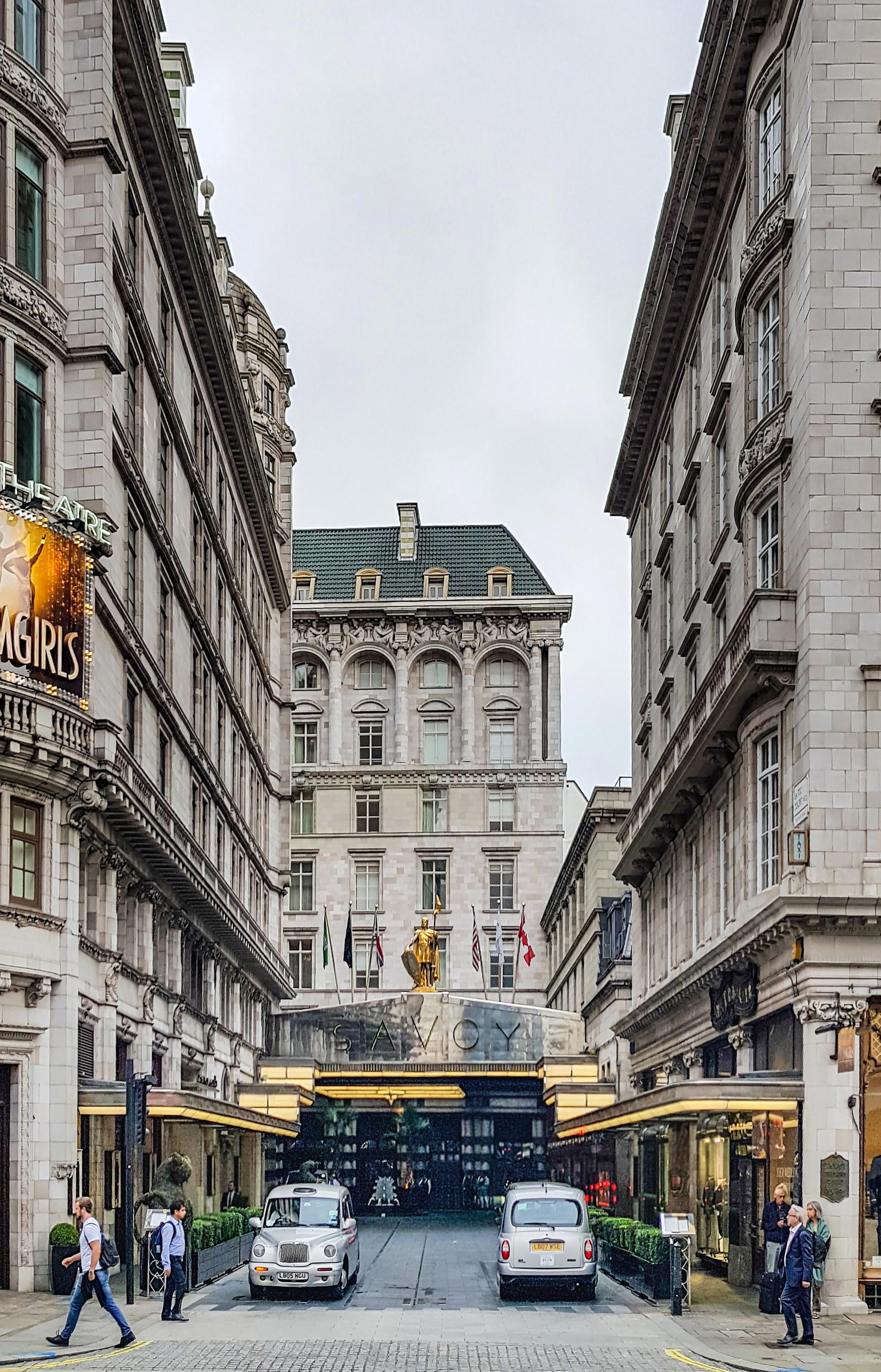
Hotels in London
Browse all →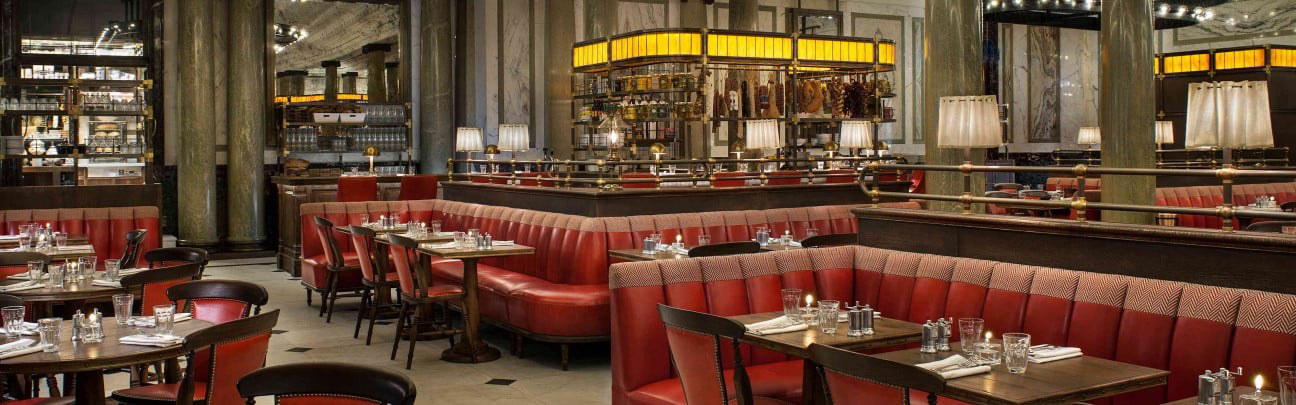



At a Glance
- Lively
- Elegant
- Rustic
- Business Dinner
- Group Dining
- Celebration
- Rooftop
- Open Kitchen
- Terrace
- Historic Building
- Extensive Wine List
- Skyline
Current opening hours
- Monday
- 7:30 AM–11 PM
- Tuesday
- 7:30 AM–11 PM
- Wednesday
- 7:30 AM–11 PM
- Thursday
- 7:30 AM–12 AM
- Friday
- 7:30 AM–12 AM
- Saturday
- 10 AM–11 PM
- Sunday
- Closed
Hours can change for holidays and private events. Last verified .
Lively and bustling with a stylish, rustic warehouse feel; lively ground-floor bar transitions to energetic evenings.
Know Before You Go
- Getting there
- 67-77 Charterhouse St, London EC1M 6HJ, United Kingdom