Sings Restauraunt operates in Djibouti City, a dining environment where the crossroads of East African, Yemeni, and French colonial influences shape what ends up on the plate.
Pearl is the En Primeur Club membership app — saves, bookings, and concierge access live there. Same editors, same standards.
- Address
- Djibouti, Djibouti
- Directions
- Get directions
 Saves & bookings on Pearl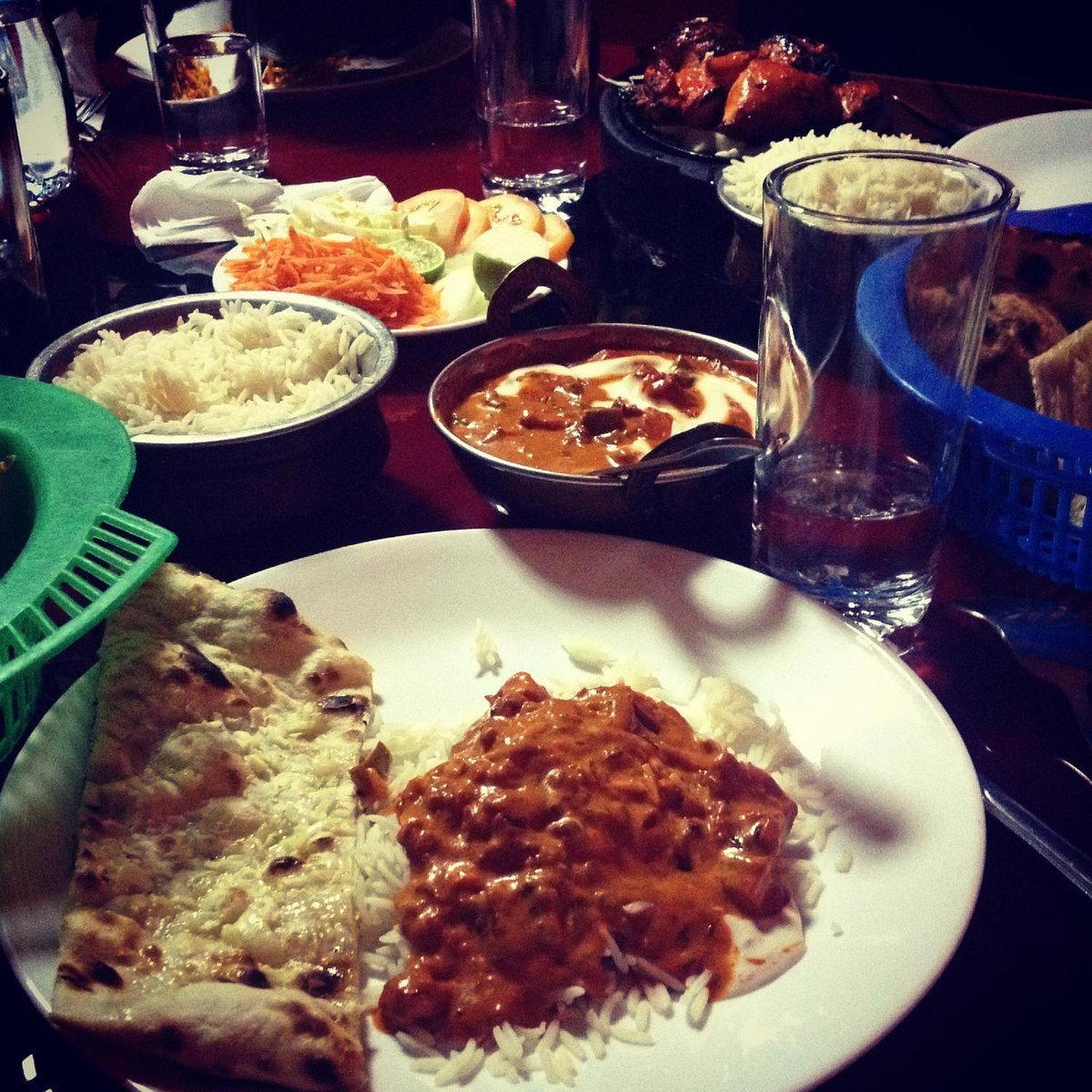
Dining in a City Where the Menu Tells You Where You Are
Djibouti City sits at one of the world's more consequential geographical intersections: the Gulf of Aden narrows here, East Africa meets the Arabian Peninsula, and French colonial administration left an architectural and culinary imprint that still shows up in the city's kitchens. That convergence does not produce a unified cuisine so much as a layered one, where Somali skudahkharis, Yemeni saltah, and French-trained technique can appear within a few city blocks of each other. Sings Restauraunt exists within that layered context, in a city where the dining scene is small enough that individual restaurants carry disproportionate weight in shaping what visitors and residents eat.
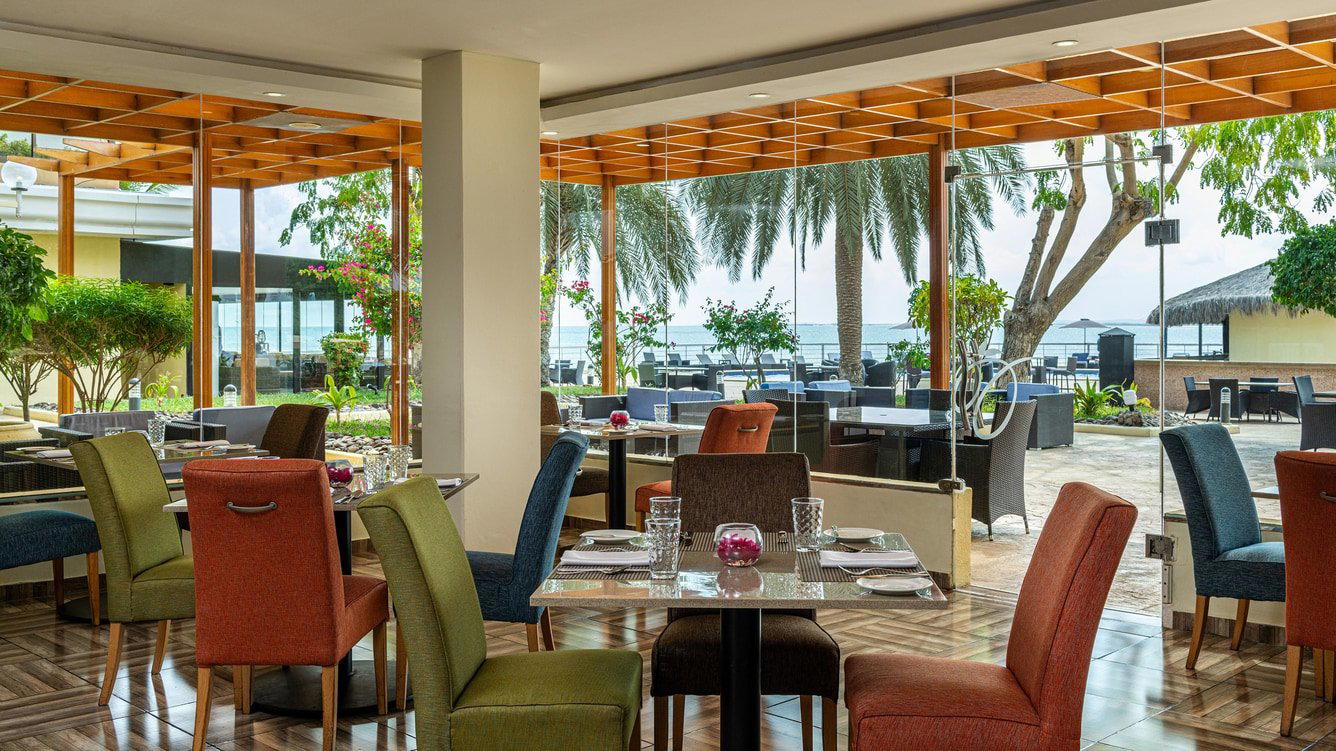
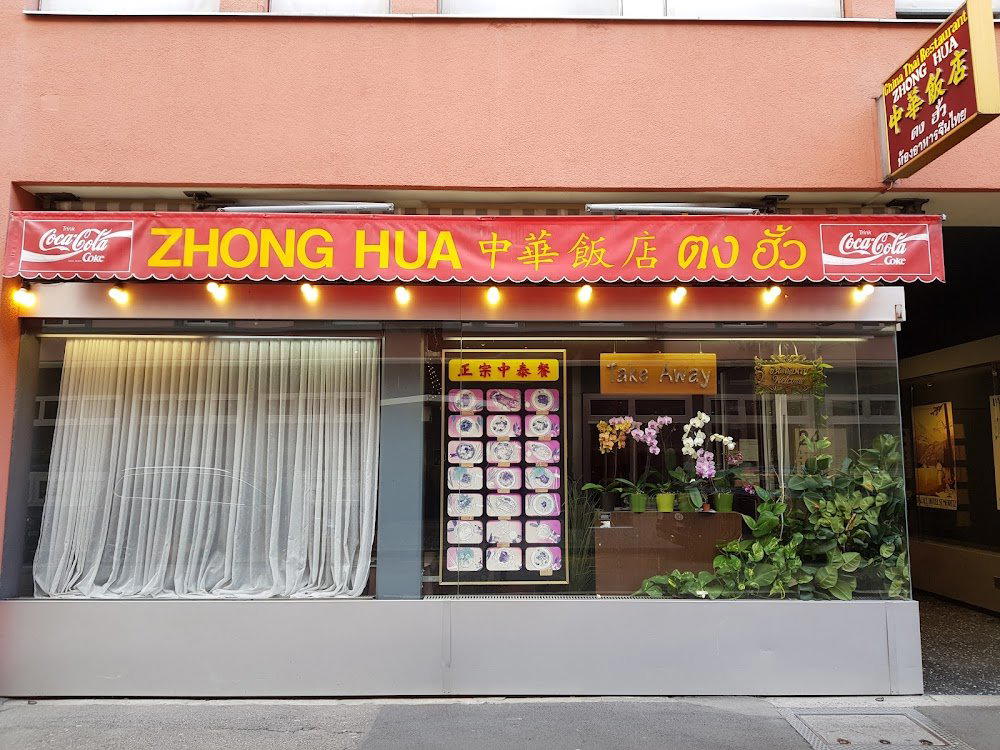
Understanding where a restaurant sits in Djibouti's dining map matters more here than in a city with dozens of comparable options. Yemeni cooking has a strong presence, represented by spots like Janateyn Yemeni Restaurant, which anchors the city's Arabic-influenced dining tradition. French and continental formats appear at addresses like La Chaumière. Hotel dining, structured around international guests and consistent sourcing, has its own tier at venues like Restaurant Sheraton. Chinese cooking, brought by a sizeable expatriate community, fills another niche, most visibly at Restaurant Zhong Hua. Each of these represents a distinct answer to what eating in Djibouti City means. Sings Restauraunt is one more answer, though the specific terms of that answer require on-the-ground verification that the available record does not yet supply.
What Menu Architecture Reveals in a Market Like This
In cities with thin restaurant infrastructure, how a menu is structured communicates a restaurant's actual ambitions more reliably than any single dish. A menu weighted toward grilled proteins and flatbreads signals alignment with the regional Somali and Yemeni tradition that dominates informal eating across the Horn of Africa. A menu that introduces sauced dishes, composed plates, or French-adjacent technique signals a different orientation: toward expatriate diners, international visitors connected to the port and military base economy, or a local upper-middle class audience that has eaten elsewhere and wants that reflected at home.
Djibouti's dining economy is shaped by several structural facts. The country hosts one of the highest concentrations of foreign military personnel per capita in Africa, a consequence of its strategic port position. That demographic creates demand for international reference points in food. Simultaneously, the local population eats within a Somali-Afar culinary framework that prioritises communal portions, slow-cooked meats, and spiced rice dishes. Restaurants that succeed across both audiences typically find a middle register: approachable to the international diner without abandoning the ingredients and cooking methods that give the city's food its character. The menu architecture at a given Djibouti restaurant is, in this sense, a document of who the kitchen thinks it is cooking for.
What the city's dining pattern suggests is that any restaurant operating at a level above the informal street-food tier will need to make deliberate choices about that audience question. Those choices will show up in portion structure, pricing signals, the presence or absence of alcohol, and whether the cooking references the Arabian Peninsula, the African continent, or Europe. Readers planning a visit to our full Djibouti restaurants guide will find broader context for how those choices play out across the city's current options.
The Wider Reference Points Djibouti Dining Invites
Comparing a Djibouti restaurant to the kind of highly documented fine-dining operations that dominate coverage elsewhere requires acknowledging the category difference. Venues like Le Bernardin in New York City, Atomix in New York City, or Alinea in Chicago operate within established critical infrastructure: Michelin inspectors, a deep pool of food journalists, multi-decade institutional memory. Arpège in Paris, Alléno Paris au Pavillon Ledoyen, and Alain Ducasse at Louis XV in Monte Carlo exist within a European fine-dining framework where decades of awards and criticism have established what the benchmark looks like. The same critical scaffolding does not exist for Djibouti. That absence is not a deficit in the food; it is a gap in documentation.
Restaurants in less-covered markets often carry quality that award systems have not yet reached. Aponiente in El Puerto de Santa María spent years cooking serious food before international recognition arrived. Arzak in San Sebastián operated within a Basque culinary tradition that predated its Michelin stars by generations. The point is not that Sings Restauraunt belongs in that company, but that the absence of formal documentation is not the same as the absence of merit. Djibouti's restaurant scene is genuinely undercovered relative to its complexity, and any serious restaurant operating there deserves evaluation on terms the local market sets, not terms borrowed from better-documented cities.
For readers who track how fine dining evolves in under-reported markets, the parallel is instructive. Venues like Amber in Hong Kong and 8 1/2 Otto e Mezzo Bombana in Hong Kong built reputations in a city that had the critical infrastructure to document them. Djibouti does not yet have that infrastructure at scale, which means the restaurants that operate there are, in a real sense, ahead of the coverage.
Planning a Visit: What the Available Information Supports
In Djibouti City, this is less unusual than it would be in a larger market: many restaurants operate without a stable web presence, and information that exists in French or Somali-language local directories does not always surface in English-language travel databases. The practical recommendation is to use local hotel concierge contacts or expatriate community networks for current operating information, both of which tend to hold more reliable real-time data than third-party platforms for this city.
Timing matters in Djibouti beyond the restaurant's own schedule. The city is genuinely hot for much of the year, with temperatures between June and August regularly exceeding 40°C, which compresses outdoor activity and affects when people eat. The cooler window between November and February is when the city sees more visitor traffic and when restaurants tend to be at fuller capacity. Ramadan significantly reshapes the dining calendar, with many establishments adjusting hours and some closing for lunch service entirely during the fasting month. Any visit planned without accounting for the Islamic calendar risks arriving at a changed version of normal operations.
For a broader picture of where Sings Restauraunt fits among Djibouti's current dining options, the EP Club Djibouti guide covers the full range, from Yemeni cooking at Janateyn to French-continental at La Chaumière.
- butter chicken
- chicken 65
- tandoori chicken
- gobi manchuria
- lamb vindaloo
- chicken tikka masala
Reputation First
Comparable venues nearby, for context on price, style, and recognition.
| Venue | Cuisine | Price | Notes |
|---|---|---|---|
| Sings RestaurauntThis venue — the venue you are viewing | Authentic Indian | $$ | Not listed |
| Janateyn Yemeni Restaurant | Authentic Yemeni | $$ | Djibouti |
| Restaurant Sheraton | International with Djiboutian Specialties | $$$ | Plateau de Serpent |
| Restaurant Zhong Hua | Chinese | $$ | Not listed |
| La Chaumière | Asian and European Fusion | $$ | centre ville |
Continue exploring
More in Djibouti
At a Glance
- Casual Hangout
- Group Dining
- Hotel Restaurant
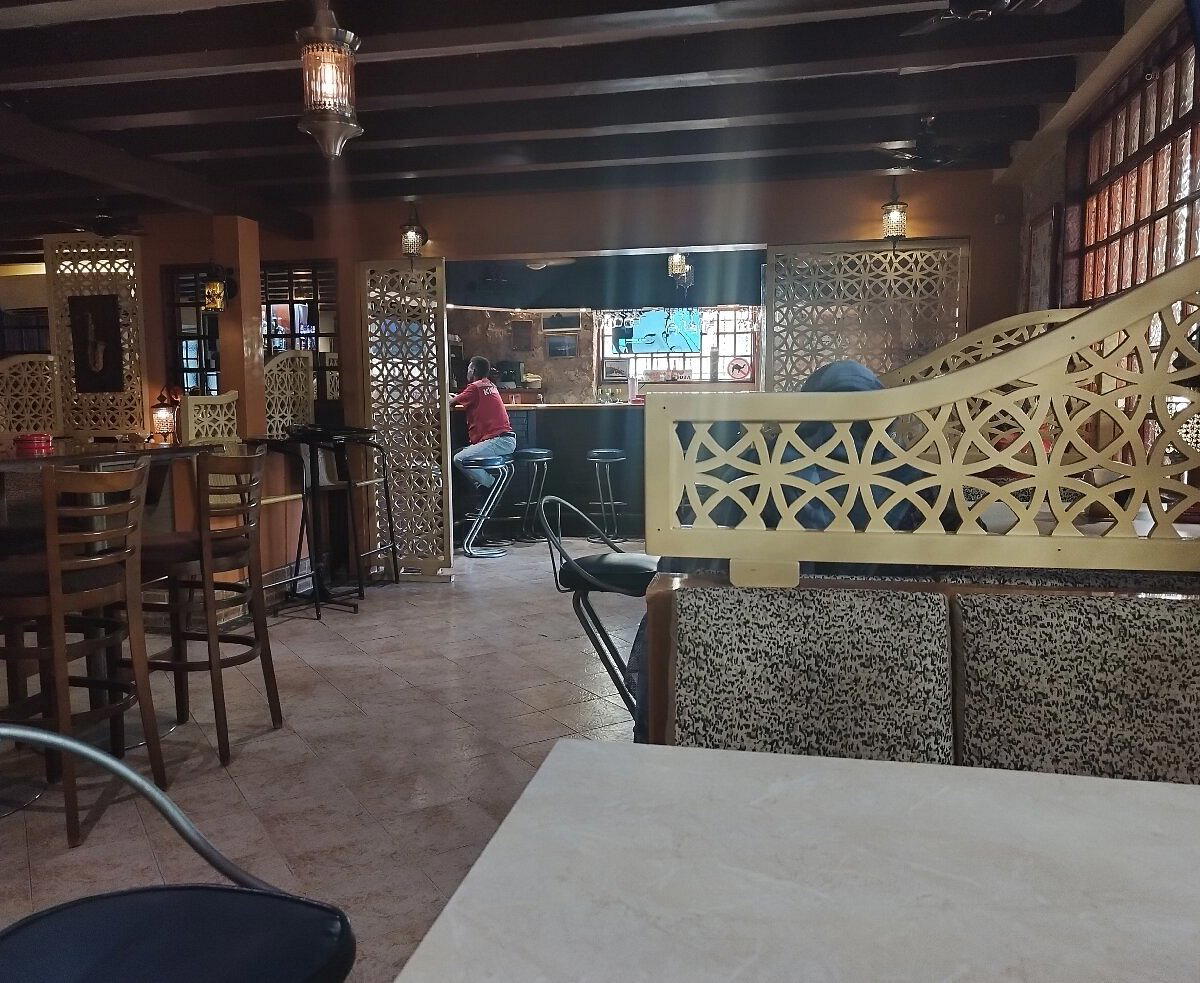
Modest hotel ambiance with friendly service; not luxurious but focused on great food.