On Place du 27 Juin in central Djibouti City, La Chaumière occupies a position few restaurants in the Horn of Africa can claim: a named address in a capital where the dining scene is shaped by French colonial legacy, Yemeni trade routes, and the appetites of a rotating international garrison. Among the small cluster of established restaurants serving the city's expatriate and diplomatic communities, it represents a French-inflected option in a city where such choices remain scarce.
Pearl is the En Primeur Club membership app — saves, bookings, and concierge access live there. Same editors, same standards.
- Address
- Place du 27 Juin, Djibouti
- Directions
- Get directions
 Saves & bookings on Pearl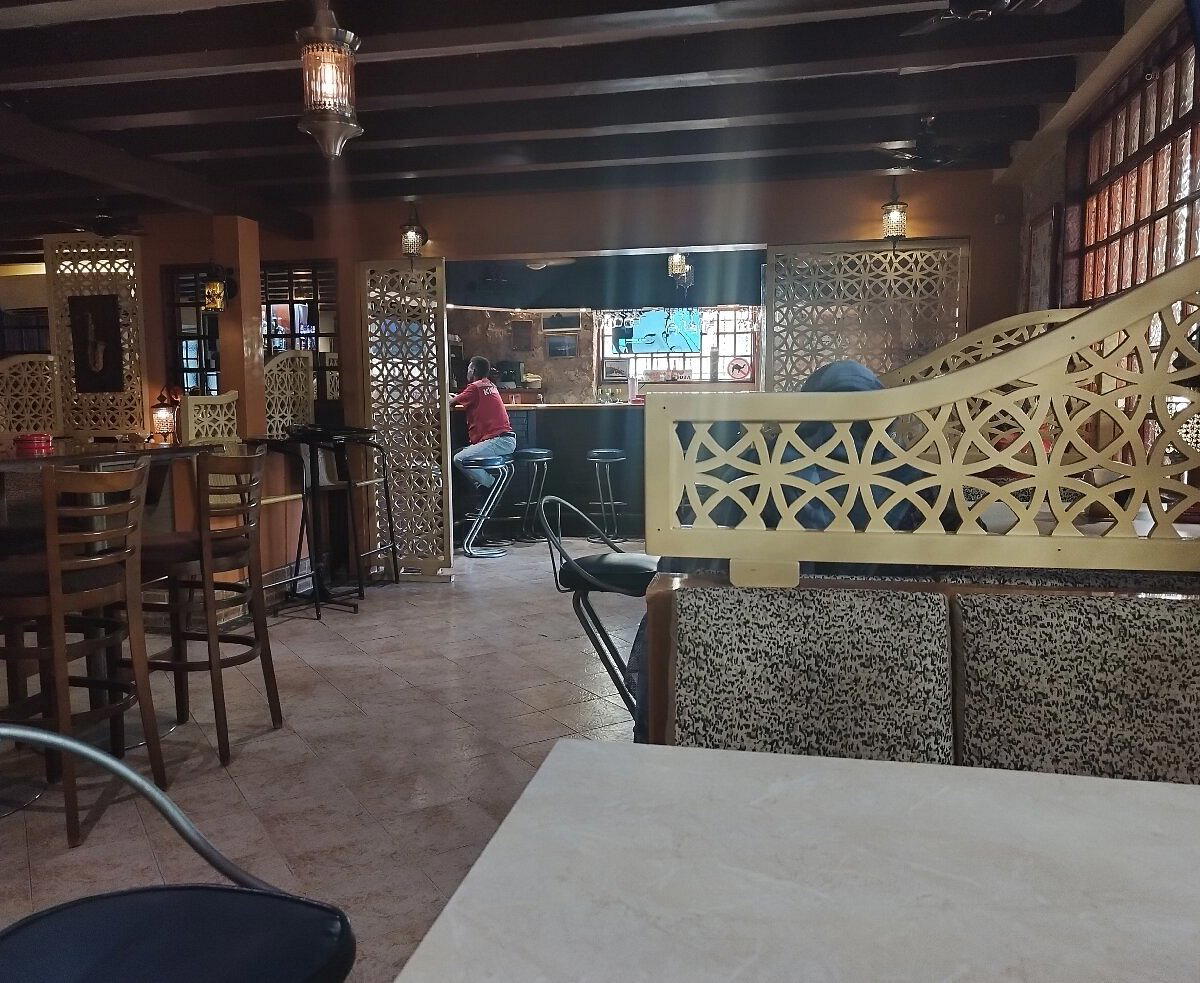
Place du 27 Juin and What It Means for a Restaurant
In Djibouti City, addresses carry weight in a way that differs from larger capitals. The city is compact, the population concentrated, and the dining infrastructure thin enough that location functions as a statement of intent. Place du 27 Juin, named for the date of Djiboutian independence in 1977, sits at the civic heart of the capital. A restaurant holding that address is not quietly tucked away from the flow of the city; it is positioned at a point where the French colonial urban grid, the modern state's symbolic geography, and the daily movement of diplomats, soldiers, and traders intersect.
That context matters when assessing La Chaumière. In a city where the restaurant scene is small enough that a handful of establishments define the entire upper tier, the choice of location signals an orientation toward the expatriate and diplomatic community that has long anchored Djibouti's formal dining economy. The French military maintains a significant permanent presence in Djibouti, alongside American, Japanese, and Chinese bases, and the appetite for European-style dining among that rotating population has historically supported a narrow band of restaurants that would be unremarkable in Paris or Lyon but are consequential here.
Djibouti's Dining Scene: The Structural Context
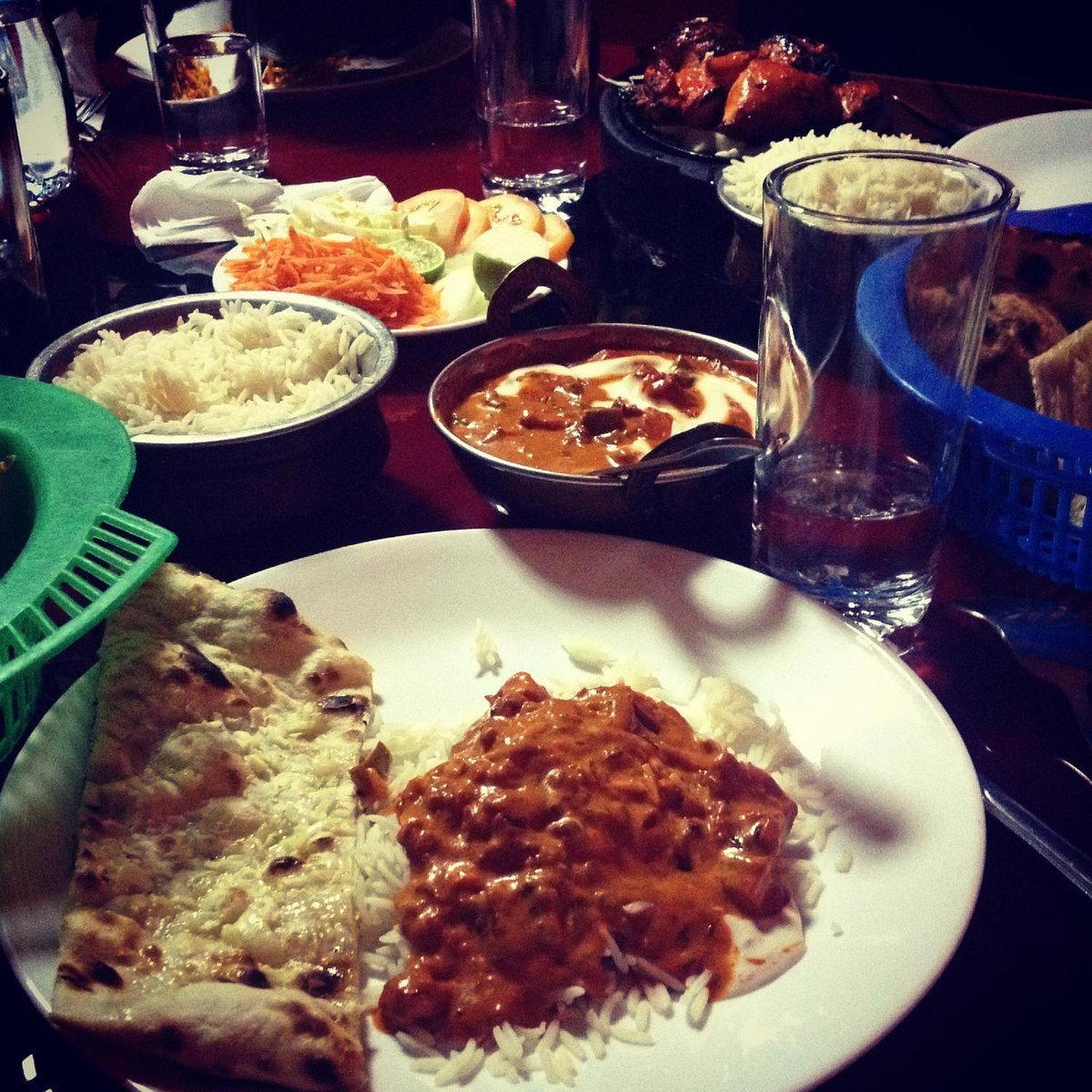
To understand where La Chaumière sits, it helps to understand what Djibouti's restaurant market actually looks like. The city's food culture divides into at least three distinct registers. At street level and in the older neighbourhoods, Somali and Afar cooking dominates: braised meats, injera-adjacent flatbreads, spiced rice dishes with a clear lineage from the broader Horn of Africa. One tier up, Yemeni restaurants have long served the city's substantial Yemeni-origin merchant community, with Janateyn Yemeni Restaurant representing that tradition in a more formal setting. Then there is the internationalist tier, where French-inflected restaurants, hotel dining rooms, and a handful of Asian options serve the expatriate garrison and the NGO circuit.
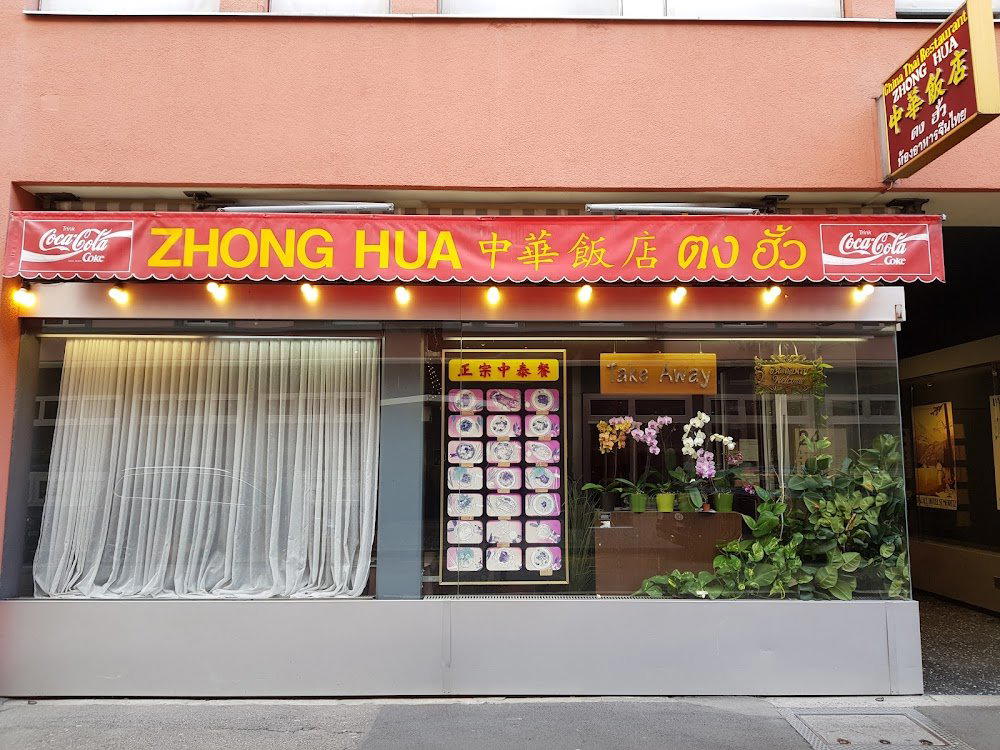
La Chaumière occupies the French end of that third register. It is not competing with Janateyn for local Yemeni-community diners, nor with Restaurant Zhong Hua for the Chinese diaspora market, nor with Sings Restauraunt for those seeking pan-Asian formats.
In cities like this, that position carries specific obligations and specific limitations. The supply chain for premium ingredients is constrained. Djibouti imports the majority of its food, with the port being one of the city's primary economic functions. That means a French-style restaurant here is always working against a logistics reality that its counterparts in Paris or Marseille simply do not face. The restaurants at this level in cities like Djibouti tend to succeed or fail on consistency and relationship, not on the kind of seasonal menu rotation or ingredient provenance storytelling that defines the premium tier in larger markets. Compare the pressure those kitchens absorb to the sourcing infrastructure available to, say, Arpège in Paris or Alain Ducasse at Louis XV in Monte Carlo, and the operational gap becomes clear.
What French-Inflected Dining Means in This Context
The French culinary presence in Djibouti is a direct inheritance of the colonial period, when the territory was administered as French Somaliland and then the French Territory of the Afars and Issas before independence. French remained the official language alongside Somali and Afar, and the institutional infrastructure of the military and diplomatic presence maintained a consistent demand for recognisably French dining formats. That demand did not disappear at independence; it was sustained and in some respects reinforced by the expansion of Djibouti's role as a strategic military hub in the post-2001 period.
The result is that French-coded restaurants in Djibouti occupy a different cultural position than they would in, say, Nairobi or Addis Ababa. They are not aspirational imports or fine-dining novelties; they are part of the city's functional dining infrastructure, serving a community that treats them as a regular rather than occasional resource. That makes the category more durable but also more utilitarian than the same format would be in a larger capital with a broader upmarket dining scene.
For context on what the French fine-dining tradition looks like at its most technically demanding, EP Club covers venues from Alléno Paris au Pavillon Ledoyen to Le Bernardin in New York. La Chaumière is not operating in that register, nor is it attempting to. It is operating in the register that makes sense for its city, which is a different calculation entirely.
Planning a Visit: Practical Considerations
Djibouti City's restaurant infrastructure does not support the kind of advance booking pressure found in markets like Hong Kong, where restaurants such as 8½ Otto e Mezzo Bombana or Amber require weeks of lead time. The dynamics here are different. The expatriate and diplomatic community is relatively stable in size, the tourist volume is modest by regional standards, and the upper tier of restaurants is not oversubscribed in the way that comparable venues are in larger cities. That said, the city's dining capacity at the formal end is thin enough that arriving without any prior contact during a peak period, such as when a major regional summit is in session or during the busiest months of the military rotation cycle, carries some risk. Reaching out in advance through whatever contact is available remains prudent.
The address on Place du 27 Juin makes La Chaumière straightforwardly accessible from the main hotels and the diplomatic quarter. Djibouti City is small enough that the centre is navigable on foot or by short taxi ride from most accommodation. The city's climate is among the most demanding in the world, with temperatures regularly exceeding 40°C in the summer months and humidity that compounds the heat. Visiting between November and February, when temperatures are comparatively moderate, makes the city considerably more manageable as a destination.
Those travelling to Djibouti for the first time should consult our full Djibouti restaurants guide for broader orientation across the city's dining options. The guide maps the full range from local Somali and Afar cooking to the city's international and hotel restaurant tier, which helps calibrate expectations before arrival.
Continue exploring
More in Djibouti
At a Glance
- Cozy
- Rustic
- Casual Hangout
- Family
- Terrace
- Beer Program
- Street Scene
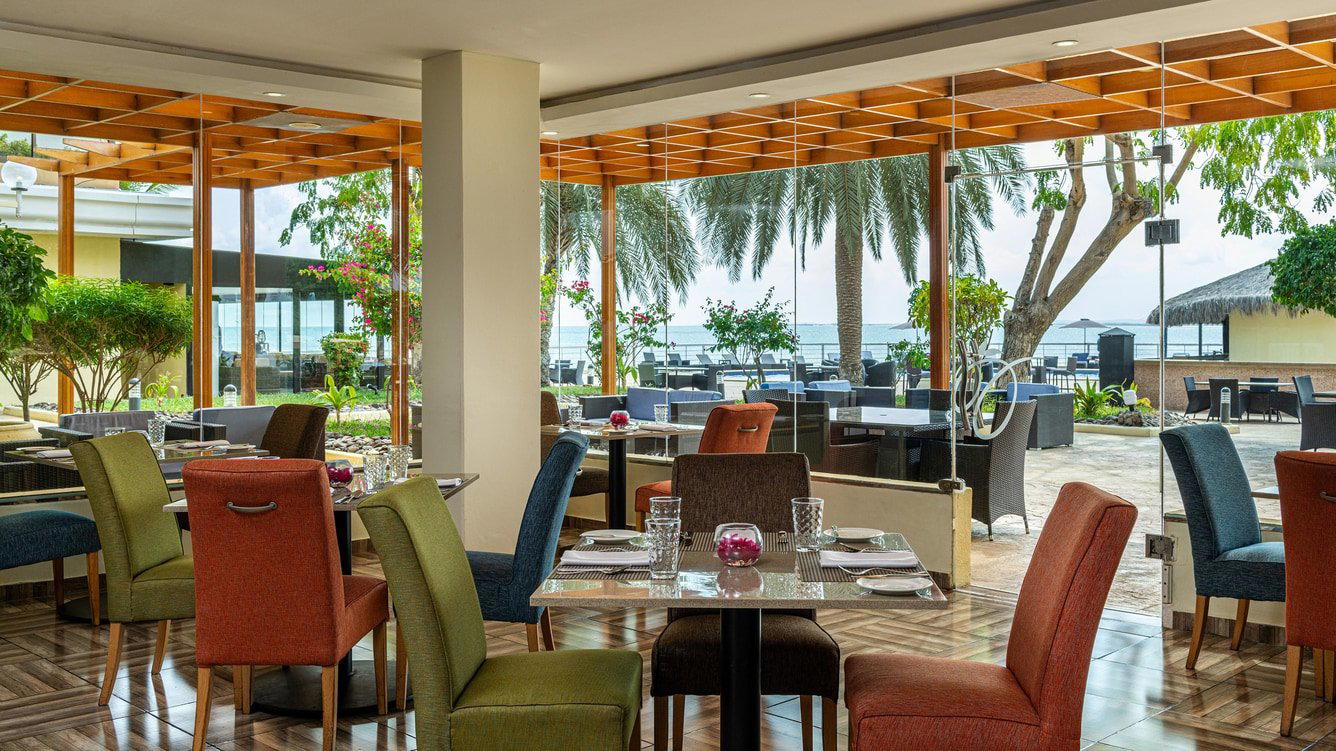
Warm and inviting atmosphere with a familial vibe, terrace under arcades and air-conditioned interior dining.
Know Before You Go
- Getting there
- Place du 27 Juin, Djibouti