Restaurant Zhong Hua brings Chinese cooking to Djibouti City, occupying a distinct position in a dining scene otherwise shaped by Yemeni, French, and pan-African traditions. In a city where international restaurants remain sparse, a dedicated Chinese table offers a noticeably different set of references — from the pacing of dishes to the logic of the menu. Confirm details directly before visiting, as operational information is limited.
Pearl is the En Primeur Club membership app — saves, bookings, and concierge access live there. Same editors, same standards.
- Address
- Djibouti
- Directions
- Get directions
 Saves & bookings on Pearl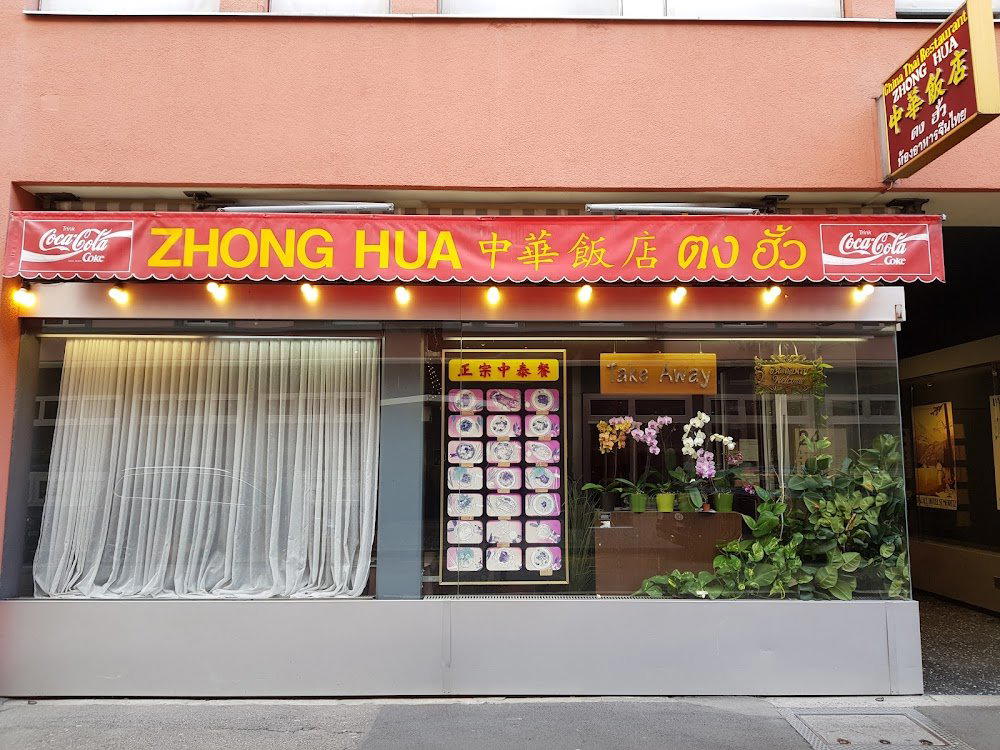
Chinese Dining in Djibouti: A Different Set of Rules
Djibouti City's restaurant scene is smaller than its geographic significance might suggest. Positioned at the mouth of the Red Sea, the city has long functioned as a logistics and military hub, drawing a rotating cast of nationalities whose food preferences have gradually shaped what gets served here. The dominant registers are Yemeni, French colonial, and pan-African — traditions with deep local roots. Against that backdrop, a Chinese restaurant is not simply a different cuisine; it is a structurally different dining ritual, one that arrives with its own grammar of ordering, pacing, and table etiquette.
Restaurant Zhong Hua occupies that position in Djibouti. What the restaurant represents, however, is legible within the broader context of how Chinese restaurants function outside China, particularly in cities with significant expatriate and transient professional populations.
The Ritual Logic of a Chinese Table
The customs that govern a Chinese meal are meaningfully different from the Francophone sequencing that still influences much of Djibouti's formal dining culture. Where a French-inflected meal moves in strict courses, entrée, plat, dessert, a Chinese table typically operates through simultaneity. Dishes arrive in clusters, are placed at the centre, and are shared. The table itself becomes the composition, with diners building their own plates from a spread that might include something bright and acidic alongside something braised and deep. There is no single protagonist dish; balance across the spread is the point.
This shared-plate logic has practical implications for how you approach ordering. Two diners ordering the same number of dishes as a table of five will eat poorly, not because the portions are small, but because the architecture of the meal requires range. The convention in Chinese restaurant dining, whether in Hong Kong, London, or Djibouti, is to over-order slightly and eat from the middle, not the plate. For diners more familiar with individual plating, this can feel counterintuitive at first. It is, however, one of the more socially collaborative formats in any dining tradition.
Compare this to the ordering logic at heavily decorated addresses like Atomix in New York City or Alinea in Chicago, where the kitchen controls the sequence entirely and individual pacing is built into the format. At a Chinese table, that control sits with the diners themselves, a meaningful difference in agency that experienced travellers often appreciate.
Where Zhong Hua Sits in Djibouti's Dining Tier
Djibouti's restaurant options for sit-down, table-service dining are concentrated enough that each venue occupies a fairly clear position. Janateyn Yemeni Restaurant draws on one of the region's most deeply embedded food traditions, offering dishes shaped by centuries of trade route cuisine. La Chaumière leans into the French culinary inheritance that remains present across much of Francophone East Africa. Restaurant Sheraton operates within the international hotel format, with the consistency and cost structure that implies. Sings Restauraunt adds another layer to this compressed but genuinely varied scene.
Restaurant Zhong Hua sits apart from all of these on the axis of culinary origin, which in a city this size is itself significant. Chinese cooking carries a particular practical advantage for groups with varied dietary habits: the menu's breadth, across protein types, preparation methods, and flavour registers, tends to accommodate more preferences within a single meal than a cuisine built around a narrower pantry. This is not a small consideration when you are feeding a table of colleagues or travel companions with different requirements.
For broader context on Djibouti's dining options, including venue comparisons and neighbourhood notes, see our full Djibouti restaurants guide.
How Chinese Restaurant Formats Travel
Chinese restaurants in diaspora settings, cities where Chinese cooking is represented but not dominant, tend to cluster in one of two modes. The first is the adaptation model: menus calibrated to local tastes, with familiar local ingredients standing in for harder-to-source Chinese ones, and heat levels or seasoning profiles adjusted for the anticipated diner. The second is the preservation model: a kitchen that maintains the sourcing and technique discipline of a regional Chinese style regardless of where it is operating, often serving a core expatriate community while also drawing curious outsiders.
What is generally true of Chinese restaurants operating in small-market settings like Djibouti is that the menu scope tends to be tighter than you would encounter in, say, a large Cantonese house in Hong Kong, venues like 8½ Otto e Mezzo Bombana or Amber reflect the density and competition of one of the world's most sophisticated dining markets. Djibouti's scale means fewer options and less pressure to specialise narrowly, which often produces menus with broader geographic range but less depth in any single regional style.
For reference points at the decorated end of the global dining spectrum, it is worth understanding what Michelin-starred addresses across Europe and North America, from Arpège in Paris to Le Bernardin in New York City to Arzak in San Sebastián, share in common: a deeply defined culinary identity and a kitchen operating within a narrow, mastered repertoire. The context in Djibouti is different at every level of scale, competition, and supply chain. That is not a criticism; it is simply the operating reality of restaurants in smaller markets, and understanding it sets accurate expectations.
Planning Your Visit
The most reliable approach is to ask at your hotel, staff at international-standard properties will typically have current information, or to visit in person during what would be standard lunch or dinner service hours in the region. Reservations may or may not be required depending on the time of year and current occupancy, but in a city where Chinese dining options are limited, demand at peak hours can be higher than the physical size of the room accommodates.
Visitors arriving via the international community, military personnel, port logistics professionals, NGO workers, form a significant share of the non-Djiboutian dining public in the city, and Chinese restaurants in this context often develop a loyal repeat clientele. Walk-in availability may be more reliable earlier in the week or at off-peak hours.
Cuisine Context
Comparable venues nearby, for context on price, style, and recognition.
| Venue | Cuisine | Price | Notes |
|---|---|---|---|
| Restaurant Zhong HuaThis venue — the venue you are viewing | Chinese | $$ | Not listed |
| Janateyn Yemeni Restaurant | Authentic Yemeni | $$ | Djibouti |
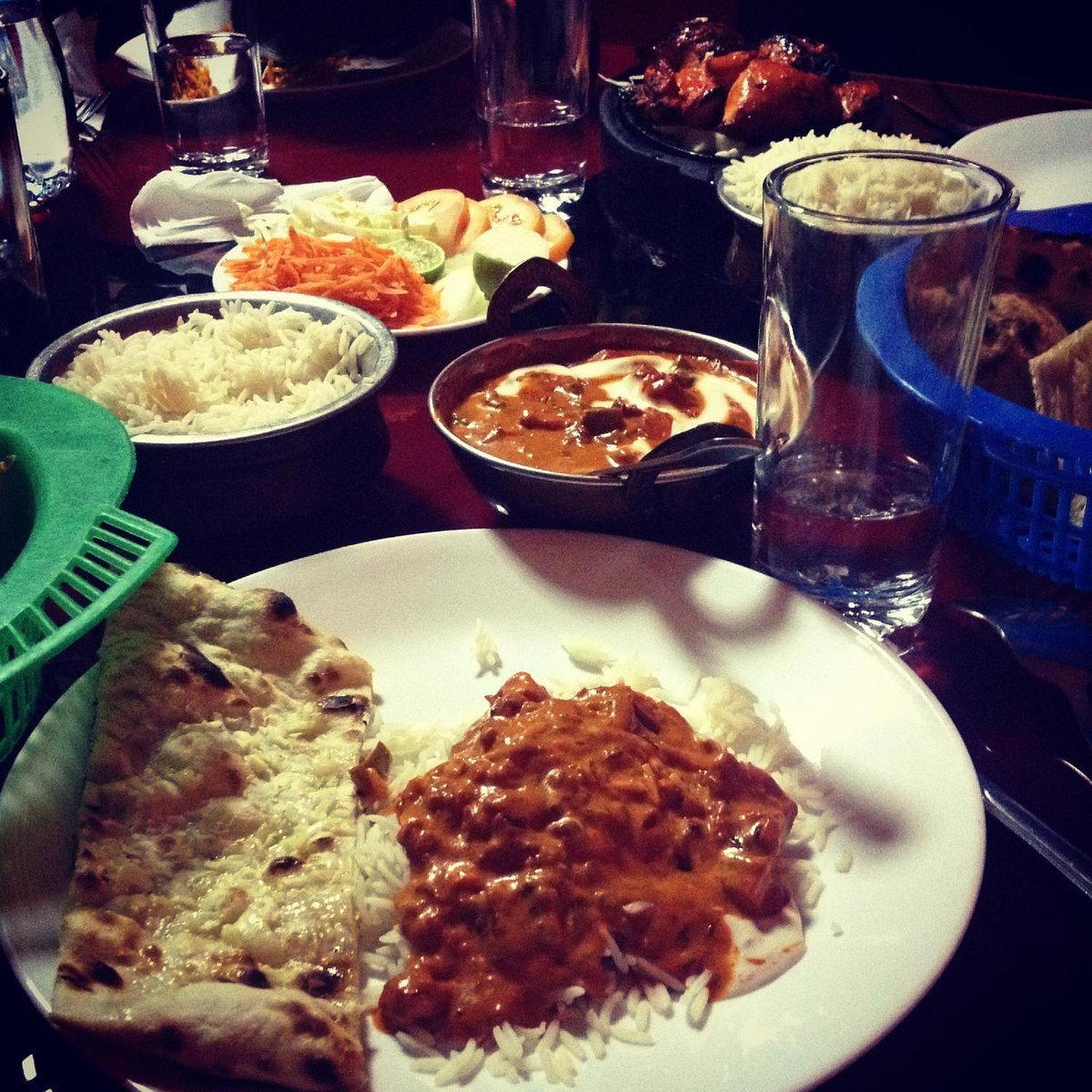
| Sings Restauraunt | Authentic Indian | $$ | Plateau du Serpent |
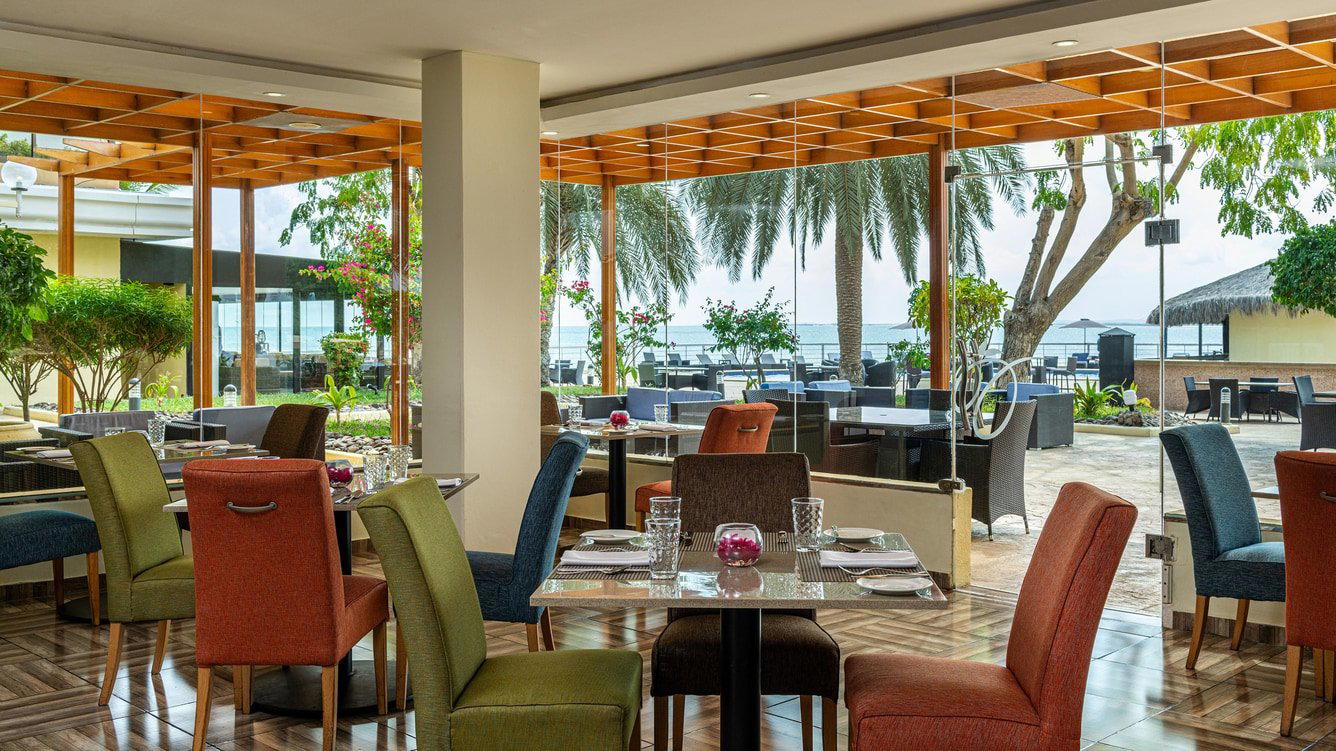
| Restaurant Sheraton | International with Djiboutian Specialties | $$$ | Plateau de Serpent |
| La Chaumière | Asian and European Fusion | $$ | centre ville |
Continue exploring
More in Djibouti
At a Glance
Know Before You Go
- Getting there
- Djibouti