Restaurant Sheraton operates in Djibouti City, a port capital where French colonial cooking traditions, Somali-influenced spice work, and Yemeni culinary crosscurrents have converged for decades. The restaurant sits within a hotel context that has long served as a gathering point for the city's diplomatic and business community, placing it at an intersection of international expectation and East African coastal reality.
Pearl is the En Primeur Club membership app — saves, bookings, and concierge access live there. Same editors, same standards.
- Address
- Djibouti
- Directions
- Get directions
 Saves & bookings on Pearl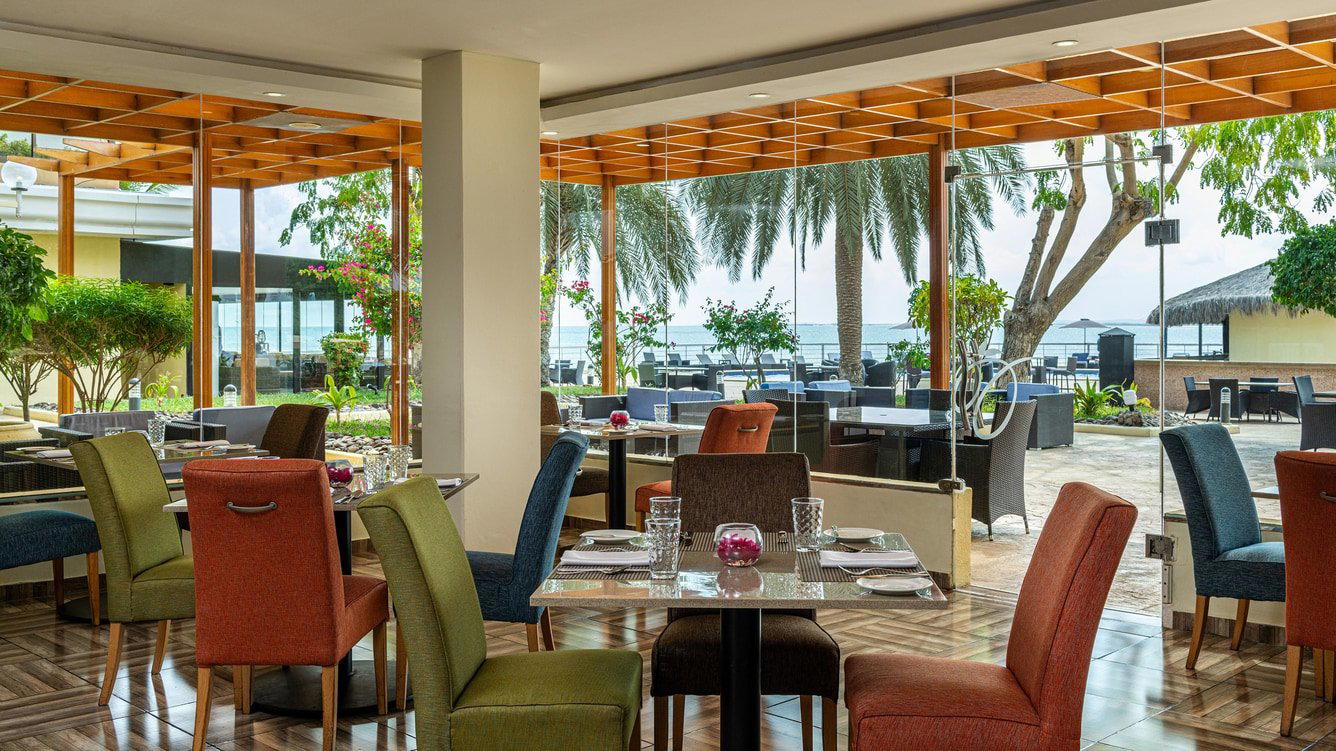
Where the Red Sea Trade Routes Still Set the Table
Djibouti City occupies one of the more geopolitically concentrated positions on the planet: a small French-speaking republic wedged between Eritrea, Ethiopia, and Somalia, facing Yemen across the narrowest stretch of the Red Sea. That geography has never been incidental to how the city eats. For centuries, the Gulf of Aden served as a corridor for spice traders, fishermen, and merchants moving between the Arabian Peninsula and the Horn of Africa, and those movements left a culinary record that persists in Djibouti's restaurants today. Hotel dining rooms in this city have historically functioned differently than their equivalents in larger capitals: in a market with limited dedicated fine-dining infrastructure, the hotel restaurant often becomes the default venue for business meals, diplomatic gatherings, and the kind of occasion eating that elsewhere would happen at a standalone address.
Restaurant Sheraton sits inside that tradition. The Sheraton brand's presence in Djibouti places it within a small tier of internationally affiliated properties serving a city where the resident expatriate community, the French military presence, and a rotating cast of NGO workers and port logistics professionals create steady demand for a certain kind of reliable, internationally legible dining. That is a different brief than the one facing, say, Le Bernardin in New York City or Arpège in Paris, where the competitive set is dense and the guest arrives with calibrated expectations shaped by decades of critical discourse. In Djibouti, the restaurant's role is partly infrastructural: it provides a context in which international visitors can eat with confidence, and in which the local dining occasion can unfold against a backdrop of some consistency.
The Culinary Register of the Horn of Africa
Understanding what a restaurant in Djibouti City can and should be requires some grounding in the culinary traditions that define the region. Djiboutian cooking draws most heavily from Somali and Afar traditions, with significant Yemeni influence introduced through centuries of cross-Gulf migration. Lamb, goat, and camel meat appear alongside heavily spiced rice dishes that carry the cardamom and cumin signatures of Yemeni cooking. Skudahkharis, a spiced rice and meat preparation, represents one of the region's most recognisable dishes. Fresh fish from the Gulf of Aden and the Red Sea, particularly tuna, grouper, and various reef species, form the basis of coastal cooking that has more in common with East African and Yemeni seafood traditions than with anything from the French Mediterranean, despite France's long administrative presence in the territory.
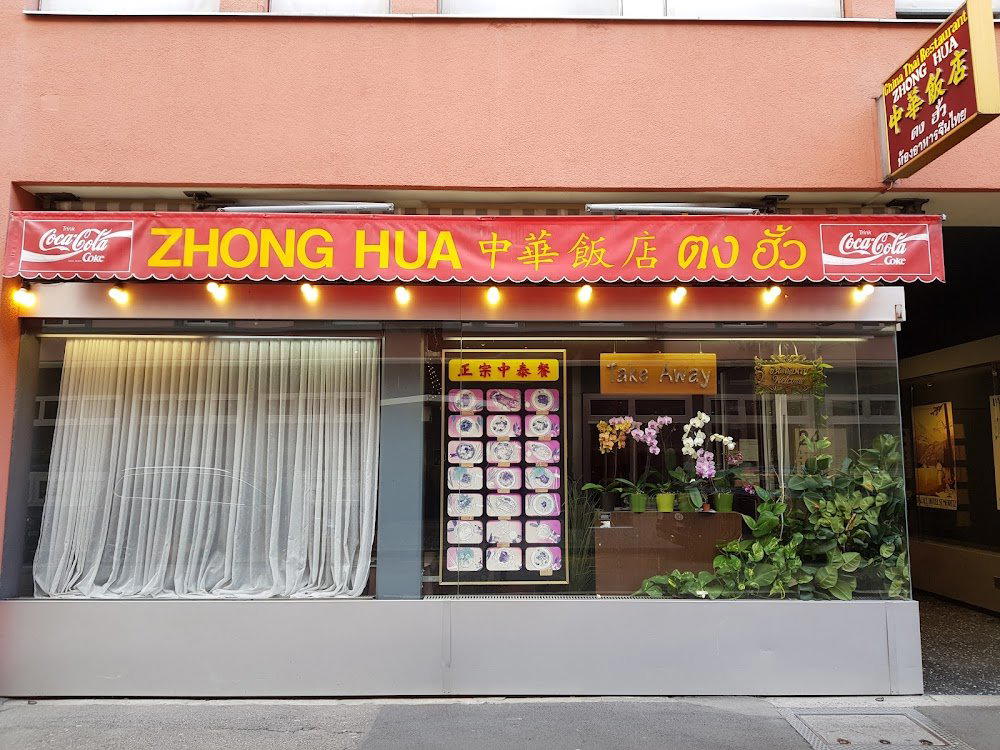
That French dimension is nonetheless real and worth noting. Djibouti was a French colony until 1977, and the influence of French culinary culture on the city's formal dining sector remains visible: in the bread served alongside meals, in the presence of French wines on lists where any wine appears at all, and in the structure of service at hotel restaurants where European hospitality norms were installed and have persisted. Restaurants like La Chaumière represent the more purely French-inflected end of Djibouti's dining spectrum, while addresses like Janateyn Yemeni Restaurant anchor the Yemeni tradition that runs through much of the city's everyday eating. Restaurant Zhong Hua speaks to the Chinese community that has grown substantially with infrastructure investment, while Sings Restauraunt adds another layer to a dining scene that, for its modest size, carries a genuine multi-directional cultural complexity.
Hotel Dining in a Strategic Port City
The context of hotel dining in a city like Djibouti is worth examining against the broader pattern of how hotel restaurants function in markets without deep standalone dining cultures. In cities such as Hong Kong or Monte Carlo, hotel restaurants like 8 1/2 Otto e Mezzo Bombana or Alain Ducasse at Louis XV compete on the same terms as the strongest standalone addresses, accumulating awards and critical recognition that place them within a global conversation. The hotel restaurant in Djibouti City operates in a fundamentally different register: the relevant metrics are reliability, range, and the ability to serve a heterogeneous clientele whose dining priorities span business function, cultural familiarity, and occasional celebration.
International hotel dining brands have long understood that their properties in smaller, strategically important cities serve a stabilising function in the local hospitality economy. The guest arriving in Djibouti City on port business or regional logistics work is not necessarily in search of the kind of tasting-menu precision that defines Alinea in Chicago or the produce-obsessed depth of Lazy Bear in San Francisco. The expectation is different, and a restaurant that reads its local brief correctly serves its guests better than one that imports an inappropriate format.
Reading the City Before You Book
For visitors approaching Djibouti City's dining scene for the first time, a few structural facts are worth holding. The city is small by regional capital standards, with a dining sector that reflects the priorities of a port economy and a government centre rather than a tourism-driven food culture. Ramadan observance significantly shapes the rhythm of restaurant service across the city in ways that visitors arriving in that period should plan around: meal times shift, some establishments reduce daytime service, and the social architecture of eating changes substantially. The city's heat, consistently among the highest of any capital on Earth, means that outdoor dining, where it exists, is most viable in the November-to-February window when temperatures become more manageable.
The hotel dining context means that Restaurant Sheraton is likely accessible to non-hotel guests, as is standard practice for this category of property, though confirmation of hours and reservation logistics directly with the property is advisable given the limited publicly available operational data for Djibouti's dining sector. For a broader orientation to the city's eating options, the full Djibouti restaurants guide maps the available choices across cuisine type and context.
Within Djibouti's hotel dining tier, Restaurant Sheraton occupies a position shaped by the brand infrastructure behind it rather than by individual awards or critical recognition of the kind that marks out Alléno Paris au Pavillon Ledoyen or Amber in Hong Kong. In a market where Michelin does not operate and the international critical apparatus has little presence, the relevant trust signal is the consistency that an internationally affiliated hotel group brings to its food and beverage operation.
Travellers whose reference points include Atomix in New York City, Aponiente in El Puerto de Santa María, Aqua in Wolfsburg, or Arzak in San Sebastián will arrive in Djibouti with a recalibration required: this is a city where dining out is shaped by geography, heat, a small resident population, and the logistics of operating a restaurant at the edge of one of the world's most active shipping lanes. The interest is real, but it reads differently. Emeril's in New Orleans operates inside a city whose entire identity is partly constructed around its food culture; Restaurant Sheraton operates inside a city whose identity is constructed around its port. That difference sets the terms for every meal.
Booking and Cost Snapshot
| Venue | Price |
|---|---|
| Restaurant SheratonThis venue — the venue you are viewing | This venue |
Continue exploring
More in Djibouti
At a Glance
- Elegant
- Sophisticated
- Business Dinner
- Celebration
- Group Dining
- Hotel Restaurant
- Terrace
- Waterfront
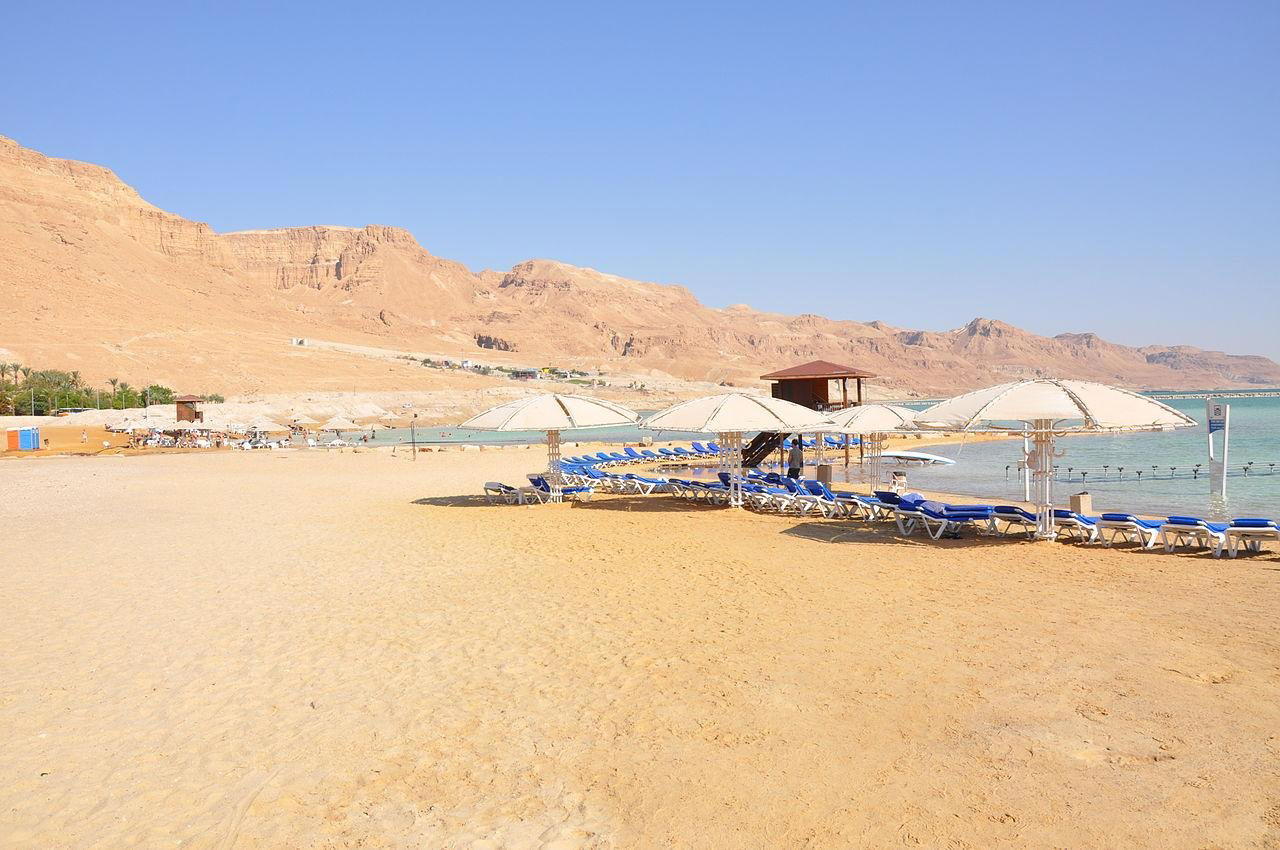
Ornate and charming atmosphere with ocean views and poolside relaxation options.
Know Before You Go
- Getting there
- Djibouti