Seven Glaciers Restaurant

Wine Spectator Best of Award of Excellence
Our verdict
Seven Glaciers Restaurant sits at the top of Alyeska Resort in Girdwood, Alaska, reached by a five-minute tram ride above the treeline. The dining room looks out across the Chugach Range, placing it in a small category of American destination restaurants where the journey to the table is itself part of the format. Girdwood's brevity as a dining town makes it a notable address in Alaska's limited fine-dining tier.

Pearl is the En Primeur Club membership app, where members save venues, book tables and use the concierge.
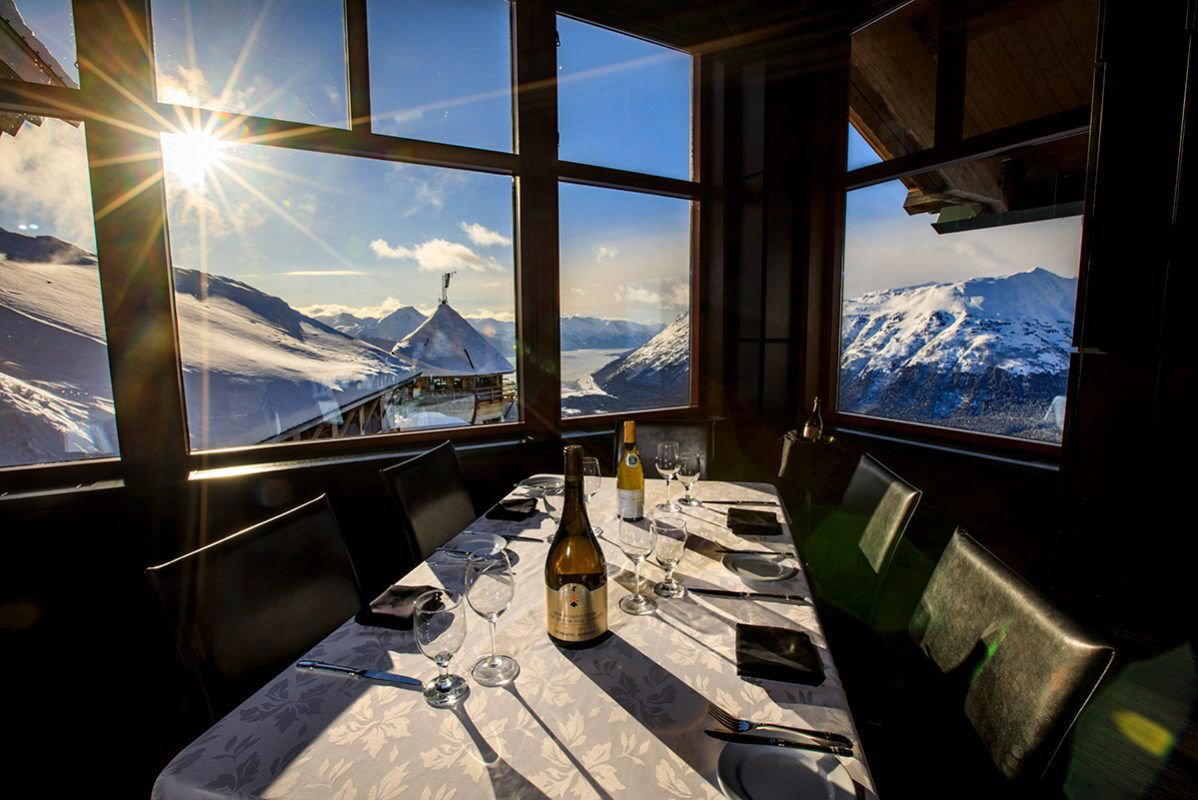
Above the Treeline: Dining at Elevation in Alaska
There is a particular category of American destination restaurant where the approach is inseparable from the experience: places reached by ferry, by narrow mountain road, or, in this case, by aerial tram. Seven Glaciers Restaurant sits at the top of Alyeska Resort in Girdwood, Alaska, accessed via a gondola that rises above the treeline to roughly 2,300 feet. The physical arrival, the valley floor dropping away, the Chugach Range filling the windows, frames the meal before a single plate arrives. That framing is not incidental.
Girdwood itself is a small resort community about 40 miles south of Anchorage along the Seward Highway, its dining options genuinely limited. Jack Sprat holds its own as the town's most-discussed casual address, but Seven Glaciers occupies an entirely different register: the only fine-dining room in the valley with a setting that would attract visitors regardless of what was on the menu. That is a specific kind of use in a town with no comparable competitor. For the broader context of where this fits in Alaska's dining geography, our full Girdwood restaurants guide maps the options across the valley.
The Cultural Logic of Place-Specific Cuisine in Alaska
Alaska occupies an unusual position in American food culture. The state's indigenous culinary traditions, built around Pacific salmon, halibut, king crab, and marine mammals, represent some of the oldest continuous food cultures on the continent. Its post-statehood dining identity, however, has largely tracked the rhythms of resource extraction and tourism rather than developing an urban fine-dining infrastructure of the kind found in Seattle or Portland. What that means in practice is that a restaurant like Seven Glaciers exists at an intersection: drawing on exceptional local ingredients that most of the lower 48 would regard as prestige imports, while operating in a market thin enough that the competitive pressure driving innovation at places like Le Bernardin in New York City or Lazy Bear in San Francisco simply does not apply in the same way.
That is neither a criticism nor a qualification. It is the structural reality of fine dining in a state where the supply chain for premium product is simultaneously extraordinary, wild-caught Alaskan seafood is the foundation of serious menus from Providence in Los Angeles to Addison in San Diego, and logistically constrained in ways that no lower-48 kitchen fully faces. Cooking at altitude, in a building accessible only by tram, at the end of a supply chain that runs through Anchorage and into a small mountain town, requires a different operational calculus than running a kitchen in a major metro.
Where Seven Glaciers Sits in the American Fine-Dining Map
The American fine-dining tier has concentrated in a handful of urban and near-urban markets. The canonical reference points, Alinea in Chicago, The French Laundry in Napa, Blue Hill at Stone Barns in Tarrytown, The Inn at Little Washington, all operate in regions with deep hospitality infrastructure and consistent year-round demand from local and visiting populations. Outside those corridors, ambitious restaurants in smaller markets often anchor to a specific draw: a wine region in the case of Single Thread Farm in Healdsburg or Frasca Food and Wine in Boulder, a cultural moment in the case of Atomix in New York City, or a distinctly local culinary identity as with Emeril's in New Orleans and Bacchanalia in Atlanta.
Seven Glaciers anchors to landscape. That is both its most defensible competitive position and its most honest one. A restaurant at this address competes less with Brutø in Denver or Causa in Washington, D.C. than with the broader category of destination experiences that require travel to access. The tram ride is the booking confirmation. The view of the Chugach Range across seven named glaciers is the context in which every plate is read.
Planning a Visit: Logistics in a Remote Setting
Girdwood sits along the Seward Highway, one of the most-cited scenic drives in the American road network, roughly an hour south of Anchorage by car. Visitors arriving via Ted Stevens Anchorage International Airport typically cover the distance in under 60 minutes in fair conditions, though winter driving on the Seward Highway demands attentiveness and appropriate vehicle preparation. The resort itself operates seasonally for skiing and year-round for summer hiking and sightseeing, which means the tram schedule and restaurant availability shift between seasons. Contacting Alyeska Resort directly through official channels is the only reliable method for confirming current hours and tram operating windows before planning around a dinner reservation.
Advance booking is advisable. In summer, Girdwood draws significant visitor volume from both domestic travelers and international visitors routing through Alaska on cruise itineraries that dock in Whittier or Seward; in winter, the ski season creates consistent weekend demand at the resort's dining facilities. Neither season offers the kind of same-day availability that urban restaurants with larger seat counts can absorb. Given the tram dependency, arriving early enough to account for operational delays is a practical consideration rather than a recommendation born of general caution.
Comparing it directly to technically ambitious tasting-menu restaurants is less useful than positioning it as what it is: the highest-altitude dining room accessible by tram in a state that produces some of the most sought-after seafood ingredients in the world, in a valley where the alternative dining scene is genuinely thin.
Frequently asked questions
What's the address for Seven Glaciers Restaurant?
Seven Glaciers Restaurant is located at 1000 Arlberg Ave, Girdwood, AK 99587, Girdwood.
How do you get to Seven Glaciers Restaurant at Alyeska Resort, and what should first-time visitors know?
Seven Glaciers is reached exclusively via the Alyeska aerial tram from the resort base at 1000 Arlberg Ave, Girdwood, AK 99587, there is no road or trail access to the restaurant itself. First-time visitors should account for tram timing when planning their evening, and dress for alpine conditions even in summer, as temperatures at elevation differ substantially from the valley floor. Confirming tram operating hours with the resort before your visit is advisable.
What's the signature dish at Seven Glaciers Restaurant?
What defines the kitchen's identity is its geographic context: Alaska's coastal and interior larder, Pacific salmon, halibut, and regional produce, shapes the menu in ways that few lower-48 restaurants can replicate. For current offerings, check the venue's official channels or check the Alyeska Resort website before your visit.
Should I book Seven Glaciers Restaurant in advance?
Yes. Seven Glaciers sits atop Alyeska Resort in Girdwood, accessible only by aerial tram, which creates a hard cap on covers each service. Demand peaks during Alaska's summer season and holiday periods, and the combination of limited seating and destination-driven traffic means last-minute availability is rare. Reservations should be secured well ahead, particularly for weekend evenings.
What makes Seven Glaciers Restaurant worth seeking out?
The restaurant occupies a category that barely exists in American dining: a fine-dining room accessible only by aerial tram, positioned above the treeline at Alyeska Resort in Girdwood. The approach is not transferable to another setting, the glacial panorama and the physical remove from the valley floor are structural to the experience, not decorative. Girdwood itself sits roughly an hour south of Anchorage along the Seward Highway, making this a viable but deliberate detour.
Cost and Credentials
Comparable venues nearby, for context on price, style, and recognition.
| Venue | Cuisine | Price | Awards | Notes |
|---|---|---|---|---|
| Seven Glaciers RestaurantThis venue (the venue you are viewing) | Alaska Contemporary Fine Dining | $100–150 | Wine Spectator Best of Award of Excellence | Not listed |
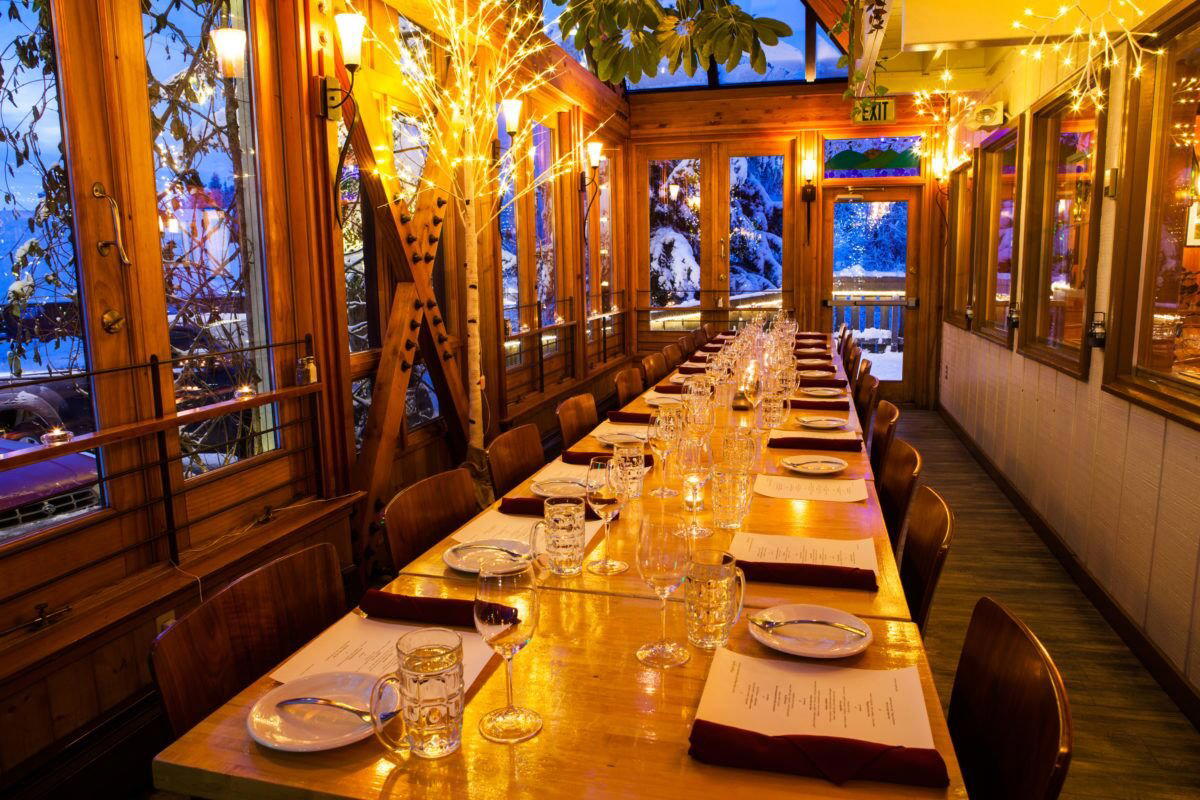
| Jack Sprat | Fat & Lean World Cuisine | $30–50 | Not listed | Girdwood, Fat & Lean World Cuisine |
| Rustic Goat | French-Italian Inspired Alaskan Comfort | $30–50 | Not listed | Turnagain, French-Italian Inspired Alaskan Comfort |
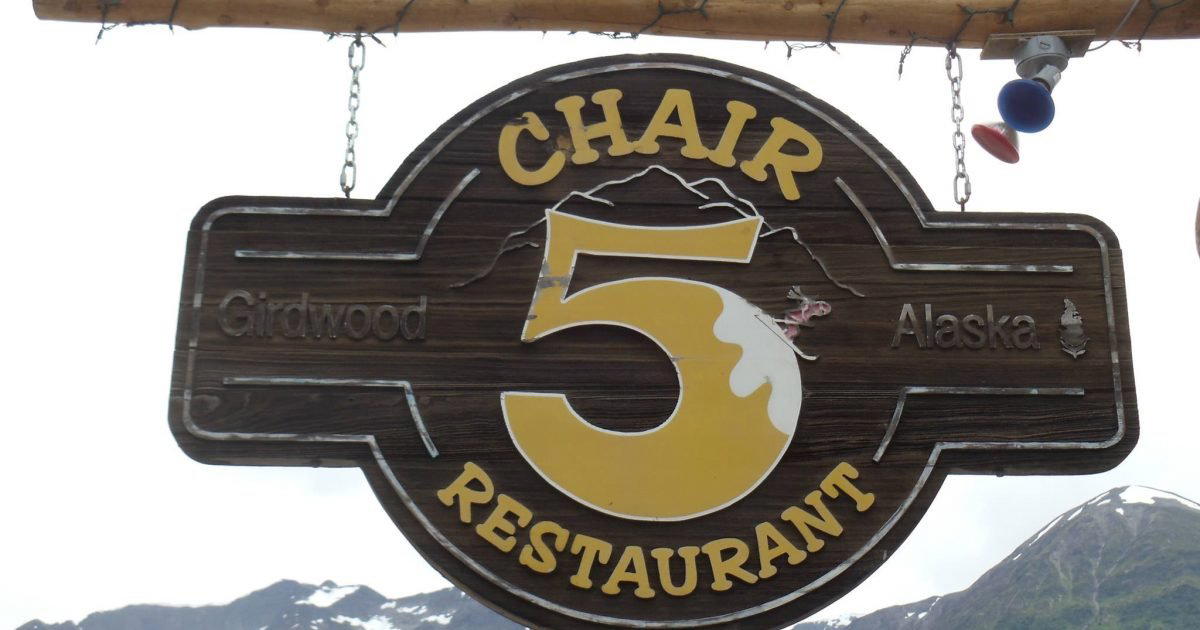
| Chair 5 Restaurant | American Bar Food with Alaskan Wild Game and Seafood | $20–30 | Not listed | Girdwood, American Bar Food with Alaskan Wild Game and Seafood |
| Froth & Forage Coffeehouse and Eatery | Not listed | Not listed | Not listed | Seward Highway, American Farm-to-Table Cafe |
| O'Malley's On the Green | American Grill | $20–30 | Not listed | O'Malley, American Grill |
Recognition history
Dated appearances from independent guides and award organizations, with the underlying list record or original source where available.
Wine Spectator Best of Award of Excellence
Wine Spectator
Continue exploring
More in Girdwood
Restaurants in Girdwood
All restaurants in Girdwood →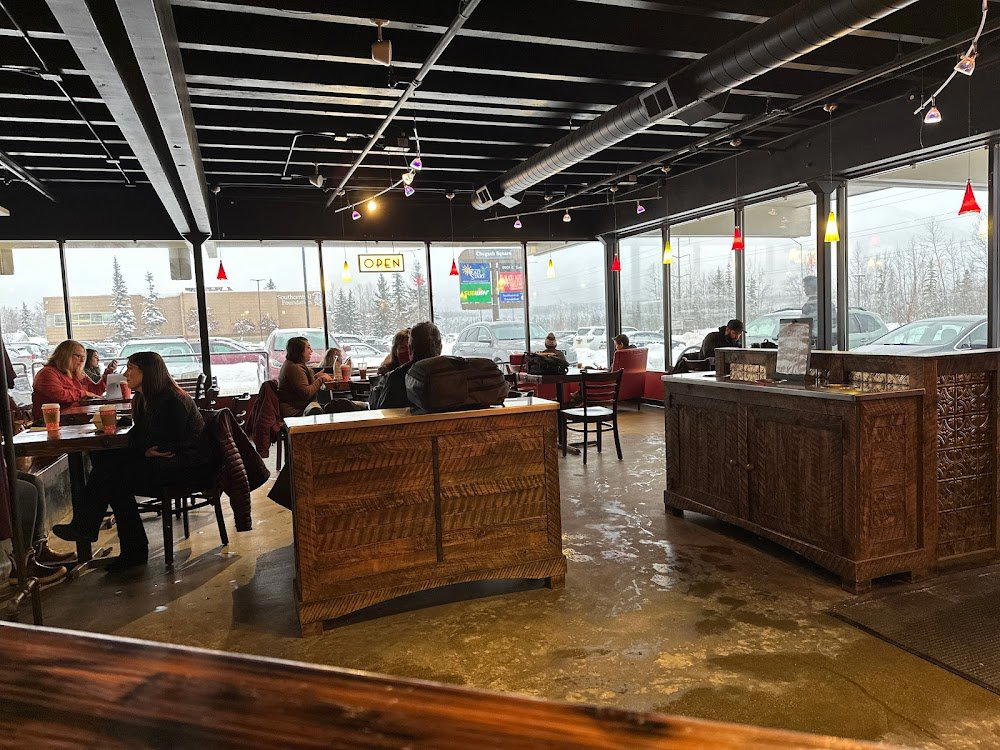
Bars in Girdwood
Browse all →
Hotels in Girdwood
Browse all →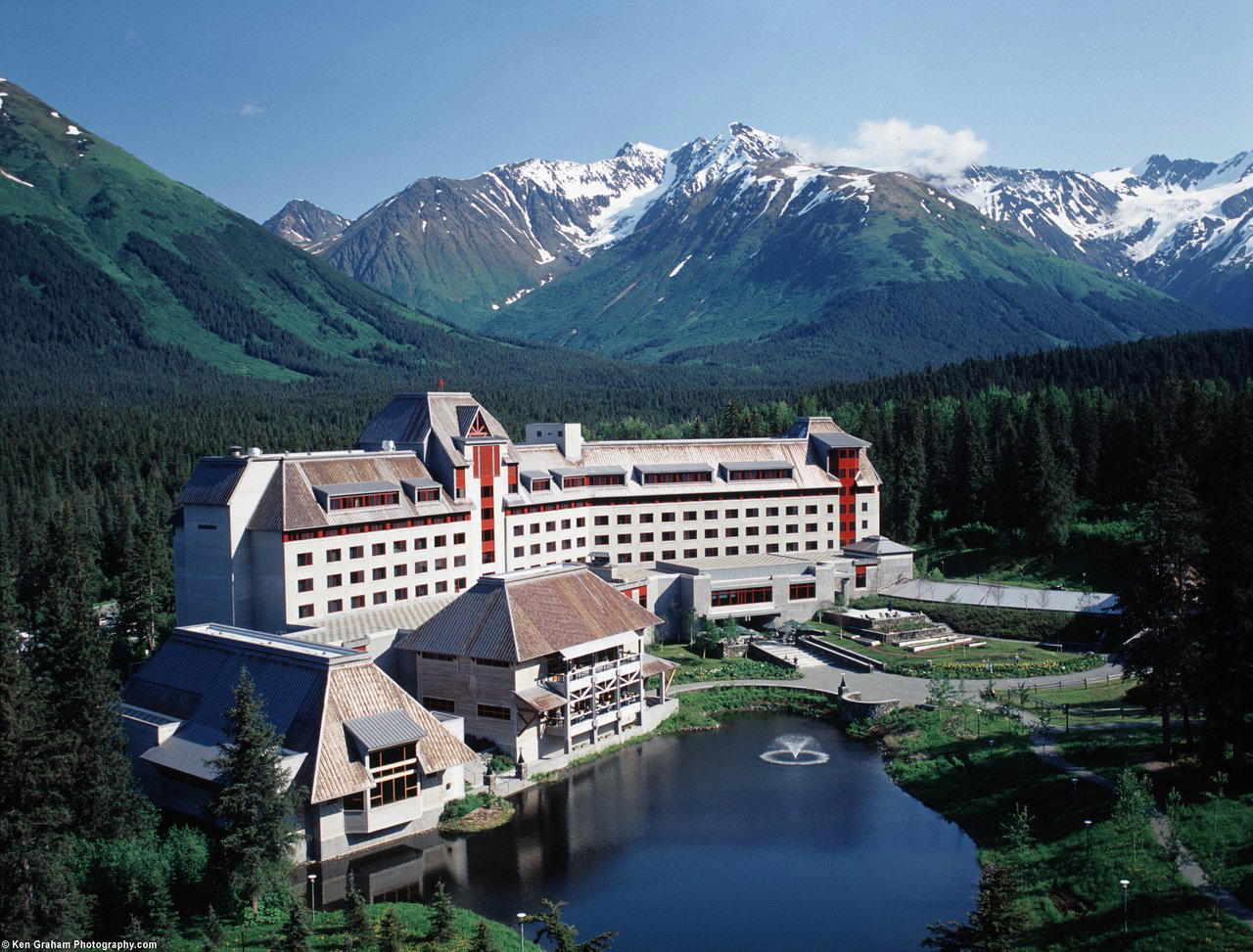
Seven Glaciers Restaurant
The wine
Seven Glaciers Restaurant holds the Wine Spectator Best of Award of Excellence, which Wine Spectator gives to lists of usually 350 or more selections.
- Wine program
- Deep wine list
- Wine Spectator
- Wine Spectator Best of Award of Excellence
- Extensive wine list
Details
- Elegant
- Scenic
- Sophisticated
- Special Occasion
- Date Night
- Celebration
- Panoramic View
- Hotel Restaurant
- Extensive Wine List
- Local Sourcing
- Mountain
Current opening hours
- Monday
- Closed
- Tuesday
- Closed
- Wednesday
- Closed
- Thursday
- 3–7 PM
- Friday
- 3–11 PM
- Saturday
- 3–11 PM
- Sunday
- Closed
Hours can change for holidays and private events. Last verified .
Modern chic with large windows offering far-reaching panoramic mountain and glacier views, creating an enchanting and elegant atmosphere.