Our verdict
Saray Kebab on Ryhavevej sits in Aarhus's western residential belt, where the city's immigrant-run grill houses operate largely outside the fine-dining conversation that dominates the centre. While Michelin-tracked tables like Frederikshøj and Gastromé set the headlines, places like Saray hold the city's everyday eating culture together, kebab, smoke, and the kind of directness that no tasting menu can replicate.

Pearl is the En Primeur Club membership app, where members save venues, book tables and use the concierge.
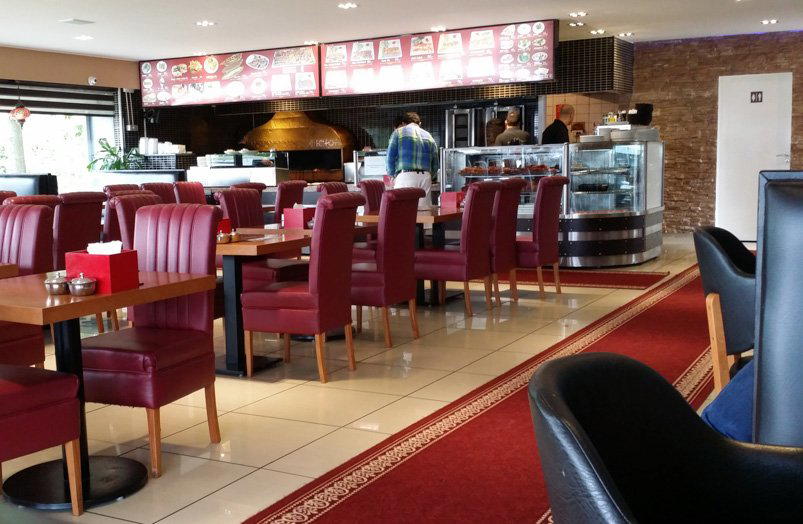
Where the Smoke Meets the Street
Aarhus has spent the past decade building a reputation around New Nordic precision. Tables like Frederikshøj and Gastromé have pulled the city into a Michelin conversation that also runs through Geranium in Copenhagen and Jordnær in Gentofte. But that account of Danish dining leaves a significant category untouched: the grill-house circuit that runs through the residential districts, fuelled by charcoal, cumin, and decades of community loyalty. Saray Kebab on Ryhavevej 8 belongs to that circuit, operating in the western stretch of Aarhus 8210, a postcode more associated with family apartments and corner shops than with destination dining.
The sensory signal at a place like this is immediate and unambiguous. Before you reach the door, the smell of charred meat and spiced fat announces what is happening inside. It is the olfactory shorthand of a certain kind of restaurant: one where the kitchen does not hide its process behind closed doors or ventilation theatre. The grill is the statement. The smoke is the atmosphere. Everything else, the lighting, the decor, and the table arrangement are secondary infrastructure.
The Grill-House Tradition in a Nordic City
Kebab culture in Scandinavian cities has a history that runs parallel to, and often predates, the New Nordic wave. In Aarhus specifically, immigrant-run grill houses have occupied the residential periphery since the 1980s and 1990s, serving communities that were never the target audience for the tasting-menu format. The tradition draws from Turkish, Kurdish, and broader Middle Eastern grilling practice, shish, doner, adana, kofte, adapted over time to local supply chains and the preferences of a mixed Danish clientele.
What distinguishes this category from fast food, in the crude sense, is the craft embedded in meat preparation and fire management. A well-run kebab house controls its heat with the same seriousness that a fine-dining kitchen controls its beurre blanc. The difference is that the skill is visible, audible, and aromatic rather than plated and narrated. For diners accustomed to Domestic or Substans, the register is entirely different, but the underlying discipline of sourcing and cooking to a consistent standard is not.
Across Denmark, this category operates in relative editorial silence. The Michelin apparatus that tracks Alimentum in Aalborg or ARO in Odense does not enter these rooms. Yet local regulars often return weekly, which is a loyalty signal that even celebrated destination tables struggle to match. The value proposition is direct: known food, consistent execution, fast service, neighbourhood proximity.
Reading the Room at Ryhavevej
The address, Ryhavevej 8, in the 8210 district, places Saray Kebab firmly outside Aarhus's tourist centre. Visitors staying near Åboulevarden or the Latin Quarter would need to travel west into a genuinely residential zone, which self-selects the clientele. This is not a place that appears on the standard city-centre itinerary. It functions as a neighbourhood anchor: known to the people who live nearby, less visible to those who do not.
That geography shapes the atmosphere in ways that a centrally located restaurant cannot replicate. The room, at a place like this, tends to reflect the community it feeds rather than a designed hospitality concept. Conversations carry across tables. Orders are placed without ceremony. The pace is set by the kitchen's output, not by a front-of-house choreography. For a certain kind of diner, one who finds the formal sequencing of a multi-course dinner tiring, this directness is the appeal.
In a city that also hosts the rural intensity of Henne Kirkeby Kro and the coastal focus of LYST in Vejle, the grill-house format occupies a different register entirely, one grounded in urban neighbourhood life rather than landscape or seasonality narratives.
What the Category Offers That Others Do Not
The kebab-house format, at its functional core, solves a problem that fine dining creates: accessibility. Not price accessibility alone, though that is part of it. Accessibility in terms of timing, formality, and the absence of commitment. You do not book three months ahead. You do not plan around a single seating. You arrive, you order, and the kitchen answers quickly. In a dining culture where destination restaurants like Dragsholm Slot Gourmet or Frederiksminde require significant advance planning, the grill house functions as a counter-format: immediate, transactional, and satisfying on its own terms.
The international comparisons are instructive. The technical rigour that makes Le Bernardin in New York City or Atomix compelling operates in a different register from what a neighbourhood grill house does, but both represent serious approaches to a defined culinary outcome. The grill house simply does not operate within the framework that generates awards, press coverage, or international recognition. Its credibility is entirely local and entirely oral: word of mouth among people who live within a few kilometres and return because the food is consistent.
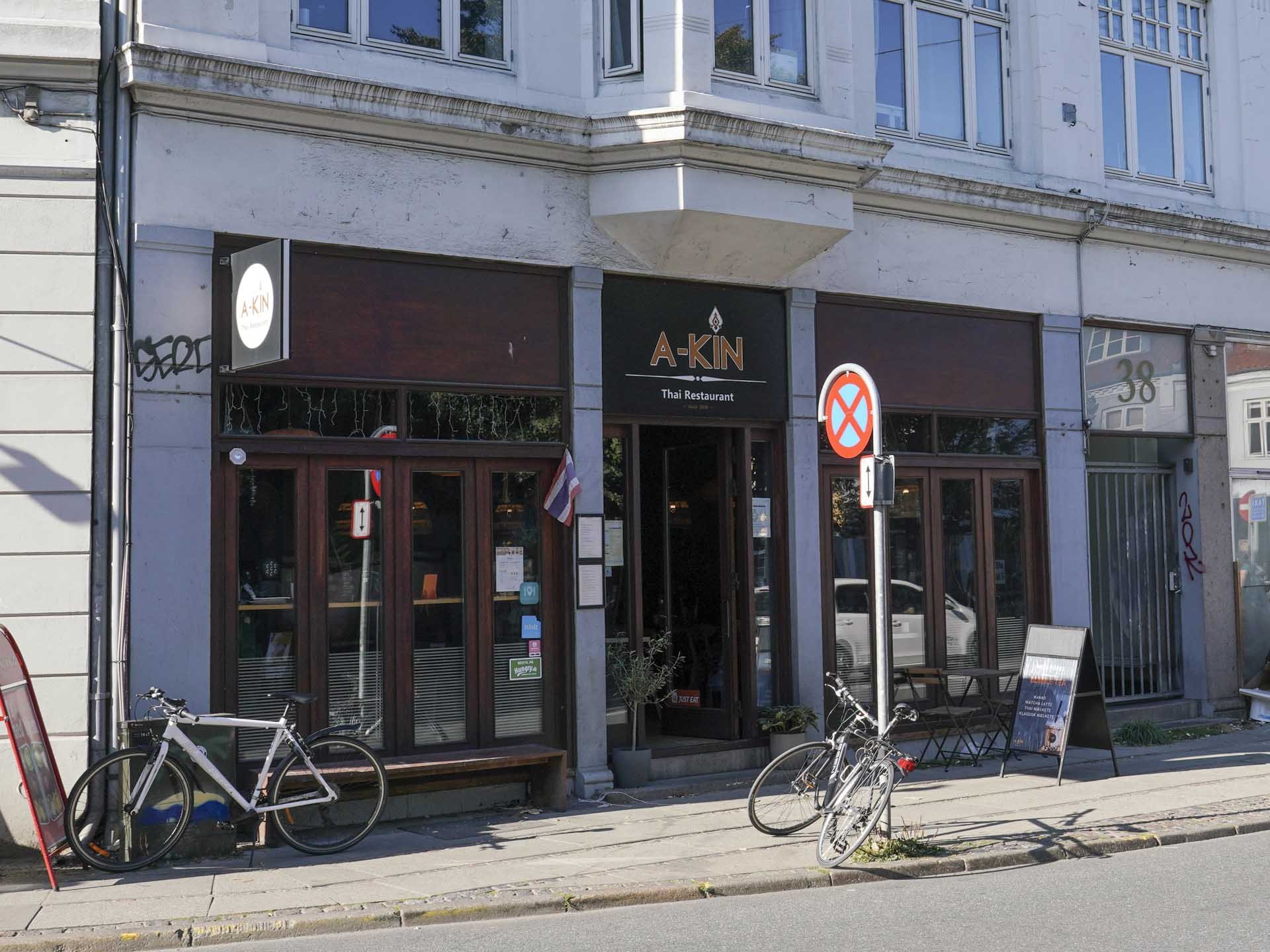
For visitors to Aarhus who have already covered the fine-dining tier and want to understand how the city actually eats, not how it performs for critics, places like Saray Kebab offer a more accurate cross-section. The full Aarhus restaurants guide covers the full spectrum, from Michelin-tracked tasting menus to the casual formats that sustain the city's residential neighbourhoods day to day. Venues like A-Kin Thai occupy a similar position in that broader picture: technically specific, community-rooted, and operating outside the awards circuit that defines media coverage.
It is also worth placing Saray Kebab against the broader Danish provincial scene. Cities like Herning, with Domæne, and Nykøbing Sjælland, with MOTA, show how ambitious cooking has spread beyond Copenhagen and Aarhus's centre. The grill-house category does not participate in that outward expansion of Nordic fine dining; it predates it and continues alongside it, indifferent to the critical conversation.
Frequently asked questions
What do regulars order at Saray Kebab?
The kebab-house format centres on grilled meat served in bread, on a plate, or with rice. Confirm current options on arrival. The cuisine type aligns with the broader Turkish and Middle Eastern grill tradition that defines this category across Danish cities.
What is the defining dish or idea at Saray Kebab?
The defining idea is the grill itself: fire-managed, aromatic, and built around spiced meat rather than Nordic ingredient seasonality. The kebab-house format centres on charcoal-grilled preparations, its organizing principle in Aarhus, Istanbul, and Berlin alike.
Do they accommodate allergies at Saray Kebab?
For allergy-specific requirements, speak directly with staff before ordering. Aarhus has a range of restaurants with documented allergen procedures, the full Aarhus guide covers venues with more accessible booking and communications infrastructure if that is a priority.
Is eating at Saray Kebab worth the cost?
The grill-house format in Danish cities typically occupies the lower price tiers relative to the fine-dining spectrum. Compared with the investment required for a tasting menu at Substans or Domestic, a neighbourhood kebab house delivers a different kind of return: fast, filling, and grounded in a long-standing culinary tradition. The category is generally associated with accessible cost-per-meal ratios.
How does Saray Kebab fit into Aarhus's broader immigrant food scene?
Aarhus has a substantial Middle Eastern and Turkish community concentrated in its western residential districts, and the grill-house format is one of the most durable expressions of that presence. Saray Kebab's location in the 8210 district places it within that community fabric, operating as a neighbourhood staple rather than a destination for visitors. For anyone tracing the city's full culinary range beyond the New Nordic frame, this category represents a significant and often underreported part of how Aarhus actually eats, a point the full Aarhus restaurants guide addresses across cuisine types and price tiers.
How Saray Kebab Aarhus compares with similar nearby venues.
| Venue | Cuisine | Price | Awards |
|---|---|---|---|
| Saray KebabThis venue (the venue you are viewing) | Turkish Kebab House | $10–20 | Not listed |
| Byens Sushi | Japanese Sushi | $10–20 | Not listed |
| Burger Boom | Gourmet American Burgers | $10–20 | Not listed |
| AmoRomA | Authentic Roman-Italian Trattoria | $20–30 | Not listed |
| Miró | Classic French Fine Dining | Not listed | White Guide Denmark Restaurants - Masters Level |
| Den Lille Kro | Classic Danish | Not listed | Not listed |
Continue exploring
More in Aarhus
Restaurants in Aarhus
All restaurants in Aarhus →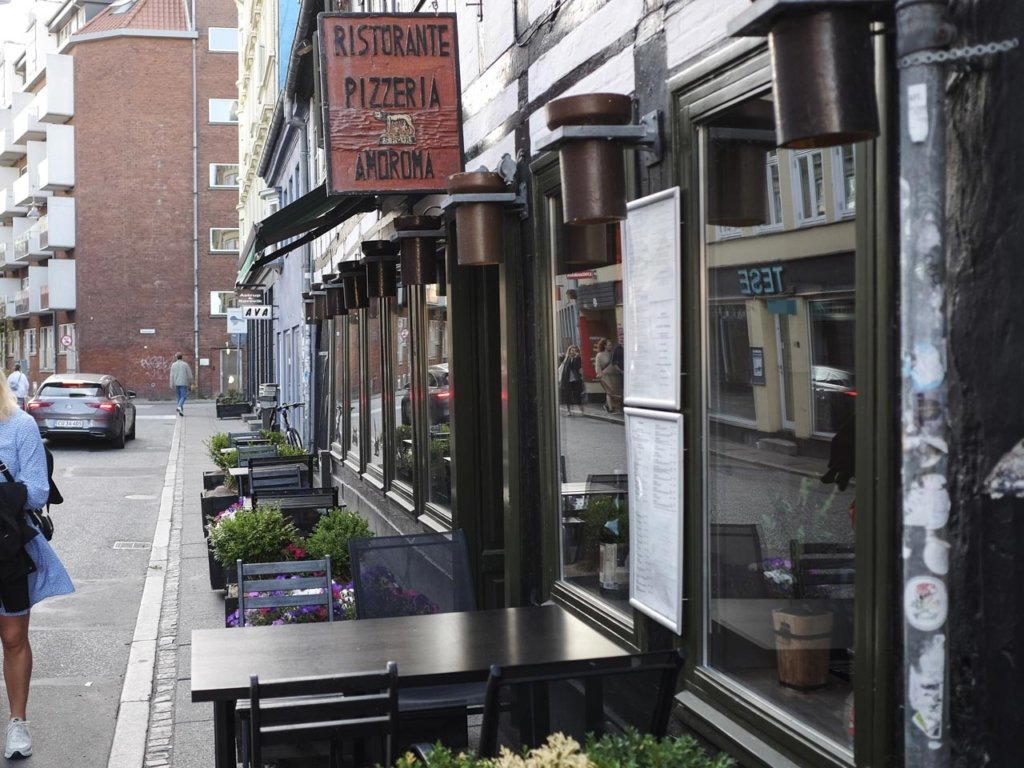
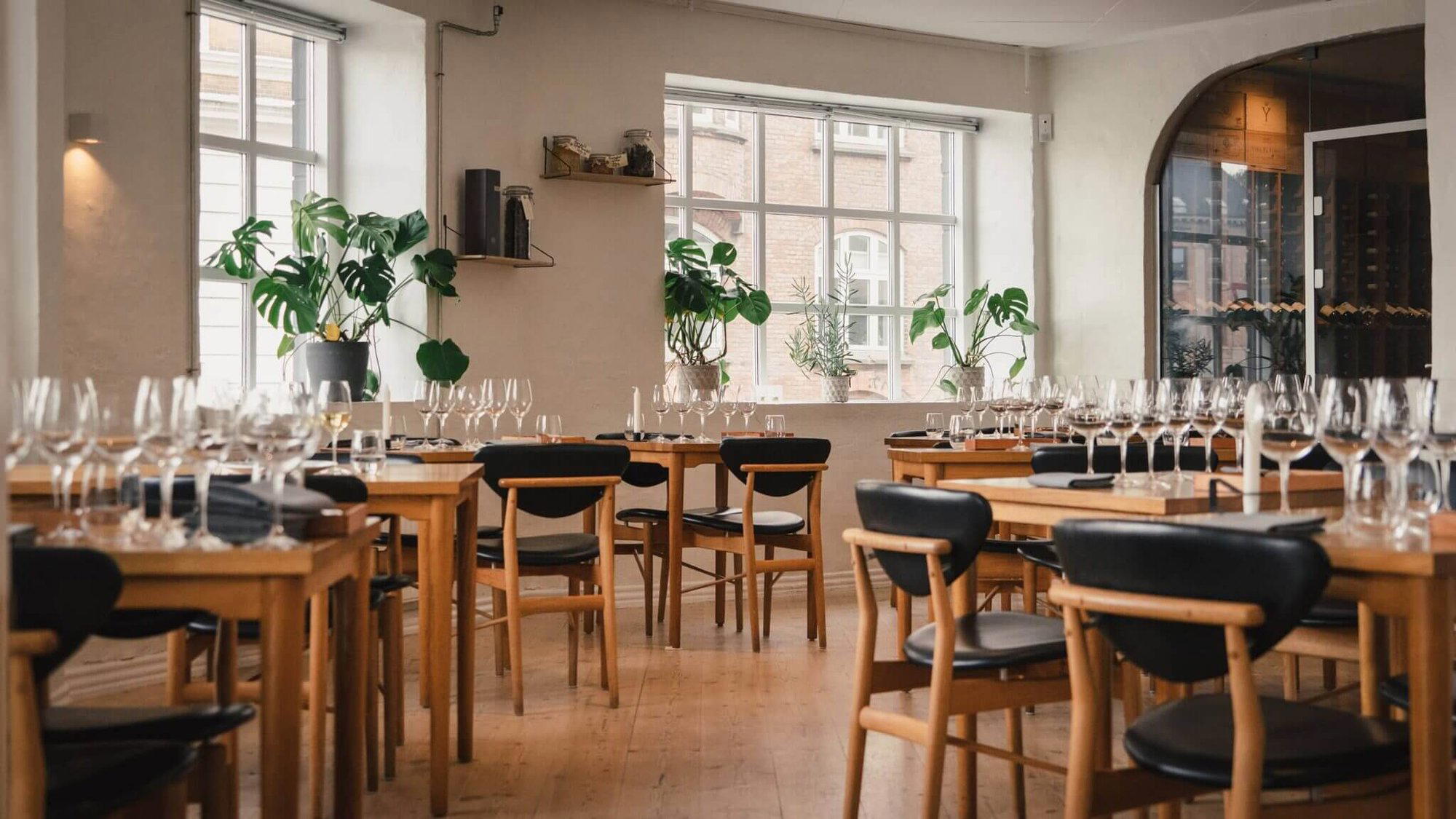
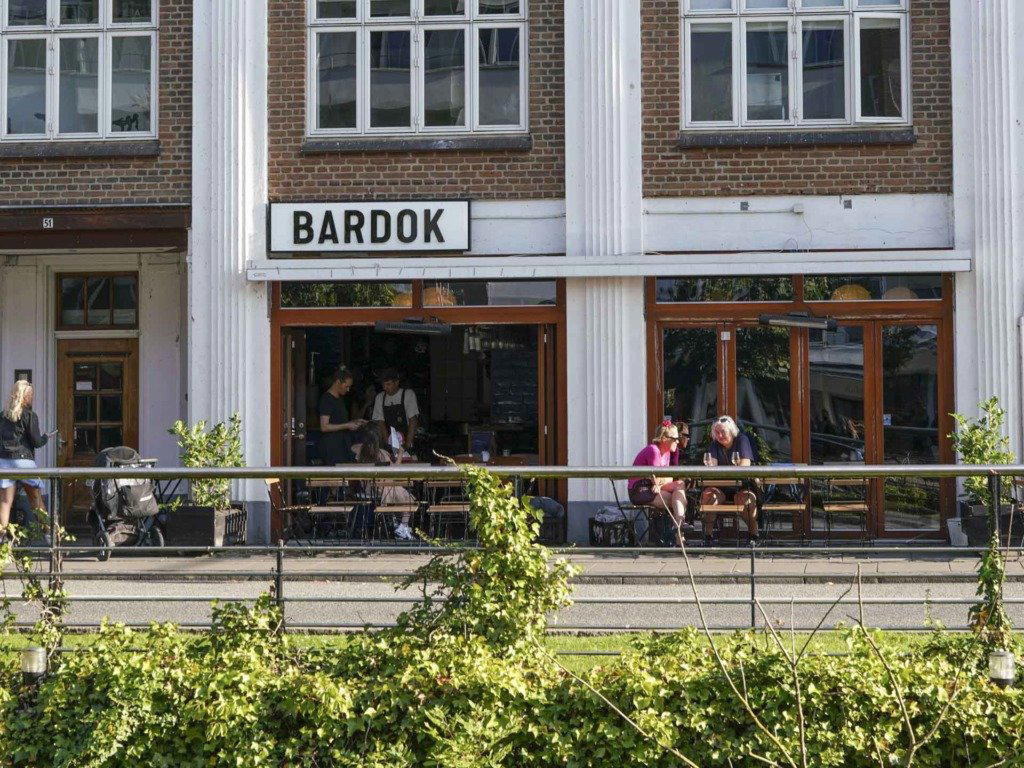
Bars in Aarhus
All bars in Aarhus →
Hotels in Aarhus
All hotels in Aarhus →
Wineries in Aarhus
Browse all →
Details
- Lively
- Cozy
- Casual Hangout
- Family
- A La Carte
- Halal
Current opening hours
- Monday
- 11 AM–9 PM
- Tuesday
- 11 AM–9 PM
- Wednesday
- 11 AM–9 PM
- Thursday
- 11 AM–9 PM
- Friday
- 11 AM–9 PM
- Saturday
- 12–9 PM
- Sunday
- 12–9 PM
Hours can change for holidays and private events. Hours as of .
Casual and busy atmosphere, often crowded with friendly service.