
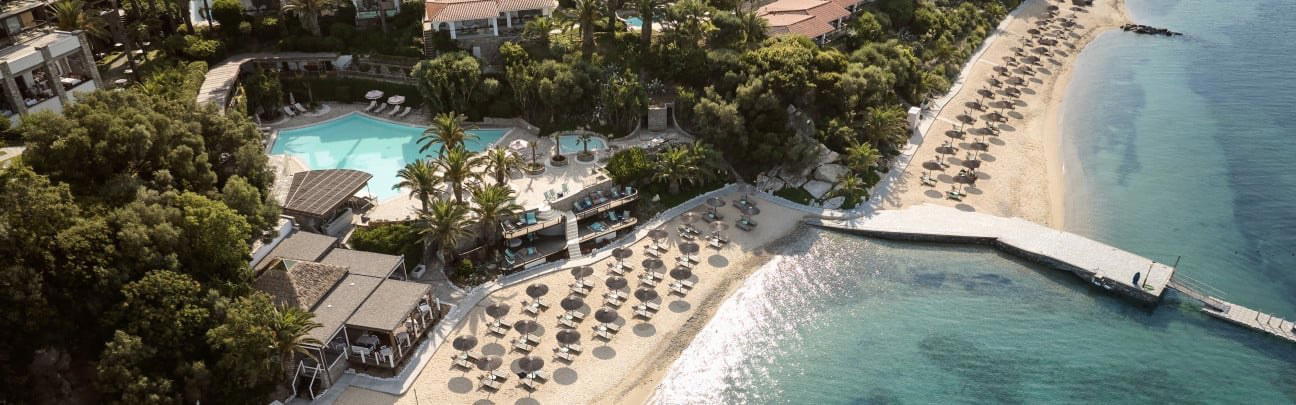
Óros Monastic Fine Dining Restaurant brings creative Mediterranean cooking to Komitsa Bay, where the Halkidiki coast faces Mount Athos and the meal is framed by sea, hillside, and open air. Chef Panos Papadopoulos works from Greek produce and monastic-territory restraint rather than resort excess, making the restaurant better read as a place-sensitive dining experience than a conventional hotel table.
Pearl is the En Primeur Club membership app — saves, bookings, and concierge access live there. Same editors, same standards.
- Address
- Komitsa Bay, Nea Roda
- Phone
- +30 6932 390252
- Website
- i-host.gr
- Directions
- Get directions
 Saves & bookings on Pearl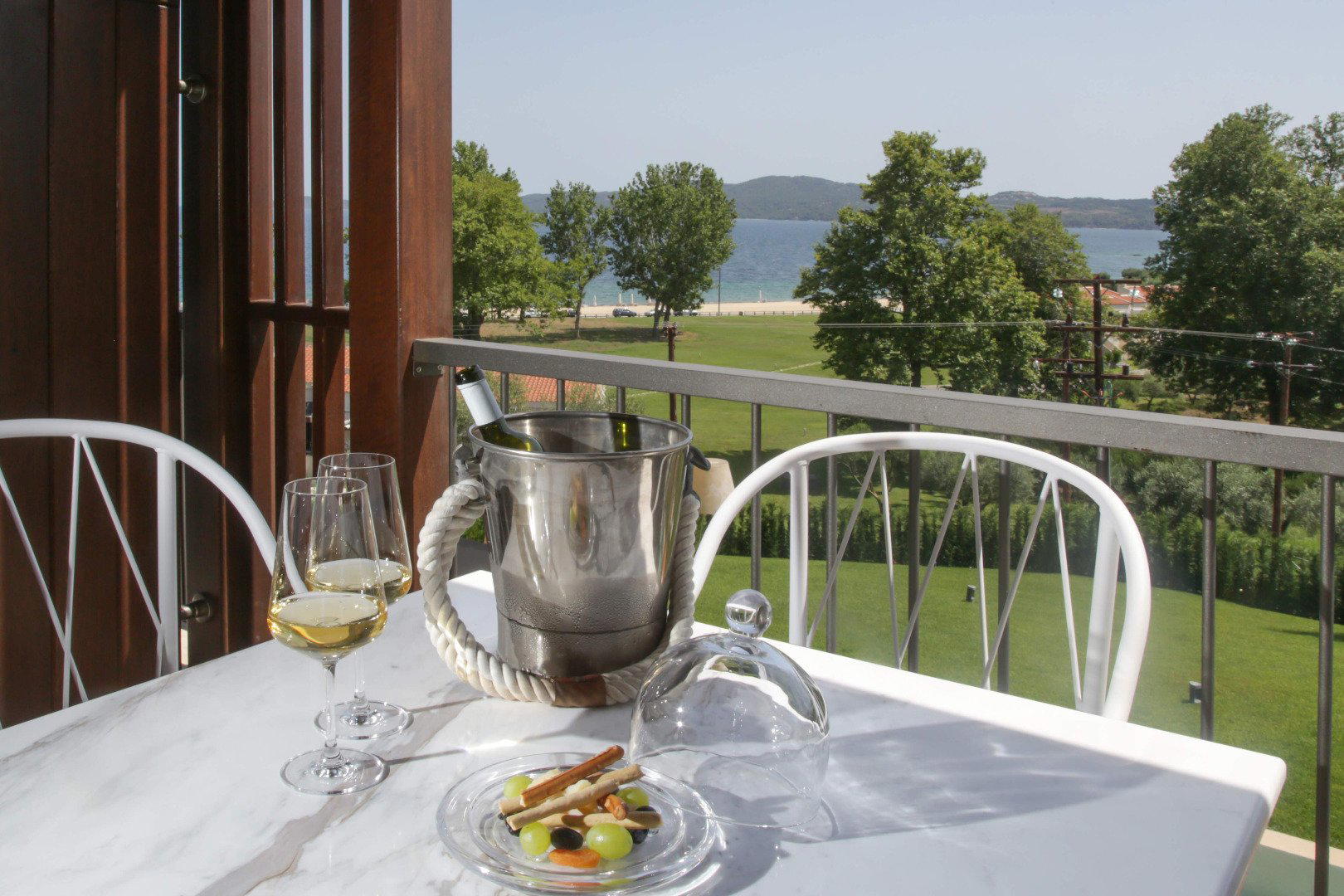
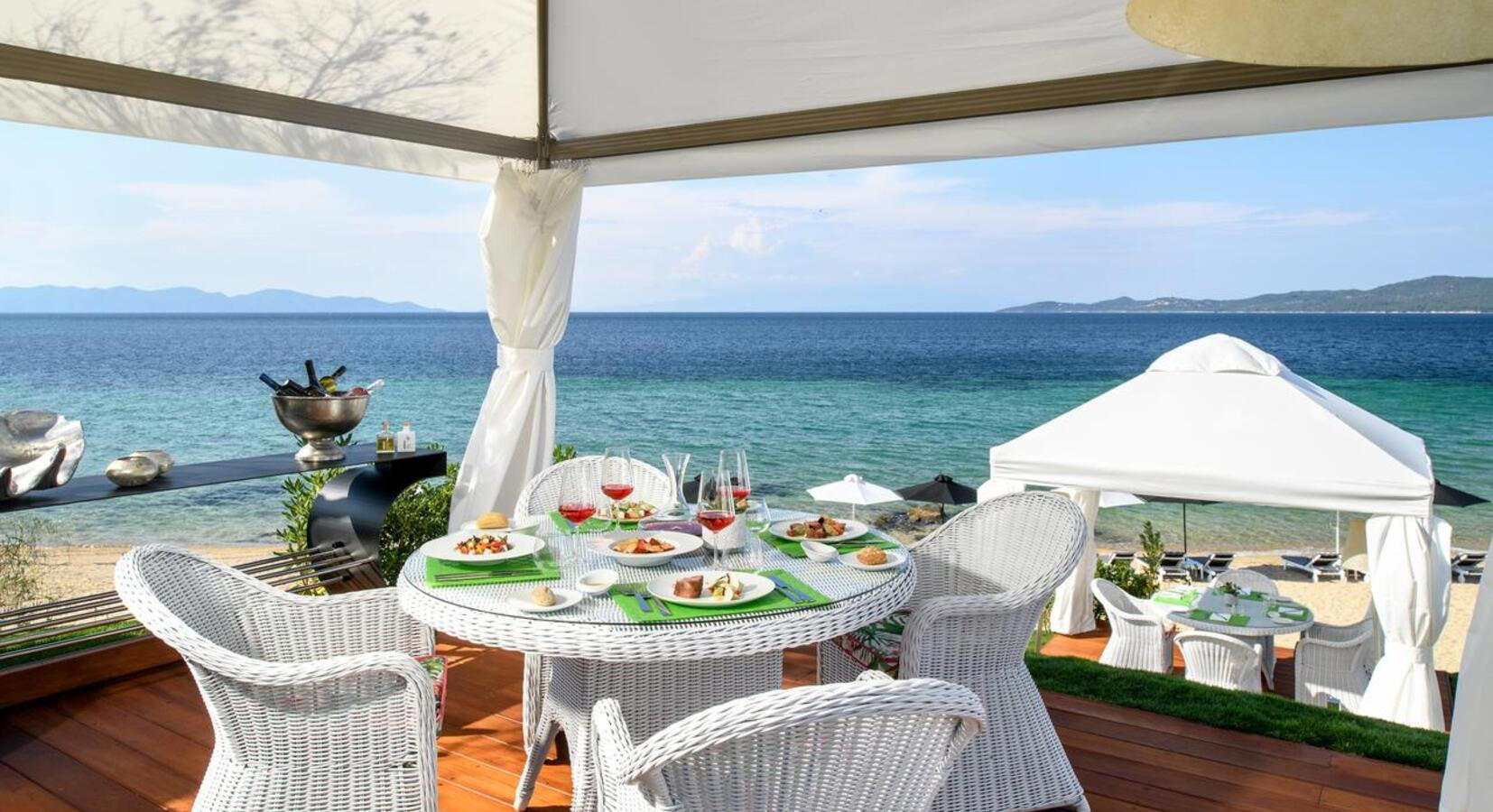
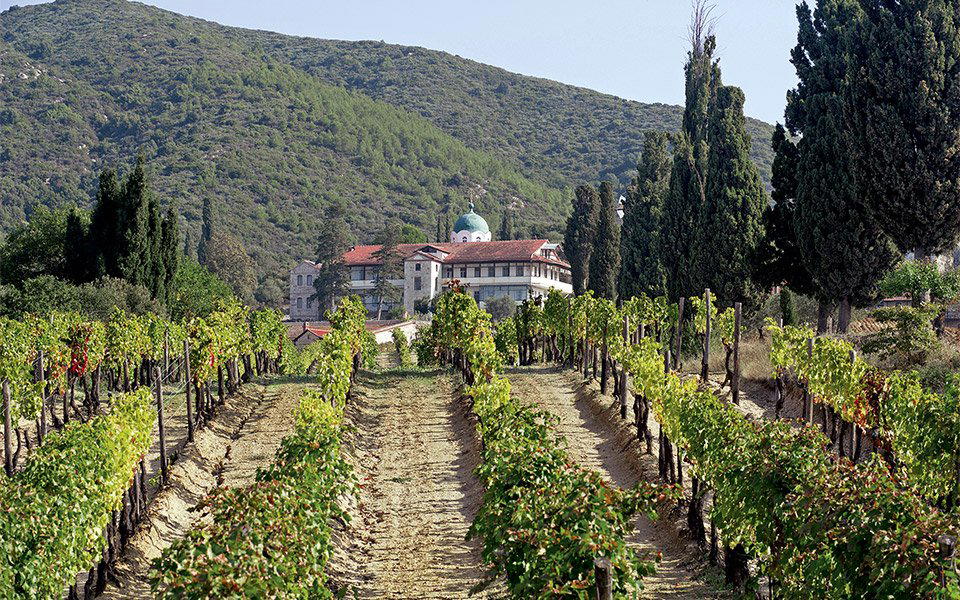
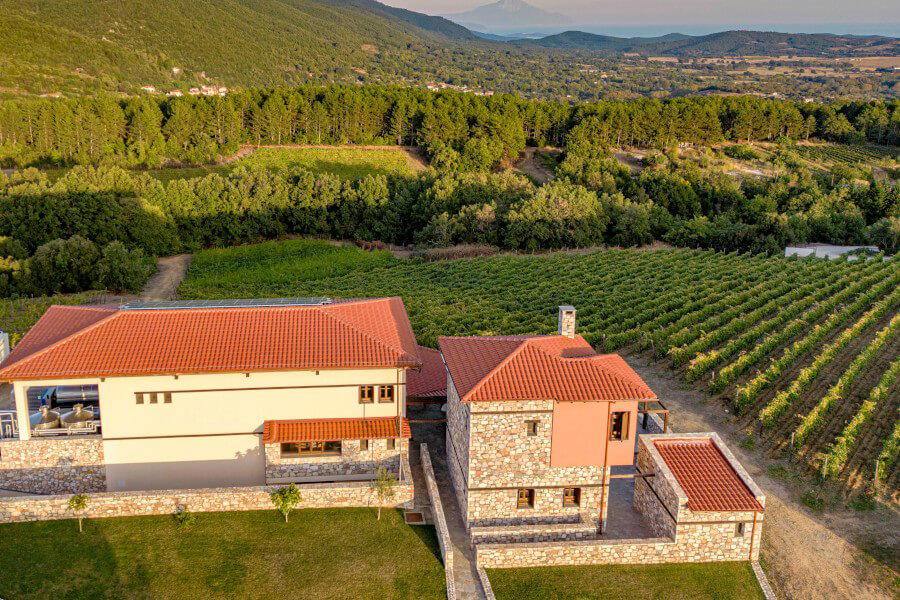
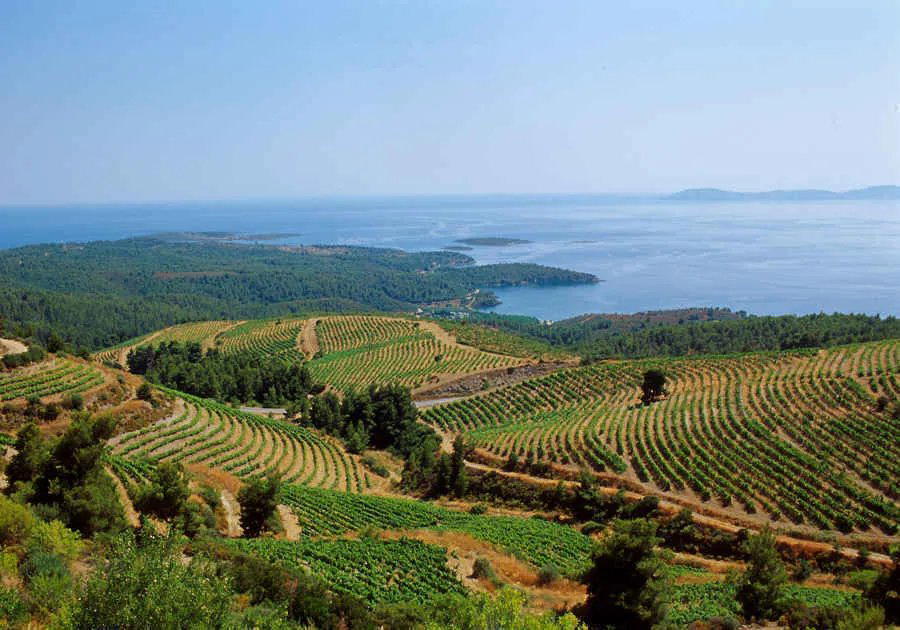
Approaching Komitsa Bay, the geography does much of the editing. The hillside drops toward the sea, Mount Athos fixes the horizon, and the restaurant’s open-air setting places dinner inside a landscape that has shaped Greek Orthodox food culture for centuries: olive oil, herbs, pulses, vegetables, fish, restraint, and seasonality before theatre. Óros Monastic Fine Dining Restaurant works from that vocabulary, but not as a museum piece. Its category is creative cooking, and the point is the translation of a monastic-adjacent pantry into a polished Mediterranean restaurant language.
Halkidiki can be misread from abroad as a beach-first destination with food as a supporting act. That misses the peninsula’s particular advantage. Few Greek resort regions have such a clear collision of mountain, sea, farming villages, and monastic influence within the same frame. The Athos peninsula, even when experienced from across the water, changes the register: food here is not only about summer abundance, but about discipline, fasting traditions, oil-led cooking, and ingredients that carry their own authority without elaborate intervention.
Creative Greek cooking shaped by Athos, not resort excess
The restaurant’s most interesting position is not that it serves refined Mediterranean cuisine in a handsome setting. Many Greek coastal restaurants can make that claim. The sharper point is how the Athos-facing location gives the cooking a stricter brief. In this part of Halkidiki, luxury reads better when it is edited: local produce, artisanal sourcing, and a menu that treats Greek flavor as structure rather than decoration.
Chef Panos Papadopoulos is the named figure behind the kitchen, but the more useful lens is the regional one. A chef working in Komitsa Bay has to deal with two strong pressures at once: international fine-dining expectations on one side, and the cultural weight of Mount Athos on the other. The stronger version of this cooking does not bury Greek ingredients beneath technique. It uses technique to clarify them. That distinction matters in resort dining, where the temptation is often to make the plate look international first and local second.
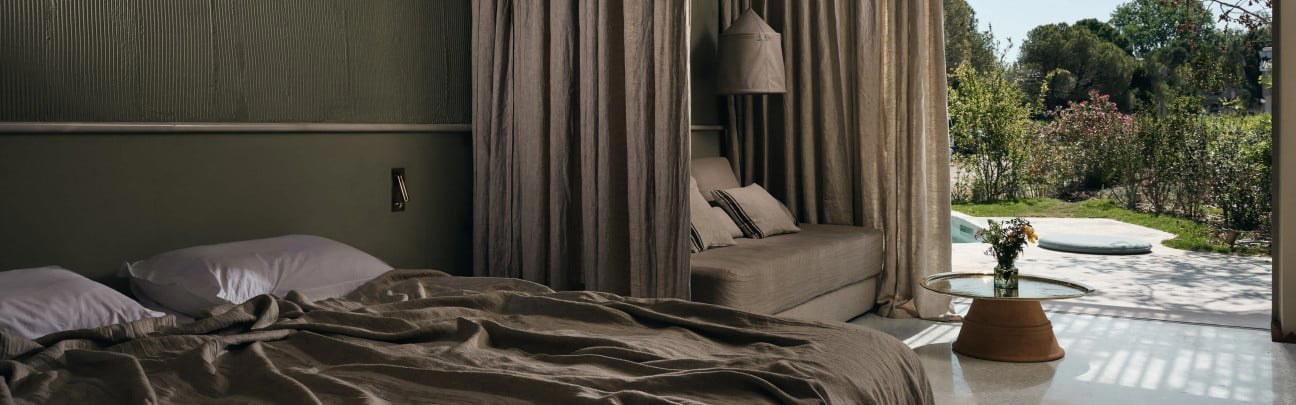
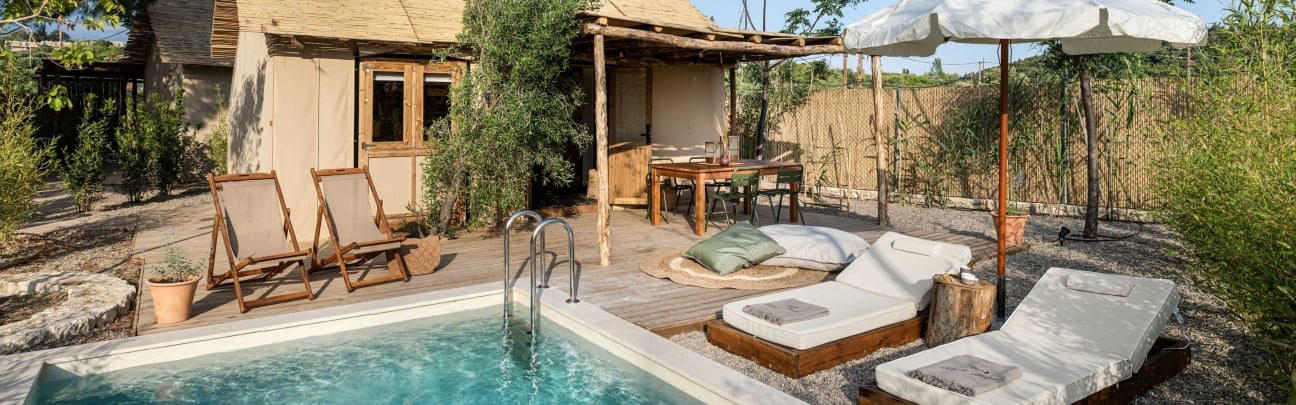
Monastic influence in Greek food is frequently misunderstood as austerity alone. In practice, it can mean a sophisticated command of limits: vegetables cooked with patience, herbs used with purpose, seafood treated as part of a wider fasting and feasting rhythm, and olive oil carrying richness without dairy or meat doing all the work. Óros Monastic Fine Dining Restaurant enters that conversation through a contemporary format, with the sea-facing room and private-pool option giving the meal a polished resort frame. The editorial test is whether the place remains legible as Halkidiki rather than simply Mediterranean luxury.
For readers mapping the wider peninsula, our full Halkidiki restaurants guide is the practical starting point, with nearby dining references including Armyra, Bostani, Avaton Bar (Bistro-style cuisine), Beach Menu (Bistro-style cuisine), and Avaton Luxury Beach Resort (Greek Island). The point is not to treat them as equivalents, but to understand how varied the peninsula’s hospitality circuit has become: beach formats, resort dining, Greek produce-led kitchens, and more formal cooking now sit within the same travel week.
The room matters because the landscape is part of the meal
Open-air dining in Greece can be lazy shorthand, especially when a view is asked to do the work of a kitchen. Here, the setting is more consequential. A hillside above Komitsa Bay, facing the sea and Mount Athos, gives the restaurant a built-in narrative that few dining rooms can manufacture. The private-pool setting adds another register for guests staying close to the property, but the broader appeal is the outdoor relationship between plate, air, and coastline.
That matters because creative Greek cooking has moved through a visible correction over the last decade. The old split between taverna authenticity and hotel fine dining no longer explains the stronger tables. Contemporary kitchens increasingly use regional Greek ingredients with a lighter technical hand, while resort restaurants have had to become more place-specific to justify attention from travelers who already know Athens, the Cyclades, and the Ionian islands. Halkidiki’s advantage is that it can speak in a different accent: northern Greek produce, Athonite proximity, and a less overexposed coastal identity.
Within a Greek itinerary, this makes the restaurant a useful counterpoint to better-known island and mainland formats. Travelers building a national dining route might also look at "F" RESTAURANT in Elounda, 100 Rizes Restaurant in Gytheio, 12 Piata in Athens, Adami Restaurant in Santorini, Aegean Grill in Sounio, and Aegean Poets Restaurant in Mykonos to see how Greek hospitality changes by region. Outside Greece, creative-cooking references such as A-Bay Beach Bar, Creative cooking in Stari Grad and Ars Vivendi, Creative cooking in Bad Laasphe show how broad that label can be, from coastal informality to structured European dining.
How to place it in a Halkidiki trip
This is a restaurant to schedule when the evening itself can carry weight. The setting argues against rushing, and the food style suits travelers who want Greek ingredients treated with precision rather than oversized portions or generic resort cues. It is less about checking off a famous dish than reading Halkidiki through a particular lens: Athos in view, the sea below, and a kitchen using Mediterranean refinement to frame local produce.
The better planning question is where the meal sits in the trip. Halkidiki rewards moving between formats: a beach lunch, a low-key Greek table, a resort bar, a more formal dinner, and time left for the coastline. For the broader map, use our full Halkidiki hotels guide, our full Halkidiki bars guide, our full Halkidiki wineries guide, and our full Halkidiki experiences guide alongside the restaurant selection. Óros Monastic Fine Dining Restaurant makes the strongest case when treated as the reflective dinner of the itinerary, not the casual stop between beach plans.
How It Compares
Comparable venues nearby, for context on price, style, and recognition.
| Venue | Cuisine | Price | Notes |
|---|---|---|---|
| Óros Monastic Fine Dining RestaurantThis venue — the venue you are viewing | Modern Mediterranean Fine Dining | $$$$ | Not listed |
| Avaton Bar | Modern Mediterranean fine dining | $$$$ | Komitsa Bay |
| Ór.os Restaurant Menu | Monastic Fine Dining Mediterranean | $$$$ | Aristotelis |
| Avaton Luxury Beach Resort | Modern Mediterranean Fine Dining | $$$$ | Nea Roda, Mt Athos Peninsula |
| Beach Menu | Modern Mediterranean Beach Restaurant | $$ | Chelona Beach, Kassandra |
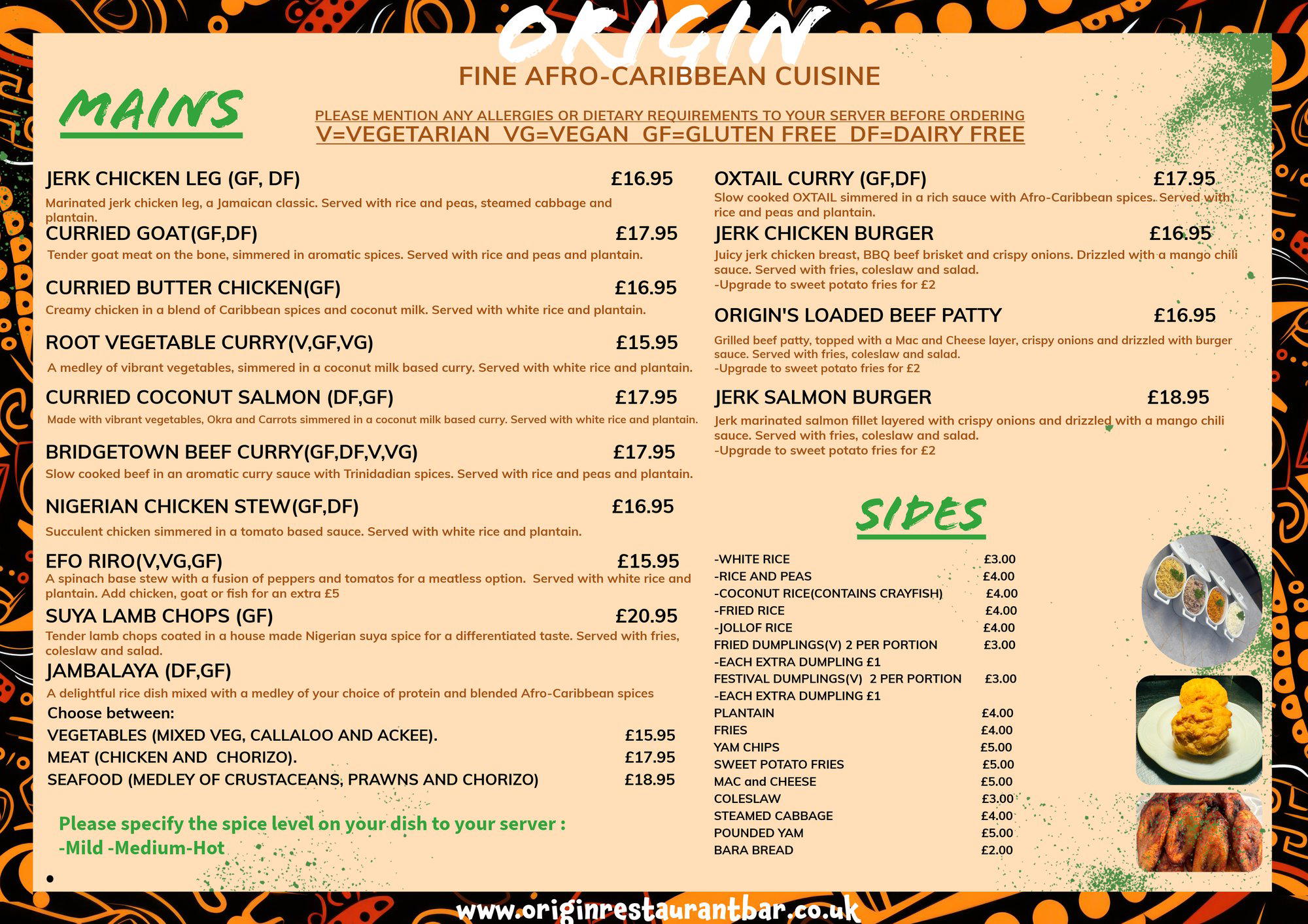
| Origin Restaurant Menu | International restaurant with broad dietary and allergen labelling | Not listed | Halkidiki |
Recognition history
Dated appearances from independent guides and award organizations, with the underlying list record or original source where available.
Relais Chateaux Award
Relais Chateaux
Continue exploring
More in Halkidiki
Restaurants in Halkidiki
Browse all →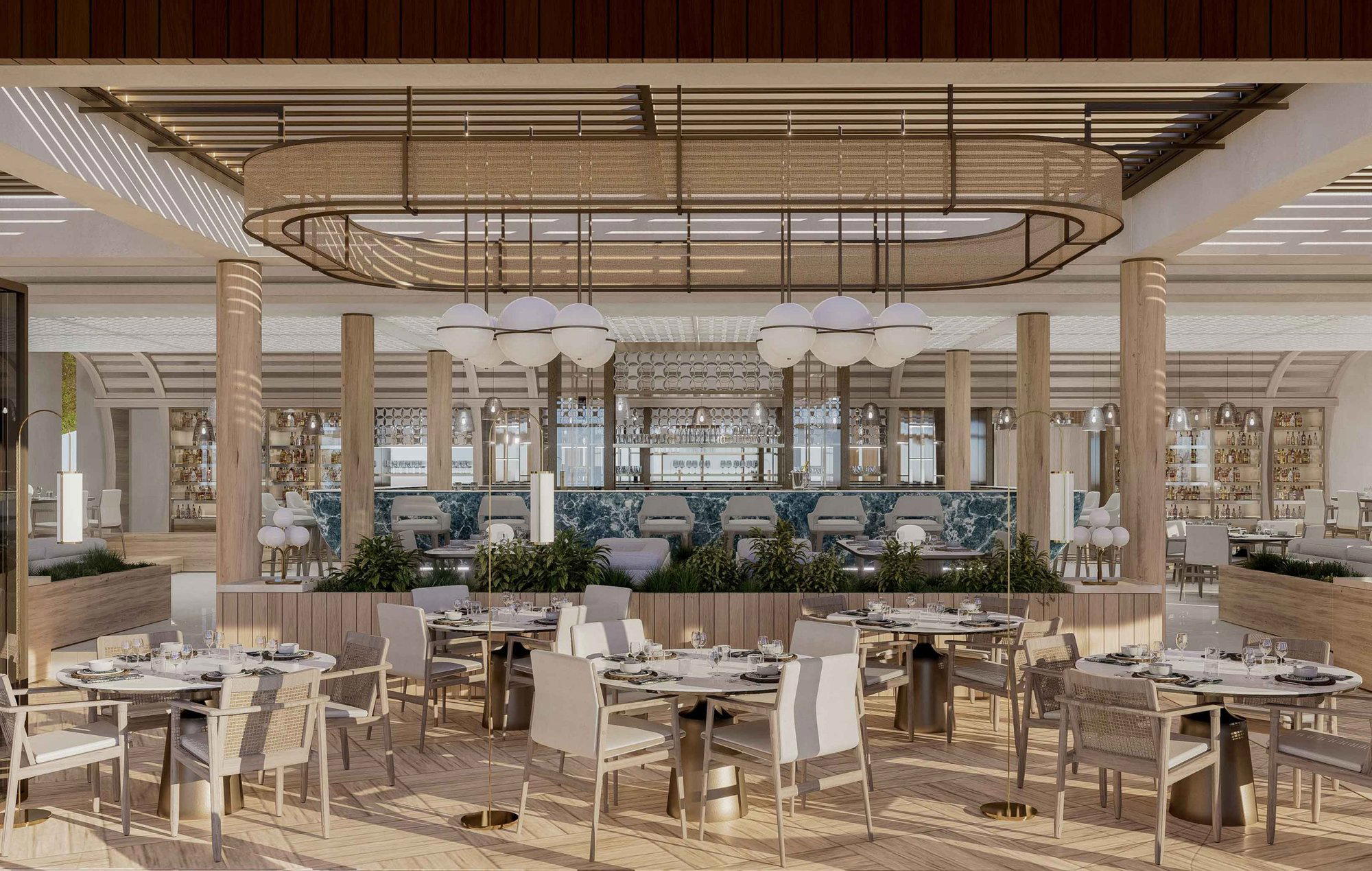
Hotels in Halkidiki
Browse all →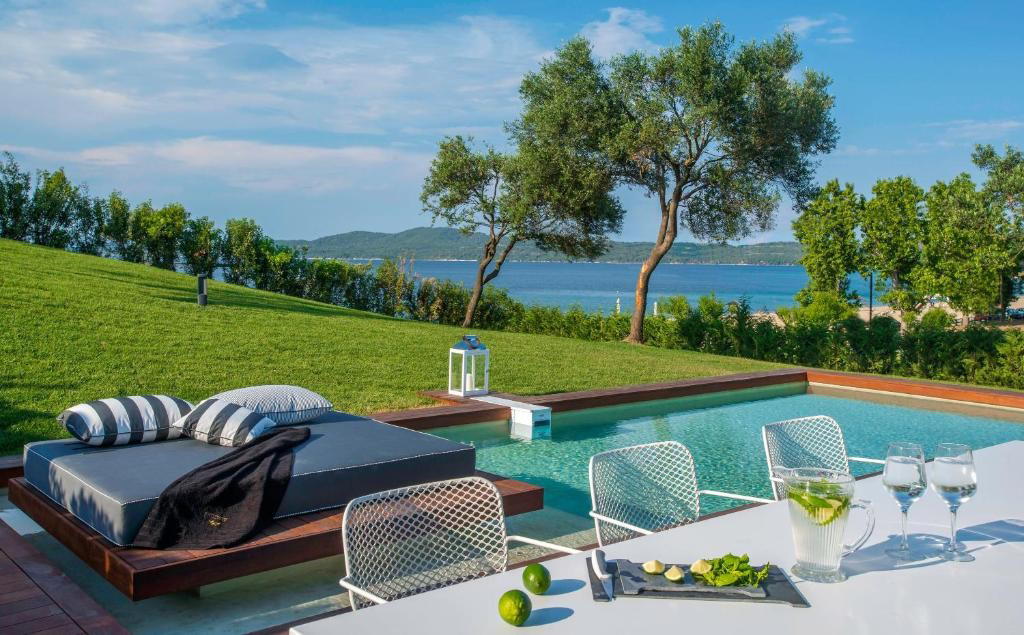
At a Glance
- Elegant
- Romantic
- Sophisticated
- Quiet
- Scenic
- Intimate
- Date Night
- Celebration
- Special Occasion
- Waterfront
- Open Kitchen
- Hotel Restaurant
- Sommelier Led
- Local Sourcing
- Waterfront
- Mountain
Intimate, serene, and polished, with an open-air seaside atmosphere that emphasizes landscape views and a contemplative, monastic-inspired dining experience.