Riverside Kitchen
Our verdict
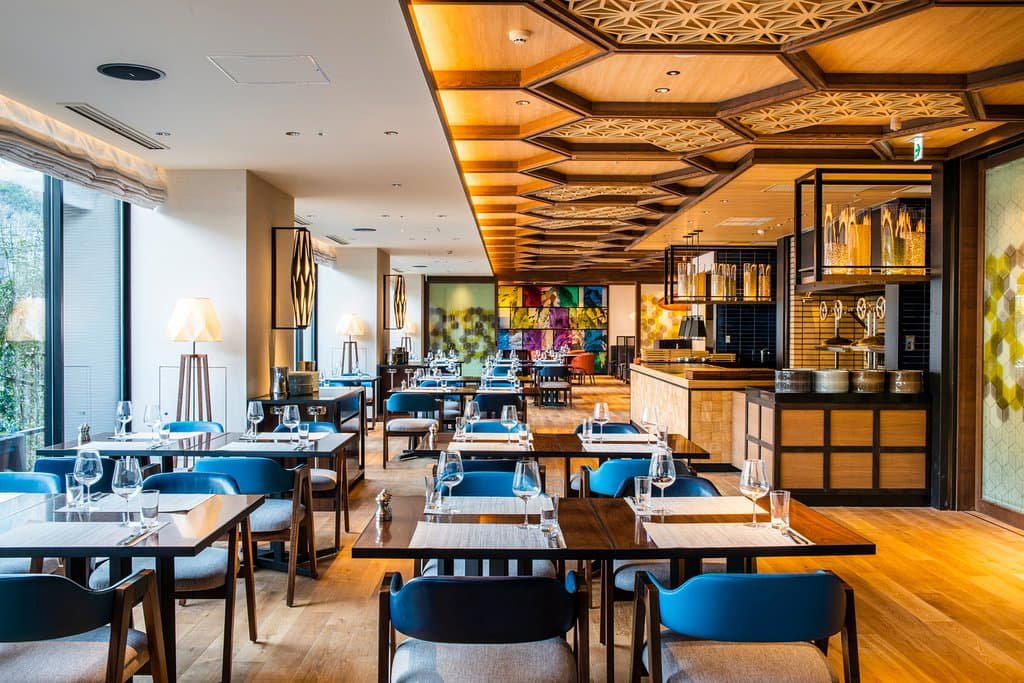
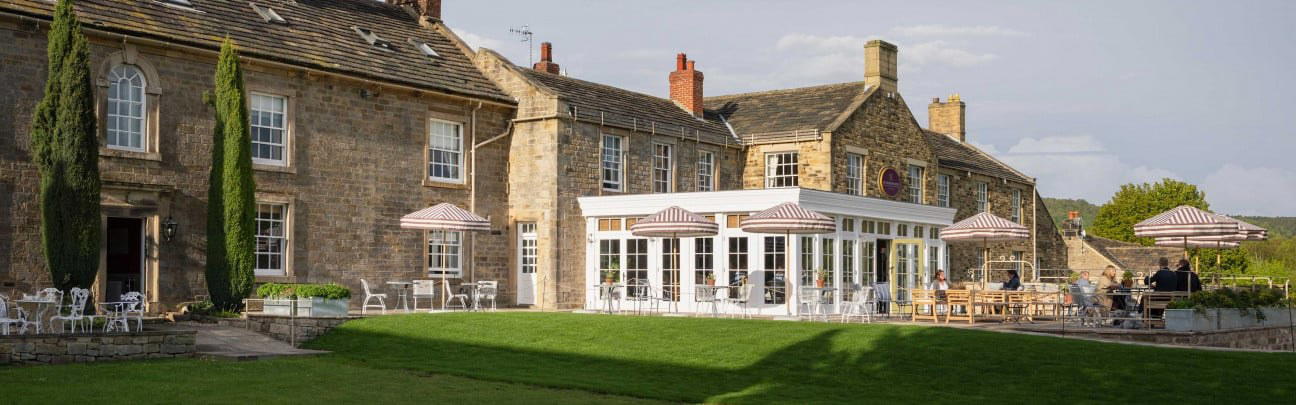
Set inside the Round Building in Hathersage at the heart of the Hope Valley, Riverside Kitchen occupies one of Derbyshire's more architecturally distinctive dining addresses. The kitchen draws on the agricultural richness of the Peak District — a region defined by moorland farms, river valleys, and short supply chains that few urban restaurants can replicate. For visitors travelling through Hope, it represents a grounded, place-specific approach to cooking that the surrounding landscape makes possible.

Pearl is the En Primeur Club membership app — saves, bookings, and concierge access live there. Same editors, same standards.
The menu
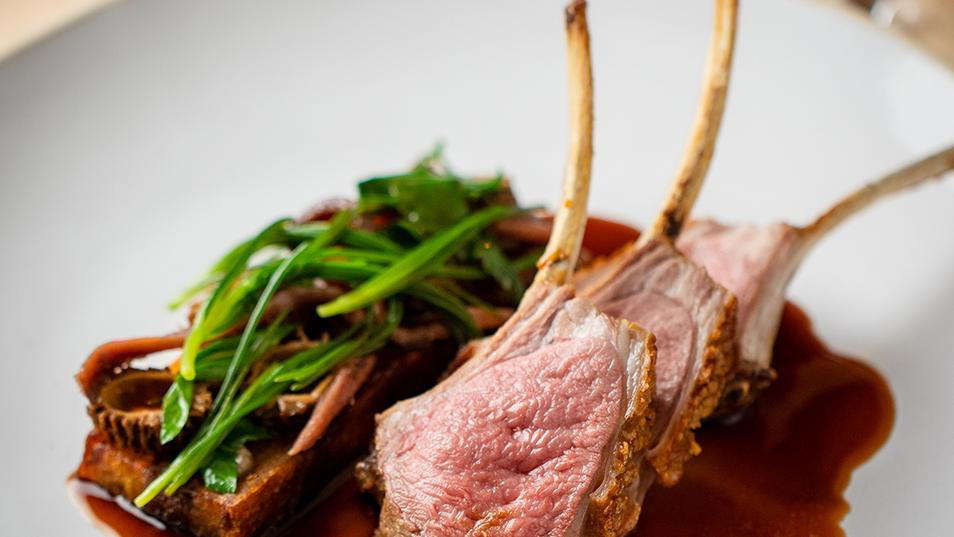
What to order
- Riverside Salad
- Derbyshire Roast Beef Reuben
- Carrot and parsnip soup
- Sticky ginger cake
Where the Hope Valley Sets the Table
The Peak District has always had a quiet argument to make about British ingredient quality. Moorland-grazed lamb, river-caught trout, dairy from farms close enough to see from the dining room window: the raw materials available to kitchens in and around the Hope Valley sit in a different category from what most city restaurants can source, however many suppliers they list on their menus. Riverside Kitchen, housed inside the Round Building in Hathersage, is positioned at the intersection of that agricultural abundance and a genuinely scenic stretch of the S32 corridor that connects Sheffield to the upper reaches of the valley.
The Round Building itself is the kind of address that shapes expectations before you have looked at a single dish. Circular architecture in a British country setting rarely arrives without a sense of occasion, and arriving at Hathersage with the gritstone edges of Stanage visible on the horizon frames the experience as something rooted in this particular geography rather than transplanted from an urban dining room. That sense of place is not incidental. In the broader context of destination dining across the UK, the relationship between setting and sourcing has become one of the more meaningful dividing lines between restaurants that happen to be in the countryside and restaurants that are genuinely of it.
Ingredient Geography and Why It Matters Here
Hope Valley sits inside the Peak District National Park, a designation that controls land use and preserves the farming practices that make the region's produce distinctive. Sheep graze at altitude on rough pasture. The River Derwent and its tributaries run cold and clean through limestone and gritstone geology. Seasonal game, foraged ingredients, and farm-direct vegetables follow the rhythms of an upland agricultural calendar that shifts meaningfully between spring and winter.
For a kitchen operating at this address, those conditions are both an advantage and a discipline. The supply chain is short by necessity as much as choice, and menus anchored in what the surrounding farms and estates produce tend to reflect the season more honestly than menus assembled from national wholesale lists. This is the model that has defined the most credible end of British country-house dining since at least the 1990s, when places like Le Manoir aux Quat'Saisons in Oxford demonstrated that kitchen gardens and regional sourcing could anchor a serious international reputation. It is also the logic behind more recent destinations such as L'Enclume in Cartmel and Moor Hall in Aughton, both of which have turned northern England's agricultural character into a competitive asset at the highest tier of British fine dining.
Riverside Kitchen operates in a different price bracket from those Michelin-starred northern destinations, but it shares their geographic logic: the reason to come here is partly the food and partly the fact that the food cannot be made in the same way anywhere else.
The Hope Valley in the Context of Destination Dining
British destination dining outside London has been reshaping itself for the better part of two decades. The model of the grand country-house hotel with a formally plated tasting menu and a brigade to match has not disappeared, but it now shares the map with a more varied set of formats: smaller, more informal rooms that prioritise ingredient quality over production volume, and kitchens that treat the local landscape as a primary creative resource rather than a marketing backdrop. You can trace that spectrum from the coastal precision of hide and fox in Saltwood through the technical ambition of Restaurant Sat Bains in Nottingham to the full-commitment wilderness intensity of Ynyshir Hall in Machynlleth.
What the Hope Valley adds to that map is a particular kind of accessibility. The Peak District sits within ninety minutes of Manchester, Sheffield, and Nottingham, which means the region can draw a serious dining audience without requiring overnight stays or long-haul journeys. Hathersage itself is a walking and cycling destination with a strong visitor infrastructure, so Riverside Kitchen exists inside a leisure economy that brings potential diners through the door for reasons beyond the restaurant itself. That footfall dynamic tends to favour kitchens that can satisfy both committed food travellers and visitors who arrived for the hills and stayed for lunch.
For the more dedicated end of that audience, the Midlands and North offer a constellation worth mapping. Opheem in Birmingham, Midsummer House in Cambridge, and 33 The Homend in Ledbury each represent distinct expressions of what regional British cooking looks like when it takes its own geography seriously. The Hope Valley has its own case to make within that broader regional conversation.
Arriving and Planning a Visit
Hathersage is accessible from Sheffield via the A625, a journey of around twelve miles through the Derwent Valley that takes roughly twenty-five minutes by car. Train services from Sheffield reach Hathersage station, which is a short walk from the village centre and the Round Building address. Visitors combining the restaurant with a day in the Peak District will find the valley well served by walking routes across Stanage Edge and the surrounding moorland, which makes a midday or early-evening visit a natural endpoint to a longer itinerary. For those building a wider British dining trip, the region pairs logically with a visit to Gidleigh Park in Chagford or a northern swing through Restaurant Andrew Fairlie in Auchterarder and The Glenturret Lalique in Crieff. Our full Hope restaurants guide covers the broader dining picture in and around the valley. Those building a wider comparison set for British cooking with a sourcing-led philosophy might also look at CORE by Clare Smyth in London, Waterside Inn in Bray, and Hand and Flowers in Marlow, though the rural intensity of the Hope Valley setting is its own distinct proposition. For international context on kitchens that treat sourcing as a structural commitment rather than a talking point, Le Bernardin in New York City and Atomix in New York City represent different but instructive approaches to how ingredient provenance shapes a menu's identity from the ground up.
Frequently asked questions
Is Riverside Kitchen good for families?
Riverside Kitchen sits in the Round Building in Hathersage, a village setting within the Hope Valley that attracts walkers, cyclists, and day-trippers from Sheffield and beyond. The surrounding Peak District context makes it a natural stop for families already spending time outdoors in the area.
What should I expect atmosphere-wise at Riverside Kitchen?
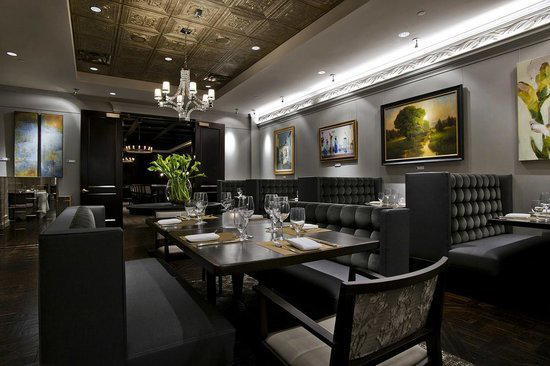
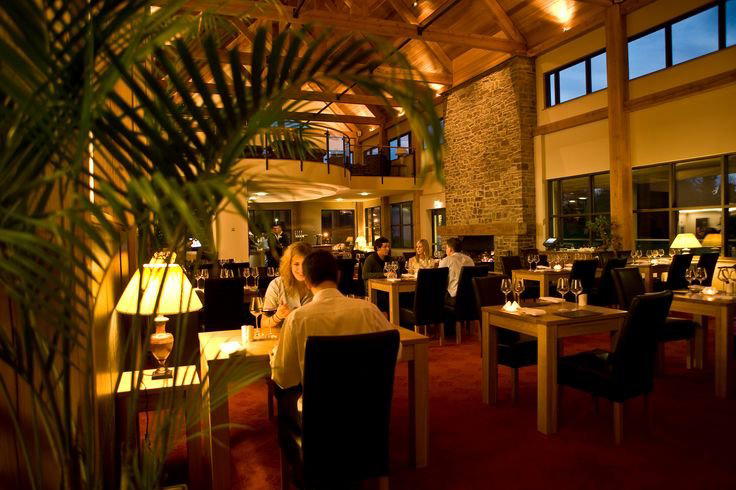
The venue occupies the Round Building in Hathersage, an address that already signals something architecturally out of the ordinary for a Hope Valley dining room. The Peak District National Park setting — moorland views, river access, farming land in every direction — shapes the mood as much as the interior does. Expect a tone that leans rural and grounded rather than formally ceremonial.
Is Riverside Kitchen worth a trip from Sheffield specifically for the food?
Hathersage is roughly twelve miles from Sheffield via the A625 through the Derwent Valley, making Riverside Kitchen a viable destination rather than a detour. The Round Building address in Hope Valley S32 1BA places it squarely inside the Peak District National Park, where the concentration of quality farm and moorland produce gives kitchens a sourcing advantage that most city restaurants cannot replicate at the same proximity.
At-a-Glance Comparison
Comparable venues nearby, for context on price, style, and recognition.
| Venue | Cuisine | Price | Awards | Notes |
|---|---|---|---|---|
| Riverside KitchenThis venue — the venue you are viewing | British Farm-to-Table Café | $20–30 | Not listed | Not listed |
| Claridge's Bakery | Modern British bakery & café | Not listed | Not listed | Mayfair |
| York Minster Refectory | Modern British Brasserie | $30–50 | Not listed | City Centre |
| Chapter | Modern British Brasserie | $50–100 | The Good Food Guide GFG Good | Edgbaston |
Continue exploring
More in Hope
Restaurants in Hope
All restaurants in Hope →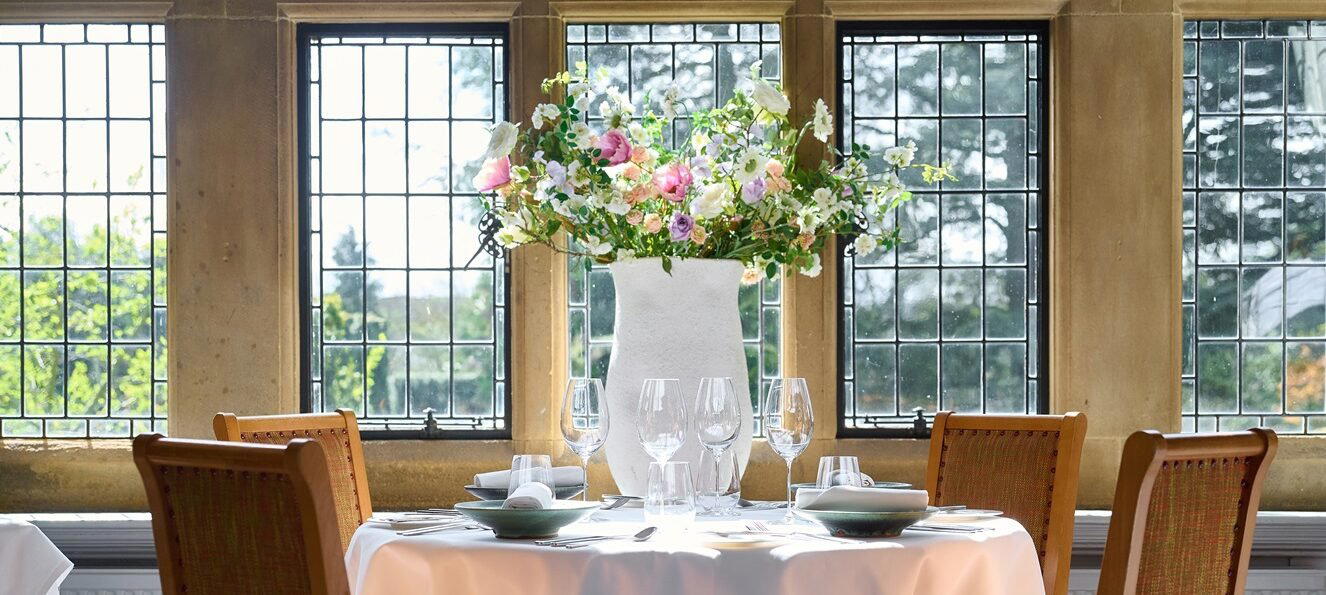
Details
- Scenic
- Cozy
- Brunch
- Casual Hangout
- Family
- Waterfront
- Open Kitchen
- Standalone
- Beer Program
- Farm To Table
- Local Sourcing
- Waterfront
- A La Carte
- Coffee
- Tea
- Beer
- Vegetarian Friendly
- Vegan Options
- Gluten Free Options
- Allergy Accommodating
Current opening hours
- Monday
- 10 AM–4:30 PM
- Tuesday
- 10 AM–4:30 PM
- Wednesday
- 10 AM–4:30 PM
- Thursday
- 10 AM–4:30 PM
- Friday
- 10 AM–4:30 PM
- Saturday
- 10 AM–4:30 PM
- Sunday
- 11 AM–4:30 PM
Hours can change for holidays and private events. Last verified .
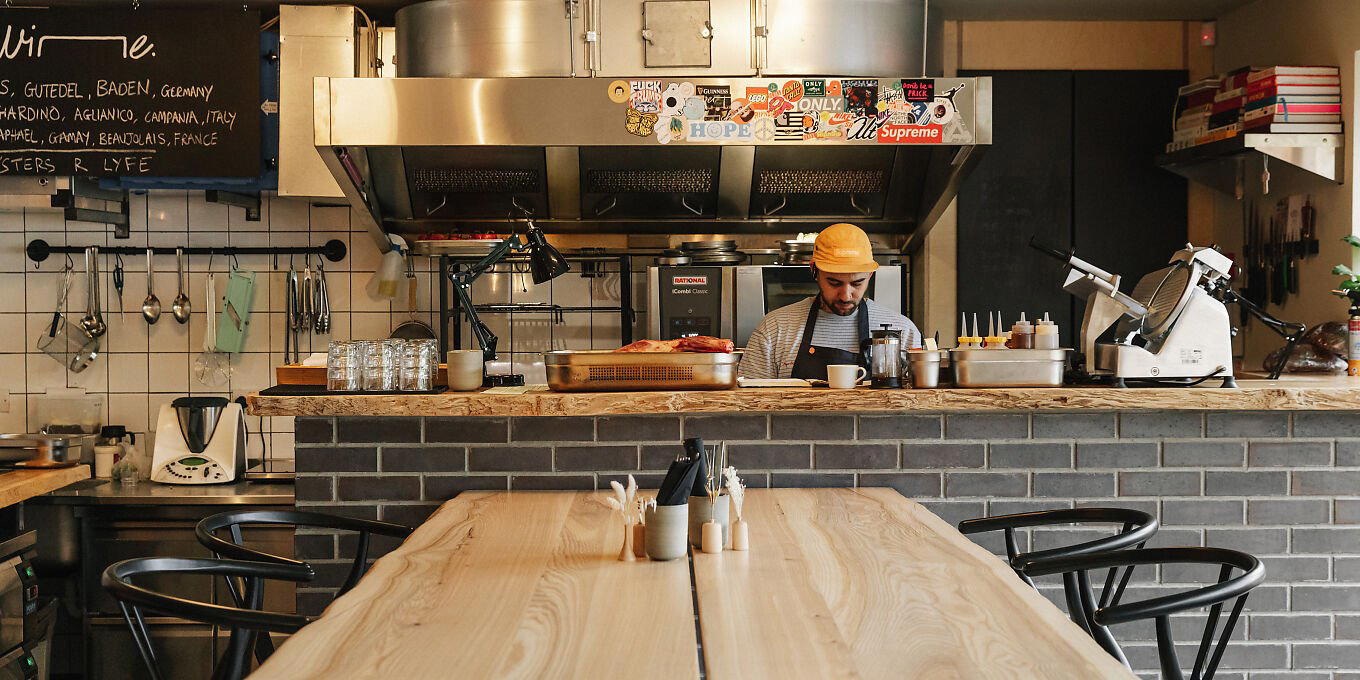
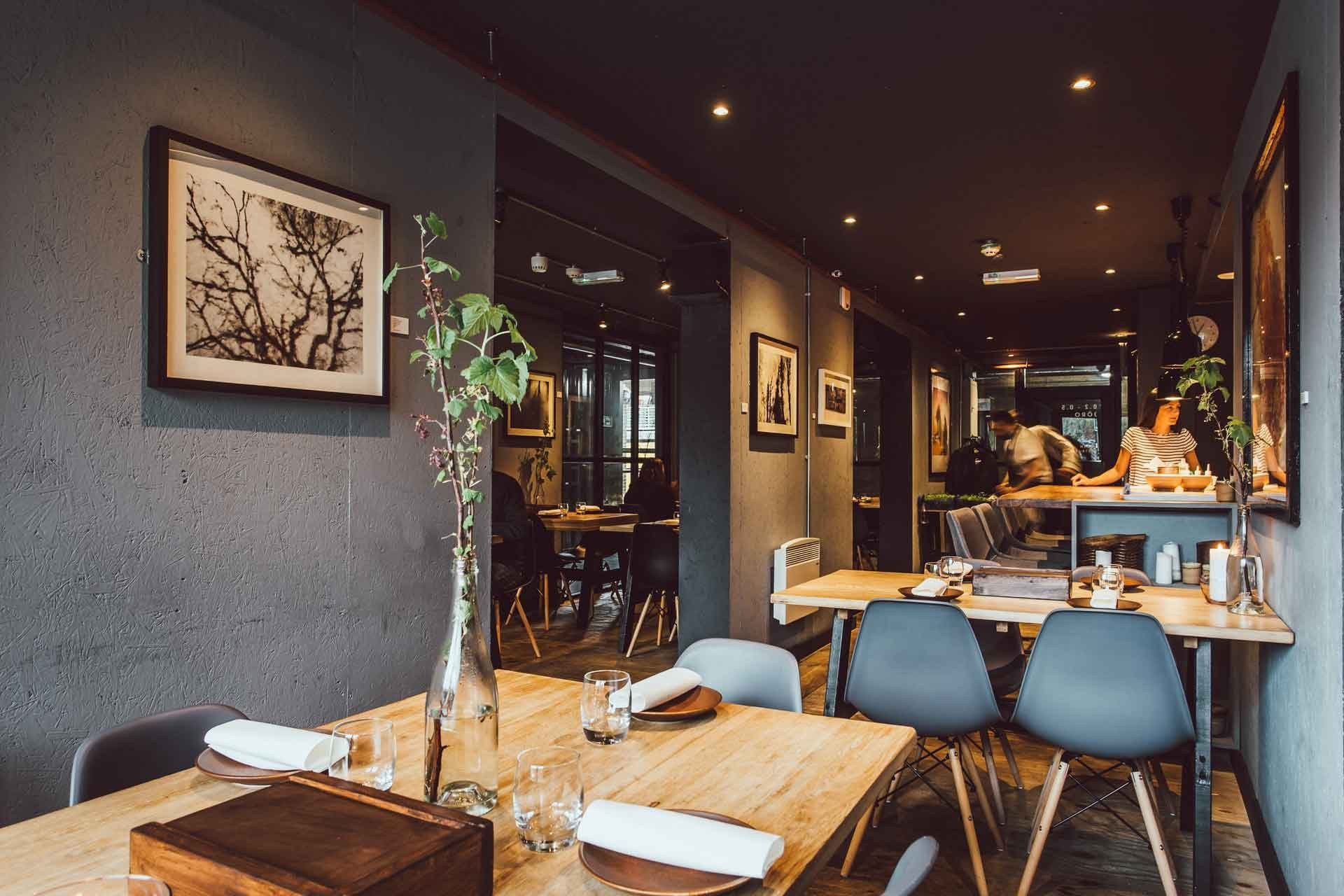
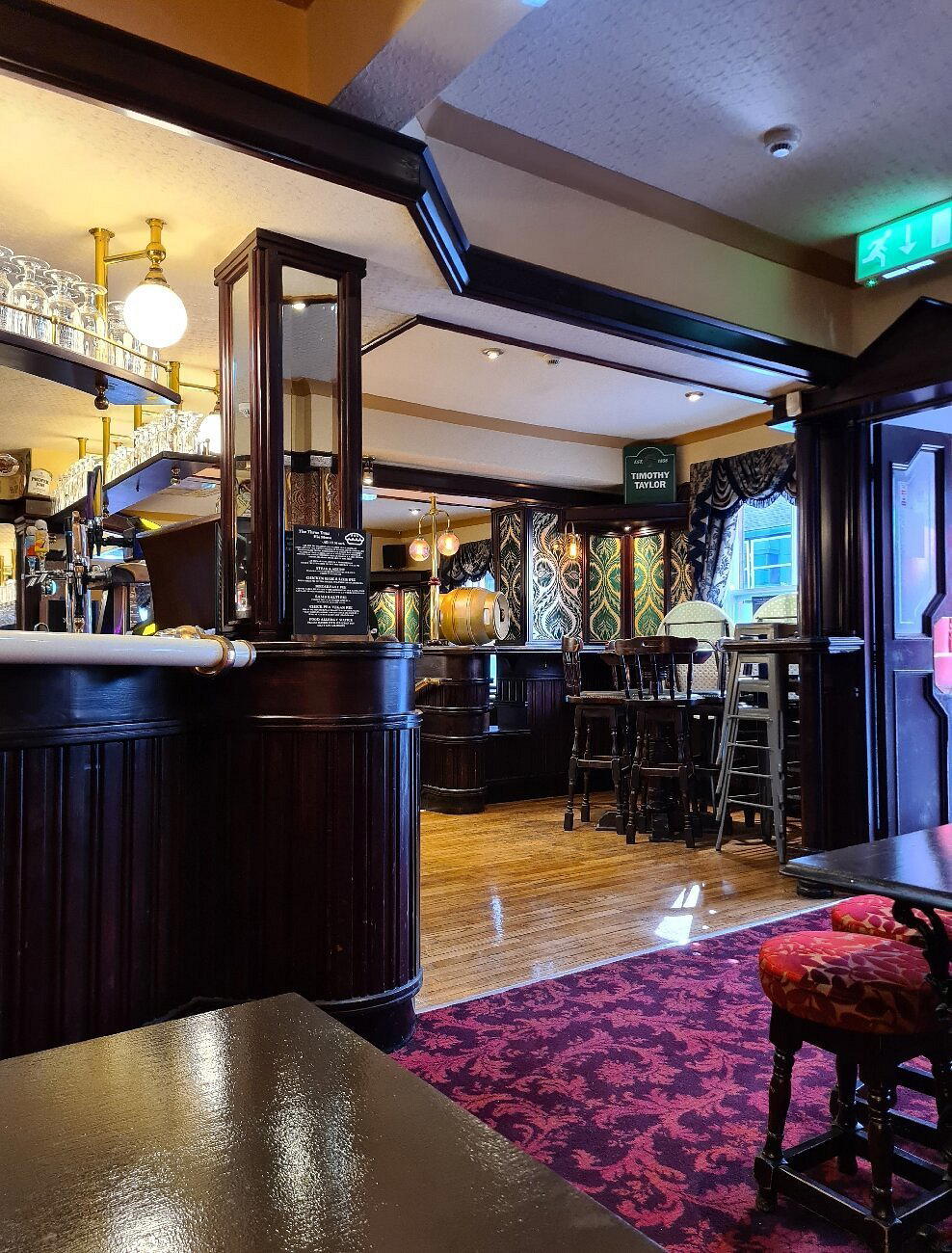
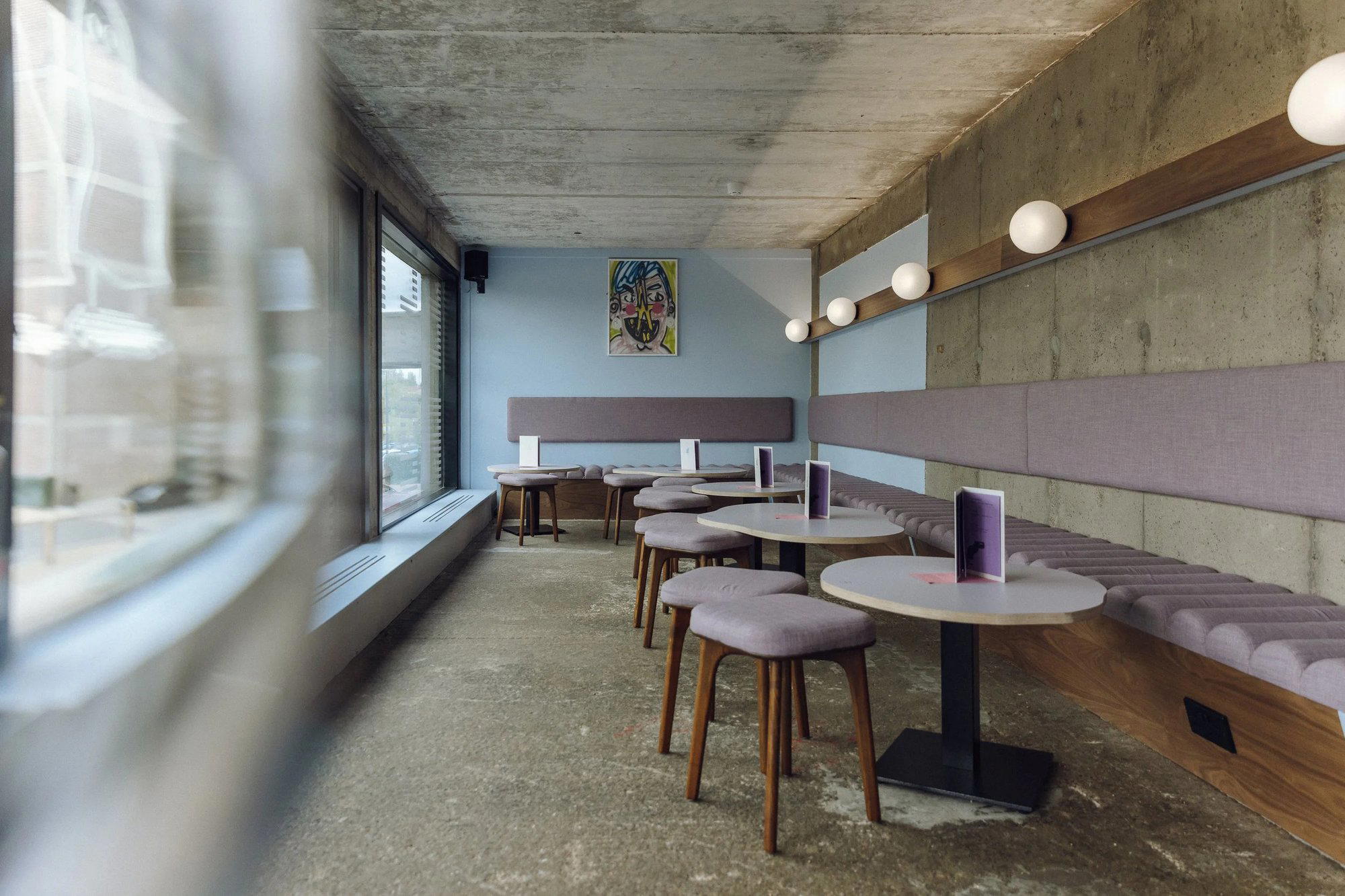
Bright, welcoming café with riverside views from a balcony; spacious ground-floor setting with accessible design; stylish yet relaxed atmosphere.