Restaurant Abbaye de Valmagne
Our verdict
Dining at the Abbaye de Valmagne places you inside one of the Languedoc's most significant medieval structures, a Cistercian abbey that has been producing wine since the 13th century. The restaurant operates within that same historic fabric, drawing on a region where viticulture and gastronomy have been intertwined for centuries.

Pearl is the En Primeur Club membership app — saves, bookings, and concierge access live there. Same editors, same standards.
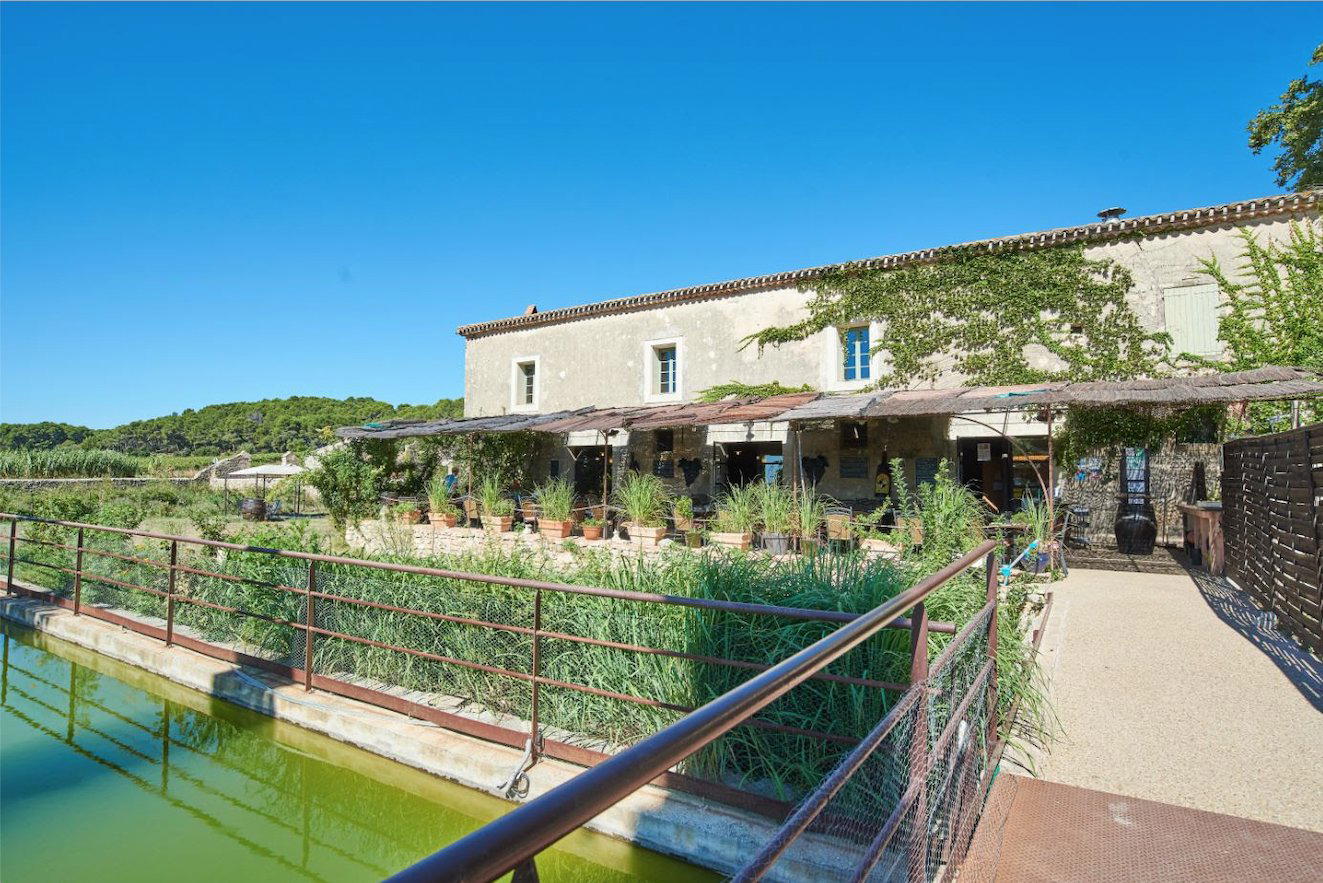
Stone, Vine, and Table: Dining Inside a Cistercian Abbey
There are settings that make a meal feel incidental to the architecture, and there are settings where the architecture becomes the meal's most persuasive argument. Inside, enormous wine vats placed within the nave by the Granier de Cassagnac family after the French Revolution have stood where monks once prayed, turning sacred space into functional cellar — a layering of history that sets the tone for everything that follows, including the table.
To understand what dining at Valmagne means, it helps to understand what Languedoc-Roussillon is doing to its own food identity right now. Over the past two decades, a quieter repositioning has taken place: smaller appellations within the Hérault, including Pic Saint-Loup, Faugères, and the Terrasses du Larzac, have developed critical reputations that push the region well past its bulk-wine past. The food culture has moved in parallel, with producers, restaurants, and estate tables drawing more deliberately on the particular ingredients the Hérault delivers: oysters and shellfish from the Bassin de Thau seven kilometres to the south, lamb from the Causses plateau to the north, wild herbs from the surrounding garrigue, and olive oil from groves that have defined the Mediterranean diet for millennia. Sète, the fishing port on its western edge, has developed a distinct culinary identity around tielle sétoise and grilled fish that reflects its Italian and Catalan immigration history as much as its French administrative geography. Valmagne sits close enough to the Thau basin that the argument for direct sourcing is geographic logic, not marketing language.
The garrigue itself functions as a larder. Wild thyme, rosemary, cistus, and juniper grow in the scrubland surrounding the abbey, and this botanical register has shaped the flavour profile of Languedoc cooking for as long as there has been Languedoc cooking. A kitchen working seriously with its immediate landscape does not need to import aromatics. The same argument applies to the olives: the Hérault produces AOC-designated olive oil from mills that have operated continuously for generations, and that oil carries a flavour weight that distinguishes it from oils that arrive by tanker from further along the Mediterranean.enprimeurclub.com/restaurants/bras-laguiole-restaurant) with its radical terroir-first philosophy to Mirazur in Menton with its kitchen garden as primary supplier, have established a template in which the sourcing story and the dining experience are inseparable. The Abbaye de Valmagne operates within a tradition where the estate itself — vineyard, cellar, grounds, supplies the narrative frame. The wine produced here is the starting point, not an afterthought on a printed list. The appellations relevant to the estate sit within the broader Languedoc AOC framework, with the Hérault's terroir of limestone, clay, and schist producing primarily red blends built on Syrah, Grenache, and Mourvèdre, alongside whites from Roussanne and Viognier. These are not curiosity wines. The critical consensus on Languedoc's leading producers has shifted markedly since the 1990s, and the region now sits in a competitive tier that invites comparison with appellations that once overshadowed it.enprimeurclub.com/restaurants/allno-paris-au-pavillon-ledoyen-paris-restaurant), Auberge de l'Ill in Illhaeusern, and Flocons de Sel in Megève represent the country's most formally recognised dining. The Abbaye de Valmagne operates in a different register: estate dining in a historic structure, where the wine, the building, and the landscape form the primary argument. It belongs to the same broader impulse that drives visitors to L'Oustau de Baumanière in Les Baux or Auberge du Vieux Puits in Fontjoncouse in the neighbouring Aude: the idea that place can do as much work as technique. For visitors travelling from further afield, Montpellier has a TGV connection to Paris that covers the distance in just over three hours, and Montpellier–Méditerranée airport handles direct flights from several European cities. Visiting the restaurant as part of a broader estate tour, which includes the cellars and vineyards, is the format that most clearly justifies the journey: the abbey's architecture, its wine history, and its table read as a single experience rather than separate attractions. The Hérault is warmest and most active between May and October, with summer heat in July and August that can make midday sittings heavy going; late spring and early autumn offer the most comfortable conditions for both outdoor settings and the surrounding countryside.enprimeurclub.
Frequently asked questions
Would Restaurant Abbaye de Valmagne be comfortable with kids?
The abbey setting in Villeveyrac is architecturally dramatic rather than family-casual, with stone halls and vaulted spaces that reward guests old enough to appreciate the surroundings. Families with older children interested in history or wine culture are likely to find the experience more engaging than those with very young children. check the venue's official channels to confirm any specific provisions for younger guests.
Is Restaurant Abbaye de Valmagne formal or casual?
Dining inside a Cistercian abbey on an active wine estate sets a tone that sits somewhere between relaxed and occasion-worthy. The architecture alone creates a sense of ceremony, but the Languedoc context tends toward convivial rather than stiff. Guests typically dress neatly without treating it as a black-tie affair, though the abbey environment does call for more than beachwear.
Can you visit the Abbaye de Valmagne winery and dine on the same day?
The estate combines one of the oldest continuously documented wine productions in southern France, traced back to the 13th century, with its restaurant and abbey grounds in a single site at Route de Montagnac, Villeveyrac. This makes a combined cellar visit and meal a logical pairing rather than two separate outings. Confirming the schedule for cellar access alongside dining is worth arranging ahead, particularly in peak season.
What's the must-try dish at Restaurant Abbaye de Valmagne?
The restaurant's menu draws on the Hérault region's strongest raw materials, particularly shellfish from the Bassin de Thau lagoon, one of France's primary oyster and mussel producing zones. Given the estate's direct connection to Languedoc wine production dating to the 13th century, pairing any seafood course with an estate wine is the clearest expression of what this address offers.
What's the address for Restaurant Abbaye de Valmagne?
Restaurant Abbaye de Valmagne is located at Route de Montagnac, 34560 Villeveyrac, France, Villeveyrac.
Is Restaurant Abbaye de Valmagne reservation-only?
For a destination of this kind in rural Villeveyrac, arriving without a booking carries real risk, particularly during summer months when both the wine estate and the broader Languedoc region draw visitors. Contacting the abbey directly in advance is the practical approach. The venue's address is Route de Montagnac, 34560 Villeveyrac, France.
Comparable Venues
Comparable venues nearby, for context on price, style, and recognition.
| Venue | Cuisine | Price | Notes |
|---|---|---|---|
| Restaurant Abbaye de ValmagneThis venue — the venue you are viewing | Traditional French Ferme-Auberge | $20–30 | Not listed |
| La Bistrote | French Bistro | $20–30 | Préfecture |
| L’aventure | French Mountain Grill | $30–50 | Oz en Oisans |
| Maison Bebelle | French Grill - Market-Fresh Meat & Frites | $20–30 | Les Halles (Narbonne Market) |
| La Table de Fontfroide | Mediterranean French Bistro | $30–50 | Abbaye de Fontfroide |
| Le Petit Canard | Traditional French Duck Bistro | Not listed | 9th arrondissement |
Continue exploring
More in Villeveyrac
Restaurants in Villeveyrac
All restaurants in Villeveyrac →
Bars in Villeveyrac
Browse all →
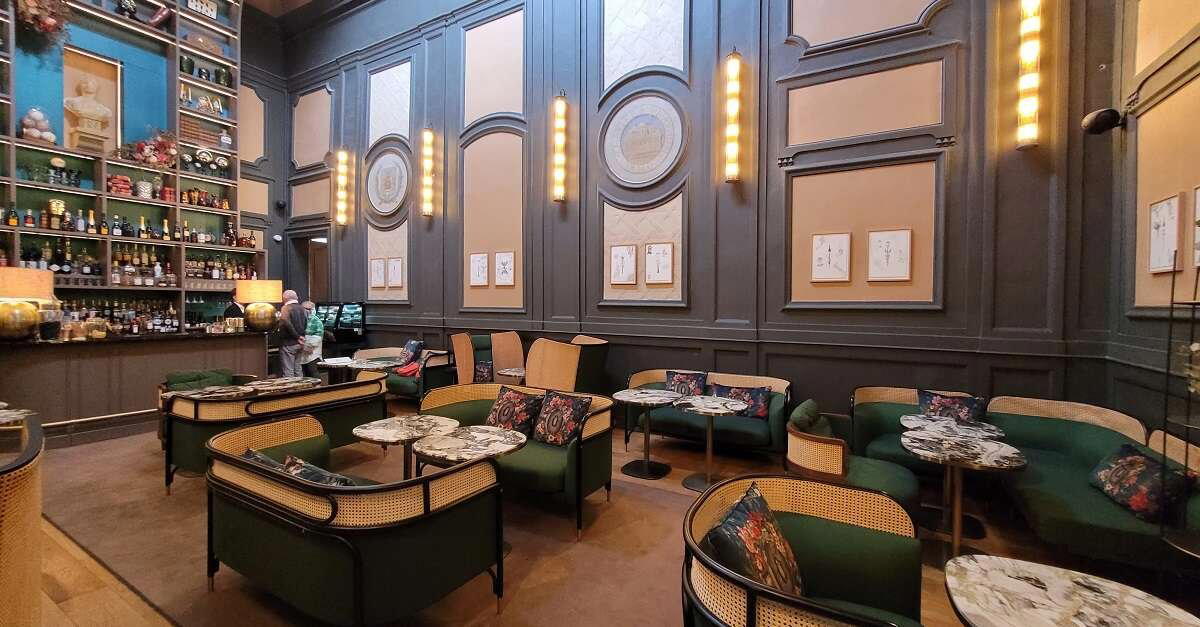
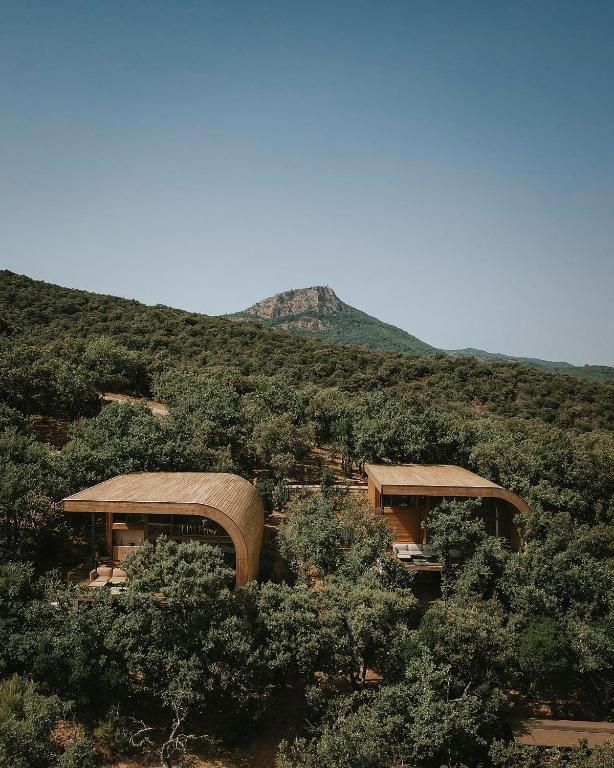
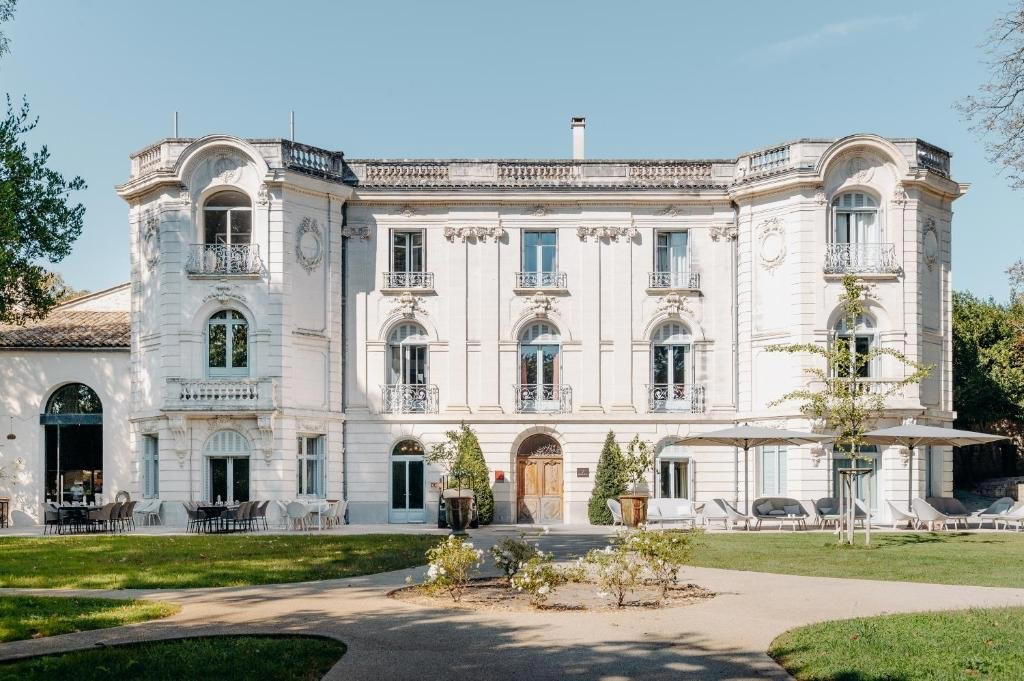
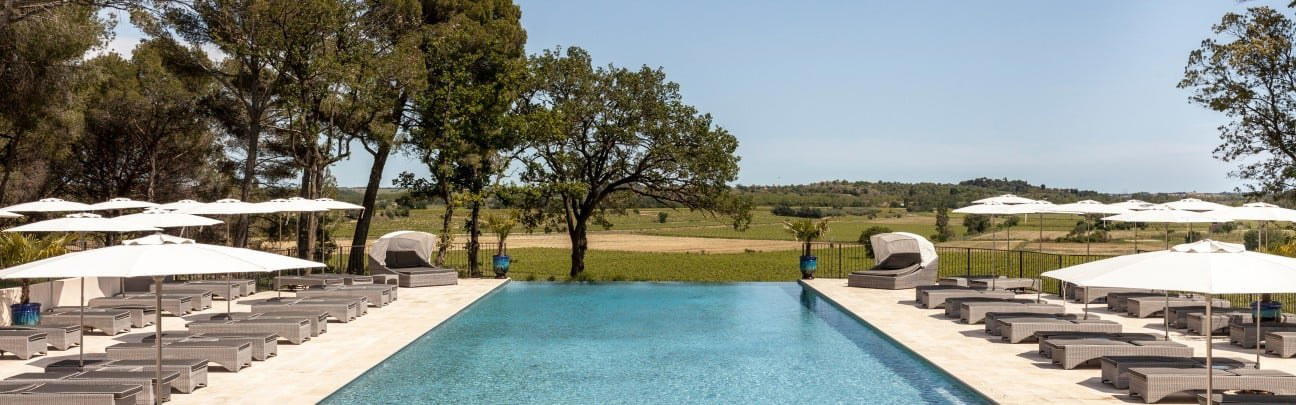

Restaurant Abbaye de Valmagne
The wine
- Wine program
- Curated wine list
- Extensive wine list
Details
- Rustic
- Cozy
- Scenic
- Historic
- Elegant
- Family
- Group Dining
- Celebration
- Historic Building
- Terrace
- Garden
- Extensive Wine List
- Farm To Table
- Organic
- Local Sourcing
- Garden
- A La Carte
- Vegetarian Friendly
Current opening hours
- Monday
- Closed
- Tuesday
- 10 AM–4 PM
- Wednesday
- 10 AM–4 PM
- Thursday
- 10 AM–4 PM
- Friday
- 10 AM–4 PM
- Saturday
- 10 AM–4 PM
- Sunday
- 10 AM–4 PM
Hours can change for holidays and private events. Last verified .
Rustic and natural atmosphere in a rural abbey setting with terrace dining, fresh seasonal produce, and a peaceful historic ambiance.