Ravintola Metsä
Ravintola Metsä sits along the forested ridge of Punkaharju, one of Finland's most celebrated natural corridors, where the kitchen draws directly from the surrounding landscape. The address alone places it within a long tradition of Finnish nature-led dining, where proximity to forest and lake defines what arrives on the plate. For visitors travelling the Saimaa region, it warrants consideration as a serious stop.
Pearl is the En Primeur Club membership app — saves, bookings, and concierge access live there. Same editors, same standards.
- Address
- Punkaharjun Harjutie 596, 58450 Punkaharju, Finland
- Phone
- +358413296140
- Website
- ravintolametsa.fi
- Directions
- Get directions
 Saves & bookings on Pearl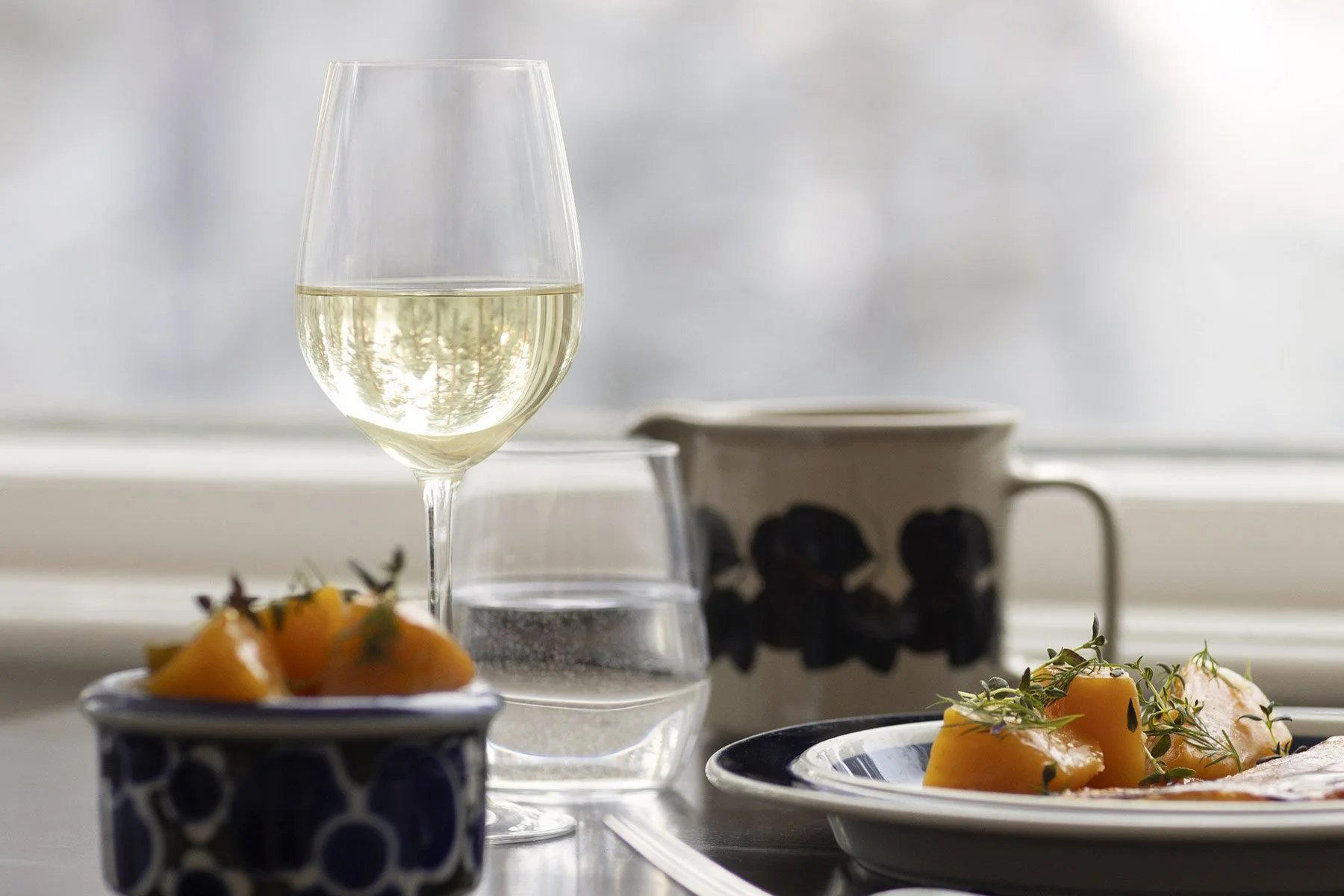
Where the Forest Sets the Menu
The drive to Punkaharju prepares you for what follows at the table. The Harjutie ridge road runs between two lakes, pine and birch pressing close on both sides, and by the time you reach the address at 596, the distinction between exterior and interior feels thinner than in most Finnish dining rooms. Across Finnish cuisine's recent history, particularly credible regional kitchens have organised themselves around a principle: that sourcing radius and ingredient provenance are not marketing decisions but structural ones. Ravintola Metsä, positioned in one of the country's most ecologically distinctive corridors, operates within that framework.
Punkaharju itself has a particular status in Finnish cultural geography. The ridge, formed by glacial deposits between the lake systems of Saimaa, has drawn visitors since the nineteenth century, when the Finnish State established it as one of the earliest protected natural areas in the country. That history of deliberate preservation means the surrounding forests and waterways have remained largely intact, which in culinary terms translates to a sourcing environment of genuine depth: wild herbs, freshwater fish from the Saimaa system, foraged fungi, and game from managed surrounding land. Kitchens that take this seriously can build menus around ingredients that simply do not exist in the same form closer to Finland's urban centres.
The Logic of Sourcing in the Saimaa Region
Finnish new-wave dining, well-represented at urban addresses like Kaskis in Turku and VÅR in Porvoo, has established a recognisable vocabulary: foraged plants, preserved and fermented components, lake and sea fish treated with restraint, and a calendar that tracks Finnish seasons rather than imported produce cycles. What differentiates particularly compelling rural expressions of this tradition from their urban counterparts is compression of the supply chain to the point where the sourcing claim becomes verifiable rather than aspirational. In Punkaharju, the lake is not a poetic reference but a fifteen-minute drive or less. The forest is the immediate surroundings.
This compression matters because it shapes what the kitchen can actually offer at any given week in the year. Summer in the Saimaa region brings crayfish, chanterelles, and wild berries in quantities and at a freshness that urban distributors cannot replicate. Autumn shifts the emphasis toward mushrooms, root vegetables, and the first game of the hunting calendar. Winter in this part of eastern Finland is long and serious, and a kitchen working with local producers either builds a preservation and fermentation program capable of carrying those summer and autumn ingredients forward, or it contracts its ambition considerably. The distinction between those two approaches is one of the more telling things a visitor can assess.
For context, the broader Finnish dining scene worth tracking extends across the country's smaller cities and towns. Filipof in Joensuu, the regional capital of North Karelia, and Vino in Mikkeli, closer to the western Saimaa shore, each represent how Finnish kitchens in mid-sized lake-district towns are working through similar sourcing questions. Laanilan Kievari in Saariselka takes this further north into Lapland, where the constraints and opportunities of the ingredient calendar become even more pronounced. The Punkaharju address belongs in that conversation about Finnish regional dining rather than being assessed in isolation.
The Setting and What It Asks of a Visitor
Eating in a place like Punkaharju requires planning of a different order than booking a Helsinki dinner. The town is roughly 340 kilometres northeast of Helsinki, accessed most easily by train to Punkaharju station on the Joensuu line, or by car along the E63 and Route 14 through Savonlinna. Savonlinna, about 25 kilometres to the west, is the practical base for visitors spending more than a single day in the area and hosts its own dining options worth considering. For those travelling from Tampere or Turku, the journey is longer and best treated as part of a wider eastern Finland circuit rather than a single-destination trip.
The seasonal logic of the region also affects timing. Summer, from late June through August, is when the Saimaa area draws many visitors, both domestic and international, and when the ingredient supply is at its most diverse. The opera festival in Savonlinna, held annually through July, concentrates visitors in the region and puts pressure on accommodation and tables across the area, so planning ahead during that window is sensible. Shoulder seasons, particularly September when the autumn colours along the Harjutie ridge are at their sharpest, offer a quieter version of the same landscape with a different but equally compelling ingredient moment on any serious kitchen's menu.
Placing Ravintola Metsä in Finnish Dining
Finland's premium dining tier is largely concentrated in Helsinki, where addresses like Palace operate at the country's highest price points and with the infrastructure of a capital's supply networks and international visitor base. The question for a kitchen in Punkaharju is how to build a proposition that makes the journey from Helsinki, Tampere, or even further afield feel warranted on its own terms. The strongest argument that any regional Finnish kitchen can make is ingredient access that urban kitchens cannot replicate regardless of budget, and the Saimaa corridor provides that raw material.
Compared against other Finnish addresses in smaller cities, the comparable set is more instructive. Gösta in Mänttä and Figaro in Jyväskylä both operate in Finnish towns where the destination visit is partly built on something beyond the meal itself, whether that is a museum, a landscape, or a festival. Bistro Henriks in Tampere and Hejm in Vaasa are city-based addresses serving larger residential populations. Ravintola Metsä belongs in the destination-visit category, where the surrounding geography is part of the value proposition. Those interested in how Nordic sourcing philosophy translates at the highest international level can look at the contrast with tasting-menu counters like Atomix in New York City, where provenance is equally central but the supply chain logic is entirely different, or Le Bernardin in New York City, where ingredient quality operates at a different scale and in a different tradition.
Other Finnish regional addresses worth knowing include Hai Long in Rovaniemi, Vintti in Hameenlinna, JJ's BBQ in Salo, Mikko Utter in Lohja, and Aurora Sky Restaurant in Sirkka, each representing a different angle on the question of what Finnish regional dining means outside the capital.
In Context: Similar Options
Comparable venues nearby, for context on price, style, and recognition.
| Venue | Cuisine | Price | Notes |
|---|---|---|---|
| Ravintola MetsäThis venue — the venue you are viewing | Forest-Driven Scandinavian Fine Dining | $$$ | Not listed |
| Laanilan Kievari | Scandinavian Lappish with French influences | $$$ | Saariselka |
| Salutorget | Classic Scandinavian Fine Dining | $$$ | Kruununhaka |
| Elite | Classic Finnish with French influences | $$$ | Taka-Toolo |
| Musta lammas | Seasonal Scandinavian Fine Dining | $$$ | Kuopio center |
| Lappi | Traditional Lappish Finnish Cuisine | $$$ | Kamppi |
At a Glance
- Cozy
- Scenic
- Rustic
- Elegant
- Special Occasion
- Date Night
- Waterfront
- Private Dining
- Historic Building
- Local Sourcing
- Waterfront
Charming historic manor house atmosphere with lovely lighting, forest and lake views, creating a cozy and scenic dining experience.