Race Street Cafe
Our verdict
Inventive American eats, craft beers, and sidewalk seating

Pearl is the En Primeur Club membership app — saves, bookings, and concierge access live there. Same editors, same standards.
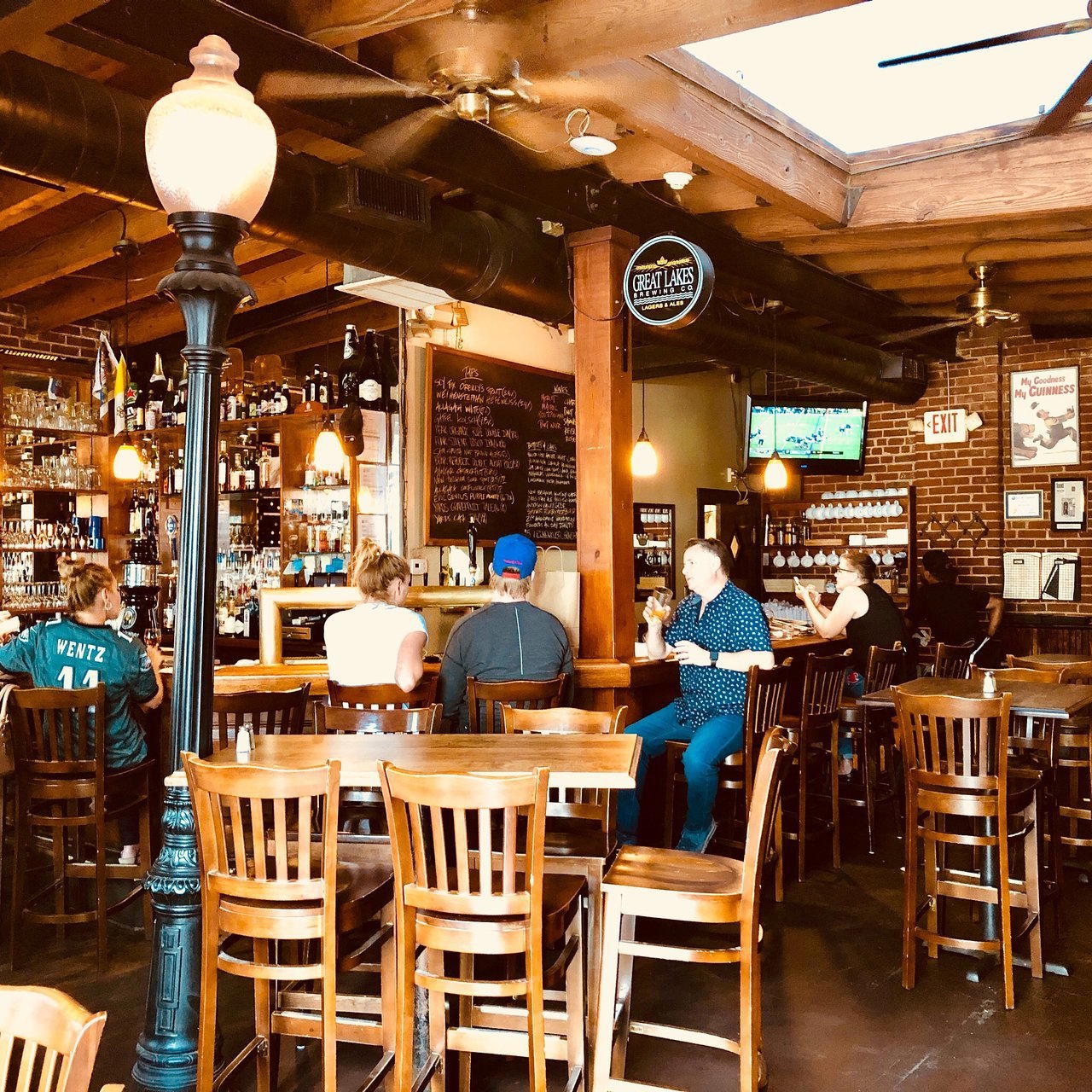
Old City's Back Bar, Reconsidered
Race Street runs east from Sixth toward the Delaware in Philadelphia's Old City, a neighborhood whose colonial-era bones have been repopulated over the decades by galleries, loft apartments, and a bar scene that ranges from tourist-facing beer halls to the occasional quietly serious room. At 208 Race St, the cafe that takes the street's name occupies a physical address in one of Philadelphia's most visited corridors, yet the format positions it apart from the high-volume blocks a few minutes' walk south. That gap between location and character is worth understanding before you arrive.
Old City's drinking scene has always been stratified. The blocks around Second and Market pull the loudest crowds, while the streets north of Arch tend to attract a different rhythm: slower, more deliberate, with venues that depend on repeat custom rather than foot traffic. A bar that sits on Race Street is playing a considered game, relying on a guest who sought it out rather than stumbled in from a tour route.
The Back Bar as Editorial Statement
In American bar culture, the back bar is the most honest signal a venue sends. It tells you what the operators value, how serious their procurement is, and whether the room is built around throughput or around the glass in your hand. The back bars that generate genuine conversation in cities like Philadelphia are not the ones stocked deepest in well-known labels; they are the ones that show evidence of curation, of decisions made about what belongs and what does not.
This pattern of spirits curation as editorial identity has become one of the defining shifts in American bar culture over the past decade. Venues with serious collections typically align themselves with a philosophy: whiskey depth, or an American spirits focus, or a commitment to category oddities that wouldn't move quickly in a high-volume room. Operations like ABV in San Francisco have built their reputations on exactly this kind of deliberate back-bar construction, where the selection functions as argument rather than catalogue. The same logic animates Kumiko in Chicago, where Japanese spirits literacy is integrated into the broader program without becoming a novelty act.
In Philadelphia specifically, the bar landscape has been moving toward greater spirits specificity for several years. Venues such as 12 Steps Down operate with a recognizable character that attracts guests who know what they want, while rooms like 1501 Passyunk Ave demonstrate what a neighborhood-anchored bar program can look like when it has clear convictions. Race Street Cafe sits within that broader Philadelphia shift toward bars that reward the guest who reads the shelf before ordering.
Cocktail Programs in Transition
The better cocktail bars in second-tier American cities, and Philadelphia qualifies as exactly that by bar-scene metrics, have spent the past five years closing the gap with New York and Chicago in terms of program sophistication. That acceleration has been uneven: some rooms updated their aesthetics while leaving the actual drink-making largely unchanged; others quietly built serious programs while keeping an approachable room. The latter category tends to produce the more durable venues.
Race Street Cafe's position within that arc is shaped by its address as much as its program. Old City sees enough visitor traffic that a bar there could easily default to simple, fast-moving formats. The decision to occupy the more considered register in that context, if indeed that is what Race Street Cafe does, reflects a bet that the neighborhood's residential and professional base is large enough to sustain a more deliberate approach.
Across the country, bars that have made similar bets have tended to draw from regional models rather than coast-city templates. Jewel of the South in New Orleans and Julep in Houston both operate in cities with strong drinking cultures that are not defined by New York rhythms, and both have found substantial audiences by doing so. Philadelphia's bar culture has its own strong local identity, and venues that speak to that identity rather than import a generic metropolitan bar format tend to land with more conviction.
Reading the Room
The neighborhood immediately around Race Street includes the kinds of Old City institutions that have set expectations for the area: Belgian-focused Abbaye on North Third has long established a template for serious beer alongside food; Tria's various iterations have demonstrated that a wine-focused format can sustain in Philadelphia without requiring a Society Hill price point. These are not direct competitors to a cocktail-forward bar, but they do define the guest's frame of reference. Someone walking Race Street with a drink in mind has likely already considered and passed over those options.
Newer additions to Philadelphia's bar scene bring different energies. 48 Record Bar in South Philly combines vinyl culture with a bar program, while 637 Philly Sushi Club operates at the intersection of Japanese food and serious drinking. Both demonstrate the breadth of what Philadelphia bar operators are attempting right now, and both are worth knowing about as context for what a bar in Old City is positioned against.
For an international frame of reference, programs like Bar Leather Apron in Honolulu and The Parlour in Frankfurt on the Main show how serious spirits curation plays in markets that are not traditionally associated with cocktail culture. The lesson in each case is the same: a well-read back bar, presented with conviction, creates a reason to return that has nothing to do with novelty. Superbueno in New York City operates from a similar premise within a far more competitive environment, suggesting that specificity of vision can cut through even in crowded markets.
Know Before You Go
| Address | 208 Race St, Philadelphia, PA 19106 |
|---|---|
| Neighborhood | Old City, Philadelphia |
| Reservations | Contact |
| Website | Not currently listed |
| Phone | Not currently listed |
| Price range | Not confirmed |
For broader planning across Philadelphia's bar and restaurant scene, see our full Philadelphia restaurants guide.
Frequently asked questions
Where can I find Race Street Cafe?
Race Street Cafe is located at 208 Race St, Philadelphia, PA 19106, Philadelphia.
How does Race Street Cafe fit into Philadelphia's Old City bar scene?
Old City is one of Philadelphia's denser bar corridors, anchored by venues with defined programmatic identities built over years of operation. Race Street Cafe at 208 Race St occupies a block where the competitive set includes Belgian-focused and wine-bar operators, meaning the neighborhood already has an educated drinking audience.
What is Race Street Cafe known for?
Race Street Cafe is a bar operating at 208 Race St in Philadelphia's Old City, a neighborhood whose drinking culture runs from Belgian beer specialists like Abbaye to wine-bar formats like Tria. The venue sits within that competitive block and draws from a foot-traffic corridor that connects colonial Philadelphia landmarks to the Delaware waterfront.
Accolades, Compared
Continue exploring
More in Philadelphia
Restaurants in Philadelphia
All restaurants in Philadelphia →
Bars in Philadelphia
All bars in Philadelphia →
Details
- Rustic
- Cozy
- Intimate
- Casual Hangout
- After Work
- Standalone
Current opening hours
- Monday
- 11:30 AM–10 PM
- Tuesday
- 11:30 AM–10 PM
- Wednesday
- 11:30 AM–10 PM
- Thursday
- 11:30 AM–10 PM
- Friday
- 11:30 AM–11 PM
- Saturday
- 10:30 AM–11 PM
- Sunday
- 10:30 AM–10 PM
Hours can change for holidays and private events. Last verified .
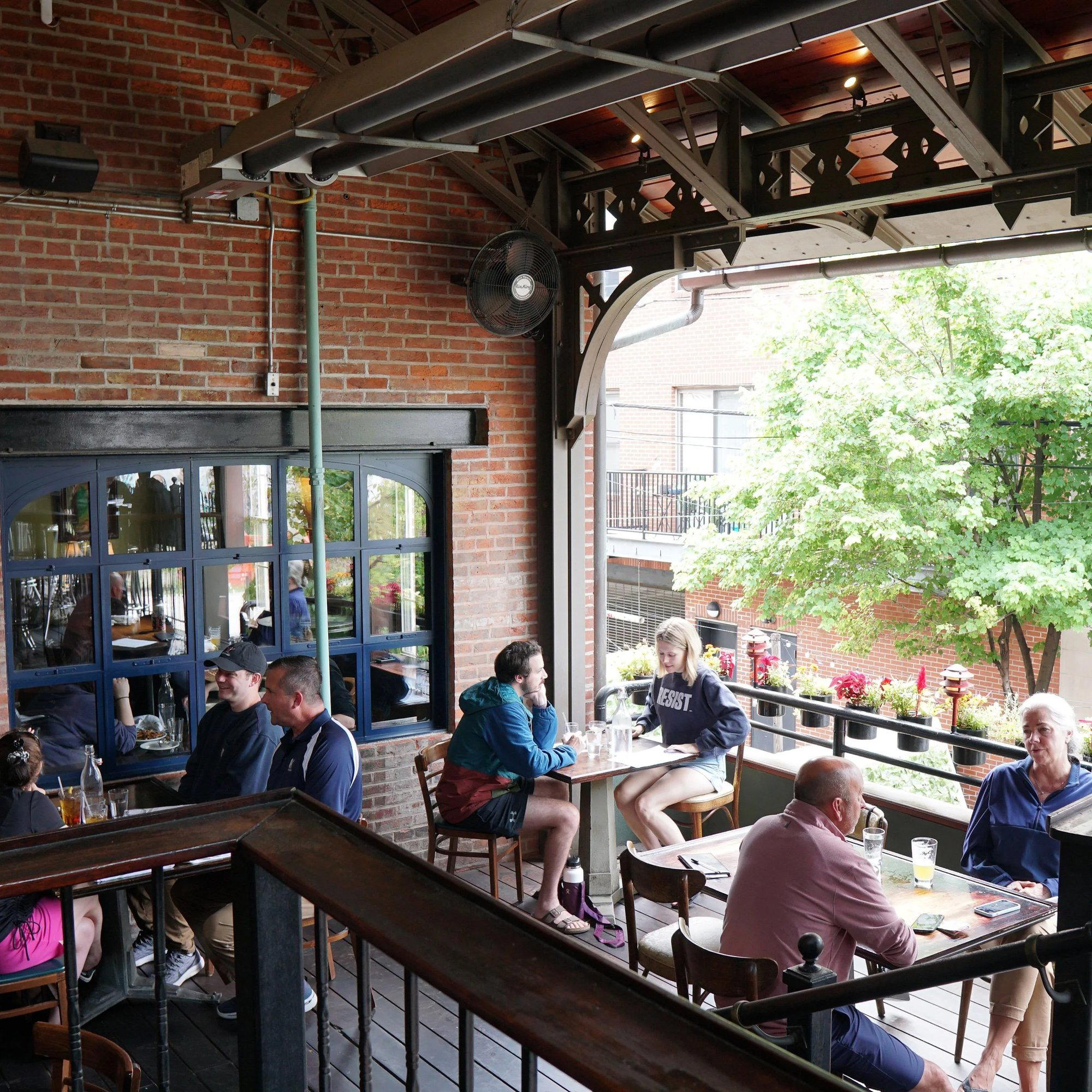
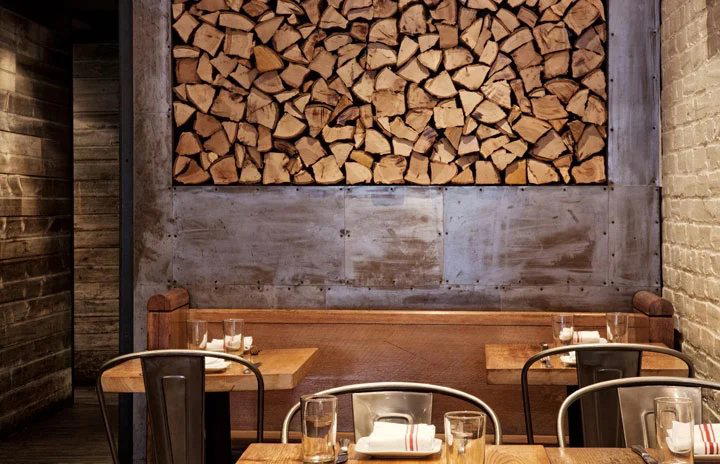
Dimly lit rustic bistro with warm wood stove and exposed brick.