HOTEL DU PONT

Hotel du Pont has anchored Wilmington's civic life from its address at 42 W 11th Street since its opening in the early twentieth century, operating 217 rooms across a property whose scale and architectural weight have long set it apart from the city's smaller boutique alternatives. The hotel sits at the intersection of corporate Delaware and genuine historic hospitality, making it the default reference point for anyone spending more than a night in the city.
Pearl is the En Primeur Club membership app — saves, bookings, and concierge access live there. Same editors, same standards.
- Address
- 42 W 11th St, Wilmington, DE 19801
- Phone
- +1 302-594-3100
- Website
- hoteldupont.com
- Directions
- Get directions
 Saves & bookings on Pearl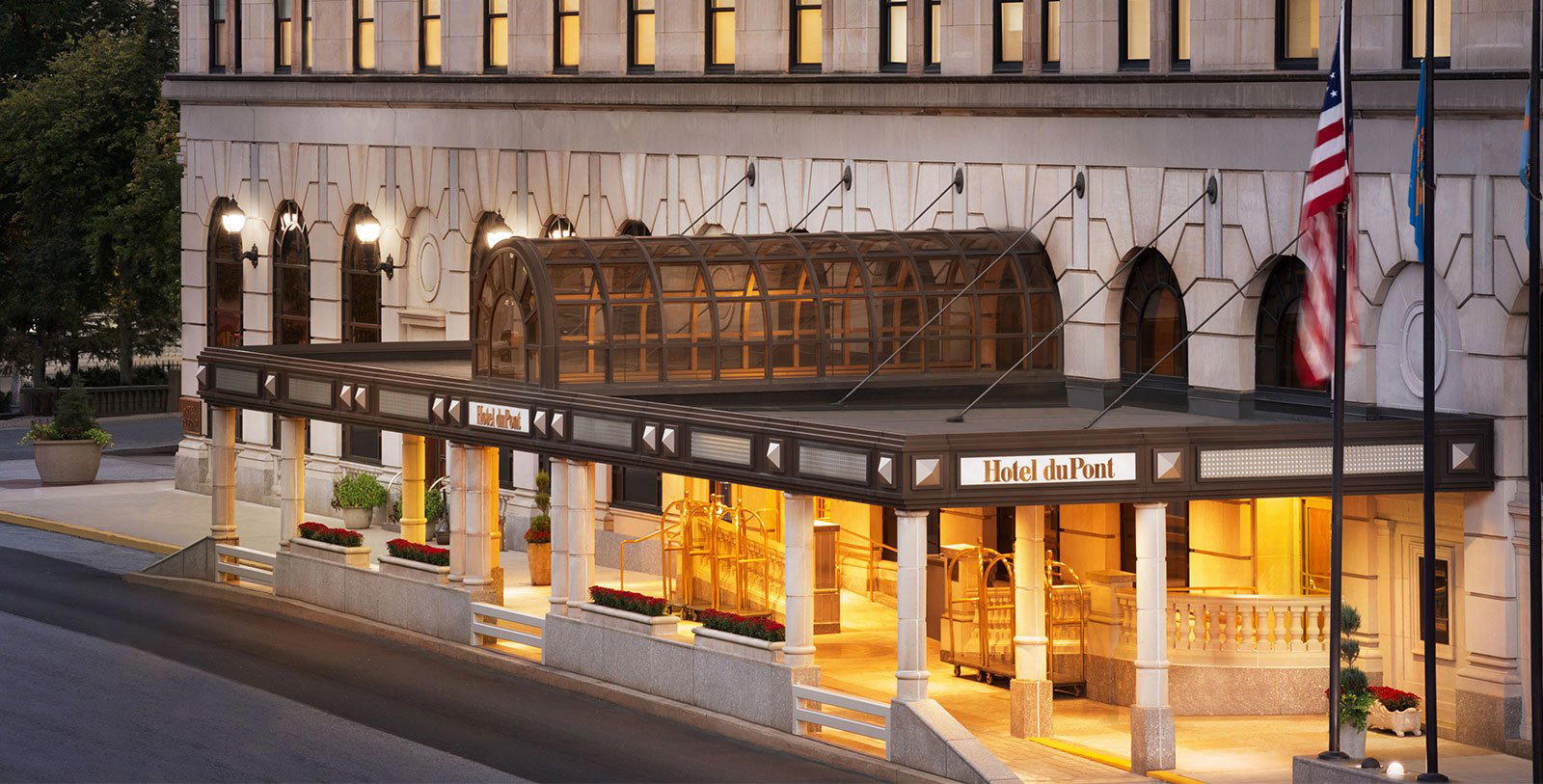
A Grand Hotel in a Working City
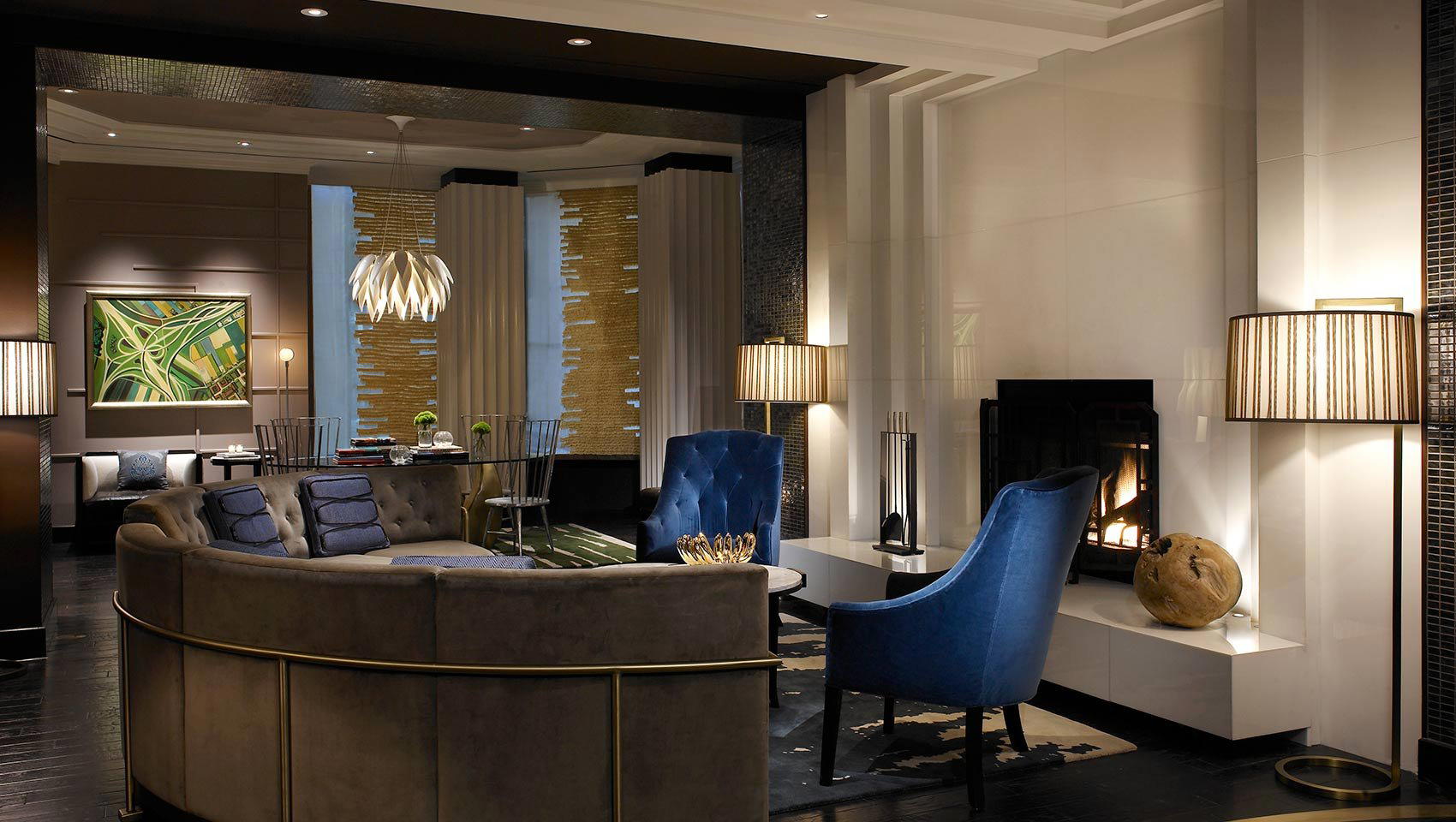
Grand hotel architecture in American mid-sized cities tends to follow one of two trajectories: gradual decline into convention-block anonymity, or preservation with enough institutional backing to hold the line. Hotel du Pont belongs to the second category. Built at 42 W 11th Street in Wilmington, Delaware, the property was conceived as civic infrastructure as much as lodging, a statement about the city's economic ambition in an era when a hotel of this scale was a declaration of intent. That original purpose still shapes how the hotel operates. Its 217 rooms sit within a building whose lobby and public spaces carry the proportions of an earlier, more formal mode of hospitality, where the architecture itself was meant to communicate something to the guest before a single staff member spoke a word.
Wilmington's hotel market has diversified in recent years. Properties like ARRIVE Wilmington, Dreamers Welcome, and The Quoin have introduced a design-conscious, smaller-footprint alternative to the city's traditional hotel stock. Hotel du Pont positions itself against that backdrop not through competition but through contrast: it is larger, older, and more formally structured, and the guest experience is shaped by that difference in scale and institutional weight.
Service as Architecture
In hotels of this vintage and ambition, service culture tends to be the variable that determines whether the property ages well or becomes a relic. The grande dame model, as it exists across American cities, depends on a staff culture that can hold formal standards without tipping into stiffness. This model is harder to sustain across 217 rooms than across a forty-key boutique, and the question of whether a large historic property can maintain that quality of attentiveness is always present.
Hotel du Pont operates in a city that is, in practice, a business travel hub above all else. Delaware's corporate law infrastructure draws a steady flow of legal, financial, and executive visitors who know what they want and notice when service standards slip. That context sharpens expectations in ways that leisure-driven destinations sometimes avoid: a guest here is less likely to be distracted by scenery and more likely to be evaluating the hotel on the basics of how quickly a problem is resolved and whether the front desk reads the room on check-in. For a property with this many rooms, that is the service test that matters most.
The approach requires genuine investment in staff tenure and training, and the results are felt most clearly in the small interactions: whether a returning guest is recognized, whether a late-night request is handled without friction, whether the space between arrival and room is managed as an experience rather than a process.
Scale and Positioning in the American Historic Hotel Tier
At 217 rooms, the hotel sits in a tier of American historic hotels that is distinct from both the intimate inn format and the large chain-affiliated convention property. What that scale means for the guest is a certain kind of anonymity: in a 217-room hotel, the chance that any given stay will feel personally managed is lower than at a forty-key property, but the chance that the hotel can absorb a last-minute booking, accommodate a larger group, or offer a room with genuine square footage is correspondingly higher.
This is a different value proposition from the design-led retreats that dominate premium travel writing. Properties like Amangiri in Canyon Point, Post Ranch Inn in Big Sur, or SingleThread Farm Inn in Healdsburg are built around a different kind of scarcity: few rooms, controlled access, a setting that makes the hotel itself the destination. The hotel's model is the opposite. The hotel exists inside a city, serves that city's visitor economy, and earns its position through reliability and institutional presence rather than through remoteness or curation. For many travelers, that is the point.
Comparisons to other American historic properties are instructive. Hotel Bel-Air in Los Angeles operates in a leisure context that amplifies every service interaction. Troutbeck in Amenia serves a weekend-escape market where the surrounding landscape does significant work on behalf of the property. The hotel has neither the climate advantage of Four Seasons at The Surf Club in Surfside nor the scenery premium of Amangani in Jackson Hole. What it has is location in a city where much of the country's corporate activity is legally registered, and a building whose bones command a certain kind of respect. That is a narrower brief than most destination hotels carry, but it is an honest one.
Planning a Stay
The hotel is located at 42 W 11th Street in Wilmington, Delaware, within walking distance of the Wilmington Amtrak station, which sits on the Northeast Corridor between Philadelphia and Baltimore. That rail access is one practical argument for the hotel among travelers moving between East Coast cities: Wilmington is approximately 25 minutes by train from Philadelphia and under two hours from New York Penn Station, making it a plausible overnight stop rather than a destination that requires a flight. The hotel's 217-room inventory means availability is generally more accessible than at smaller Wilmington properties, though corporate demand during weekday periods can tighten options.
Category Peers
Comparable venues nearby, for context on price, style, and recognition.
| Venue | Cuisine | Price | Awards | Notes |
|---|---|---|---|---|
| HOTEL DU PONTThis venue — the venue you are viewing | Historic luxury residence-style hotel | $$$$ | 4-Star | Not listed |
| The Quoin | Luxury boutique hotel blending historic preservation with contemporary design in a restored 1885 brownstone. | $$$$ | Michelin 1 Key | Downtown Wilmington |
| Hotel Terra | Modern alpine luxury resort blending contemporary style with rustic mountain charm | $$$$ | 4-Star | Teton Village |
| Thompson Austin | Contemporary luxury high-rise blending urban sophistication with Austin's lively culture. | $$$$ | 4-Star | Downtown |
| The Equinox Resort | Historic luxury resort blending 18th-century heritage with modern amenities; positioned as a country club with hotel accommodations. | $$$$ | 4-Star | Manchester Village |
| La Playa | Historic Mediterranean-style boutique hotel with modern restoration | $$$$ | 4-Star | Carmel-by-the-Sea |
Recognition history
Dated appearances from independent guides and award organizations, with the underlying list record or original source where available.
Preferred Hotels Member
Preferred Hotels
Continue exploring
More in Wilmington
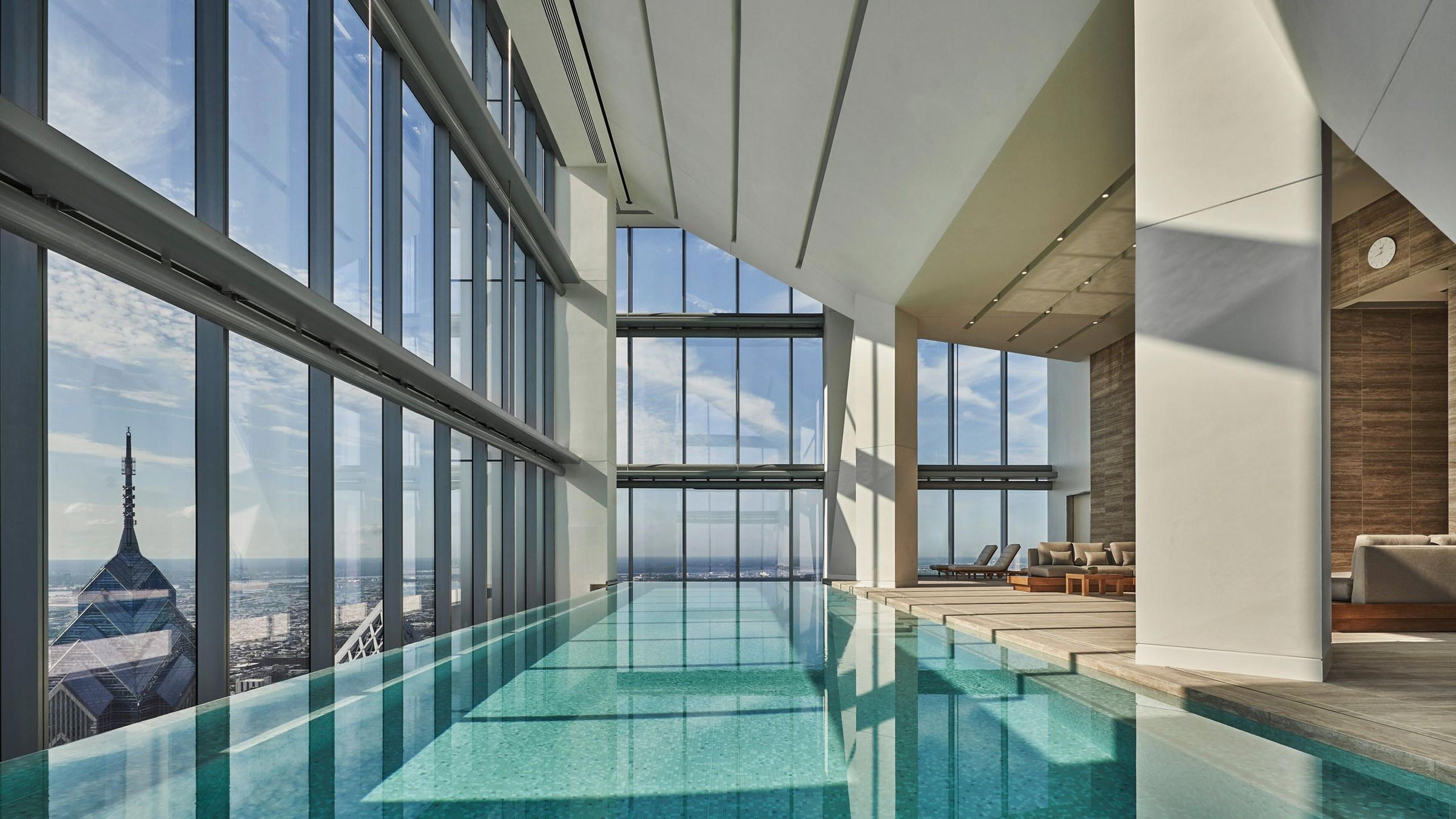
Hotels in Wilmington
Browse all →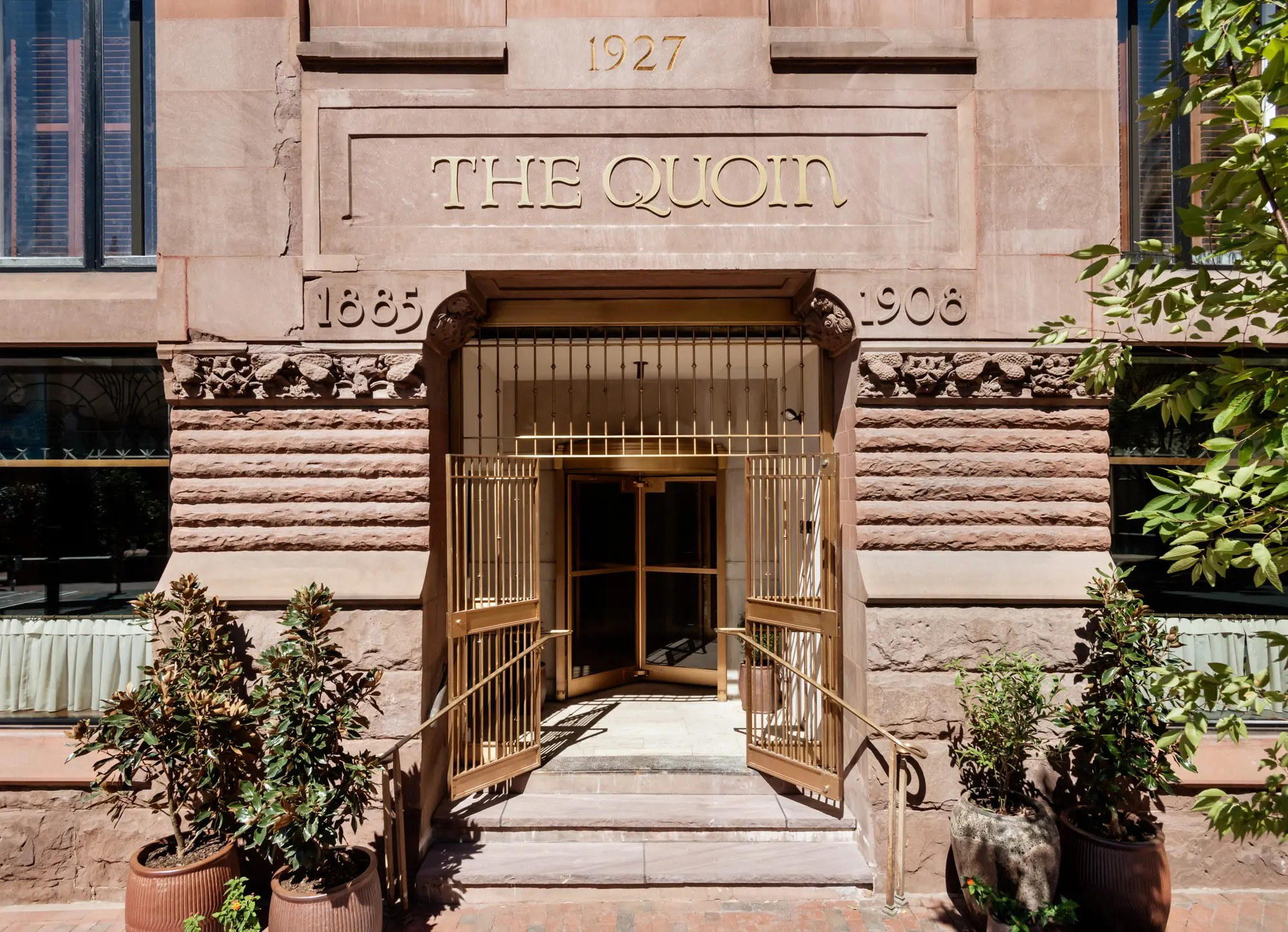
Bars in Wilmington
Browse all →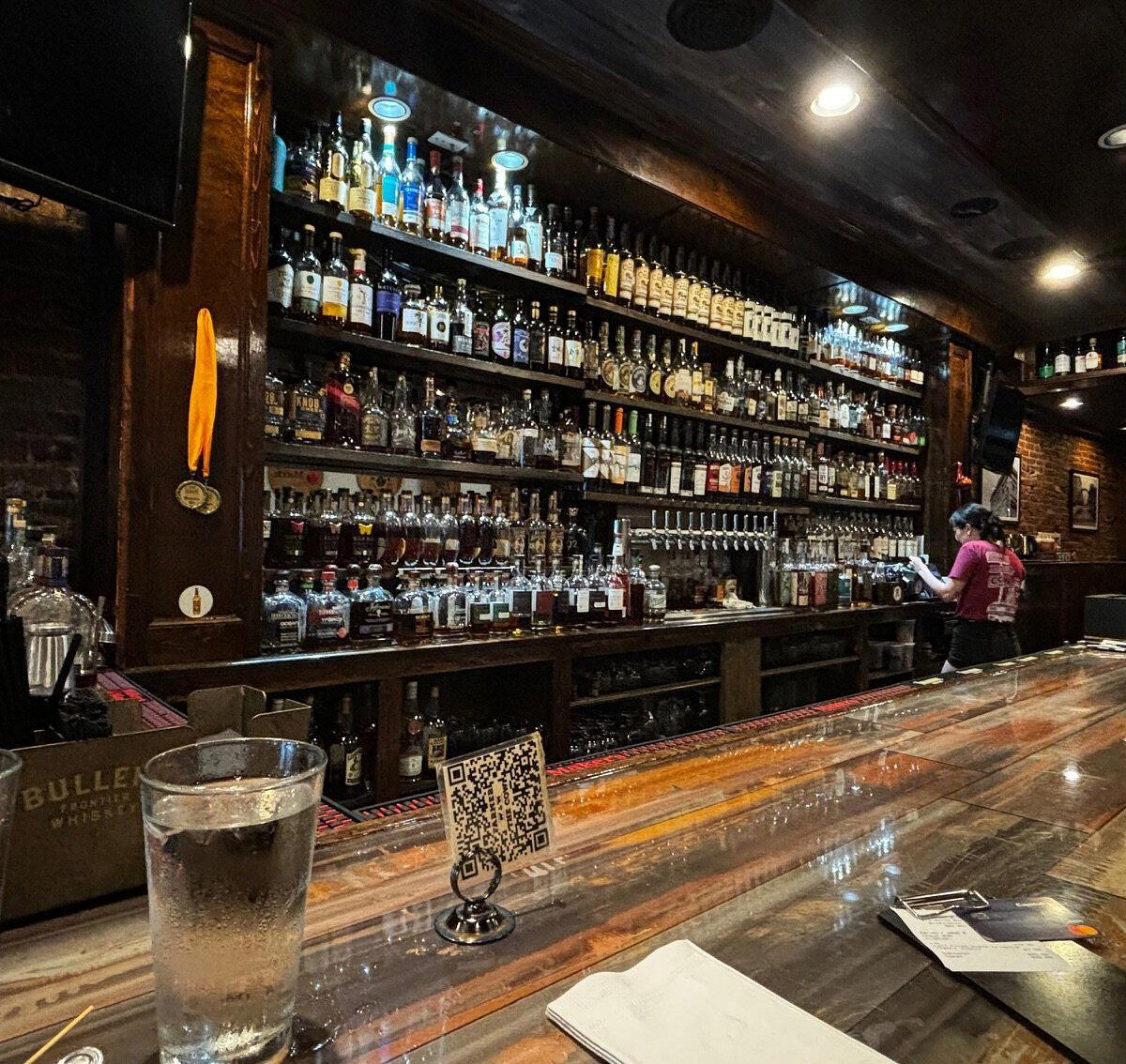
Restaurants in Wilmington
Browse all →
Wineries in Wilmington
Browse all →
At a Glance
- Elegant
- Classic
- Sophisticated
- Ornate
- Romantic Getaway
- Business Trip
- Anniversary
- Historic Building
- Wi Fi
- Spa
- Fitness Center
- Room Service
- Concierge
- Business Center
- Valet Parking
- Wi Fi
- Spa
- Fitness Center
- Room Service
- Concierge
- Business Center
- Valet Parking
Elegant Parisian-inspired atmosphere with beautiful lobby, plush bedding, and spacious rooms featuring soundproofing.