Prime Fish

Michelin Plate
Our verdict
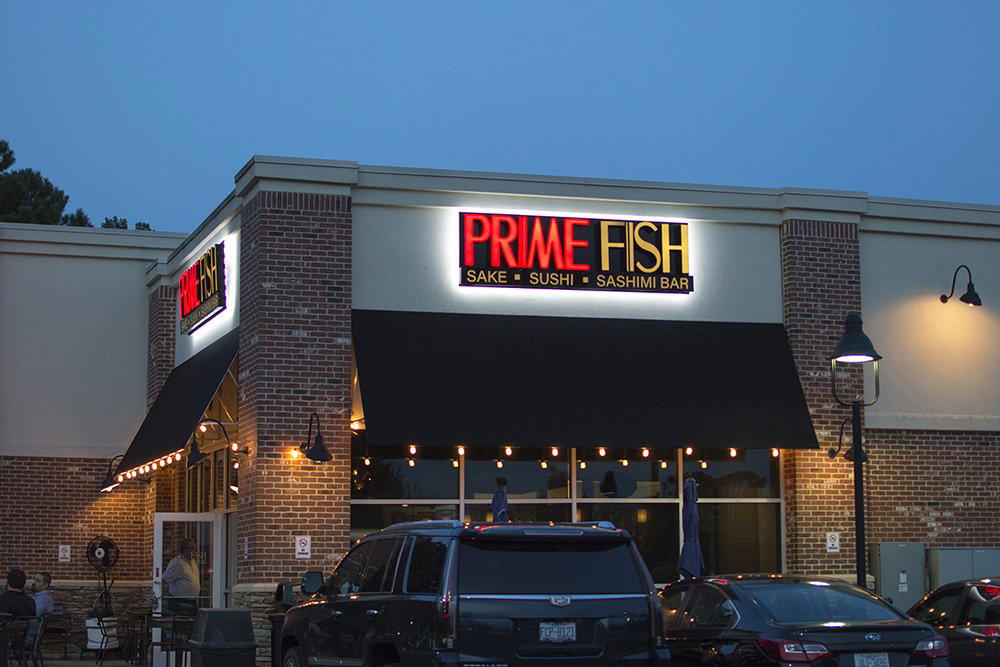
A Michelin Plate recipient on Charlotte's south side, Prime Fish brings Japanese-inflected seafood to a suburban dining corridor more accustomed to steakhouses and casual chains. Located on Providence Road West in the Ballantyne area, it rewards diners who know where to look.

Pearl is the En Primeur Club membership app, where members save venues, book tables and use the concierge.
The menu
What to order
- Hokkaido Roll
- Live Uni
- Black Truffle Salmon
- Crispy Spicy Tuna
- Royal Lobster Roll
Japanese Seafood in Charlotte's Southern Suburbs
Charlotte's restaurant scene has long organised itself around two gravitational pulls: the uptown dining corridor, where expense-account American and European formats concentrate, and the suburban south, where a different kind of ambition operates with less fanfare. The Providence Road West stretch, running through the Ballantyne-area zip code, is the latter territory. Strip-mall frontage and surface parking define the streetscape. What sits behind those facades, though, has become increasingly unpredictable, and Prime Fish is part of the reason why.
The venue earned a Michelin Plate in 2025, which in practical terms means the Michelin inspectors found the cooking worth the detour without reaching the level of a starred recommendation. In Charlotte's context, that matters more than it might in a city with a dozen Japanese restaurants already holding stars. The Michelin Plate signals a kitchen executing with discipline and a menu coherent enough to warrant a second visit. For a Japanese seafood address at a mid-range price point, that kind of independent validation is a useful calibration against the noise of review aggregators.
The Tokyo-Kyoto Question, Applied to Charlotte
When discussing Japanese restaurant culture, critics often frame the choice between Tokyo and Kyoto as a tension between metropolitan pace and patient refinement, speed and innovation versus restraint and technique-as-tradition. That divide doesn't map perfectly onto an American city, but it does surface as a useful lens when reading how Japanese cuisine gets interpreted outside Japan.
Charlotte's Japanese dining options have, until recently, skewed toward the accessible and the familiar: maki-heavy menus, hybrid fusion formats, or the kind of abbreviated omakase that prioritises accessibility over depth. What the Michelin Plate category implies about Prime Fish is that it sits closer to the refinement end of that spectrum, a kitchen interested in getting the seafood itself right, rather than wrapping it in novelty. In that sense it echoes the Kyoto disposition more than the Tokyo one: fewer fireworks, more attention to the source material.
Compare that posture to higher-ticket American seafood institutions like Le Bernardin in New York City, where the editorial argument is consistently about classical French technique applied to fish, or to Single Thread Farm in Healdsburg, where Japanese kaiseki logic meets Northern California produce. Prime Fish operates at a different price tier and in a different market, but the orientation toward ingredient quality over conceptual spectacle places it in a recognisable tradition.
Charlotte's Wider Japanese and Mid-Range Dining Context
The mid-range tier of Charlotte dining, restaurants in the $$ bracket, has grown more serious over the past several years. Venues like Ever Andalo, which works the Italian-American format with genuine craft, demonstrate that the city's appetite for well-executed mid-price cooking is real and expanding. Haberdish has made a similar argument from the Southern side, treating regional comfort food as a serious discipline rather than a throwback gesture.
Japanese seafood at this price point occupies a narrower lane. The challenge is that good Japanese cooking depends heavily on supply chains, access to fresh, high-quality fish, that are easier to maintain in coastal cities or in markets with established Japanese wholesale infrastructure. Charlotte is neither, which makes the Michelin recognition for Prime Fish more significant as a statement about what the kitchen has built. For context, Sushi Hil in Vancouver operates in a Pacific-coast market with direct access to Pacific seafood channels; executing at a comparable level in an inland Southern city requires different logistics and likely more deliberate sourcing decisions.
The broader Michelin cohort for Charlotte also includes New American and contemporary formats. Counter- works the New American format with tasting-menu ambition, while Customshop occupies the $$$ contemporary bracket with a more produce-led approach. Gallery Restaurant anchors the Southern American end of the critical conversation. Prime Fish is the outlier in that company: the only Japanese address in the recognised tier, and the only one working primarily with seafood as the central ingredient category.
Situating Prime Fish Among American Japanese Dining
The restaurants that define serious Japanese cooking in America, Atomix in New York City, with its Korean-Japanese fine dining framework, or the tasting-format ambition of Lazy Bear in San Francisco, represent one pole of what critics pay attention to. The other pole is quieter: the neighbourhood Japanese address that doesn't generate national press but produces consistent, honest cooking for a local audience. Prime Fish appears to occupy that second position, which in a market like Charlotte is arguably the more useful one. High-concept tasting menus are available for long-haul evenings; an address that handles Japanese seafood with enough care to earn Michelin attention at an accessible price fills a genuine gap.
Venues like Alinea in Chicago or The French Laundry in Napa represent the formal apex of American fine dining, useful reference points for understanding how seriously American restaurant culture can be taken, but a different type of proposition entirely. Emeril's in New Orleans has its own regional logic.
Planning a Visit
Prime Fish sits at 11212 Providence Road West in Charlotte, North Carolina 28277, a south Charlotte address that serves the Ballantyne residential area. The pricing category is $$, placing it in the mid-range bracket where a meal is a deliberate choice without requiring a special-occasion budget. Given the Michelin recognition and the specificity of the format, booking ahead is advisable rather than optional; Japanese seafood kitchens at this level tend to run tight services where walk-in availability is unreliable. For visitors building a Charlotte itinerary, the full range of options is covered in our full Charlotte restaurants guide, alongside our full Charlotte hotels guide, our full Charlotte bars guide, our full Charlotte wineries guide, and our full Charlotte experiences guide.
Frequently asked questions
What's the must-try dish at Prime Fish?
What the Michelin Plate award confirms is that the kitchen's output met an independent standard of quality, start with whatever the kitchen is currently emphasising in its seafood selection, as Japanese seafood menus shift with availability and season. The Japanese format and the cuisine designation suggest the focus is on fish handled with precision rather than obscured by sauce or preparation complexity. Ask the kitchen what arrived most recently; that question tends to produce the most useful answer in any serious Japanese seafood address.
Cuisine Context
Comparable venues nearby, for context on price, style, and recognition.
| Venue | Cuisine | Price | Awards | Notes |
|---|---|---|---|---|
| Prime FishThis venue (the venue you are viewing) | Modern Japanese Omakase & Sushi | $50–100 | Michelin Plate | Not listed |
| Good Food on Montford | Modern American Small Plates | Not listed | Not listed | Ashbrook |
| Via Roma | Classic Italian with Roman and Tuscan Influences | $30–50 | Not listed | Waverly |
| Barcelona Wine Bar Charlotte | Spanish Tapas & Wine Bar | $50–100 | Star Wine List · Wine Spectator Best of Award of Excellence | Brookhills |
| Lincoln Street Kitchen & Cocktails | Contemporary American Small Plates | $30–50 | Not listed | Wilmore |
| Mico Restaurant | Argentinian-Inspired Steakhouse | $50–100 | Wine Spectator Award of Excellence | Third Ward |
Recognition history
Dated appearances from independent guides and award organizations, with the underlying list record or original source where available.
Michelin Plate
Michelin
Continue exploring
More in Charlotte
Restaurants in Charlotte
All restaurants in Charlotte →
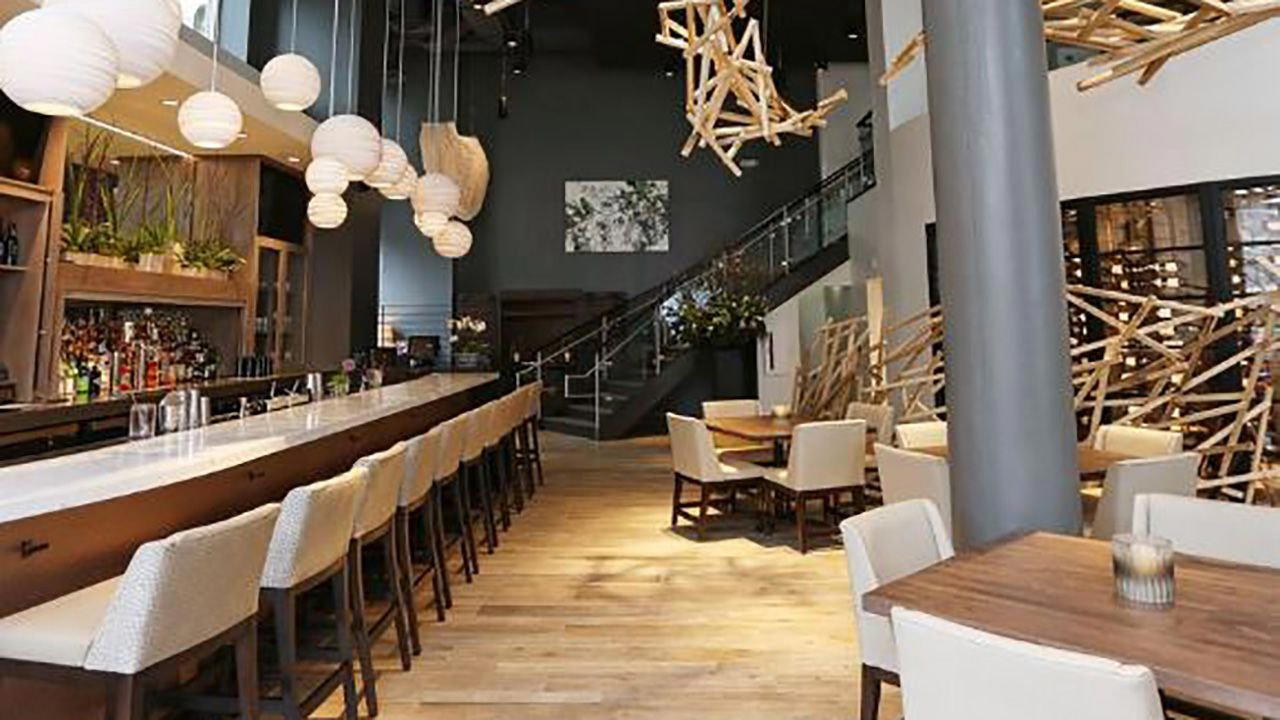
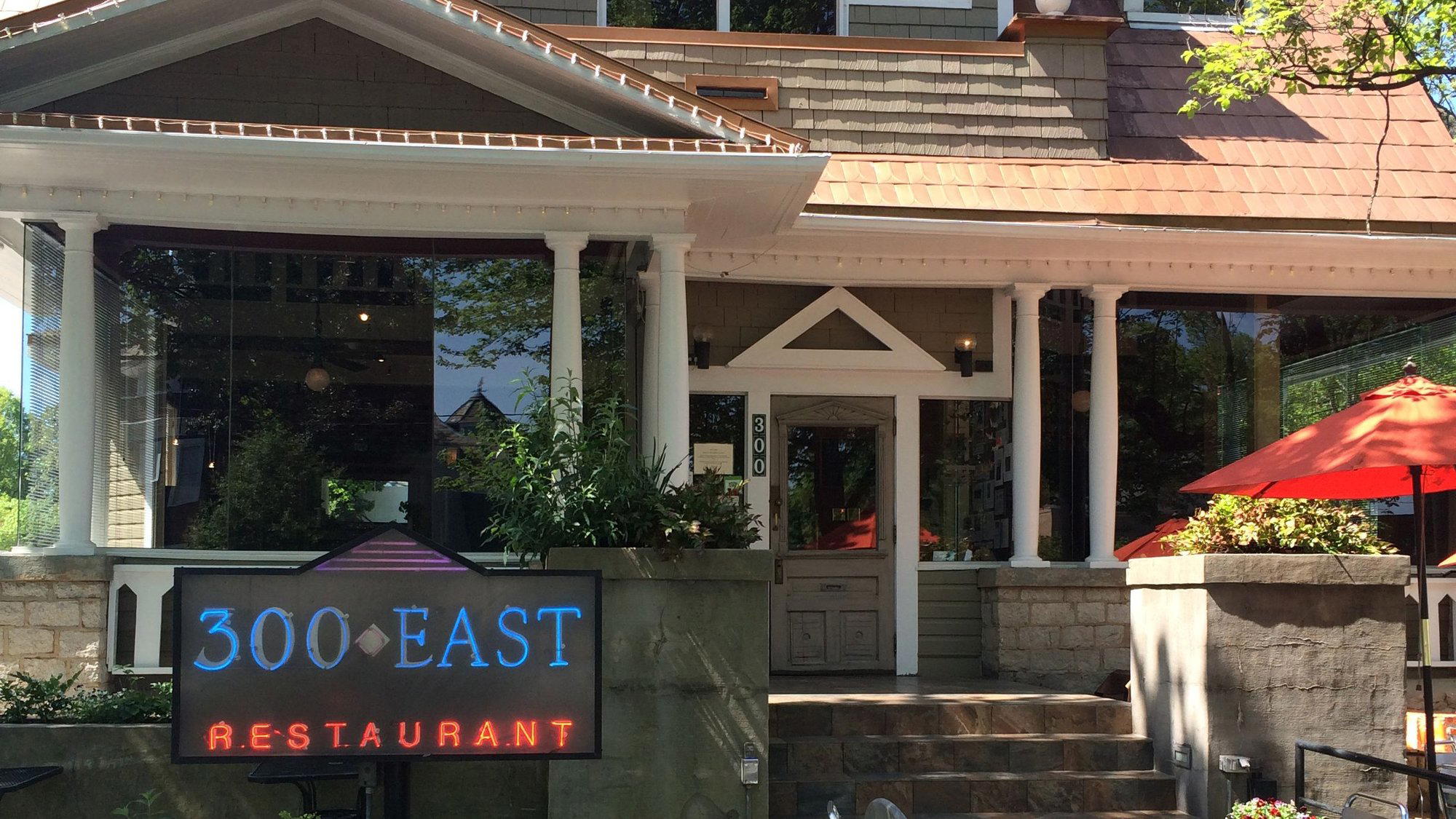
Bars in Charlotte
All bars in Charlotte →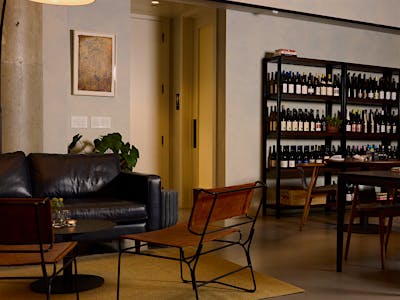
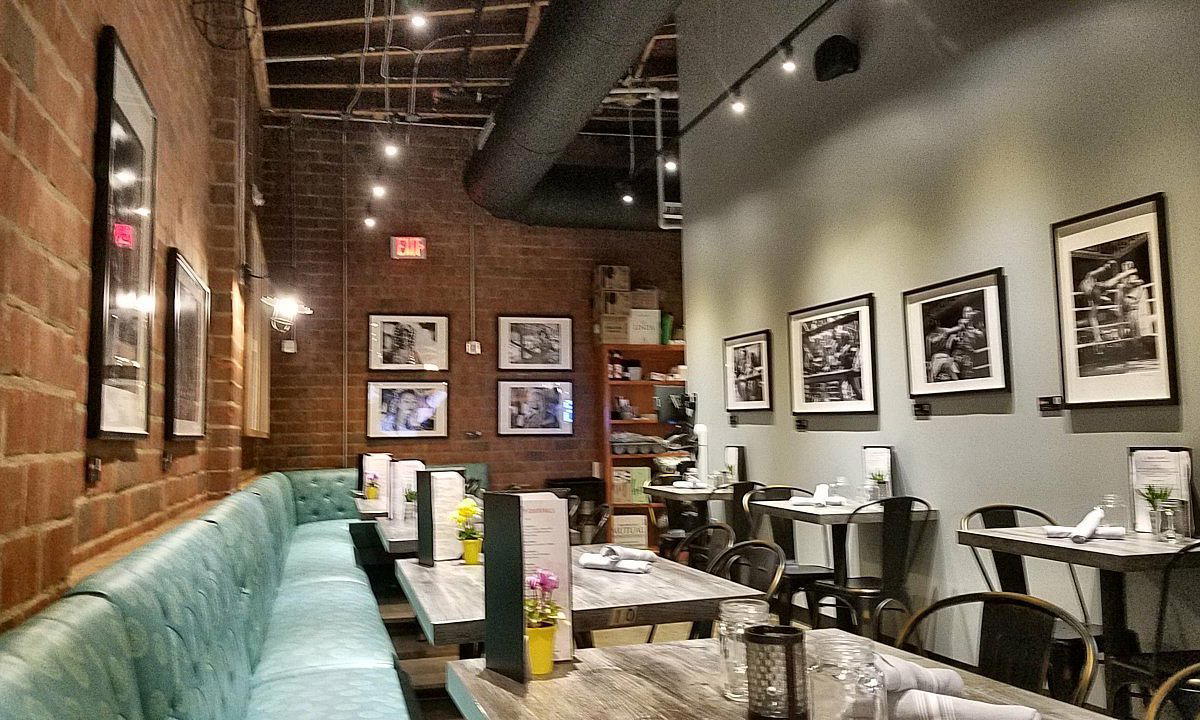
Hotels in Charlotte
All hotels in Charlotte →

Wineries in Charlotte
All wineries in Charlotte →
Details
- Modern
- Elegant
- Intimate
- Date Night
- Special Occasion
- Celebration
- Chefs Counter
- Open Kitchen
- Sake Program
- Beer Program
- Sustainable Seafood
- A La Carte
- Omakase
- Counter Dining
- Sake
- Beer
- Pescatarian Friendly
- Allergy Accommodating
Current opening hours
- Monday
- Closed
- Tuesday
- 4:30–8:30 PM
- Wednesday
- 11:30 AM–1:45 PM, 4:30–9:30 PM
- Thursday
- 11:30 AM–1:45 PM, 4:30–9:30 PM
- Friday
- 11:30 AM–1:45 PM, 4:30–10:30 PM
- Saturday
- 11:30 AM–1:45 PM, 4:30–10:30 PM
- Sunday
- 12–8:30 PM
Hours can change for holidays and private events. Hours as of .
Light, bright, and airy interior with weathered wood cladding, bamboo lantern pendants over the sushi bar, and a comfortable contrast between casual and refined aesthetics.